
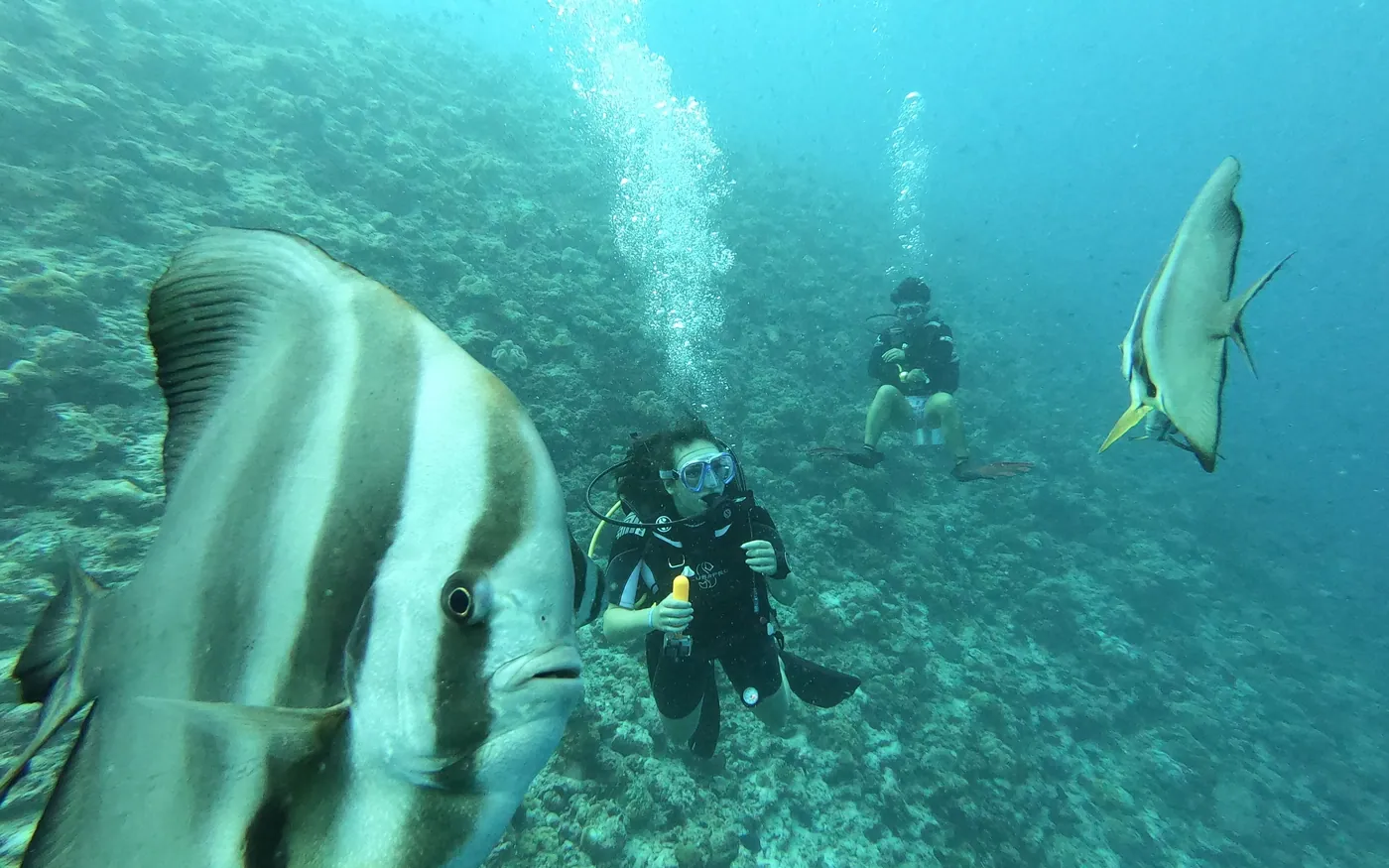
There are over thirty specialties and most divers genuinely need three. The useful question is not which ones exist but which ones change the diving you actually do.
Specialties are not a ladder
It is worth saying first, because the way courses are presented implies otherwise: you are not required to keep going.
Advanced Open Water already covers the two things that most limit a recreational diver — depth and navigation. Everything after it is optional and should be chosen because you want to do a specific kind of diving, not because it is the next box.
Take a specialty because you want the diving, not because you want the card.
The divers who improve fastest after Advanced are usually the ones who simply dived a lot that season, not the ones who collected certifications.
The order that makes sense here
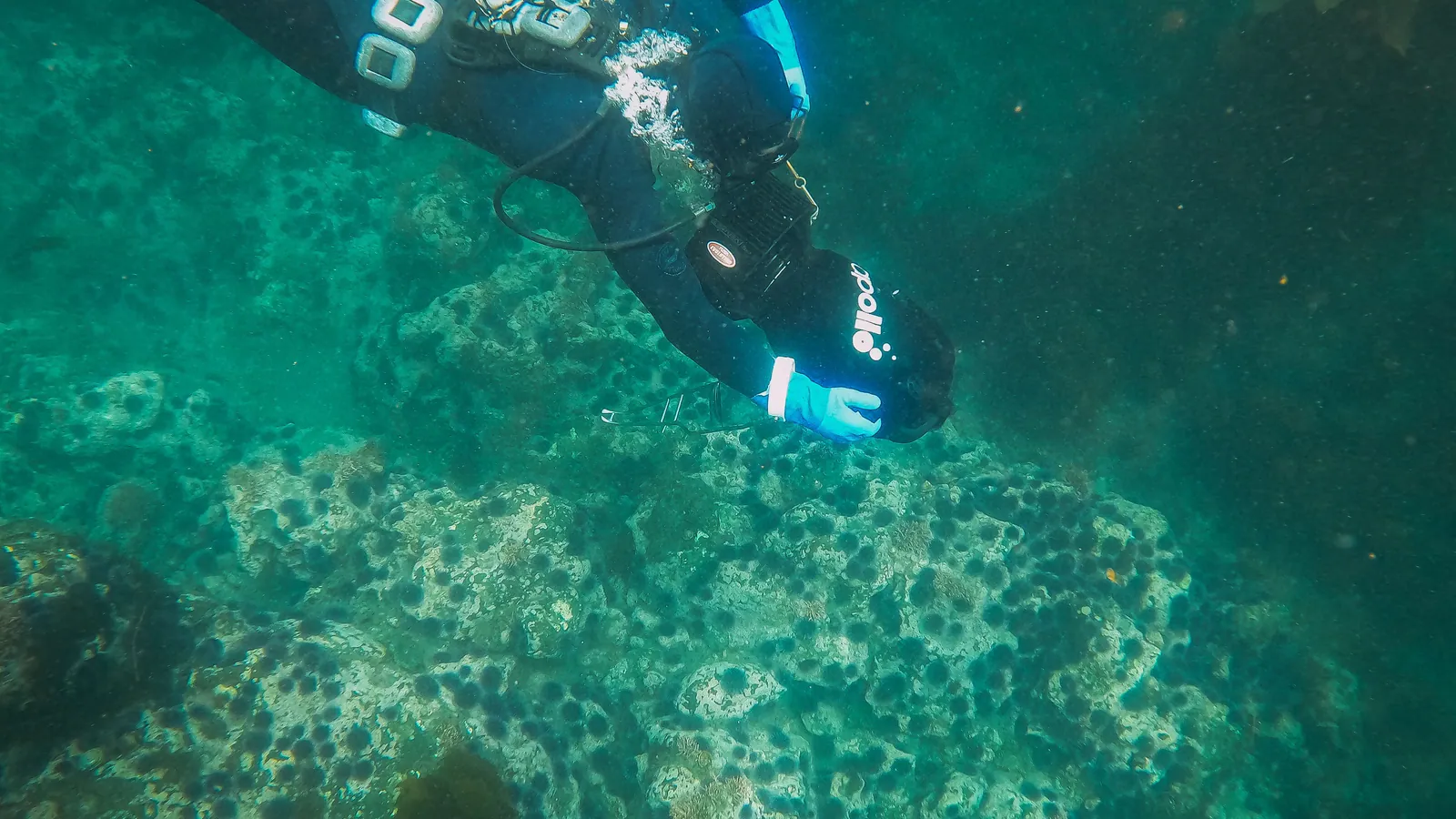
Given the diving available from Hampton Falls, a fairly clear order emerges.
| Specialty | What it changes | Worth it if |
|---|---|---|
| Enriched Air | Longer no-decompression limits on repetitive dives | You dive more than once a day |
| Dry Suit | Extends your season substantially | You want to dive year-round here |
| Peak Performance Buoyancy | Improves every subsequent dive | You are still working on trim |
| Underwater Navigator | Confidence in poor visibility | You dive locally without a guide |
| Wreck | The exterior skills, done properly | The Poling sold you on wreck diving |
| Night | A familiar site becomes a new one | You want more diving from the same sites |
| Search and Recovery | Genuinely useful in low visibility | You dive here often enough to lose things |
Deep and Digital Underwater Imaging are both popular and both sit lower on this list for local diving — deep because the Advanced course already takes you to 100 feet, imaging because it rewards clear water.
Enriched air first, almost always
If you take one specialty, this is the one, and the reasons are practical rather than glamorous.
It is one of the few with no mandatory dives, so it fits an evening. It changes what you can plan on a two- or three-dive day, which is exactly when a computer rather than a cylinder ends the dive. And it travels: nitrox is available almost everywhere you would go on a dive trip.
What it does not do is make diving safer in any simple sense, or let you go deeper — the honest accounting is in nitrox vs air.
Dry suit, if you mean to dive here
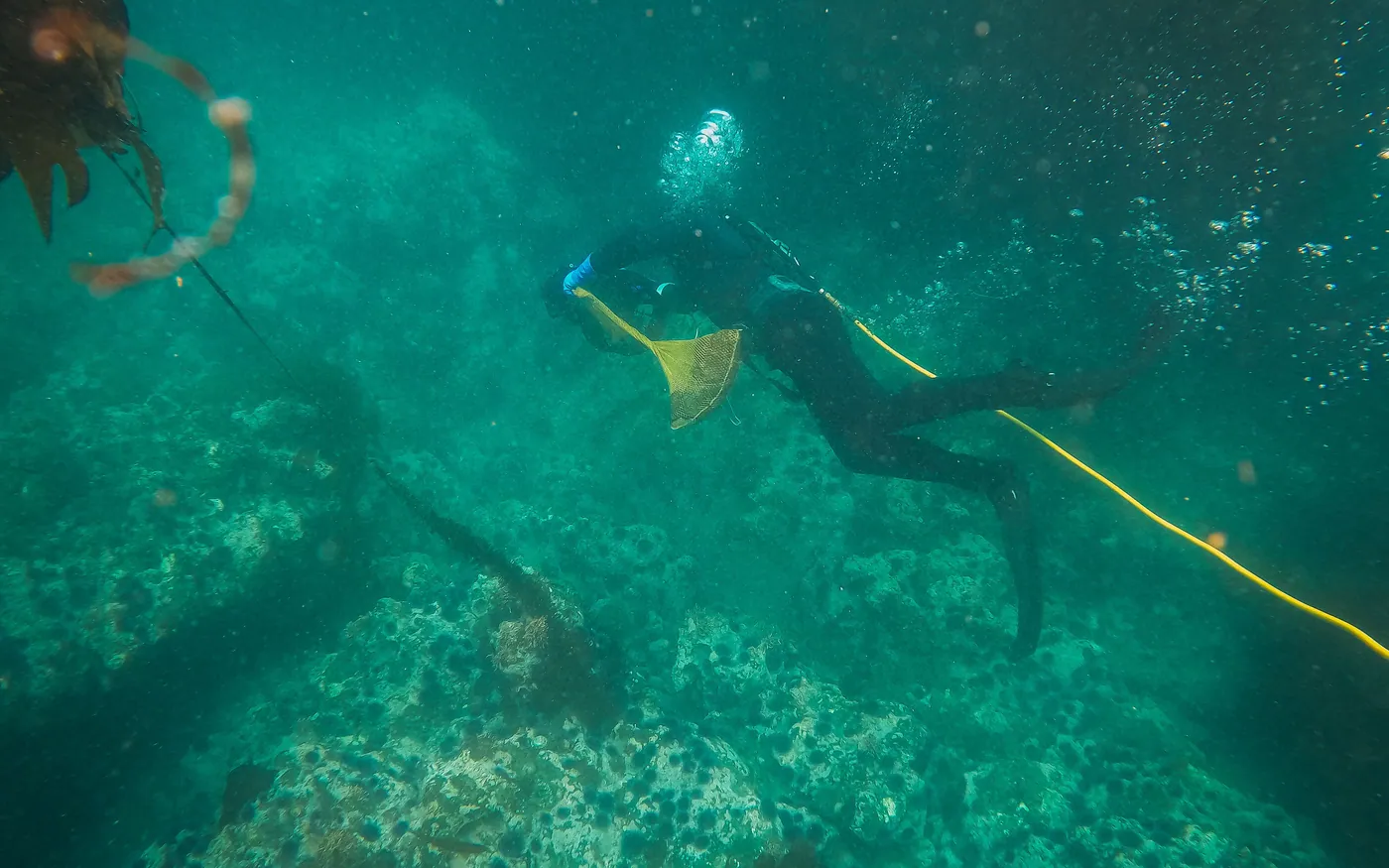
The second recommendation is entirely local. Nothing extends diving on this coast like a dry suit, and nothing else on the list changes how many days a year you can be in the water.
It is also the specialty that most needs the training rather than the card. A dry suit adds an air space you have to manage, and the failure modes are real — set out in drysuits versus wetsuits. It is not something to work out on your own with a borrowed suit.
Whether to buy before or after the course is a fair question, and the usual answer is to talk to an instructor first rather than the other way round.
Rescue is not a specialty
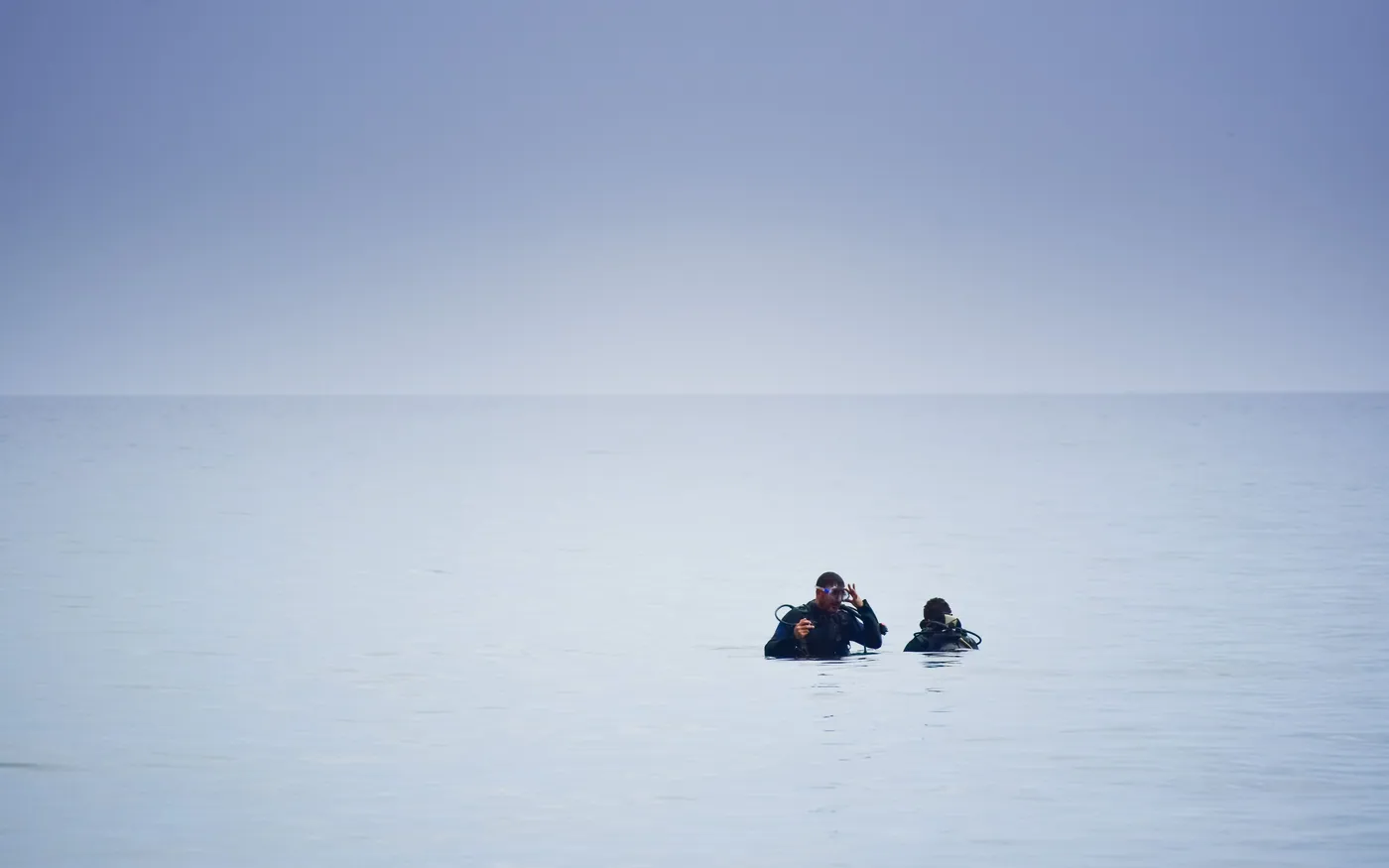
Rescue Diver sits outside this list, and it is the one course on it that most divers describe as having changed them.
It is a core course rather than a specialty, it requires current first aid training, and it is the point at which diving stops being about you. If you are choosing between five specialties and Rescue, take Rescue — the case is made properly in PADI Rescue Diver.
It is also the gateway to the professional levels, if that is somewhere you are heading.
A specialty, or twenty more dives?
This is the honest comparison, and it does not always favor the course.
If what is holding you back is comfort in the water — buoyancy that is not quite settled, gas consumption that ends dives early, a general sense of working harder than everyone else — then diving fixes it faster than any certification will. Twenty dives across a season will change you more than three specialties taken over the same period, and cost less.
A specialty is the better answer when it opens something that is closed to you. You cannot dive dry without training. You cannot get nitrox filled without a card. A wreck course teaches skills you should not work out unsupervised. Those are real gates, and paying to pass them is money well spent.
If the course opens a door, take it. If it just confirms something practice would give you, go diving.
The one exception worth naming is Peak Performance Buoyancy, which is a short course that fixes exactly the thing more diving fixes slowly. If your trim is the problem, it is a shortcut rather than a certificate.
Master Scuba Diver, and whether to chase it
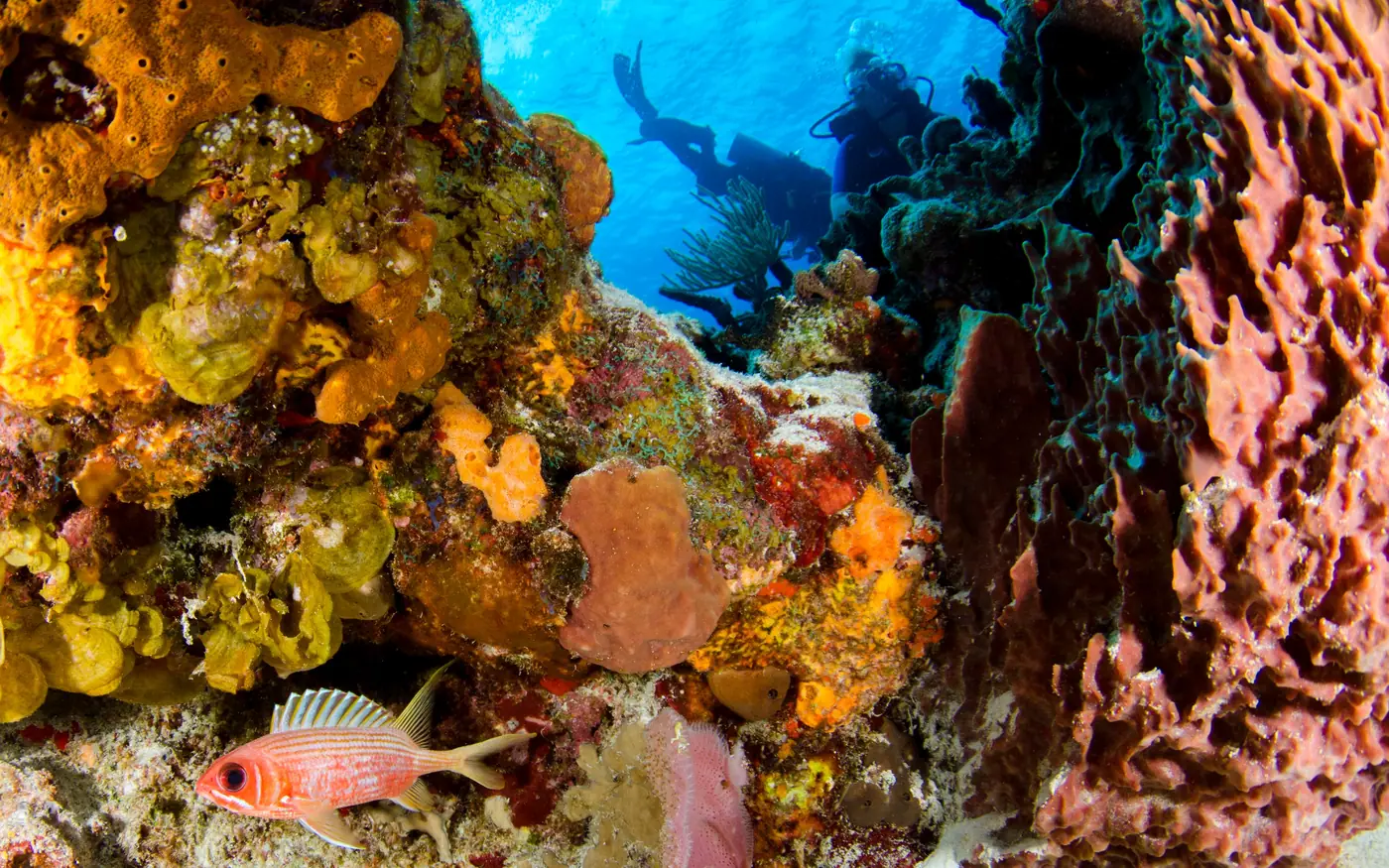
Master Scuba Diver is the recognition at the top of the recreational path: Open Water, Advanced, Rescue and five specialties.
It is worth having if those five specialties are ones you actually wanted. It is a poor reason to take five you did not, and the divers who collect certifications to reach it are not usually better in the water than the ones who dived instead. PADI sets out the continuing education path in full.
One practical note: adventure dives from your Advanced course can credit toward the matching specialty, so check what you have already done before paying for anything — several divers find they are further along than they thought.
And if none of it appeals, that is a legitimate answer. The best divers we know are not the ones with the longest list of cards. They are the ones who got in the water most often, in the worst conditions, and still wanted to go back the following weekend.
Frequently asked questions
Do I have to keep taking courses?
No. Plenty of excellent divers stopped at Advanced and simply dive a lot. Specialties are worth taking when there is something specific you want to do, not as a ladder you are supposed to climb.
Which specialty should I take first?
Enriched air, for most people. It is short, needs no dives, and it changes what you can plan on multi-dive days — see nitrox vs air. For diving here, dry suit runs it close.
What is Master Scuba Diver?
A recognition rather than a course: Open Water, Advanced, Rescue and five specialties. It is a reasonable target if you were going to do those anyway, and a poor reason to take specialties you do not want.
Do my adventure dives count?
Often, yes. An adventure dive from the Advanced course can credit as the first dive of the matching specialty, so a specialty you sampled there is already partly done.
Is Rescue a specialty?
No, it is a core course and it sits between Advanced and the professional levels. It is also the one most divers say changed them — see PADI Rescue Diver.
Ask what fits your diving
The right next course depends on what you actually want to do. Tell an instructor at Divers Den and they will tell you honestly if the answer is “none of them, go diving”.