

Nitrox does one thing well: it buys bottom time on repetitive dives at medium depth. In the shallows it does nothing, and it costs you depth. Both halves of that matter.
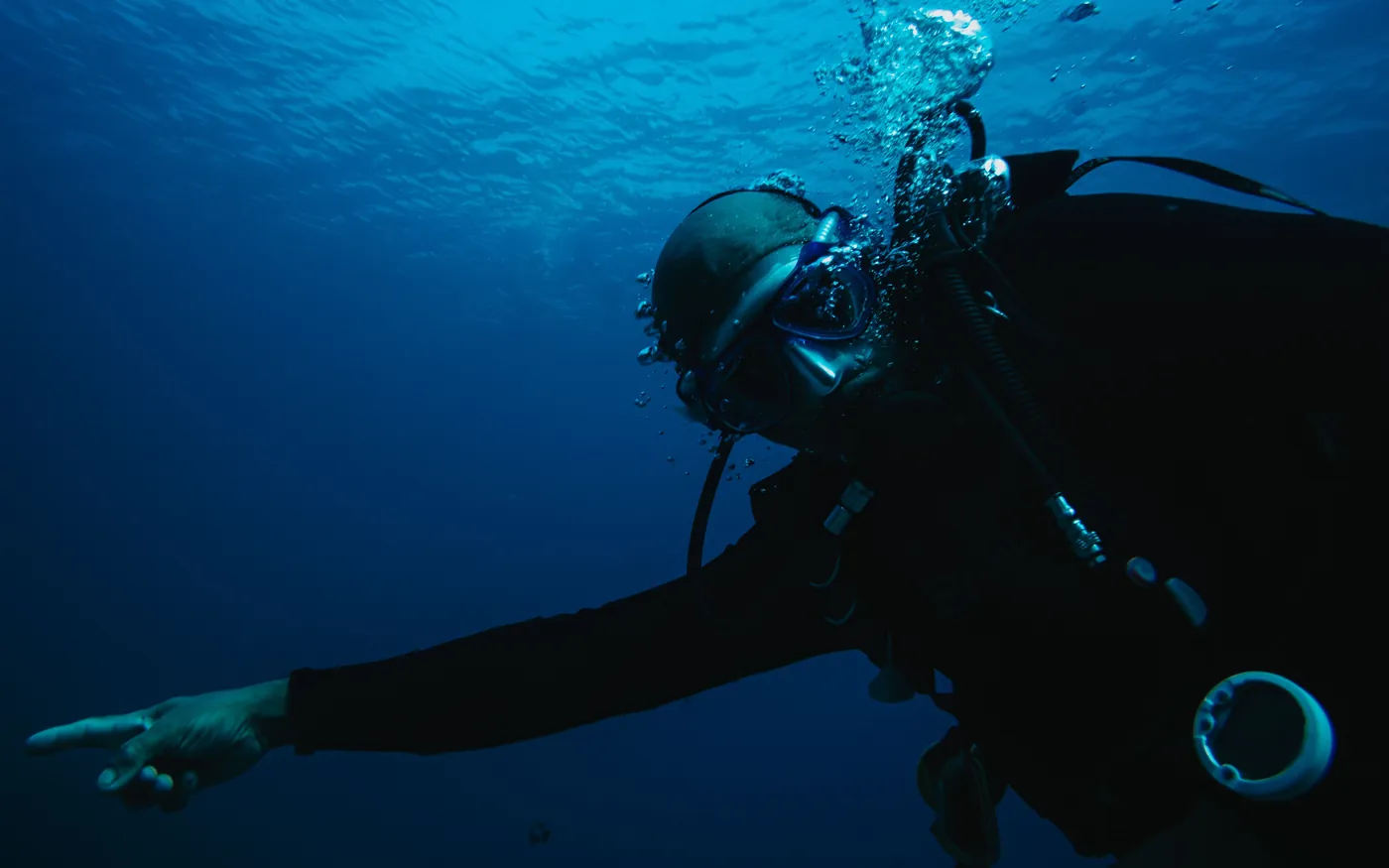
What nitrox actually is
Air is roughly 21 percent oxygen and 79 percent nitrogen. Enriched air nitrox simply raises the oxygen fraction and lowers the nitrogen, most commonly to 32 or 36 percent oxygen — the blends written as EAN32 and EAN36.
Nitrogen is what limits a recreational dive. Your body absorbs it under pressure and has to release it slowly on the way up, and your no-decompression limit is really a nitrogen budget. Breathe less nitrogen and the budget lasts longer.
That is the entire mechanism. Everything else people claim about nitrox follows from it, or is not true.
Where the benefit is real
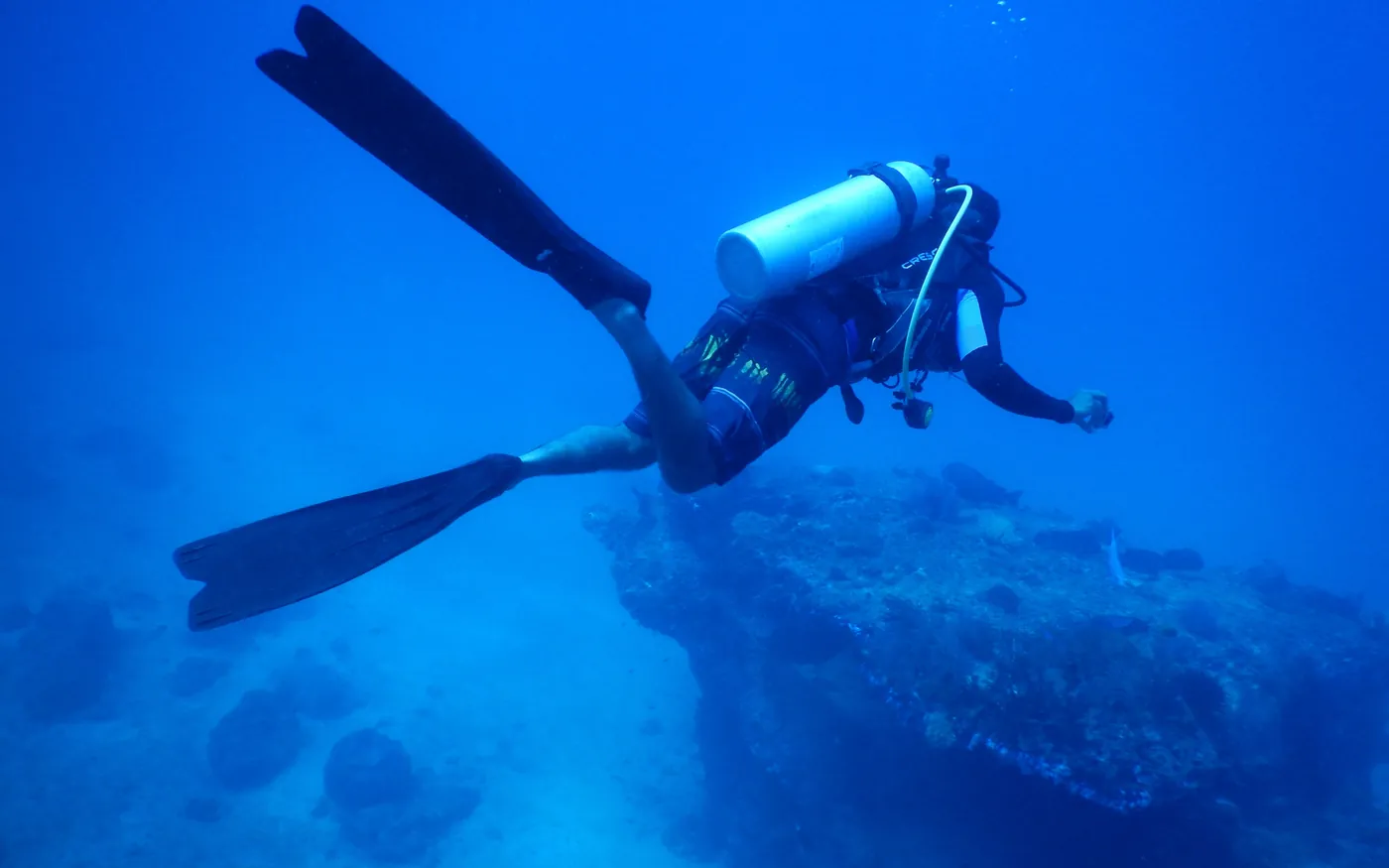
The extra time is not spread evenly across the depth range. It is small in the shallows, largest in the middle of the recreational range, and then squeezed out again as the oxygen limit closes in.
| Depth | Air | EAN32 | What it means in practice |
|---|---|---|---|
| 40 ft | Longer than your gas | Longer than your gas | No benefit at all |
| 60 ft | About 55 min | About 95 min | A genuine second dive |
| 80 ft | About 30 min | About 45 min | The sweet spot |
| 100 ft | About 20 min | About 30 min | Useful, but near the limit |
| 120 ft | About 13 min | Beyond the depth limit | Air only |
Read the bottom row carefully, because it is the part most articles leave out.
The trade-off nobody mentions
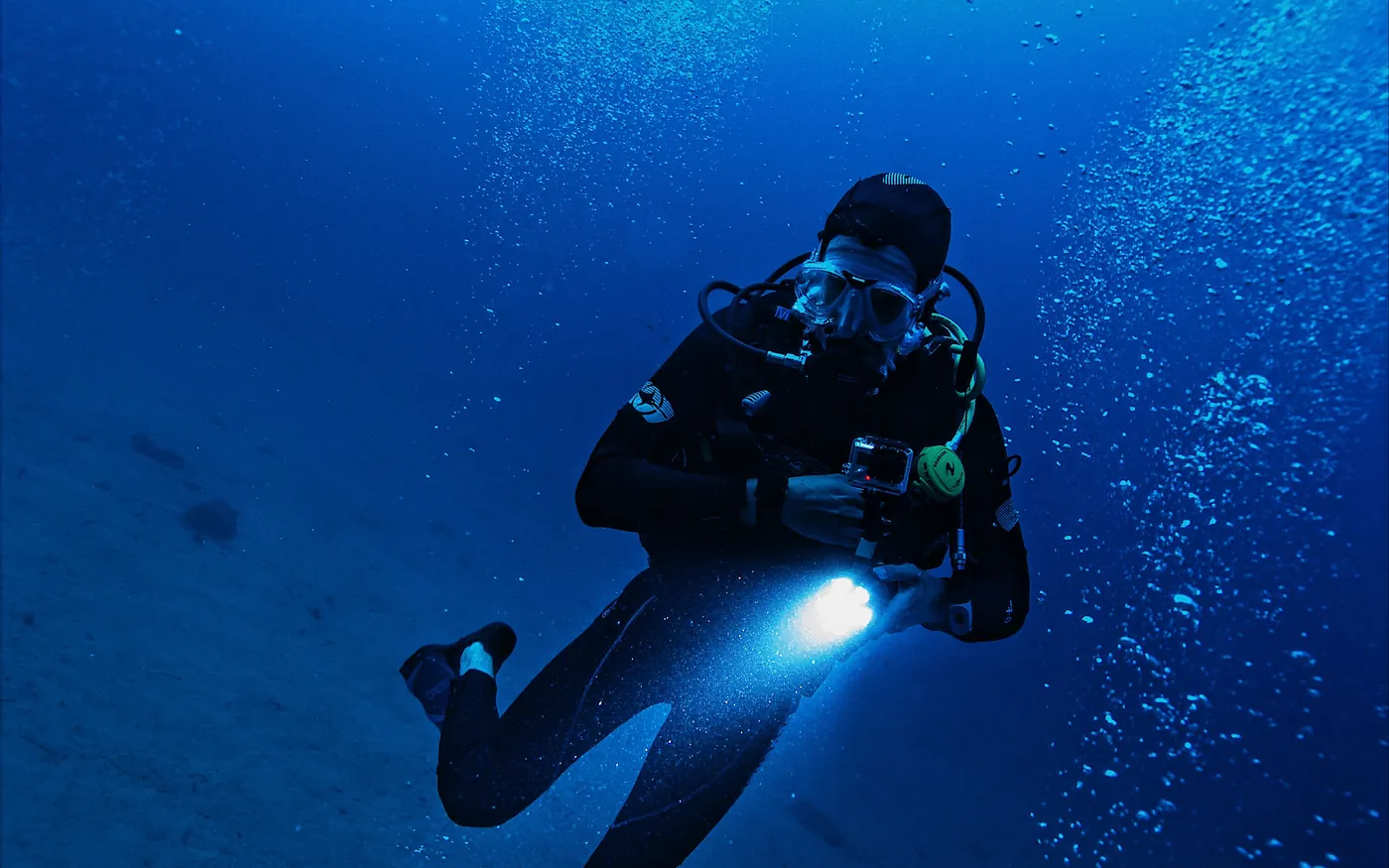
Oxygen becomes toxic under pressure. Because nitrox has more of it, every blend carries a maximum operating depth — a hard ceiling you do not cross.
| Blend | Oxygen | Maximum operating depth |
|---|---|---|
| Air | 21% | About 187 ft (other limits bite first) |
| EAN32 | 32% | About 111 ft |
| EAN36 | 36% | About 95 ft |
Nitrox is not a deep gas. It is a long gas, and it gets shorter as you go down.
This is why the course exists. You are expected to analyze your own fill, confirm the blend, work out your own limit and set your computer to match. PADI covers the same ground in its own comparison of nitrox and air.
The fatigue claim
You will hear that nitrox leaves you less tired at the end of a diving day. It is the most repeated claim about the gas and the least supported one.
Controlled studies have not found the effect, and there are ordinary explanations for why divers report it anyway: people on nitrox tend to be more conservative, better rested and more experienced.
If you feel better after a nitrox day, enjoy it. Just do not buy the certification for that reason.
So is it worth the course?

It comes down to the kind of diving you actually do, not the kind you imagine doing.
- Worth it if you dive several times a day, dive from boats, or take liveaboard and resort trips where the third and fourth dives are the ones that get cut short.
- Worth it if you are already diving in the 60–100 foot range and finding your computer, rather than your tank, ends the dive.
- Not yet if most of your diving is a single shallow dive from shore, where nitrox extends a limit you never reach.
It is one of the few specialties with no mandatory dives, which is why divers often add it to a trip. Details are on our PADI Enriched Air Diver course page, and if you have not certified yet, the Open Water Diver course comes first.
What analyzing a fill involves
The reason nitrox needs a certification at all is that you, not the fill station, are responsible for knowing what is in your cylinder.
The routine is short and it does not change. You put an oxygen analyzer on the valve, read the percentage, and compare it against what you were told the blend would be. Analyzers are calibrated against air first, so the reading means something.
Then you write it down. The cylinder gets a label showing the blend, the maximum operating depth and the date, and the fill goes in the log at the shop with your signature against it.
- Analyze it yourself. A blend nobody verified is an unknown gas.
- Label the cylinder. Blend, maximum depth, date, name.
- Set your computer before you gear up, not on the boat with gloves on.
- Re-analyze after any top-up. Adding air changes the mix.
None of it takes more than a couple of minutes, and the whole point of the course is to make it automatic.
One caution worth stating plainly: none of this makes nitrox a shortcut around good practice. It extends your no-decompression limit, and nothing else. Ascent rates, safety stops and gas planning all stay exactly as you learned them, and a longer bottom time means you need to have thought harder about how much gas the dive will actually take. If you have not covered gas planning in depth yet, that is part of what Advanced Open Water builds on.
Getting fills locally
Whatever blend you dive, the cylinder has to be filled by someone who knows what they are doing, and the fill has to be analyzed before you get in. Our breathing gas and fills page covers what we offer and what we need to see from you.
If you are diving locally rather than traveling, the depths at most New England shore diving sites sit shallow enough that air is the sensible choice. Save the nitrox for boat days and warm water trips, where it earns its keep.
Frequently asked questions
Does nitrox stop you feeling tired after diving?
There is no good evidence that it does. The claim is common and the studies have not supported it, so treat reduced fatigue as a possible bonus rather than a reason to pay for the gas. The bottom time is the real benefit.
Can I dive deeper on nitrox?
No — the opposite. Higher oxygen means a shallower maximum operating depth, so EAN32 limits you to about 111 feet where air does not. Nitrox is a bottom time tool, not a depth tool.
Do I need a course to buy nitrox fills?
Yes. Every fill station asks to see an enriched air certification before filling a cylinder, because you are expected to analyze your own gas and set your computer. The PADI Enriched Air Diver course is the qualification.
Is nitrox worth it on a single shallow dive?
Almost never. Above about 50 feet your no-decompression limit on air is already longer than your gas supply, so nitrox extends a limit you were never going to reach.
Does my regulator need to be nitrox-ready?
For the standard blends up to 40 percent, recreational regulators are used as they are. What matters more is that your cylinder is correctly labeled and that you analyze the mix and log it before diving. Ask us if you are unsure about your own setup.
Add enriched air to your certification
The Enriched Air Diver specialty takes an evening and needs no dives. Ask an instructor at Divers Den whether it fits the diving you are planning.