
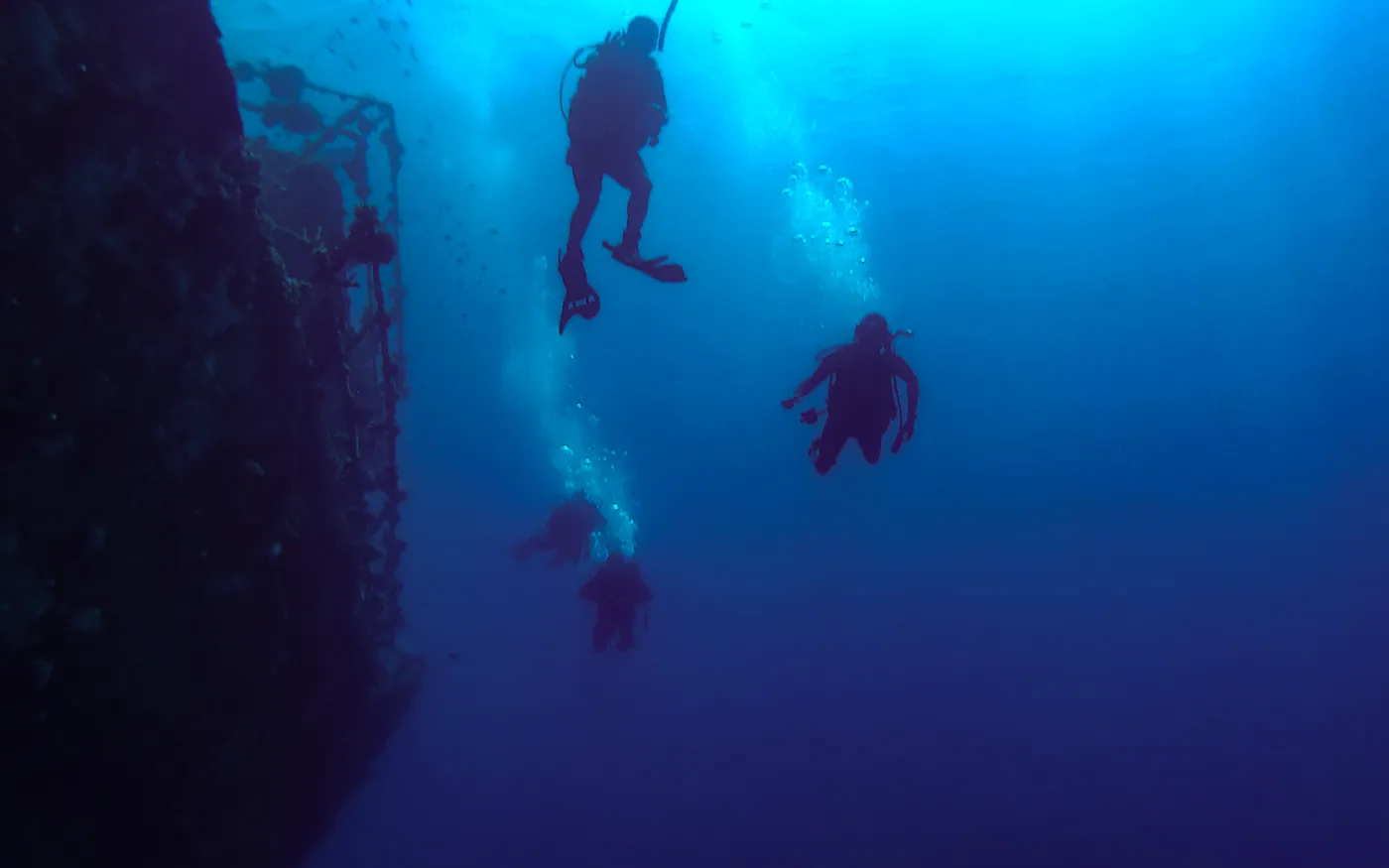
Five dives over two days, and you pick three of them. That is the whole course, and it is why two divers can finish the same certification having done almost entirely different diving.
The name is doing the course no favors
The most common objection is that five dives does not make anyone advanced, and the objection is fair. It does not.
What the course actually is, is a supervised sampler. Two dives are fixed, three are yours to choose, and the point is to try things with an instructor next to you before you try them on your own.
Read it as “supervised introduction to five kinds of diving” and it makes complete sense. Read it as a competence rating and it will disappoint you.
What is fixed, and what you choose
Two of the five are set by the certification, because they are the two that change what you can safely plan. The remaining three are the reason no two courses are the same.
| Day | Required | You choose |
|---|---|---|
| One | Underwater Navigation | Two from: Altitude, Delayed Surface Marker Buoy, Dive Against Debris, Peak Performance Buoyancy, Search & Recovery, Enriched Air, Fish Identification |
| Two | Deep | One from: Boat, Dry Suit, Wreck |
The day two list is short for a practical reason: those are the specialties that make sense on the boat you are already on.
The two required dives are the ones that matter
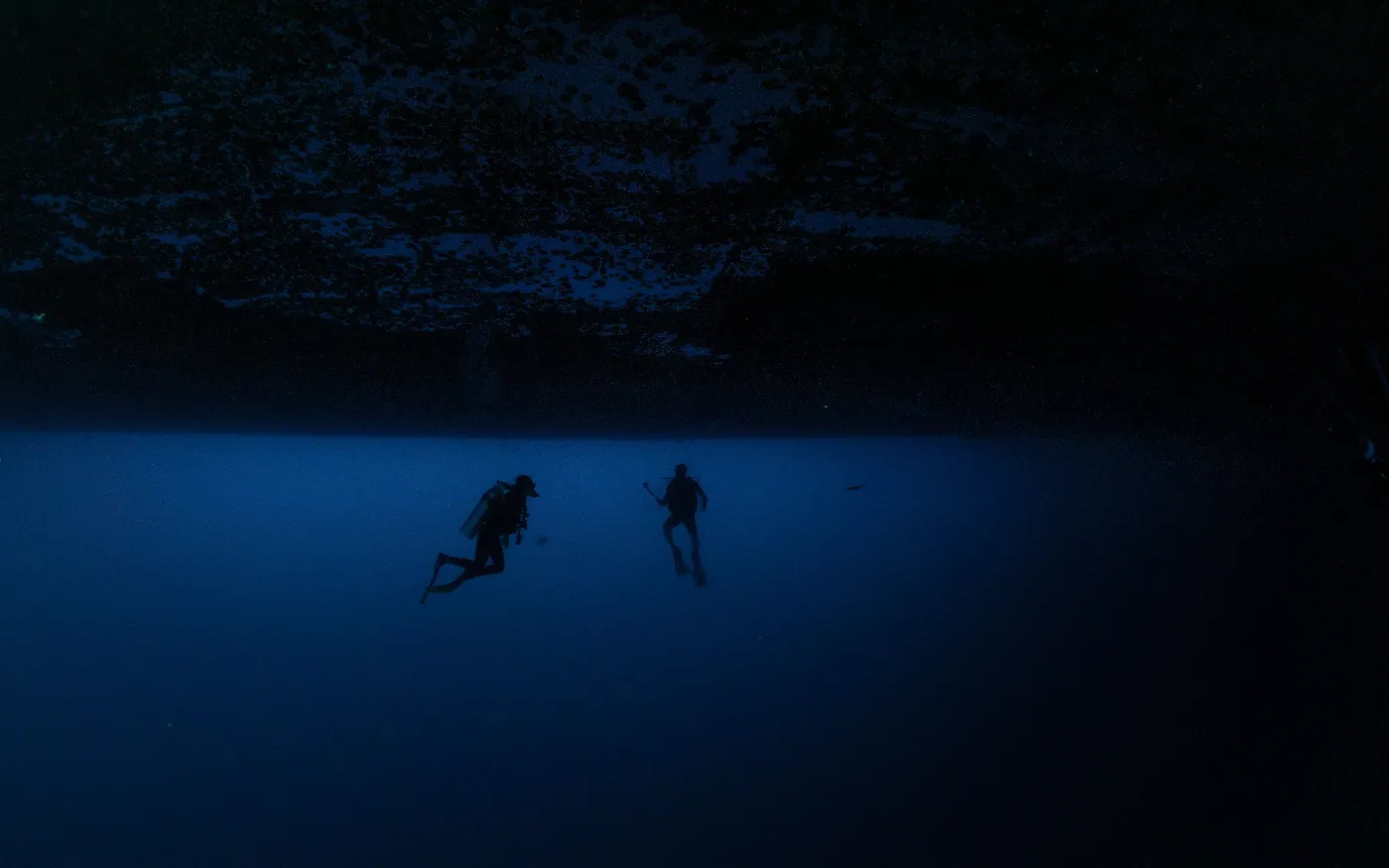
If the course has a core, it is these two, and they are required for good reason.
Deep moves your limit from 60 feet to 100. More usefully, it teaches what depth does to your gas consumption, your no-decompression time and your own judgment — all of which change faster than people expect.
Underwater navigation is the less glamorous half and probably the more valuable one. A diver who can find their way back to the boat, or to the exit point, dives calmly. A diver who cannot spends the whole dive worrying.
Depth gets the attention. Navigation is the skill you will use on every dive for the rest of your life.
The part nobody mentions: the dives count twice
This is the strongest argument for the course and it is buried in the small print.
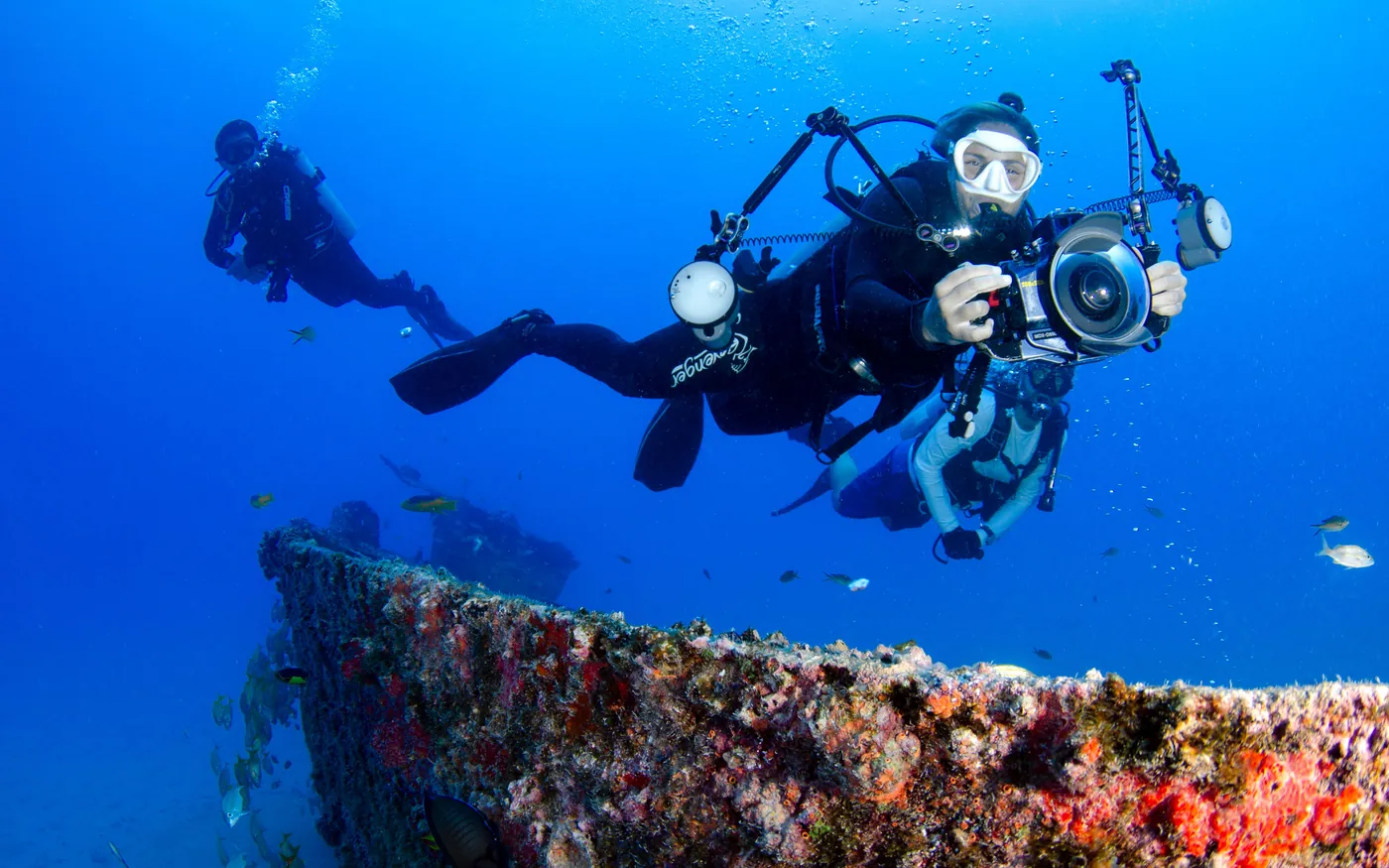
Each adventure dive you do can credit as the first dive of the matching specialty certification. Do the wreck dive on your Advanced course, decide you like wreck diving, and you are already one dive into the Wreck Diver specialty rather than starting from zero.
That turns the course from five dives into five cheap trials of five different directions, any of which you can carry forward. Scuba Diving Magazine covers the structure of the course in more detail if you want a view from outside the agency.
Choosing your three for diving here
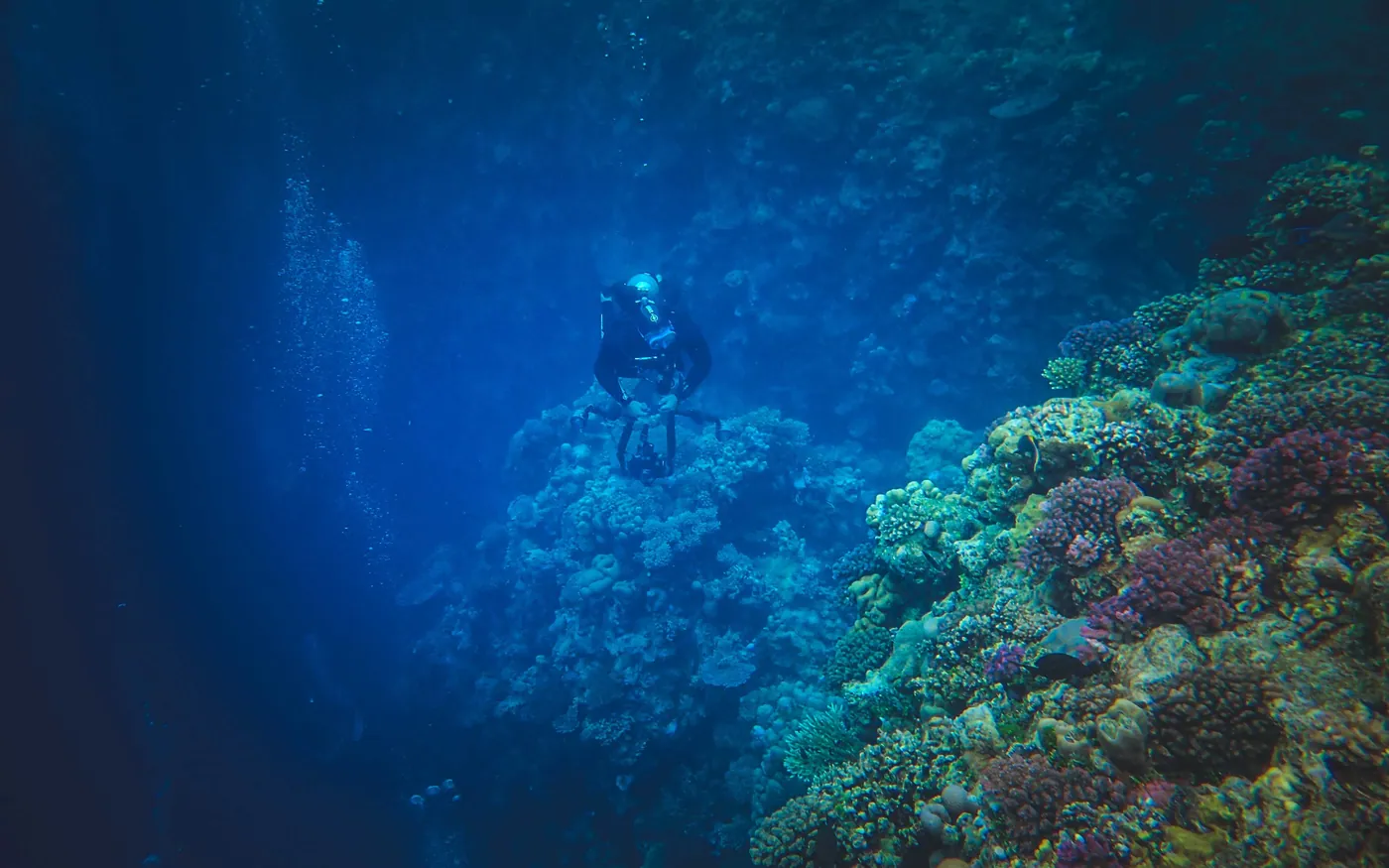
The temptation is to choose the exotic-sounding options. For diving on this coast, the boring ones pay off faster.
- Peak Performance Buoyancy improves every subsequent dive, and improves your air consumption at the same time.
- Dry Suit is the one that extends your season here — worth reading alongside our comparison of drysuits and wetsuits.
- Enriched Air pairs naturally with the deep dive; see whether nitrox is actually worth it for the diving you do.
- Search & Recovery is genuinely useful in low visibility, which describes most local diving.
- Wreck makes sense if the deep dive has already sold you on it.
What it does not do
It is worth being equally clear about the limits, because the disappointment people report is almost always a mismatch of expectation rather than a bad course.
Five dives will not make you a confident deep diver. It shows you what 100 feet feels like once, with an instructor beside you, and gives you permission to go back and build the experience yourself. The competence comes from the dives you do afterwards.
It also does not make you a specialist in anything. An adventure dive is the first dive of a specialty, not the whole of it — you finish having sampled wreck diving, not qualified for it.
None of that is a criticism. A course that honestly says “here is what this kind of diving is like, now decide” is doing something useful, and doing it under supervision is a great deal safer than working it out alone.
How it runs here
The eLearning comes first and takes roughly six to eight hours at your own pace. It carries interactive lessons on thirteen specialties, of which you study the two required plus the three you have chosen.
Then plan on two full days. Tides and weather set the schedule rather than the calendar, which is normal for this coast and worth knowing before you book travel around it.
The deep dive is scheduled with a charter operator and, weather permitting, runs on the Chester Poling. That charter fee is additional and paid to the boat operator directly. Full details, including both routes through the course, are on the Advanced Open Water course page.
One practical note on sequencing: if you already know you want the dry suit dive, sort the suit out before the course rather than during it. Learning to manage a new air space and meeting a new depth limit on the same weekend is more to think about than most divers want at once.
So, is it worth it?
If you dive locally, yes, and mostly because of depth and navigation. Sixty feet rules out a great deal of what is interesting on this coast, and the wrecks start where your Open Water limit stops.
If you only ever dive warm shallow water on vacation, it is less urgent — though the buoyancy and navigation dives will still make you better. Either way, go in expecting a guided sampler rather than a promotion, and it delivers exactly what it promises.
Frequently asked questions
Do I need experience before taking it?
You need an Open Water certification, not a logbook full of dives. Some divers go straight on from certification and some wait a season. Both work, though a handful of dives in between makes the deep dive feel less like a leap.
How deep does it let me go?
It extends your limit from 60 feet to 100 feet. That is the change that opens up most of the wreck diving on this coast, including the stern of the Chester Poling at about 90 feet.
Is there an exam?
There is knowledge development for each dive rather than a single final exam, and the eLearning takes roughly six to eight hours at your own pace. The course is assessed in the water, on the dives themselves.
Can I take it if I already did the eLearning elsewhere?
Yes. We run a practical-only route for divers who already hold the eLearning, as well as the combined eLearning and practical option. Ask which applies to you.
Does the deep dive cost extra?
The boat does. The deep dive is scheduled with a charter operator and that fee is paid directly to them rather than to the shop, so budget for it separately.
Take the next step
Ask an instructor at Divers Den which three adventure dives make sense for the diving you actually do. It is a five-minute conversation and it shapes the whole course.