
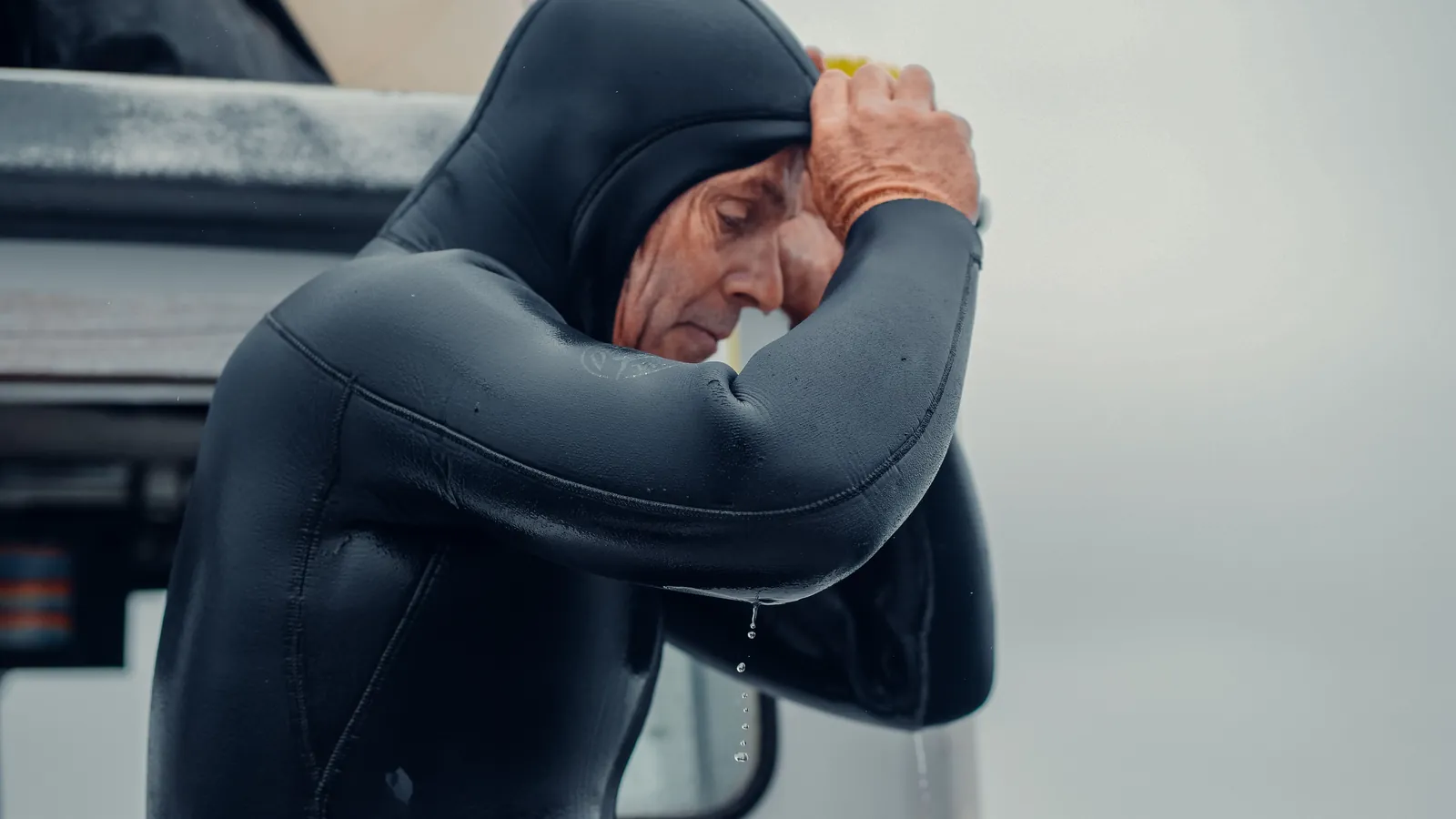
A wetsuit keeps a thin layer of water against you and lets your body warm it. A drysuit keeps the water out entirely. That one difference drives everything else — cost, training, maintenance and how long your season is.
Why depth changes the answer
The important thing about neoprene is that it is full of gas bubbles, and gas compresses. At depth a wetsuit is thinner than it was at the surface, so it insulates less exactly where the water is coldest.
A drysuit does not have that problem. Its insulation comes from the undergarment and the air around you, and you add air as you descend to keep it working. Most drysuits insulate about the same at depth as they do at the surface.
For a shallow summer dive this barely matters. For a deep dive in spring it is the whole story.
The honest comparison
| Wetsuit | Drysuit | |
|---|---|---|
| How it works | Traps a thin layer of water | Seals water out entirely |
| Insulation at depth | Drops as neoprene compresses | Roughly unchanged |
| Typical cost | About $150–$250 | Commonly $2,000 and up |
| Typical lifespan | About five years in regular use | Fifteen to twenty years with care |
| Training needed | None beyond your certification | A separate drysuit course |
| Upkeep | Rinse it | Seals, zipper, leak checks |
| Adjusting for season | Buy another thickness | Change the undergarment |
The two rows people skip are lifespan and adjusting for season, and together they change the arithmetic more than the price tag does.
What it costs per year
Compare the two on purchase price and the drysuit looks like an extravagance. Spread each over its working life and the gap closes.
That is a $200 wetsuit over five years against a $2,000 drysuit over fifteen, and it ignores the second and third wetsuit thickness that a cold water diver usually ends up owning.
Bought once, a drysuit costs ten times a wetsuit. Measured against every wetsuit you would buy instead over the same fifteen years, it costs about three.
None of which makes it the right first purchase. It makes it a reasonable second one, once you know you are going to keep diving here.
The training is not optional
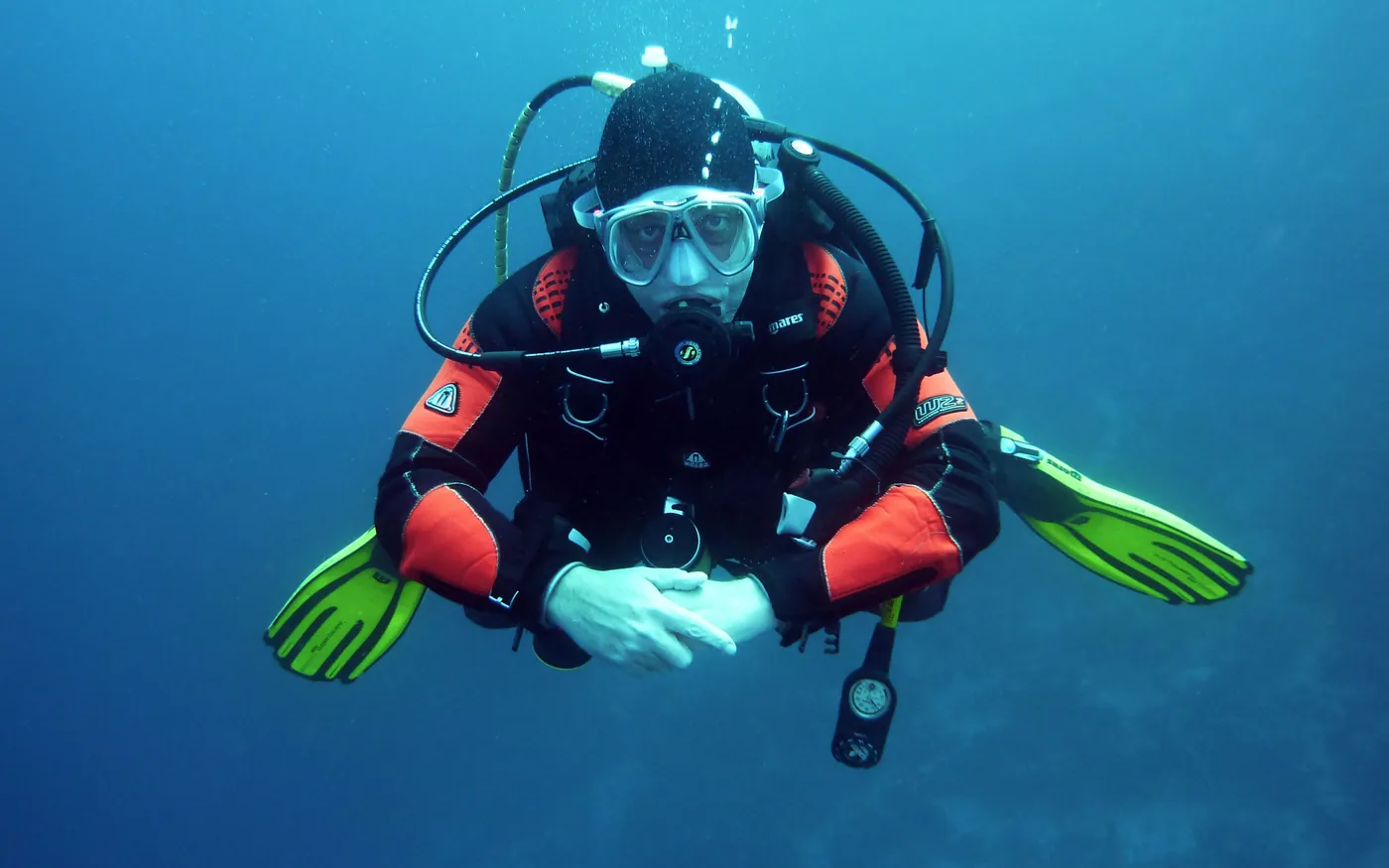
This is the part retailers underplay. A drysuit puts a second air space around your body, and it does not behave the way your buoyancy compensator does.
Air migrates to whichever part of you is highest. Get inverted with too much in the suit and it collects in the feet, which is how divers end up going up when they meant to go down. Weighting, venting and trim all have to be relearned.
That is why a drysuit course exists, and why we will not sell someone a suit and wave them off with it. SDI sets out the same set of differences from a training perspective if you want a second view.
Fit matters more than thickness
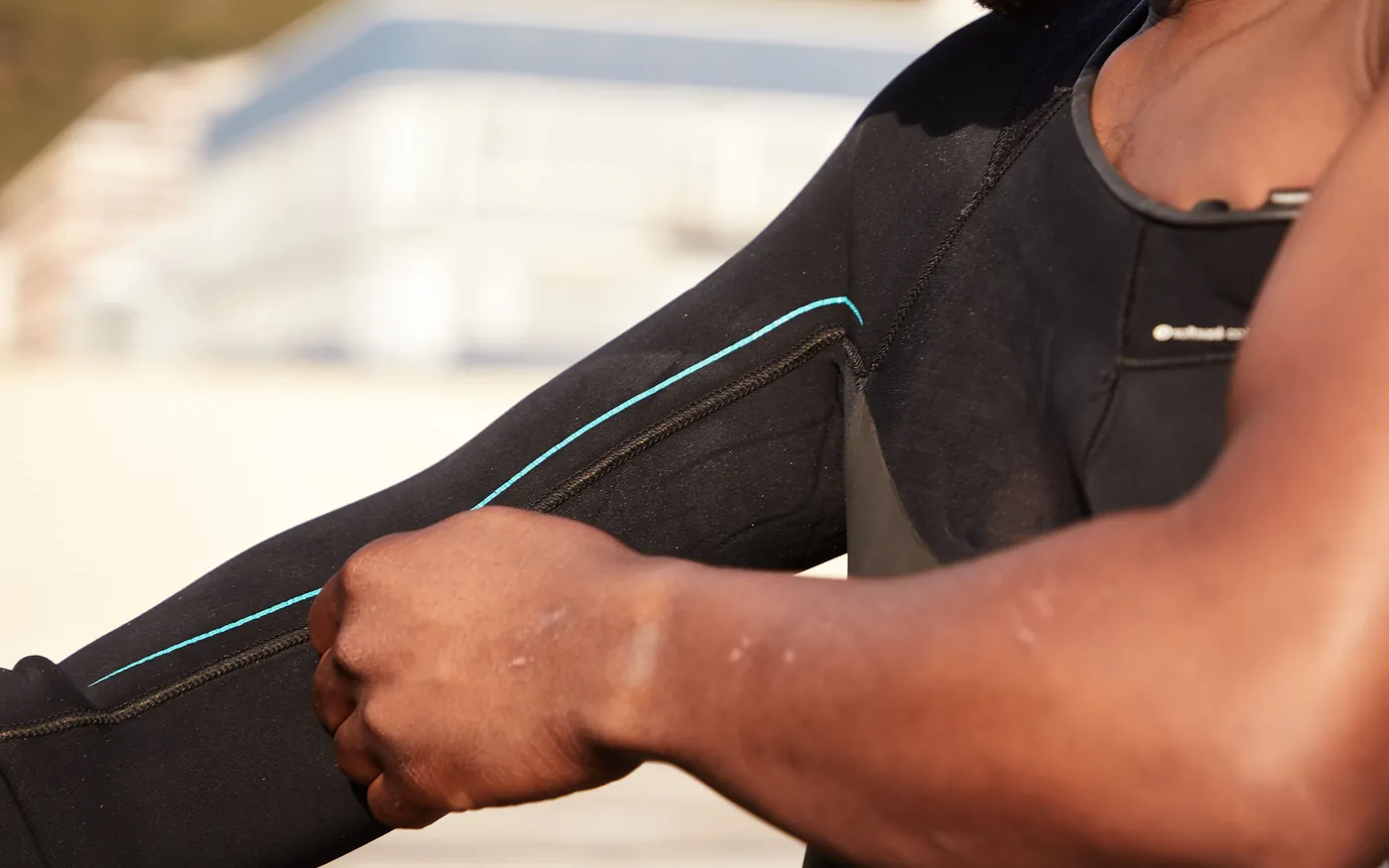
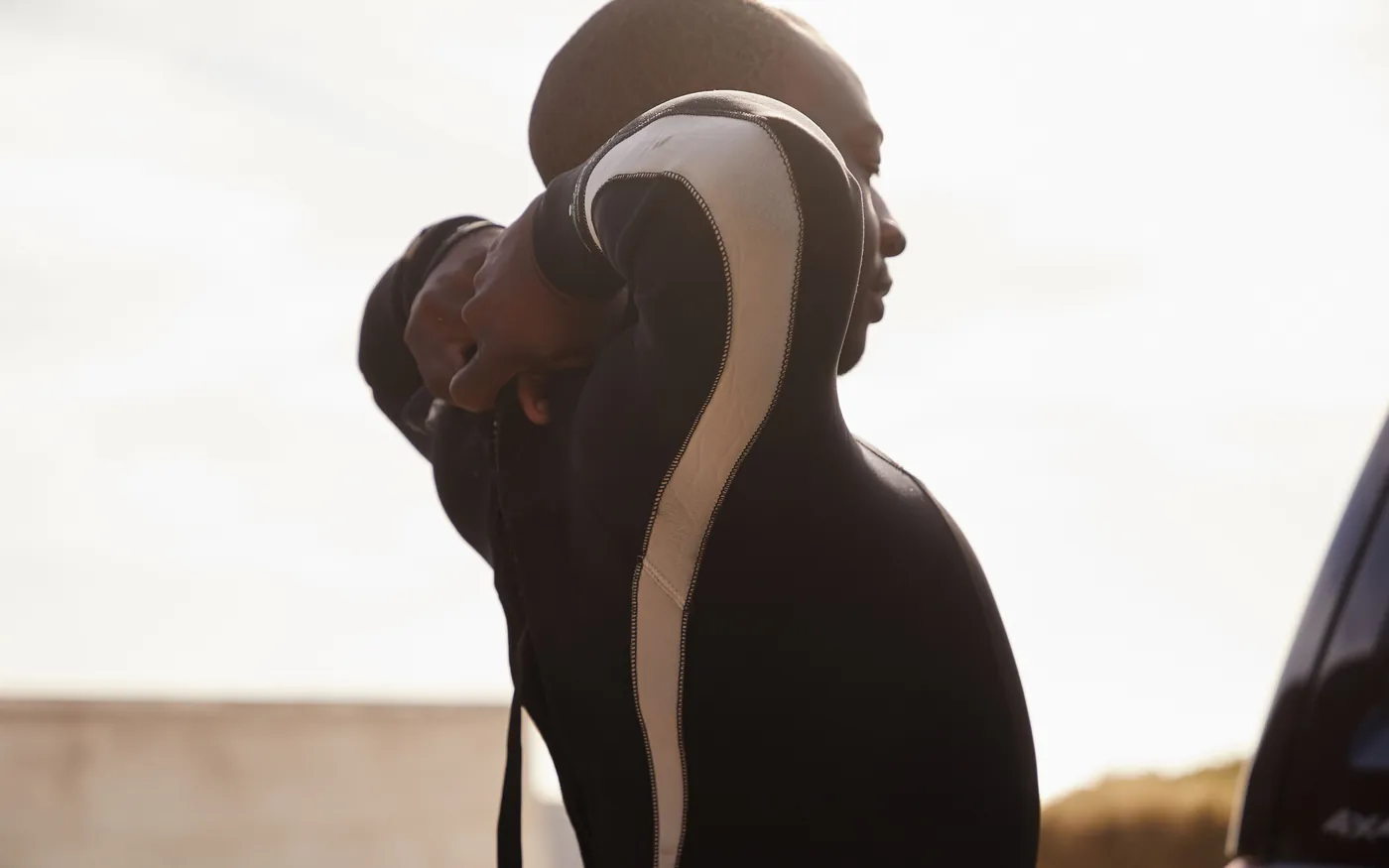
The most common mistake in buying exposure protection is treating it as a thickness decision. A 7 mm suit that gapes at the neck is colder than a 5 mm suit that fits.
Water moving through a wetsuit is what makes you cold, so the seal at the neck, wrists and ankles is doing most of the work. A suit should feel snug enough to be slightly awkward to put on and still let you reach across your chest and lift both arms over your head.
Drysuits are fussier again, because the seals are the whole design. Neck and wrist seals have to be close without restricting you, and boot size has to match the socks you will actually wear underneath.
- Check the neck first. A loose neck flushes the whole suit.
- Try the full range of movement, not just standing still in it.
- Wear the undergarment you will dive when trying a drysuit.
- Do not size up for comfort. A loose suit is a cold suit.
This is the part that does not work by mail order, and the reason the shop fits suits in person.
Which one for this coast
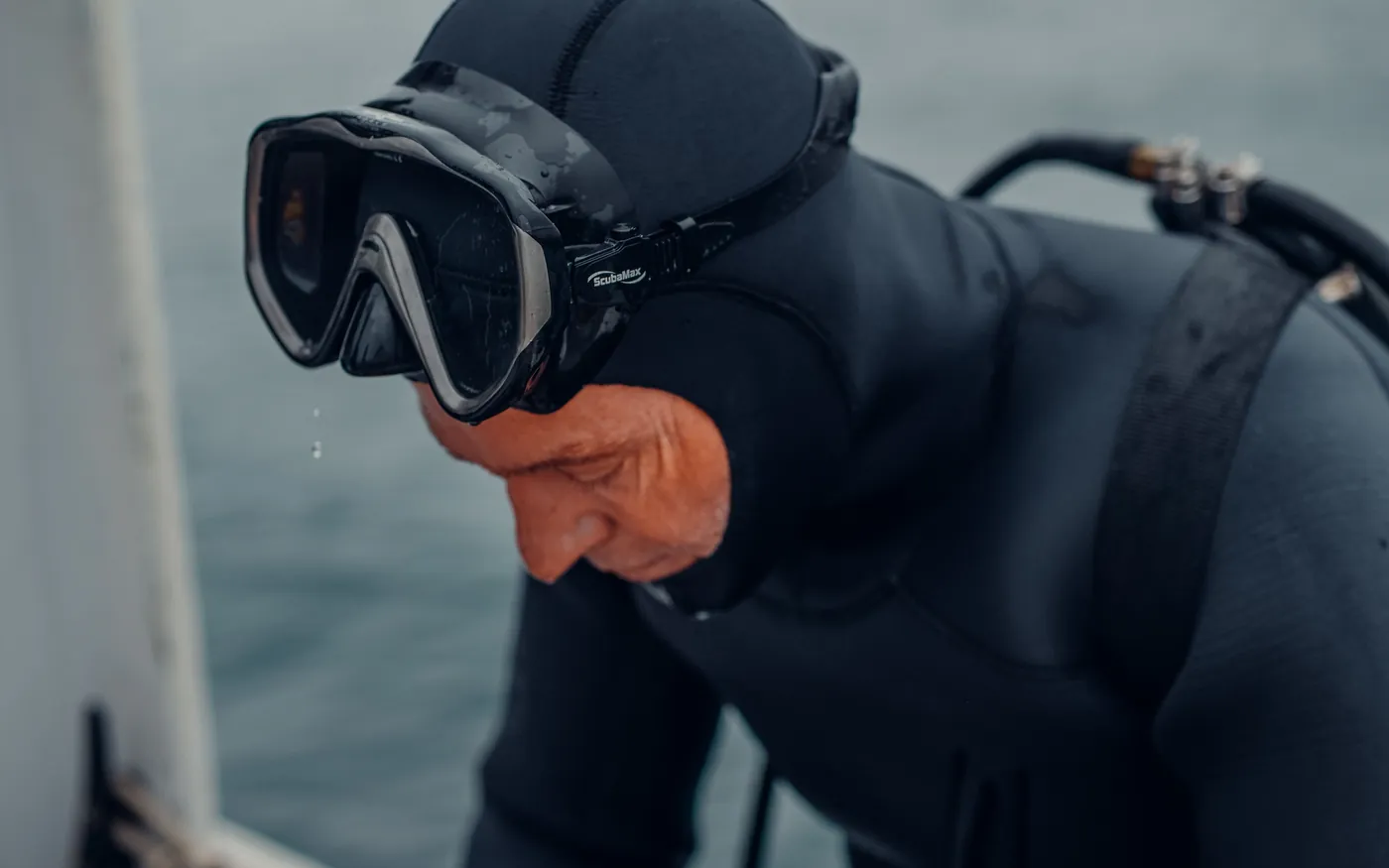
For New England the honest answer depends less on the calendar than on how much diving you intend to do.
- Stay in a wetsuit if you dive mainly in the warmer months, do one dive at a time, and are still working out how much you will use it. A 7 mm with hood and gloves covers the season here.
- Move to a drysuit if you want to dive year-round, do repetitive dives, or find you are cutting dives short because you are cold rather than low on gas.
- Rent before you buy either. A suit that fits badly is worse than one a grade thinner that fits well.
The last point is the practical one. Our rental range includes wetsuits with hood and gloves, which is the cheapest way to find out what you actually need before committing to a size and a thickness.
Before you decide
If you have not certified yet, this decision is further away than it looks — exposure protection is included while you work through the Open Water Diver course, so you can borrow the shop’s judgement before spending anything.
If you are already diving and the cold is what limits you, the sites in our guide to shore diving in New England are shallow enough that a good wetsuit still works for most of the year. Whichever you choose, keep the rest of your kit in order — our note on how often a regulator needs servicing covers the interval that catches most people out.
Frequently asked questions
At what temperature should I switch to a drysuit?
A common rule of thumb is to start considering one below about 60 °F. That is a starting point rather than a rule — how long you stay in, how many dives you do in a day and how you personally handle cold all move the line.
Do I need a course to use a drysuit?
Yes, and it is not a formality. A drysuit adds an air space you have to manage, so weighting and buoyancy work differently from what you learned in a wetsuit. Training is the difference between a comfortable dive and an uncontrolled ascent.
Can I just wear a thicker wetsuit instead?
Up to a point. Past roughly 7 mm the suit becomes hard to move in and hard to weight, and it still compresses at depth. Thicker neoprene solves the shallow end of the problem and not the deep end.
Is a drysuit warmer on its own?
No — the undergarment does the insulating and the suit keeps it dry. That is why one drysuit covers several seasons: you change the layers underneath rather than buying another suit.
What maintenance does a drysuit need?
Seals perish and get replaced, zippers need cleaning and lubricating, and leaks want finding early. It is more upkeep than a wetsuit, which mostly needs rinsing. We service suits and gear at the shop.
Get fitted before you buy
Suits are a fit decision before they are a price decision. Come into the shop in Hampton Falls and try the options against the diving you actually do.