
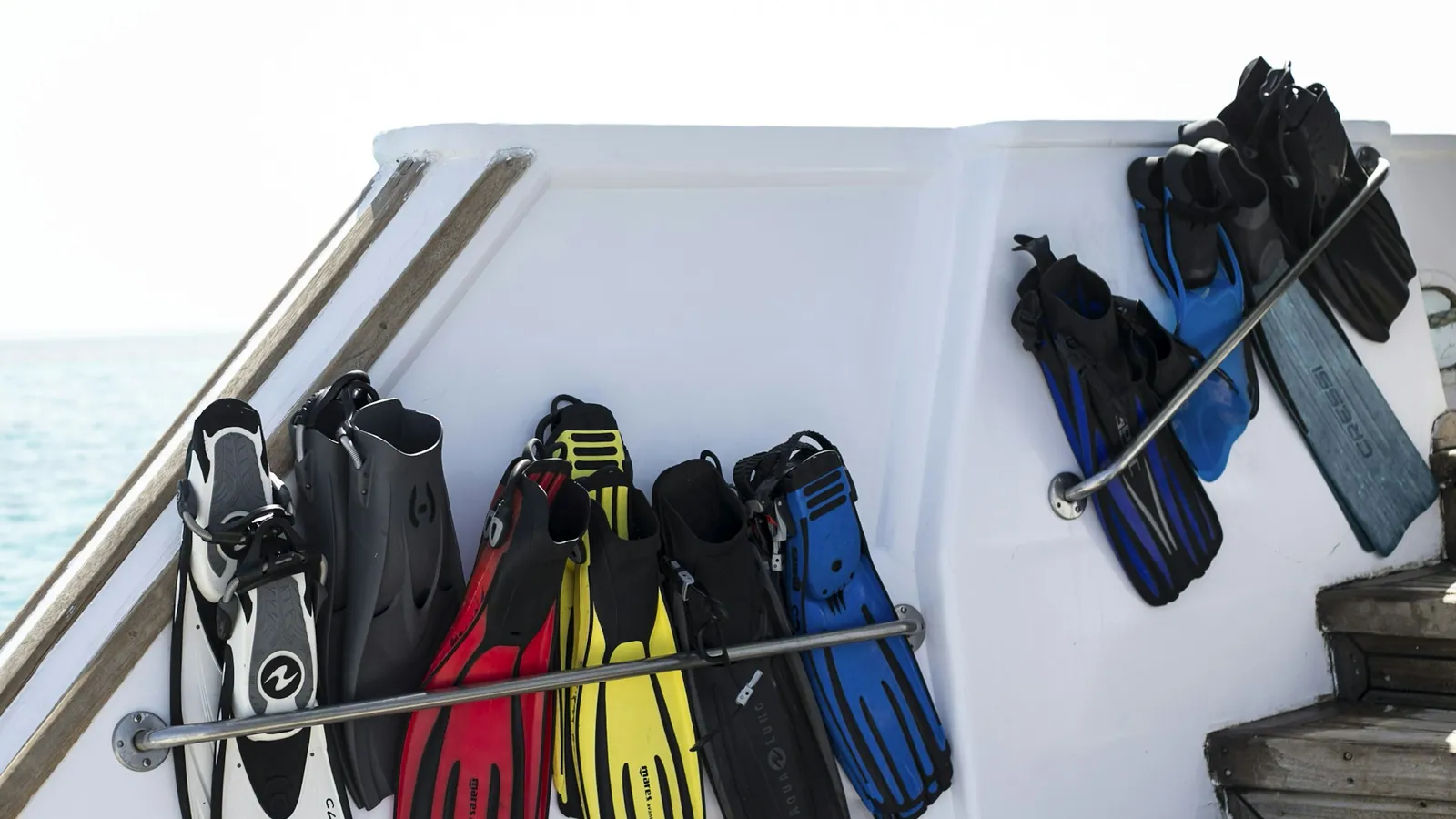
The useful split is not cheap against expensive. It is gear that has to fit you against gear that just has to work. Buy the first kind early and rent the second kind for longer than you think.
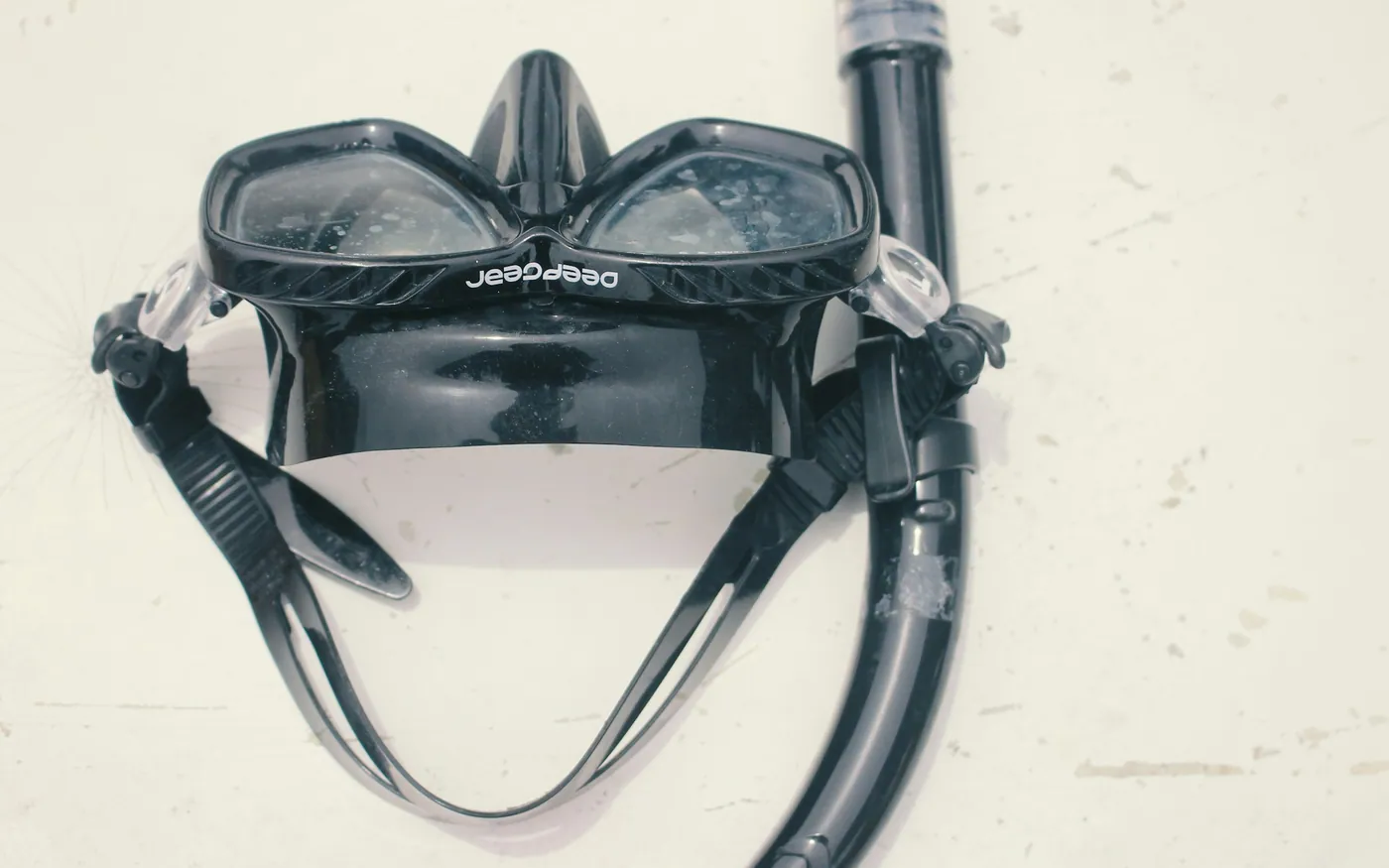
Why fit decides the order, not price
Almost every guide to buying dive gear is organized by cost. That is the wrong axis, because it puts the mask — the item that ruins a dive when it is wrong — at the bottom of the list.
A regulator that is not yours works perfectly well as long as it has been serviced. A mask that is not shaped like your face leaks for the entire dive, and no amount of servicing fixes that.
Which is why courses here are set up the way they are: the BCD, regulator, tank and weights come with the course, and you supply mask, fins and snorkel. That split is not an accident, and it is a good model for the first few years.
What renting actually costs
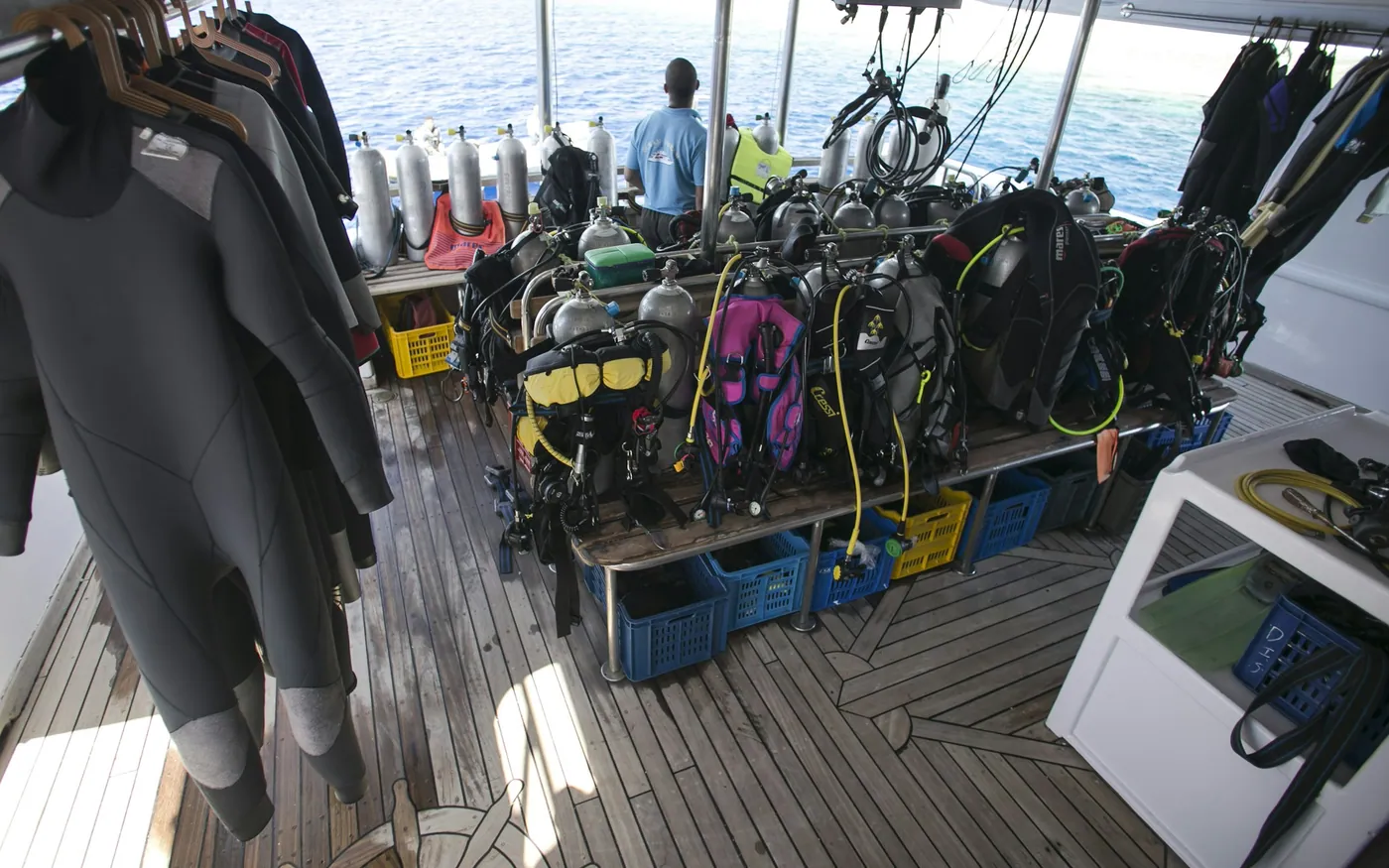
Real numbers make this decision much easier, so here are ours rather than a national average.
| Item | 1 day | Weekend |
|---|---|---|
| Regulator | $15 | $25 |
| BCD | $15 | $20 |
| Wetsuit, 7 mm | $20 | $30 |
| Tank | $15 | $20 |
| Weights | $5 | $10 |
| DDValue package — all of the above, with hood and gloves | $65 | $120 |
Note what the package does to the arithmetic. Renting the five items separately comes to $70 for a day; the package is $65 and adds a hood and gloves.
The break-even, worked out
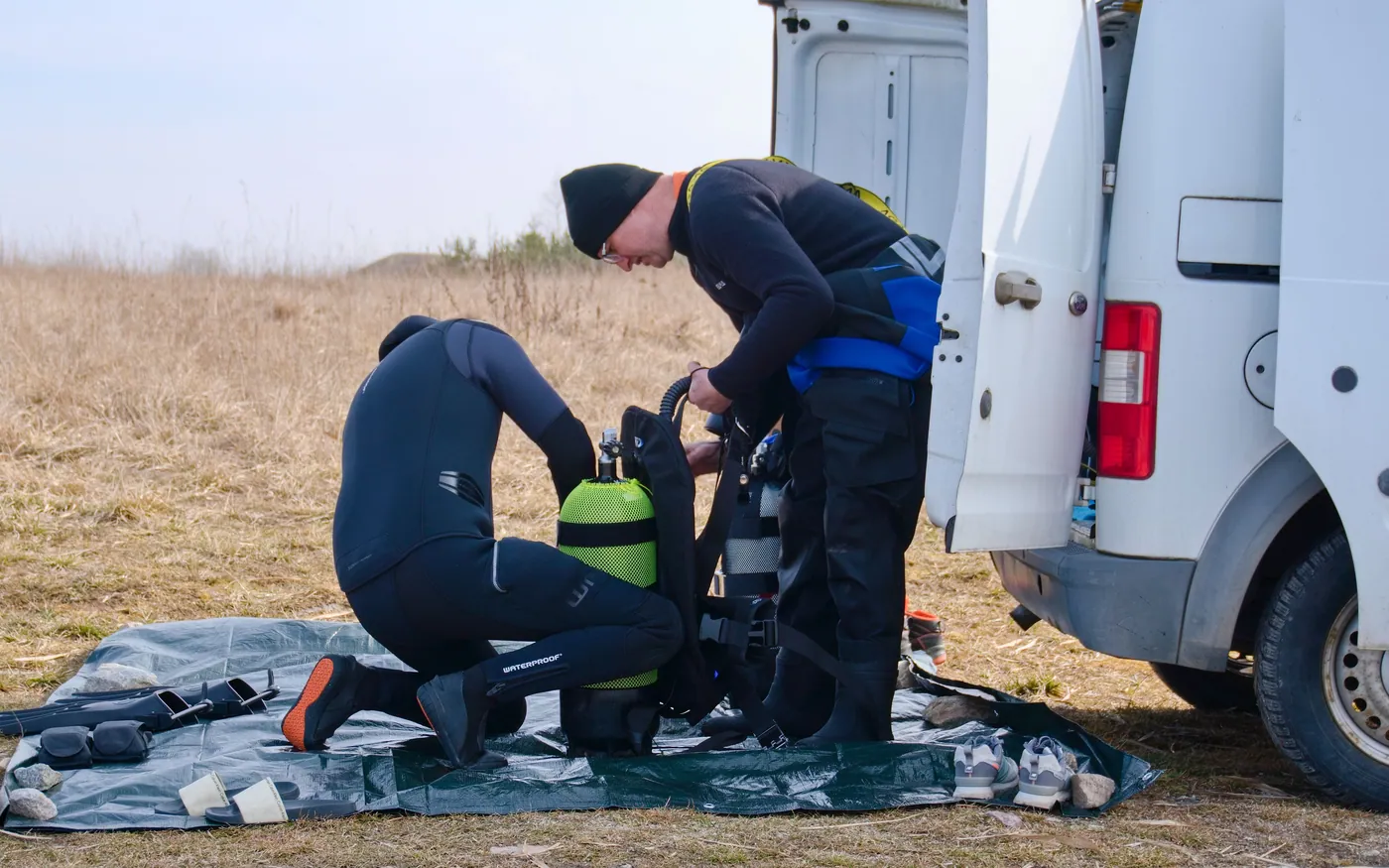
The honest way to do this is to work out what you would spend renting, then hold that figure against whatever you are considering buying.
| Diving days a year | Annual rental cost | Over three years |
|---|---|---|
| 4 — a vacation and a weekend | $260 | $780 |
| 8 | $520 | $1,560 |
| 12 | $780 | $2,340 |
| 20 — a committed local season | $1,300 | $3,900 |
The industry rule of thumb is that owning starts to pay from roughly eight to ten dives a year, and that about three years of renting approximates the cost of owning. Our rates put the same crossover in the same place.
Below about eight dives a year, renting is not the compromise. It is the correct answer.
PADI has a breakdown of what each piece of dive equipment typically costs if you want purchase figures to set against the rental column.
The buying order that actually works
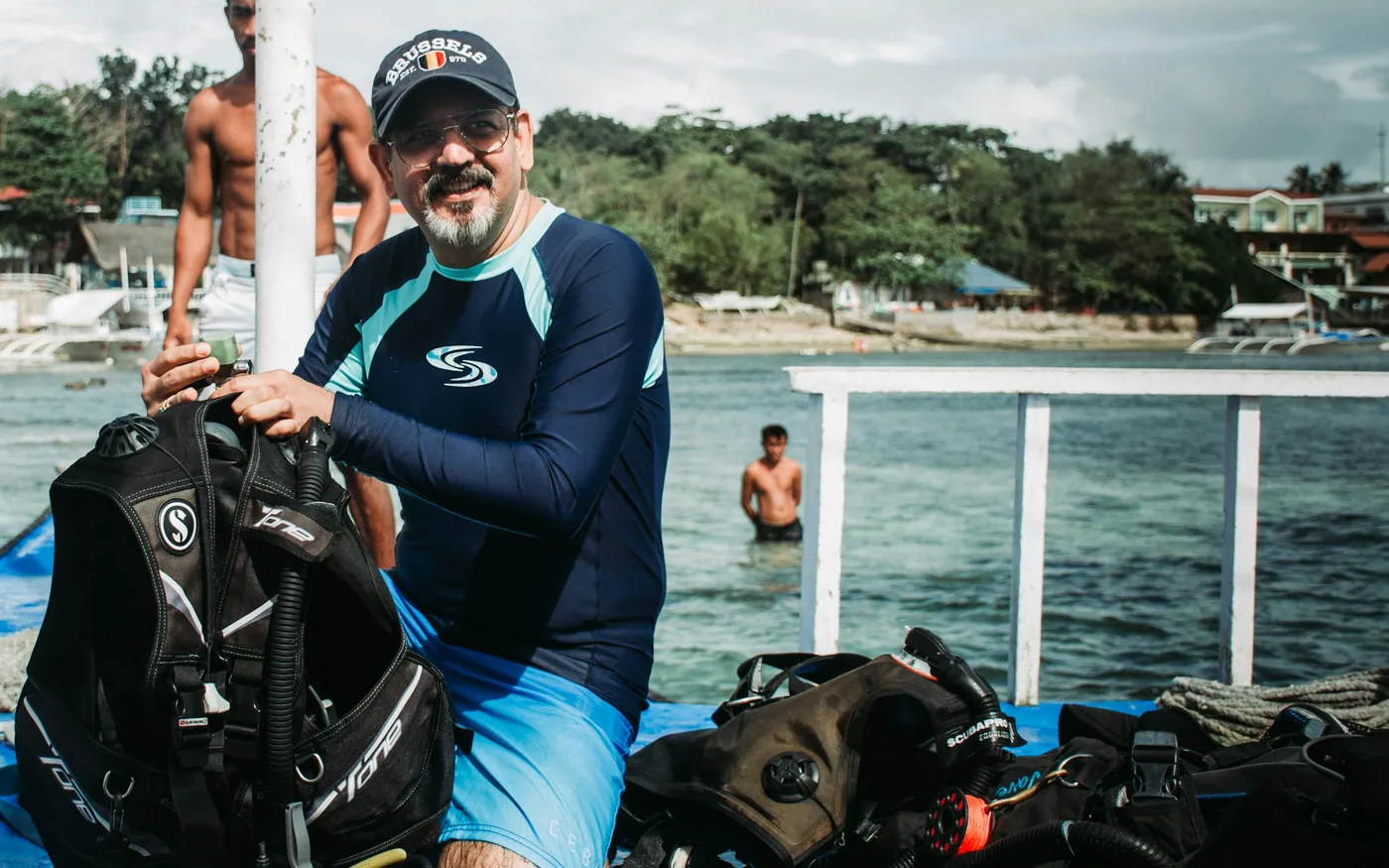
If you are going to build a kit, build it in this order. Each step buys you more comfort per dollar than the one after it.
- 1. Mask, fins and snorkel. Typically $150–$250 for the set, and the single biggest comfort improvement available to a new diver.
- 2. Exposure protection. A suit that fits you properly is worth more than a thicker one that does not — see our comparison of drysuits and wetsuits.
- 3. A dive computer. The first item where owning genuinely beats renting, because it carries your own dive history.
- 4. Regulator and BCD. The expensive pair, and the ones rental handles best. Buy these when you are diving enough that the rental line is annoying you.
- 5. Cylinders. Last, and only if you dive locally often. They need testing and inspection on a schedule, which is a cost of ownership people forget.
What owning actually commits you to
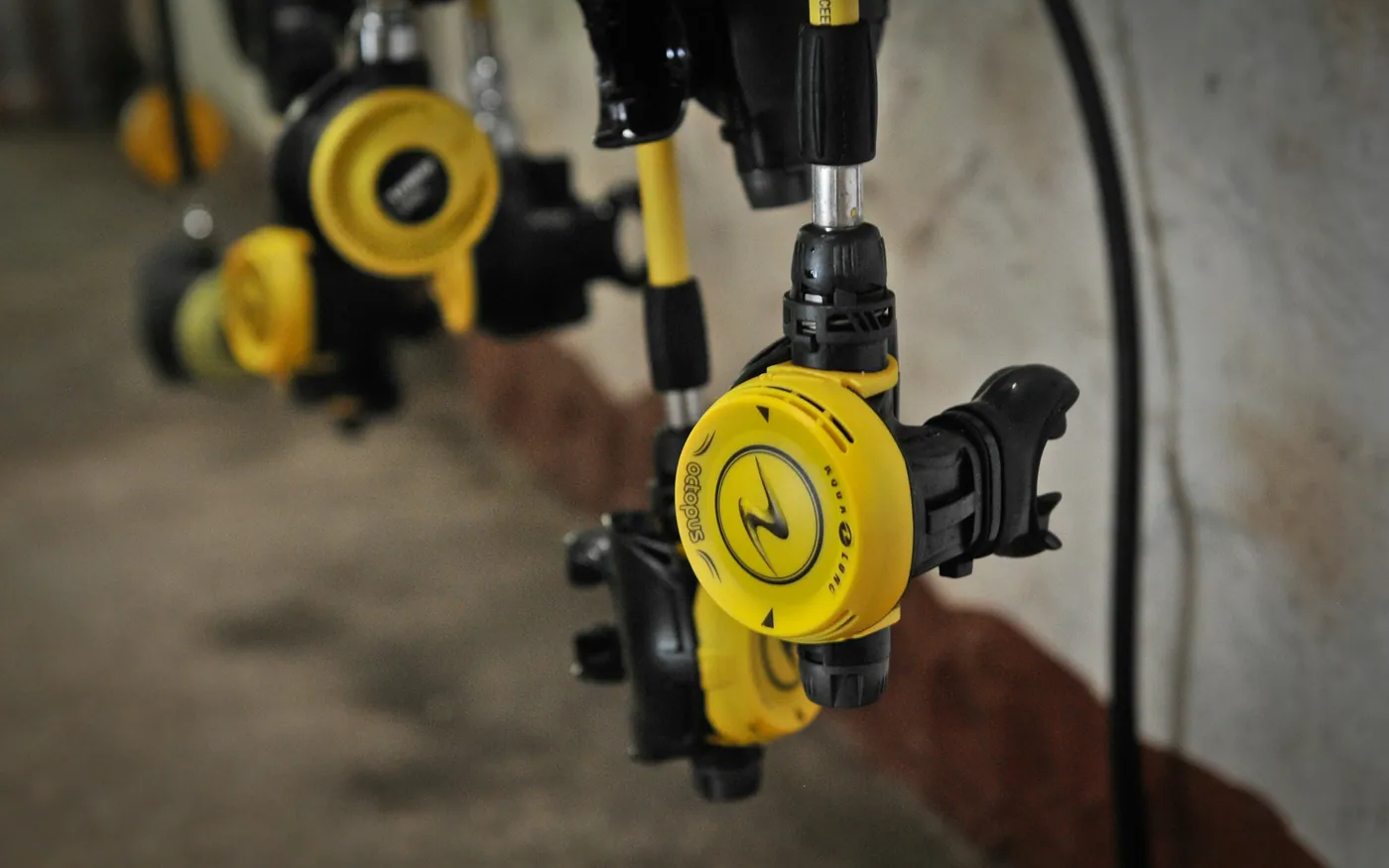
The purchase price is the part everyone compares. The running cost is the part that decides whether owning was a good idea.
A regulator needs servicing on the manufacturer’s schedule whether or not you used it, because seals dry out and lubricants break down on a calendar rather than on a dive count. Cylinders need an annual visual and a hydrostatic test every five years. Suits need rinsing, storing properly and eventually replacing.
None of that is a reason not to buy. It is a reason to buy in order, and to know that the servicing side is part of what you are signing up for.
There is one more entry that belongs on the running-cost side, and it is the one people are most surprised by: storage and drying space. A full set of gear needs somewhere to hang and dry properly after every dive, and neoprene left damp in a bag does not last. It is a small thing that quietly decides whether owned gear reaches its expected lifespan or half of it.
When renting wins even if you own everything
Owning a full kit does not retire the rental counter. Experienced divers use it more than beginners expect, for three fairly specific reasons.
The first is travel. A full set of gear is heavy and awkward, and airline excess baggage on a single trip can cost more than renting at the destination for the week. Most traveling divers carry mask, computer and sometimes a regulator, and rent the bulky items.
The second is trying before upgrading. Renting a different BCD for a weekend is a cheap way to find out whether you actually prefer it before you replace one that works.
The third is servicing. Gear goes in for service during the season, and a weekend rental is what stops that becoming a lost weekend — the same logic as the loaner tanks that cover a hydrostatic test.
So which should you do?
If you have just certified, rent almost everything and buy the things that touch your face. If you are diving most weekends of the season, own the things you use every time and stop thinking about it.
Most divers sit between those two for a few years, which is exactly what the rental counter is for. If you are not certified yet, none of this is urgent — our guide to learning to scuba dive in New Hampshire covers what is included before you spend anything at all.
Frequently asked questions
What should I buy first?
A mask, and then fins and a snorkel. They are the cheapest items and the ones where fit matters most, which is why courses ask you to supply them and why our rental range starts at the regulator instead.
How many dives a year makes buying worthwhile?
Somewhere around eight to ten is the usual crossover, and at our rates a full rental package costs $65 a day. Ten days of diving is $650 a year, which is the number to hold against whatever you are thinking of buying.
Is renting a regulator safe?
Rental regulators are serviced to manufacturer requirements, and ours are Sherwood or ScubaPro — the two brands we sell and service. A well-maintained rental is safer than a privately owned regulator that has not been looked at in three years.
Do I need my certification card to rent?
For tanks, or any package that includes a tank, yes — along with a valid state or federal ID. We cannot release cylinders without it.
Does it make sense to buy gear before certifying?
Usually not, beyond mask, fins and snorkel. Your course already includes the BCD, regulator, tank and weights, so buying early means spending before you know what you like.
Try it before you buy it
The cheapest way to find out what suits you is to rent it for a weekend. Come into the shop in Hampton Falls and we will fit you properly.