
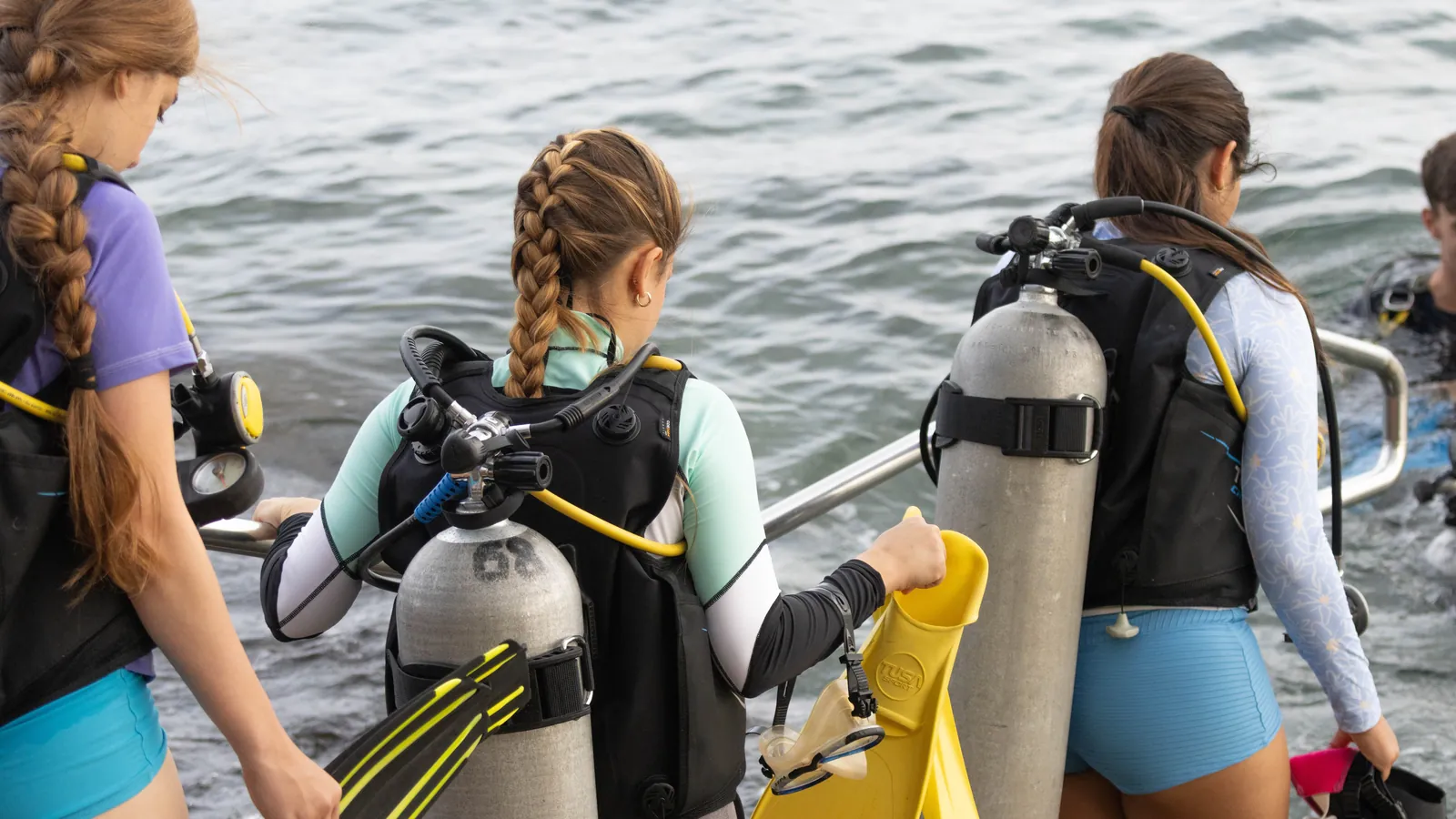
You can certify in New Hampshire year-round. The theory and pool sessions run through the winter; only the open water dives wait for the season.
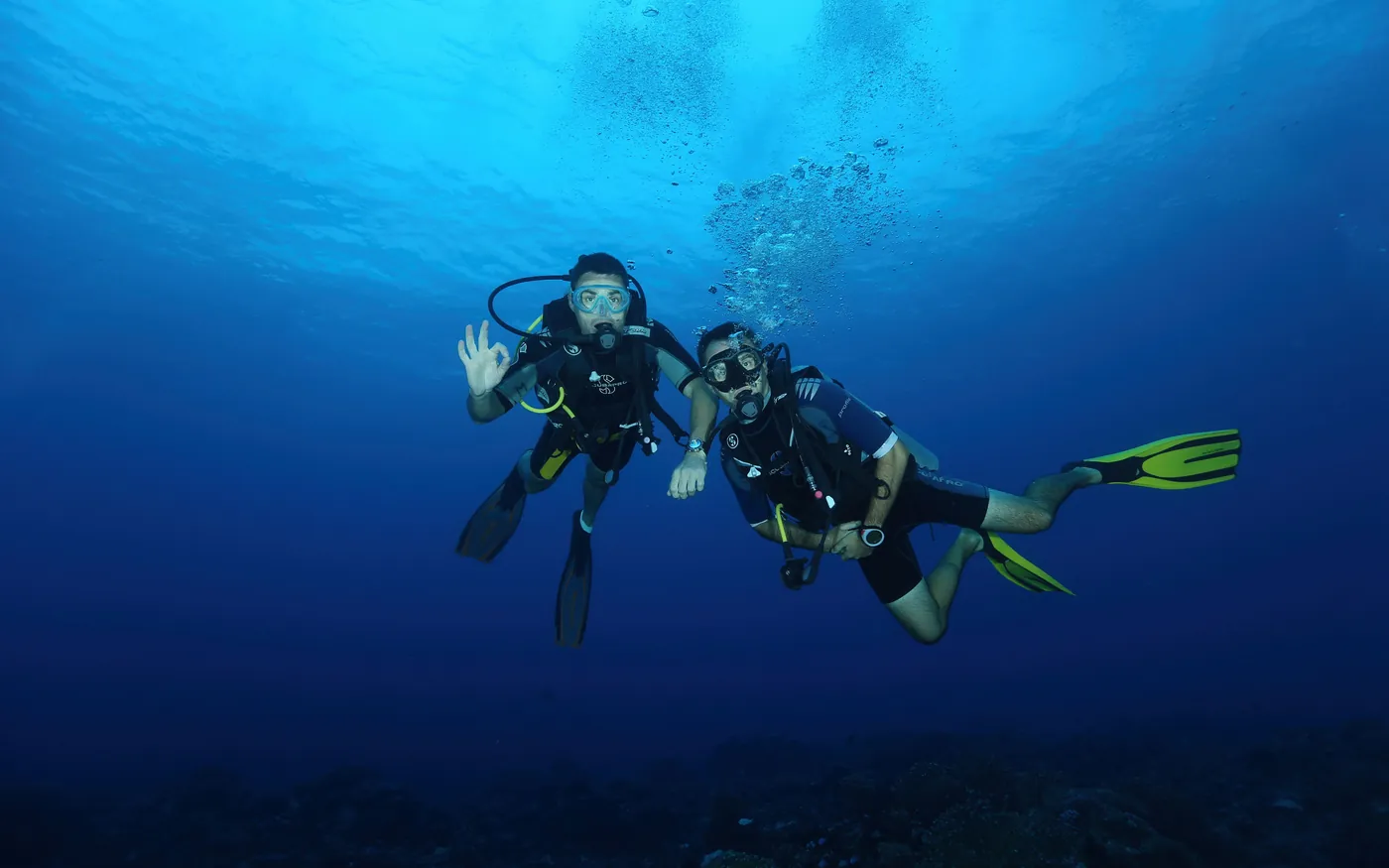
What certifying here actually involves
Learning to dive on the Seacoast is not the same as learning in the Caribbean, and the difference is worth knowing before you book. The course is identical; the water is not.
You do the theory at home, the skills in a pool at the shop, and the four certification dives in cold Atlantic water with limited visibility. That last part is what makes New England divers good.
| Phase | Where | When |
|---|---|---|
| Knowledge development | Online, at home | Any time — about five hours |
| Confined water dives | The pool at the shop | Year-round |
| Open water dives | The coast | Scheduled in season, over two days |
The cold is the point, not the problem
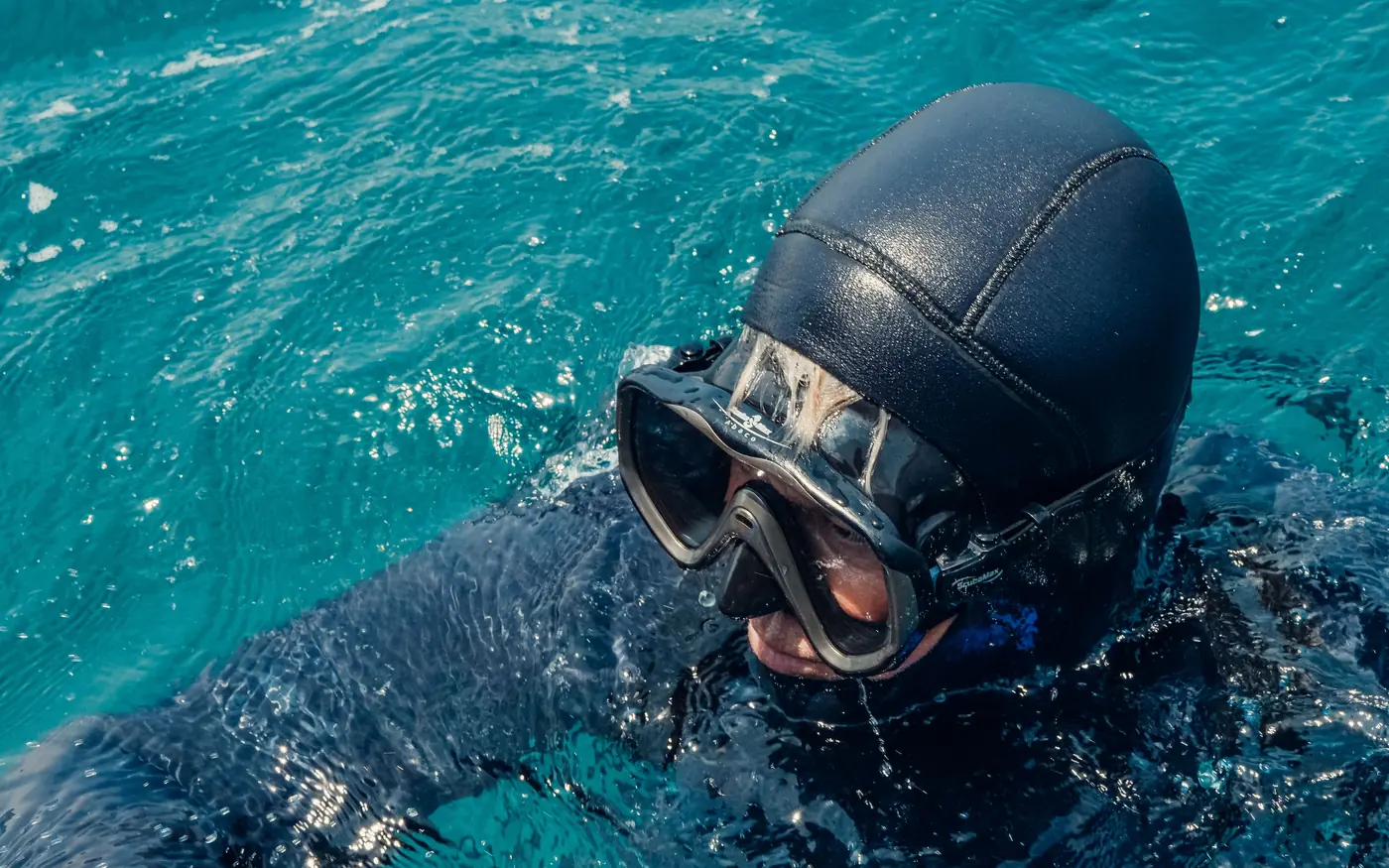
New divers worry about the temperature. In practice the exposure protection handles it, and the shop fits you before you get in.
What the cold really changes is the standard you are held to. Buoyancy in a 7 mm suit with gloves on is harder than buoyancy in a rash guard, so a diver certified here arrives in warm water already competent.
Certify in cold water and tropical diving feels easy. It does not work the other way around.
How long it takes
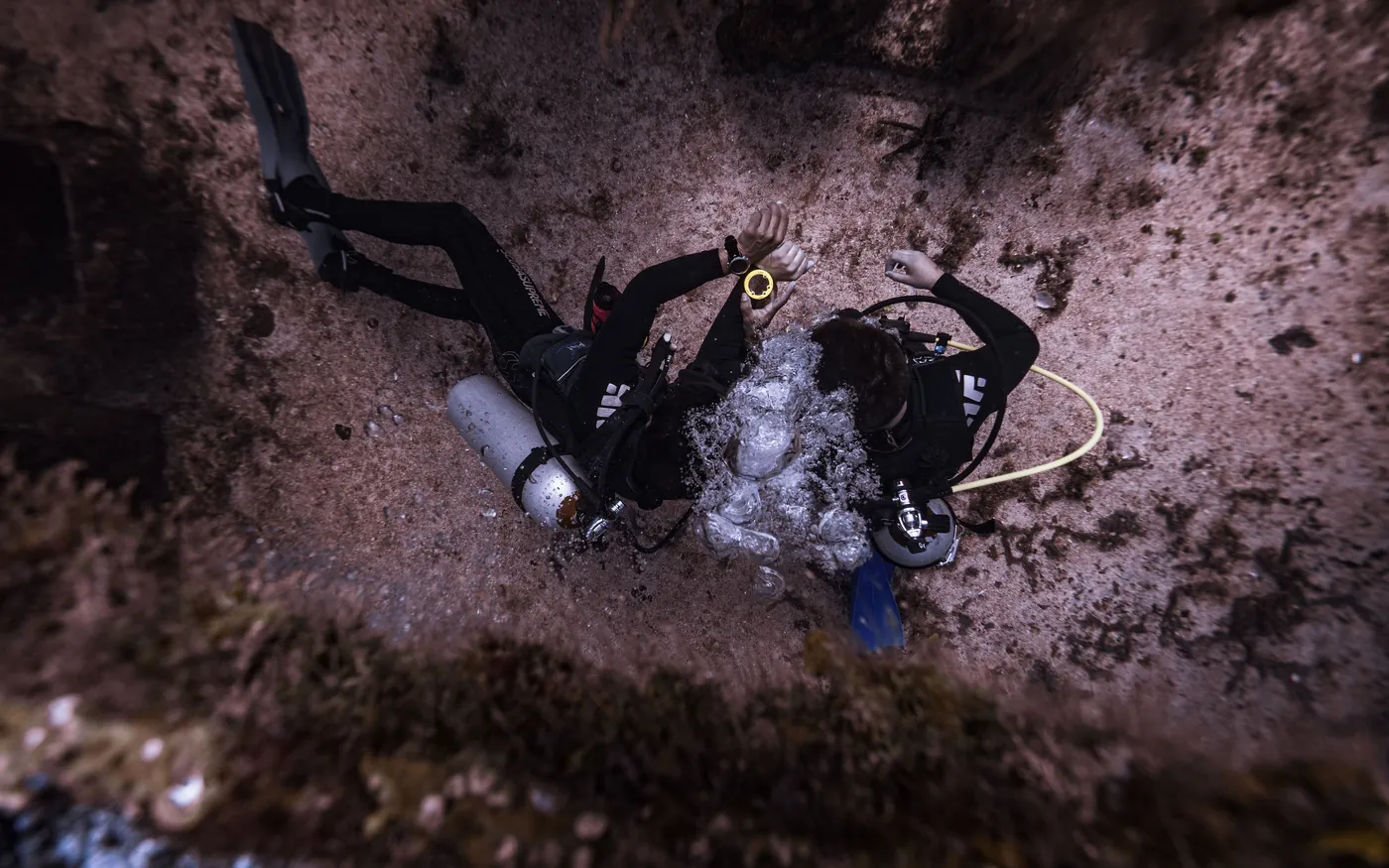
The honest answer is that it depends entirely on you, because two of the three phases run on your schedule rather than a timetable.
- The eLearning takes roughly five hours, done whenever suits you.
- The pool sessions are booked with an instructor and run year-round.
- The open water dives are four dives, usually over two days, and are the part that waits for weather and tides.
People who want it done fast can finish in a handful of days. People who start the theory in January and dive in May are just as normal here.
What the shop provides, and what you bring
Course fees here include the scuba equipment you have not bought yet. The buoyancy compensator, regulator, tank and weights all come with the package, and there is nothing else to rent in order to get certified.
What you are asked to supply is the personal kit — mask, fins and snorkel. There is a practical reason for that. A mask that fits your face is the single biggest comfort difference in cold water, and a rented one rarely fits anyone properly. The shop fits masks in person for exactly this reason.
If you are unsure what to buy before the course starts, ask first. It is a short conversation, and it stops people spending money on gear they will replace after their first season, and the shop will fit you and help you use it during the session.
Which route to take
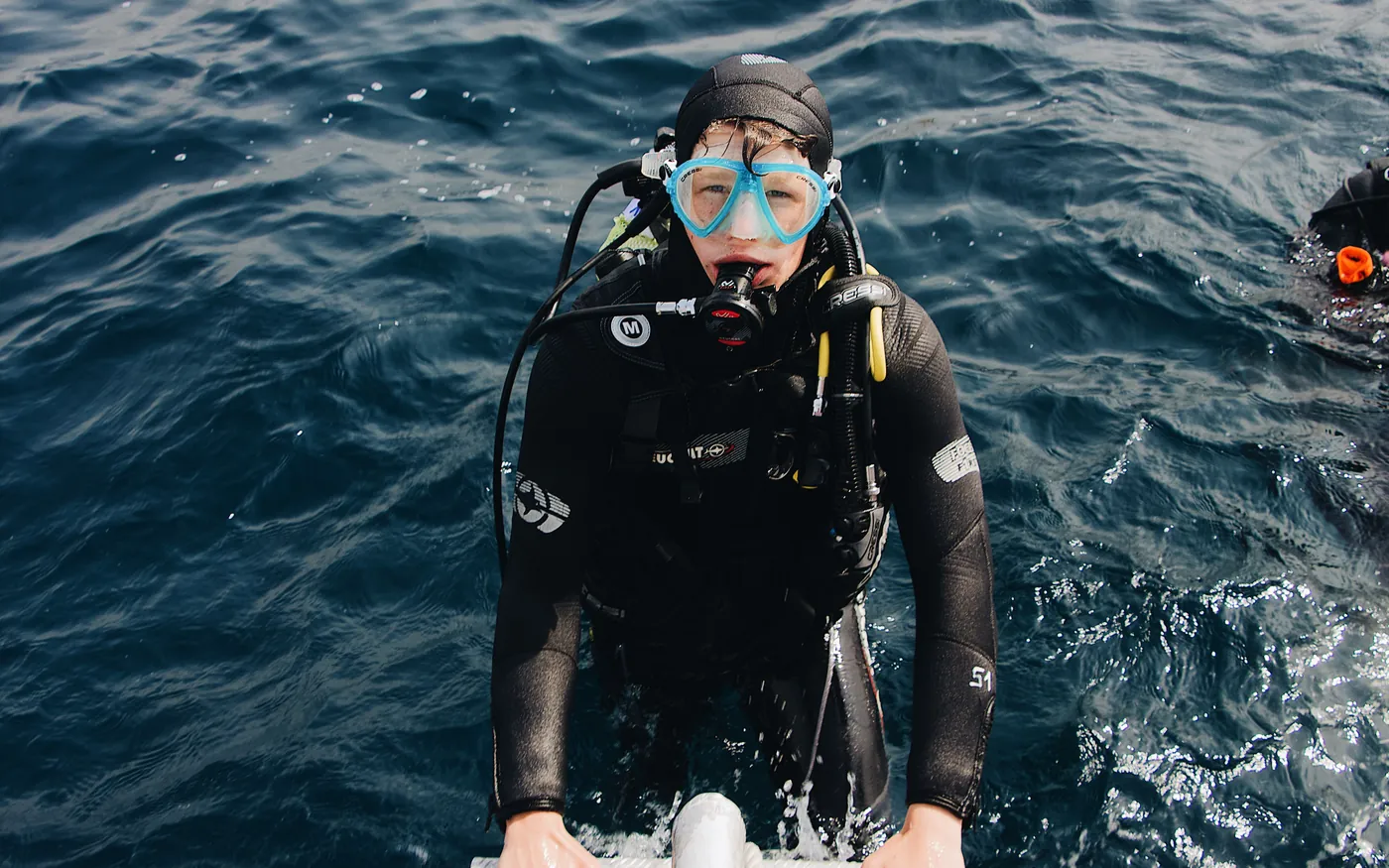
There are three ways in, and the right one depends on how certain you already are.
| Option | What it is | Best if |
|---|---|---|
| Discover Scuba Diving | A supervised pool session, no certification | You are not sure you will like it |
| All-In Combo | Everything, in one package | You know you are doing it |
| eLearning & Confined | Theory and pool now, dives later | You want to start in winter |
The full breakdown, including what is and is not included, is in our guide to what scuba certification actually costs.
What the certification actually lets you do
It is worth being clear about what you are buying, because the card is more useful than most new divers expect and less unlimited than a few of them hope.
An Open Water certification qualifies you to dive with a buddy, without an instructor, to a maximum of 60 feet, in conditions similar to those you trained in. That last clause is the one that matters here: training in cold, dark water means a great many conditions count as similar.
It is also permanent and recognized worldwide. There is no renewal fee and no expiry date, though most agencies suggest a refresher if you have been out of the water for a year or more.
- Dive with a buddy anywhere in the world, to 60 feet.
- Buy air fills and rent equipment, which shops will not do without a card.
- Book onto charters and liveaboards that require certification.
- Continue to Advanced Open Water when you want to go deeper than 60 feet.
The practical effect is that the card turns diving from something you book with an instructor into something you simply go and do.
There is one more practical advantage to certifying at a local shop rather than on vacation. When something on your gear needs attention, or you want a refresher after a winter off, or you simply want to know whether the conditions are worth the drive on Saturday, there is a counter you can walk up to and ask. That is worth more in the first year of diving than most people expect.
Where you will end up diving
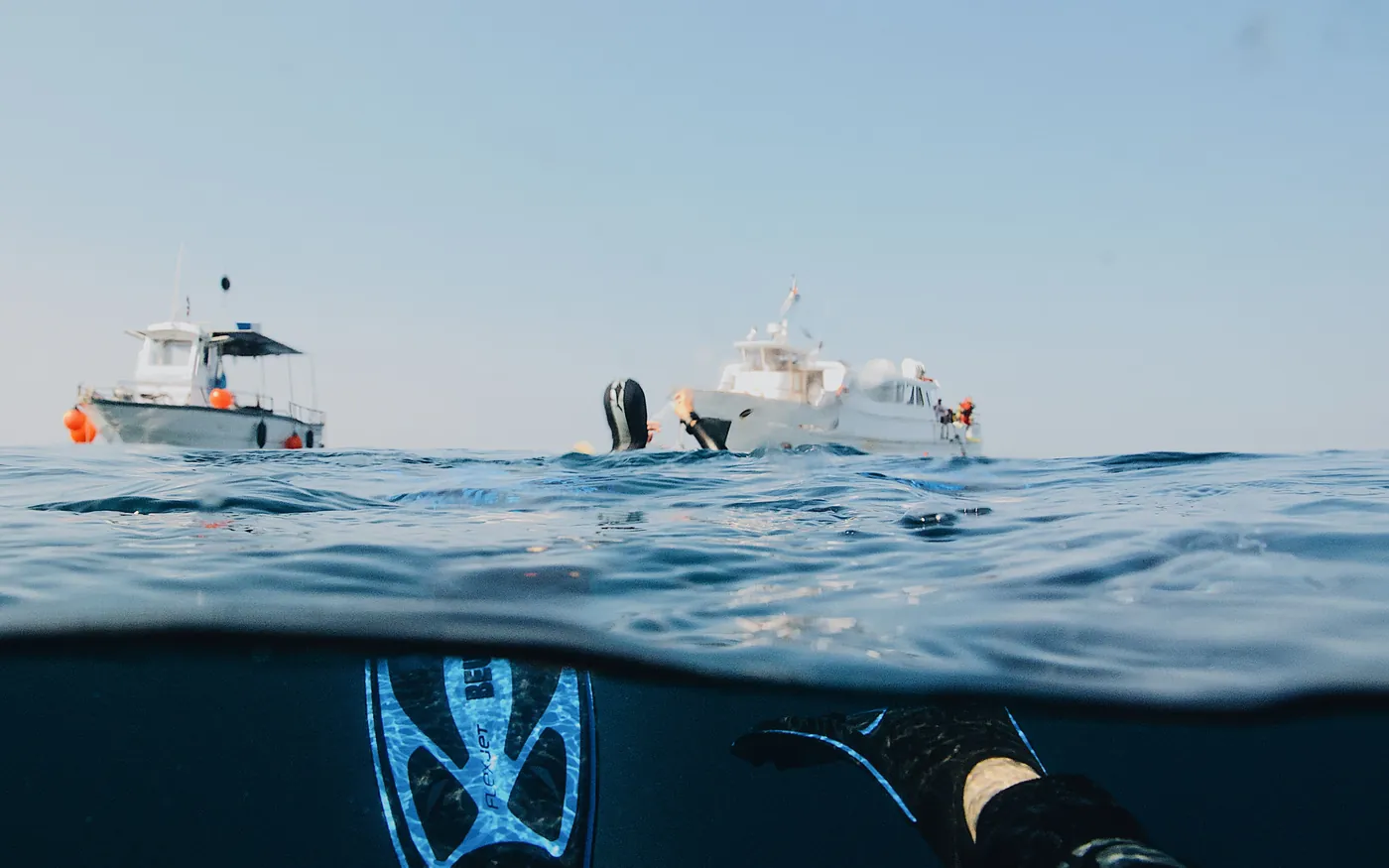
The reason to certify locally is that you can actually use it locally. Peirce Island in Portsmouth, Nubble Light just over the Maine line and Odiorne Point in Rye are all a short drive from the shop.
We have written up depths, visibility and tide notes for each in our guide to shore diving in New England. For a second view of the diving around Portsmouth, Scuba Diving Magazine has its own guide to the area.
If you would rather not organize your own dives at first, the shop runs local charters with certified divemasters, and rents everything you have not bought yet.
Frequently asked questions
Do I need to be a strong swimmer?
You need to be comfortable in water, not fast in it. Courses include a basic swim and a float, and neither is timed. If the water itself worries you, a Discover Scuba session is a gentler way to find out how you feel.
How cold is the water really?
Cold enough that exposure protection is not optional. A 7 mm wetsuit with a hood and gloves is the working minimum here. Below roughly 60 °F many divers start looking at a drysuit instead — we compare the two in our guide to drysuits versus wetsuits. Your pool sessions are warm; the open water dives are not.
Can I start in winter?
Yes, and plenty of people do. The eLearning and pool sessions run year-round at the shop, so you can have the theory and skills finished before the season opens and go straight to your open water dives in spring.
What if I only ever dive on vacation?
Then certify here anyway. A certification earned in cold, low-visibility water makes tropical diving feel easy — the reverse is not true.
How old do you have to be?
PADI sets minimum ages by course rather than by shop. Ask an instructor about the specific course you are considering, because the answer differs between Discover Scuba and full certification.
Start this season
Divers Den is a PADI Five Star shop in Hampton Falls, and has been teaching people to dive here since 1968. Ask an instructor what starting would look like for you.