
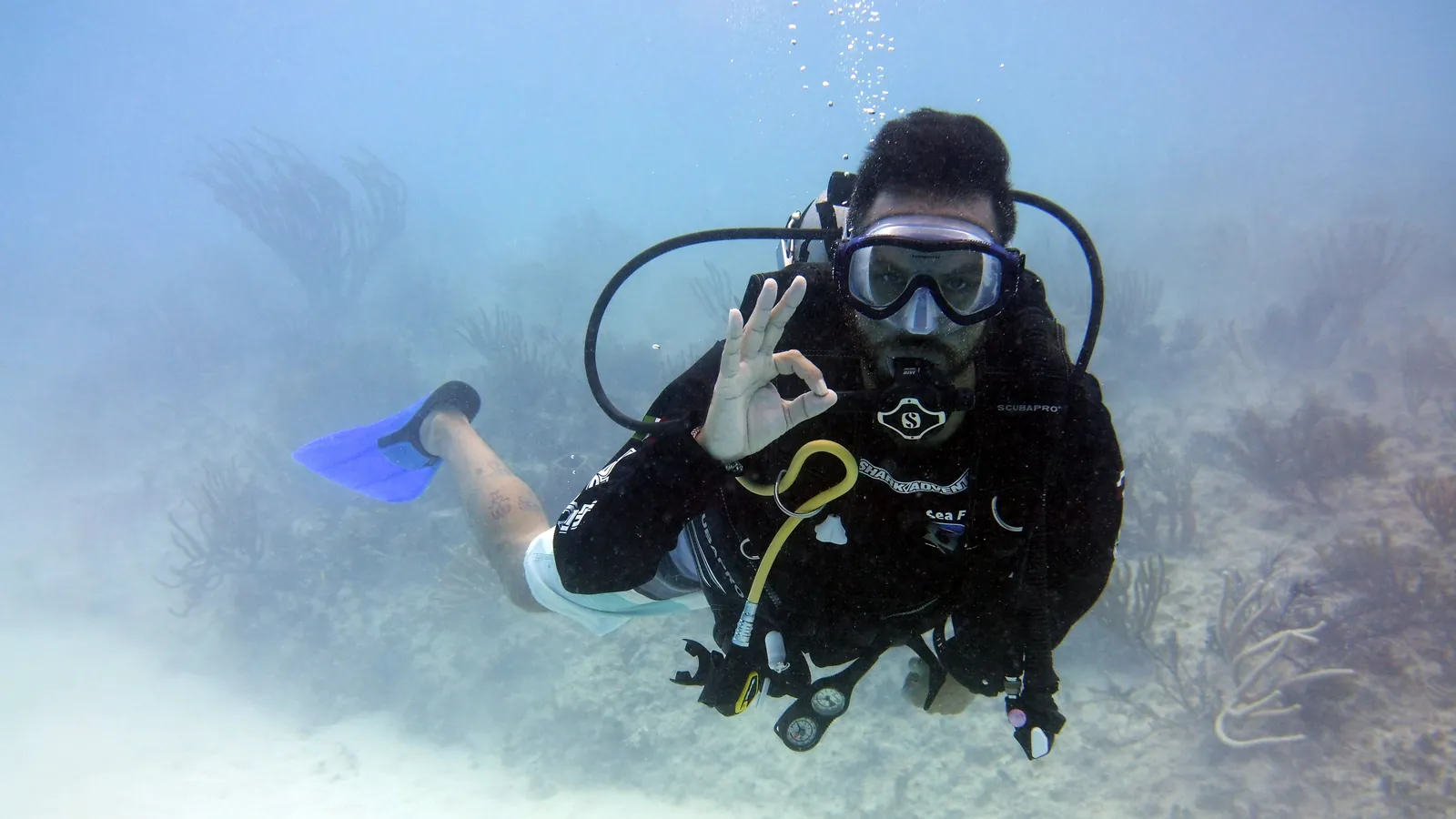
Expect $350 to $900 in the United States for a full open water certification. The range is wide because shops bundle very different things into the word “course”.

What you are actually paying for
Every recognized open water certification has the same three parts, and shops price them separately even when they sell them together.
- Knowledge development — the theory, usually PADI eLearning. Around five hours, done at home.
- Confined water dives — pool sessions where you learn the skills.
- Open water dives — four dives that actually certify you, normally over two days.
If a quote looks unusually cheap, it is almost always because one of those three is missing, or because gear is extra. That is the single most common reason two “$450 courses” end up $200 apart.
Real prices, not a range
Most guides stop at a national average. Here are the actual published figures at Divers Den in Hampton Falls, New Hampshire, so you can see how the arithmetic works in practice.
| What you buy | Price | What it covers |
|---|---|---|
| All-In Combo | $675 | eLearning, confined water dives and all four open water dives |
| eLearning & Confined Water | $475 | Theory plus pool sessions. Open water dives added later |
| Confined Dives Only | $325 | Pool sessions alone, for referrals or divers who already hold a code |
| eLearning on its own | $230 | The PADI theory code |
| Open water dives on their own | $275 | The four certification dives |
| Bought piecemeal | $830 | $155 more than the All-In Combo |
Bundling almost always beats assembling. What varies between shops is how much of the bundle is real.
What is included, and what is not
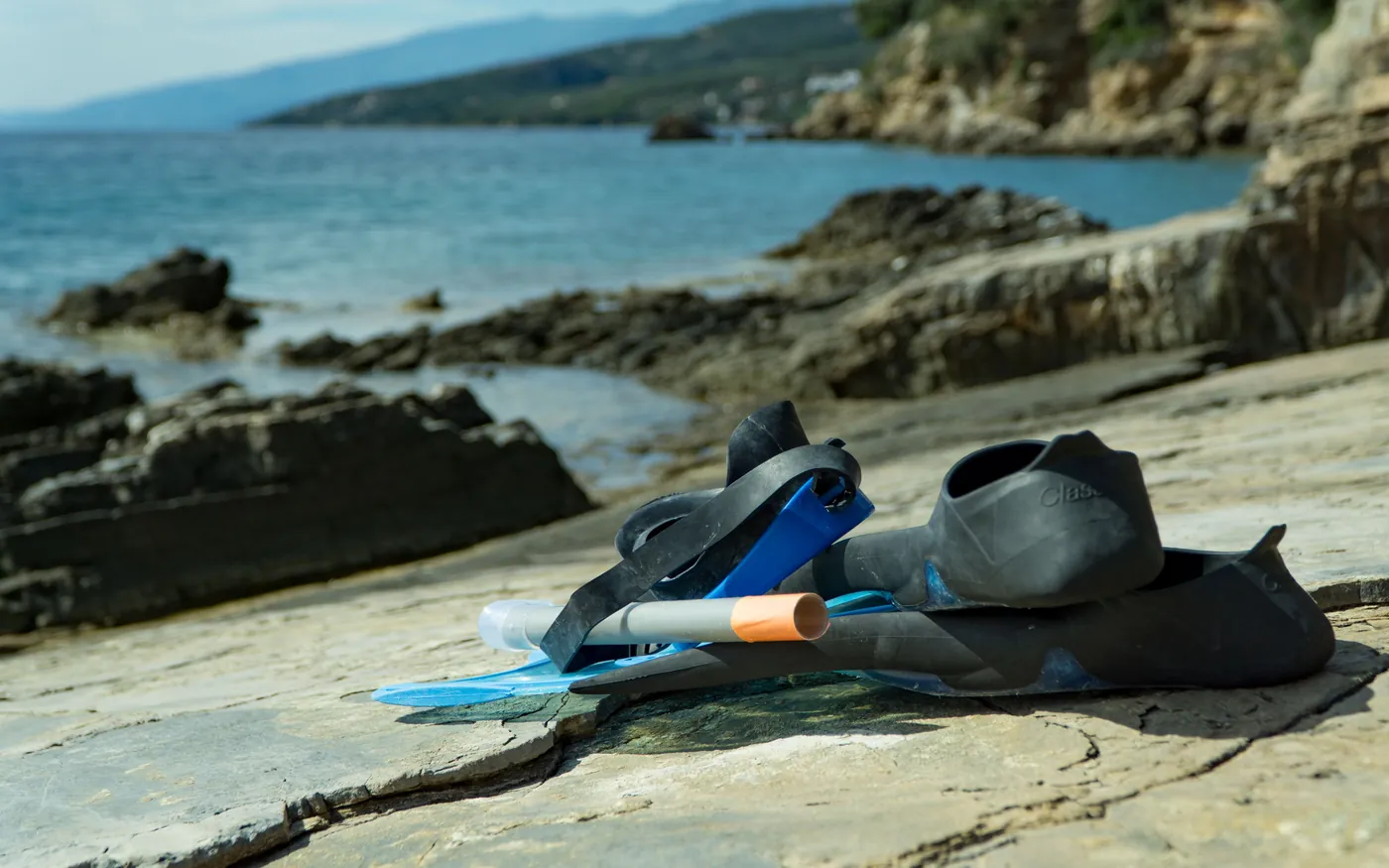
This is where quotes diverge most. A course that excludes equipment is not comparable to one that includes it, however similar the headline number looks.
| Item | Usually included | Notes |
|---|---|---|
| BCD, regulator, cylinder, weights | Yes | Standard in a full course package |
| Mask, fins, snorkel | No | Personal fit matters — most divers buy their own |
| Wetsuit for pool sessions | Usually | Ask, especially for cheaper quotes |
| Exposure suit for cold water | Varies | A 7 mm suit, hood and gloves in New England |
| Boat charter for open water dives | Often not | Frequently paid to the operator directly |
| Certification card processing | Varies | Commonly $15–$45 if charged separately |
Before booking anywhere, ask one question: what will I pay in total, from today until the card arrives? A clean answer tells you a lot about a shop.
The cold-water costs nobody quotes
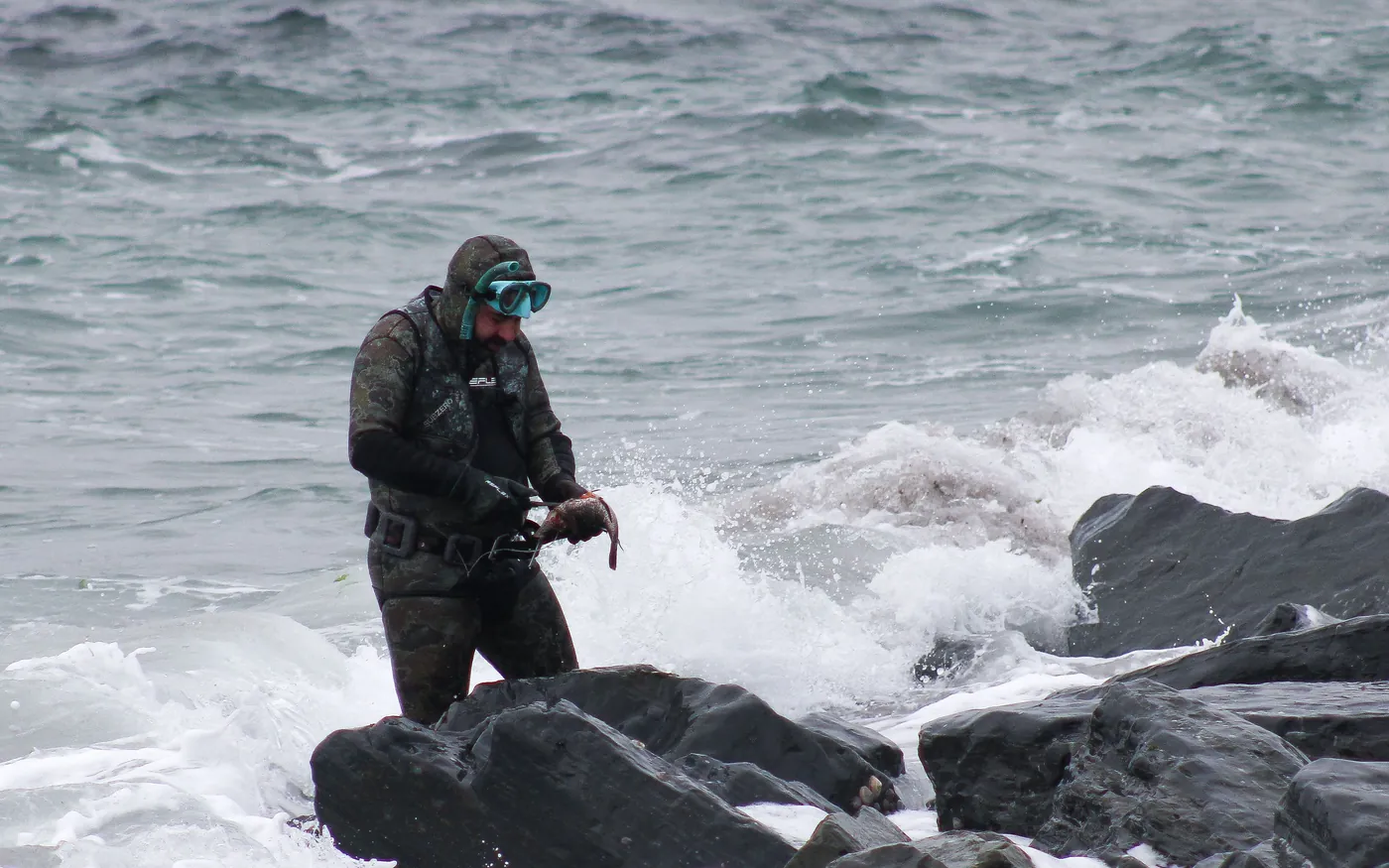
Almost every certification-cost article is written for warm water. Certify in New England, the Pacific Northwest or the UK and two extra costs appear.
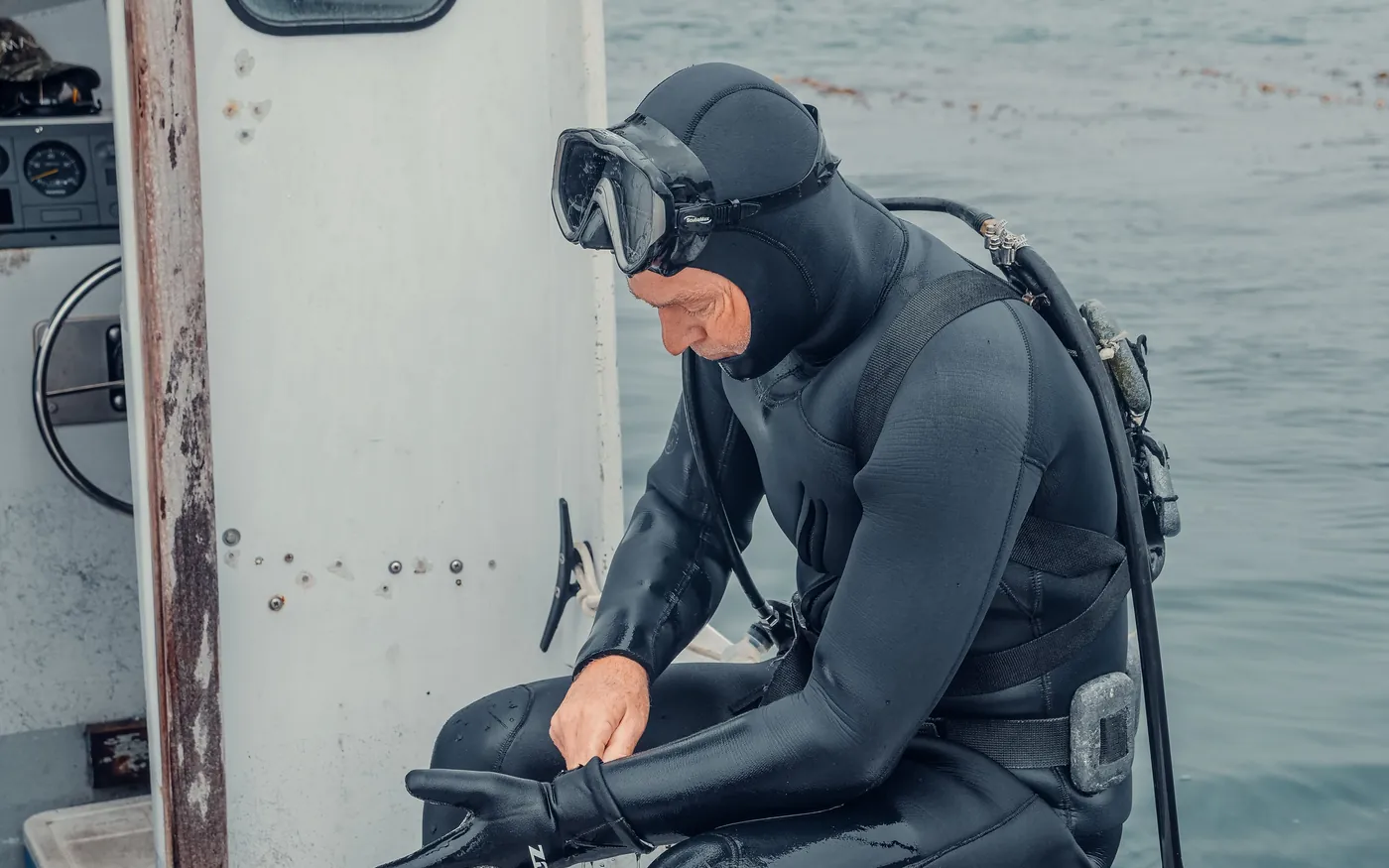
Exposure protection. A 3 mm shorty is fine in the Caribbean. Here you want a 7 mm suit with a hood and gloves, and many divers move to a dry suit within a season or two.
A $675 package in New Hampshire and one in Florida are not the same purchase.
Boat access. Some certification dives run from a charter, and that fee is usually paid to the boat operator rather than the dive shop. It is a real cost, and it is not the shop’s to bundle.
None of this makes cold-water certification poor value. It does mean a $675 package in New Hampshire and one in Florida are not the same purchase.
Cheap courses: what usually explains the price
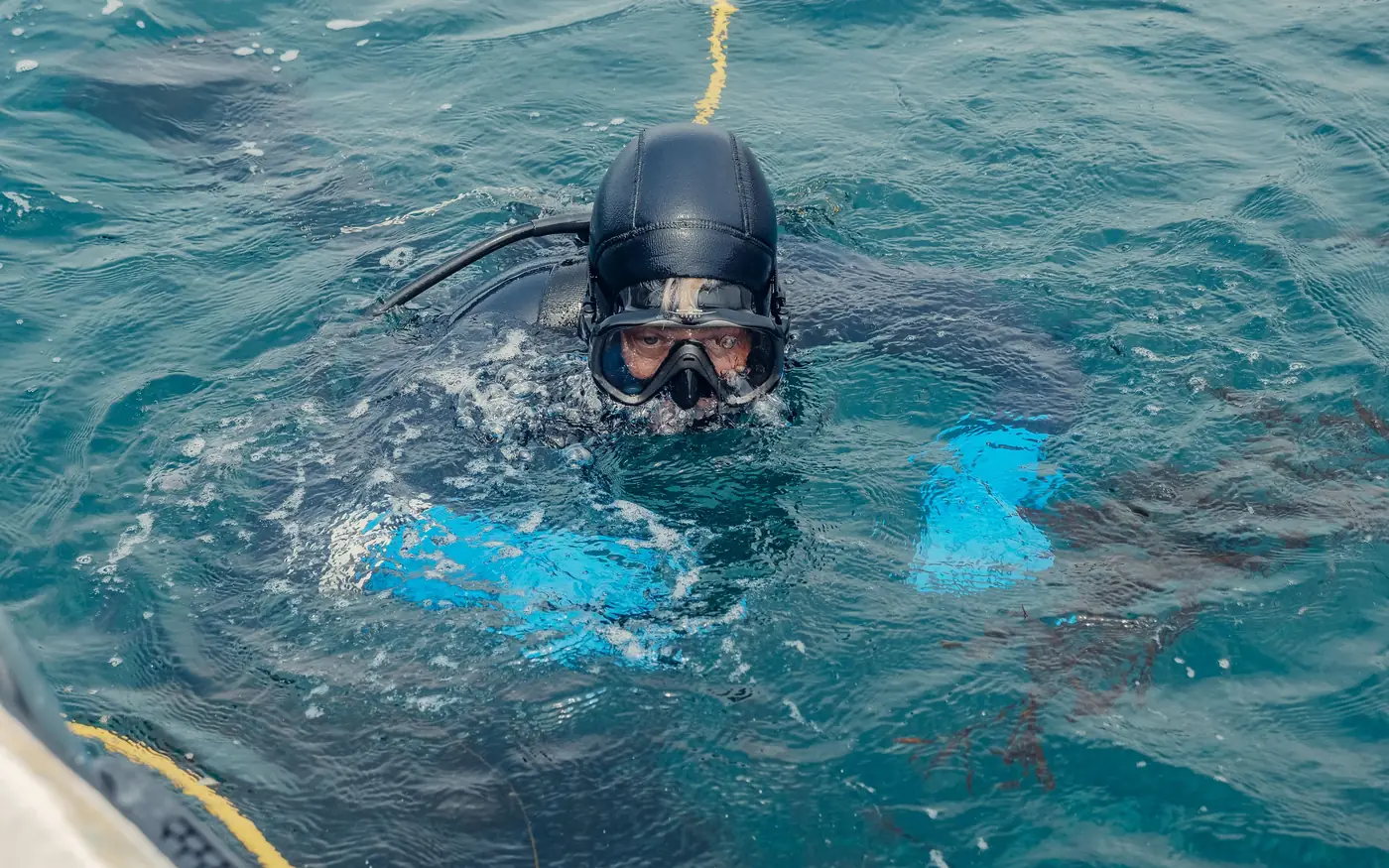
A sub-$300 course is not necessarily bad, but the difference comes from somewhere. In practice it is one of these:
- The eLearning code is billed separately, adding roughly $200
- The four open water dives are not included
- All equipment is rental, charged per day
- Class sizes are large, so you get less instructor attention
- Certification processing is an add-on at the end
Ask which of those applies. A straight answer costs the shop nothing and tells you most of what you need to know.
How to spend less without cutting corners
There are legitimate ways to bring the number down that do not involve buying a worse course.
- Bundle rather than buy piecemeal. A combined package beats buying the same three parts one at a time.
- Do the theory before you arrive. Finishing the eLearning first means less classroom time and a tighter schedule in the water.
- Buy only the personal kit at first. Mask, fins and snorkel are worth owning; everything else can wait until you know you are staying.
- Ask about quieter dates. Midweek or shoulder-season groups are smaller, which is better value in attention even at the same price.
Is it worth it?
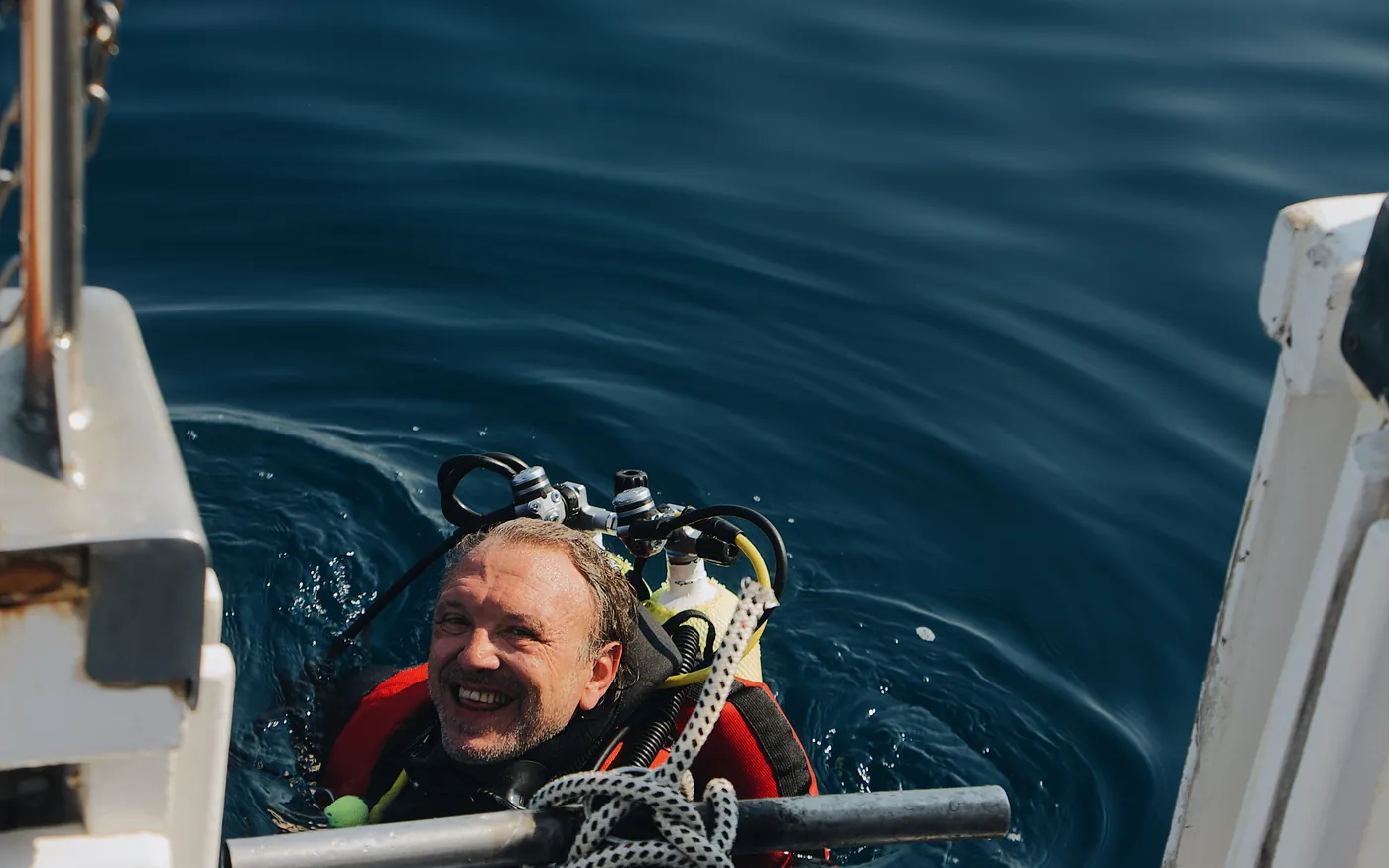
A recreational certification is good for life. There is no annual renewal, no subscription, and the card is recognized worldwide. Set against a season of most other outdoor sports, the one-off cost compares well.
Certification is the start of the spending, not the end. You will want air fills, eventually your own gear, and annual servicing for regulators and BCDs. Budget for the hobby, not just the qualification.
If you are not sure yet, that is what a supervised Discover Scuba Diving session is for. It is not a certification, and the skills you practice carry straight into the full course if you continue.
How to compare two quotes properly
Two quotes are rarely comparable until you have asked the same six questions of both. These are the ones that move the number most.
| Ask this | Why it matters |
|---|---|
| Is the eLearning code included? | Worth roughly $200 on its own |
| Are all four open water dives included? | Without them you are not certified |
| Is equipment included, or rented daily? | Daily rental adds up quickly |
| Is there a boat or charter fee? | Often paid separately to the operator |
| How many students per instructor? | Directly affects how much attention you get |
| Is the certification fee extra? | Commonly $15–$45 at the end |
Run both quotes through those six questions and the cheaper one often stops being cheaper.
Frequently asked questions
How long does it take to get scuba certified?
As little as four days if you do the theory online first and dive on consecutive days, or spread across months if you would rather take it slowly. The eLearning is roughly five hours at your own pace, the pool sessions run at the shop, and the four open water certification dives are usually done over two days.
Does a scuba certification expire?
No. A recreational certification is good for life. What fades is your skill, not your card. If you have been out of the water for a year or more, most shops will suggest a refresher before you dive again.
What gear do I have to buy?
Mask, fins and snorkel. Everything else — BCD, regulator, cylinder and weights — is included in the course. If you would rather not buy immediately, ask about renting scuba gear before your course.
Can I pay for certification in stages?
Yes. That is what the separate packages are for: eLearning and pool sessions first, then the open water dives when your schedule allows. It costs a little more overall, but nothing is lost.
Is scuba certification worth the money?
It is a one-off cost for a qualification that never expires. Compared with most outdoor pursuits — where the certification is annual and the gear is not included — it is reasonable value. If you want to test the idea first, try a Discover Scuba Diving session before committing.
For an independent view, PADI publishes its own guide to scuba certification costs.
Certifying in the New Hampshire Seacoast?
The PADI Open Water Diver course at Divers Den runs year-round in Hampton Falls, with the prices above published in full. Ask an instructor what your total would be.