
A great many people decide they cannot dive without ever asking anyone. The medical form looks like a wall of disqualifying conditions. It is not one — it is a list of things a doctor should see first.
This is general information about how diver medical screening works. It is not medical advice, and nothing here can tell you whether you personally are fit to dive. That is a conversation with a doctor.
What the form is for
Every recreational diver training agency uses a version of the same medical questionnaire, and its purpose is narrow and specific.
It exists to find out whether you should be examined by a physician before you start training. That is the whole job. It is a screening tool that sorts people into “go ahead” and “have a doctor look at this first”, and PADI states directly on the form that a positive answer does not necessarily disqualify you.
A yes on the form is a referral, not a refusal.
This gets misread constantly, and the cost is invisible: people read the list, recognize something, and quietly decide diving is not for them.
How it actually works
| Step | What happens |
|---|---|
| You answer the questionnaire | A short list of yes or no questions |
| All no | You sign it and start the course. Nothing else is needed |
| Any yes | You take the Diver Medical Participant Questionnaire to a physician |
| The physician decides | They mark it approved or not approved |
| Approved | The approval states you are fit to scuba dive, and you start the course |
| Not approved | The doctor will explain why, and whether it is permanent or a matter of getting something under control |
The instructor does not make this decision and cannot overrule it in either direction. That is deliberate: it keeps a judgment that belongs to a physician with a physician.
Answer it honestly
The temptation to tick no to everything is real and it is a bad idea, for reasons that have nothing to do with paperwork.
Diving puts the body under pressure changes, cold and exertion at the same time, and the conditions on that list are there because they interact with one or more of those. The person the form protects is you, in the water, an hour from shore, in a situation where nobody present knows what to expect.
There is also a practical point: an undeclared condition can affect insurance and it puts your instructor in an impossible position. Nobody is trying to keep you out of the water. The entire industry runs on people coming back.
The one everybody asks about
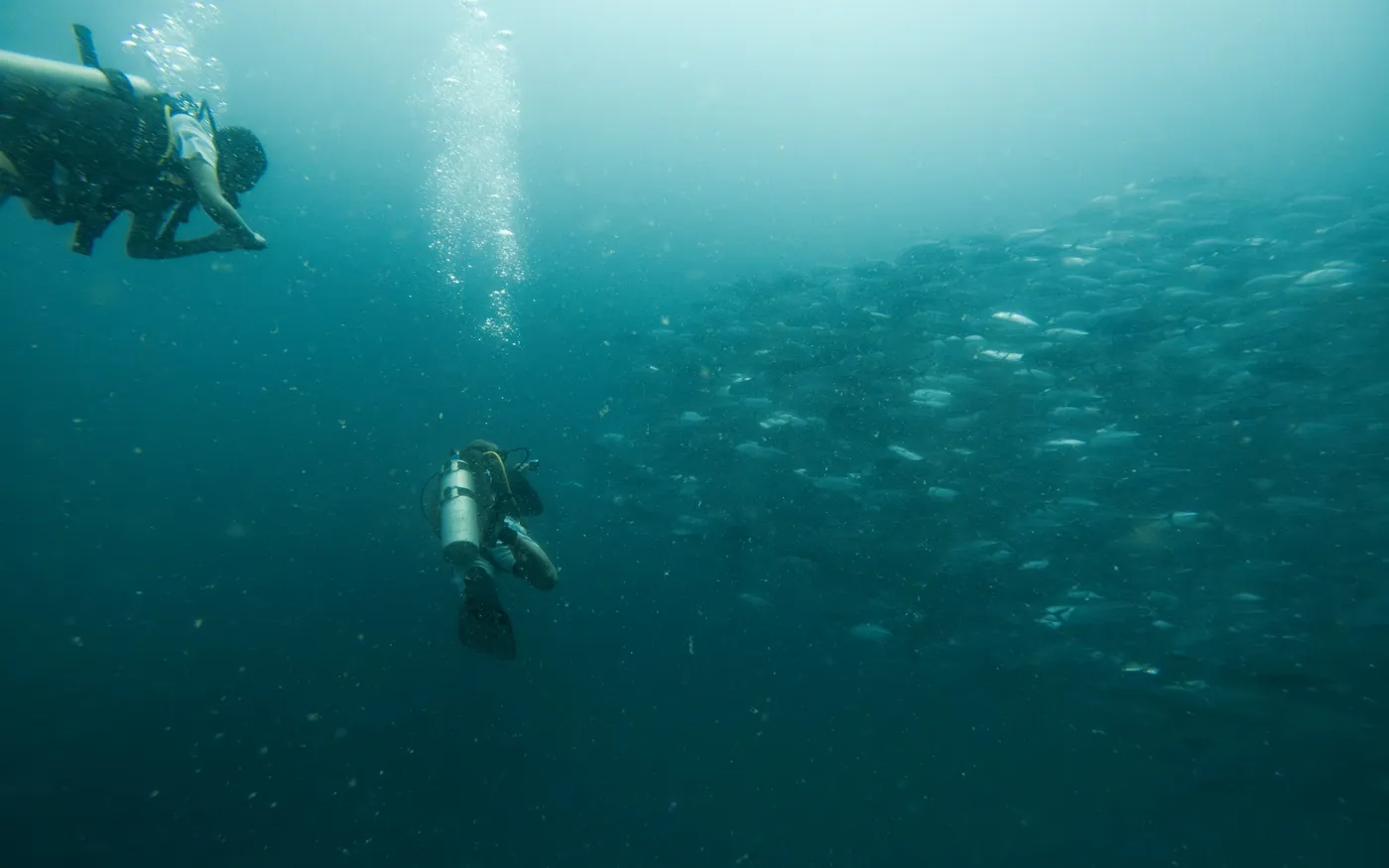
Asthma is the condition that comes up most, and the honest answer is that it depends and that a doctor decides.
It appears on the form as part of a broader question about asthma, wheezing, severe allergies, hay fever or congested airways within the last twelve months that limit physical activity. DAN’s published guidance is that a diver with asthma should be under a physician’s care with the condition controlled, and should have both lung function and exercise assessment.
What that means in practice is a conversation with a doctor who understands the question, not a yes or no from a dive shop. Many people with well-controlled asthma dive. Whether that includes you is genuinely not something we can tell you.
Fitness, as distinct from medical fitness
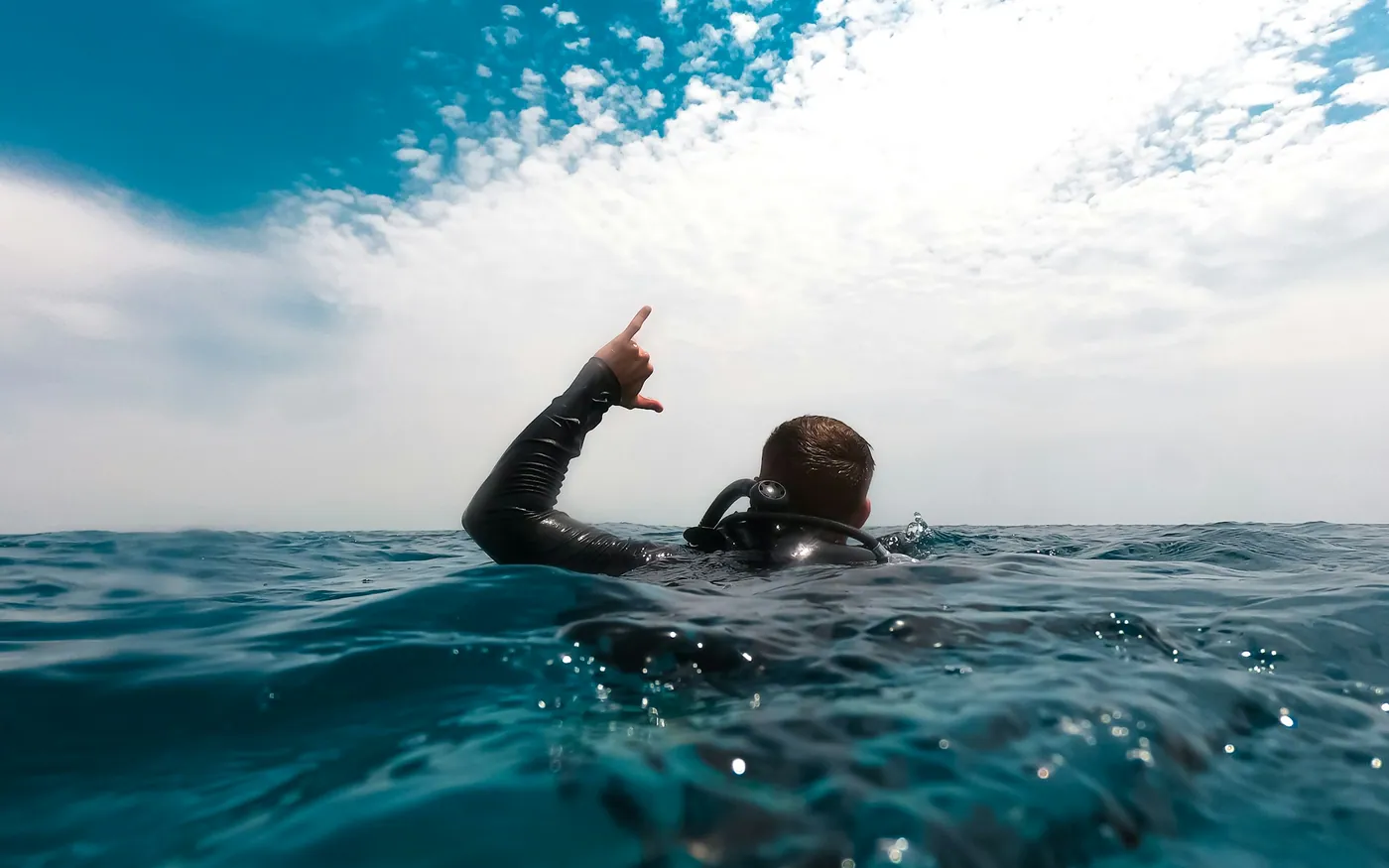
A separate question, and one people worry about more than they need to.
Diving itself is not strenuous. Done properly it is slow, and working hard underwater is a sign something is wrong rather than a normal state — which is why gas consumption and trim matter as much as they do.
What does take effort is everything either side of the dive: carrying a cylinder and a weighted suit to the water, getting back out through surf or up a ladder, and doing that twice in a day. That is the part worth being honest with yourself about, and it is very trainable. There is also a swim assessment in the Open Water course, which is untimed and about comfort rather than speed.
Things that change, and things that do not
One more distinction worth drawing, because it decides whether a no today is a no forever.
Some conditions are permanent and a physician will say so. A great many are situational: something recent, something not yet under control, something you are in the middle of being treated for. Those are answered with “not yet” rather than “never”, and divers who were turned down one year are diving the next.
The same is true of age, which people raise constantly and which appears nowhere on the form as a disqualifier. What matters is condition, not the number, and plenty of people certify well into later life.
Sort it before you book
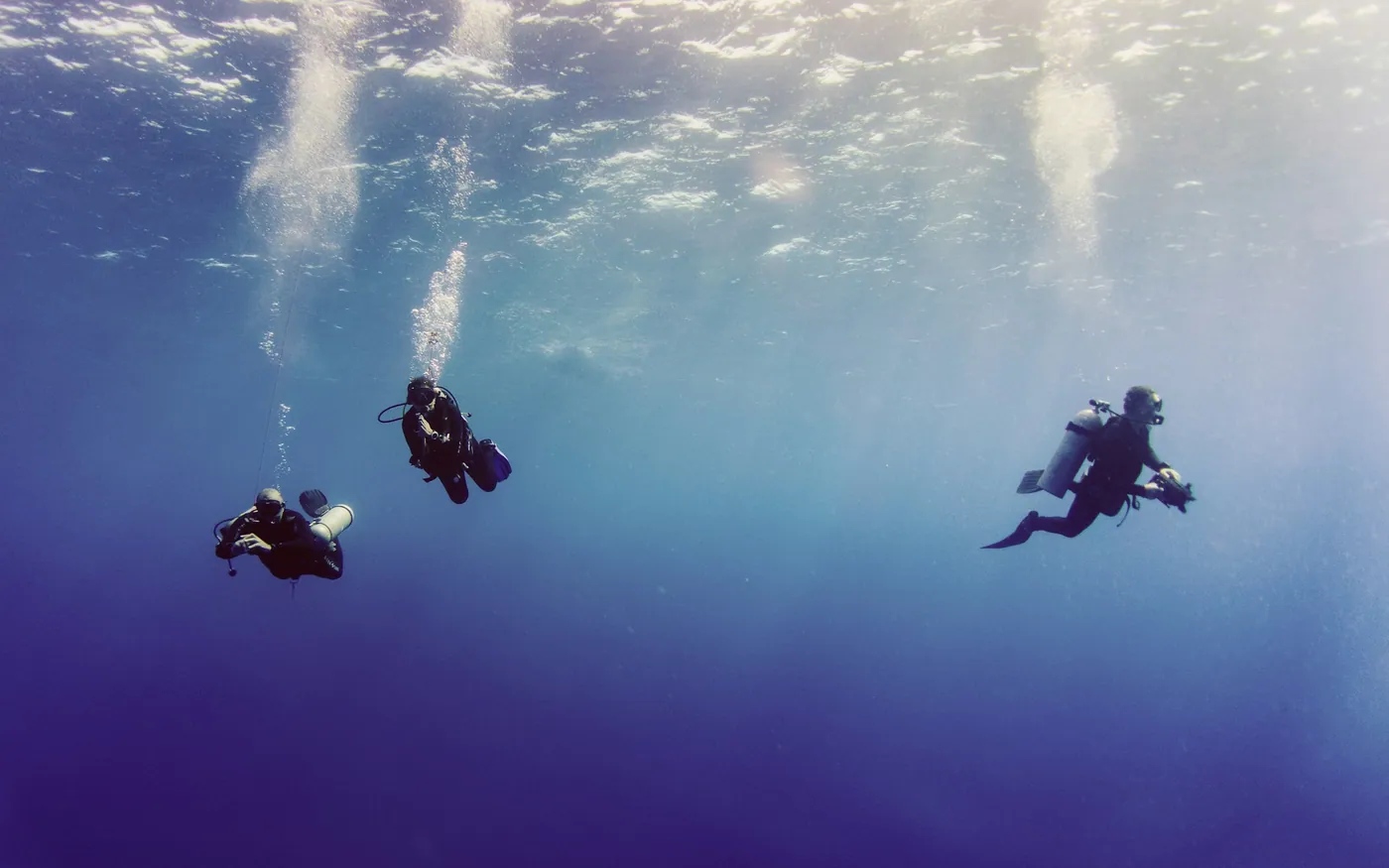
The single practical piece of advice in this post: read the form before you book the course, not on the morning it starts.
If you are going to need a physician’s sign-off, you need an appointment, and appointments take time. Divers turn up on day one, tick a box honestly for the first time, and lose the weekend. The form is downloadable from PADI, so you can read it, and take it to your doctor, weeks in advance.
And if you are unsure whether something on the list even counts, ask us before you decide against it. We cannot give you a medical answer, but we can tell you what the process looks like and roughly how long it takes — and that alone has put a lot of people in the water who had written themselves off. If you would rather test the water first, a Discover Scuba session uses a shorter version of the same screening.
Frequently asked questions
Does a yes on the form stop me diving?
No. A positive answer means a doctor should look at it before you start, not that you are disqualified. PADI states that plainly on the form itself, and plenty of divers answer yes to something and dive perfectly normally.
Can I dive with asthma?
Many people with asthma do. DAN’s guidance is that the condition should be under a physician’s care and controlled, with lung function and exercise assessment. Whether it applies to you is a question for a doctor, not for us or for a website.
Do I need a doctor’s note?
Only if you answer yes to something. Then you take the Diver Medical Participant Questionnaire to a physician, who marks it approved or not approved. The approval needs to say you are fit to scuba dive.
How fit do I need to be?
Less than people expect. You need to be able to handle the gear on land and swim comfortably, and the diving itself is mostly slow. If you are worried about the swim, that is worth raising before you book rather than on the day.
When should I deal with this?
Before the course starts. A doctor’s appointment takes time to get, and discovering you need one on the first morning is how people lose a weekend they have already paid for.
Ask before you rule yourself out
If something on the form is stopping you, talk to us. We will tell you how the process works and what it usually takes.