
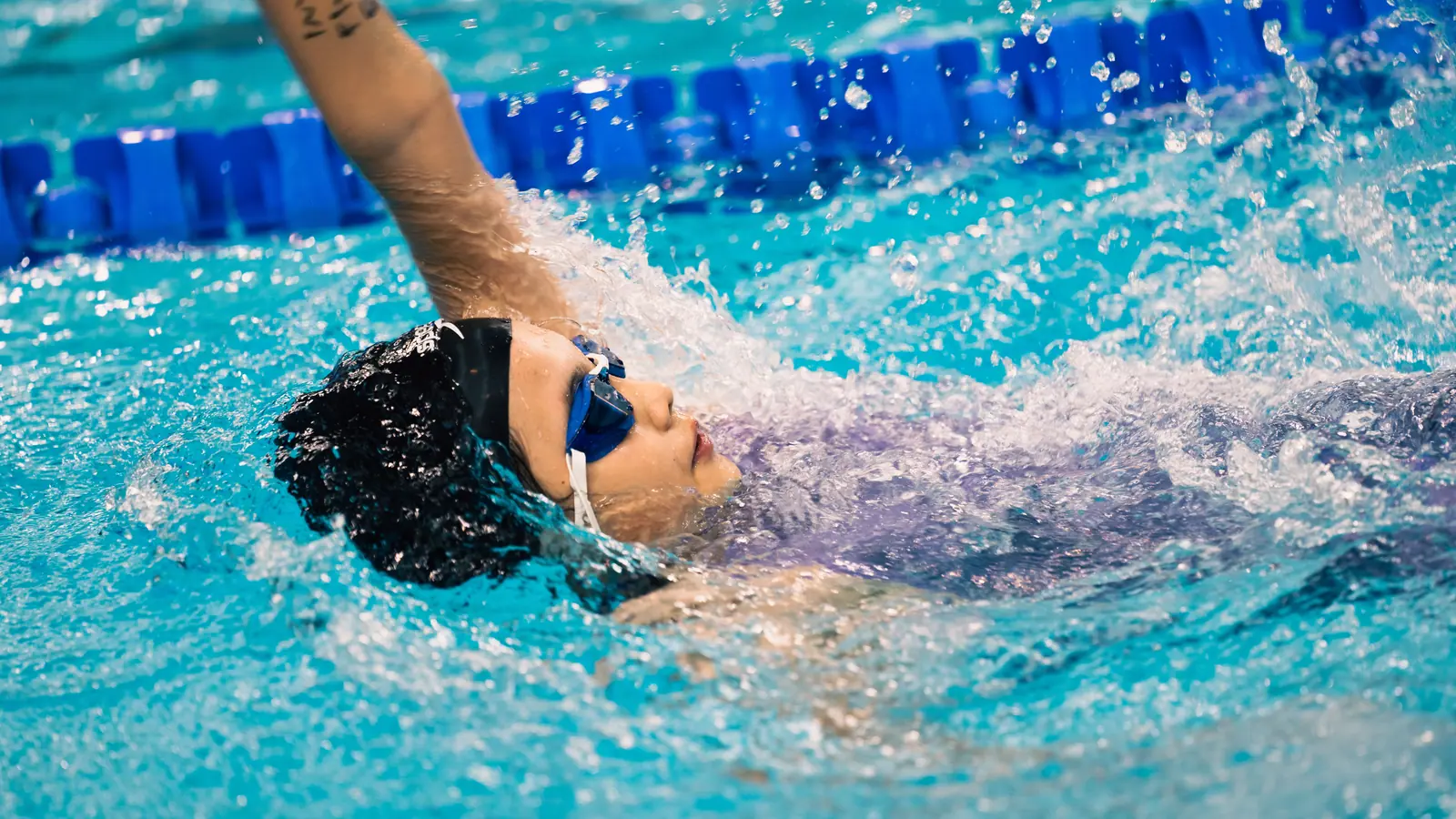
Diving itself is barely exercise. Carrying a steel cylinder and twenty pounds of lead across a rocky shore in a 7 mm suit, twice in a morning, absolutely is.
General information, not medical advice. Individual questions about exercise and diving belong with a physician, alongside the screening described in are you fit to dive?
Which parts are actually physical
Being specific about this helps, because “be reasonably fit” is advice nobody can act on.
A dive done properly is slow, still and almost effortless — working hard underwater is a sign something is wrong rather than a normal state. The physical demands sit either side of it, and in one situation during it.
- The carry. Cylinder, weights and a thick suit, over uneven ground, twice.
- The entry and exit, particularly climbing a ladder in full gear or getting out through surf — see shore entries and exits.
- The surface swim, which is often the hardest part of a shore dive and is done in gear.
- Swimming against a current, which is the one in-water demand that can become serious — the situation in diving in current.
- Doing it all again on the second dive, tired and cold.
You are not training for the dive. You are training for the walk back up the beach.
Swim, and mostly just swim
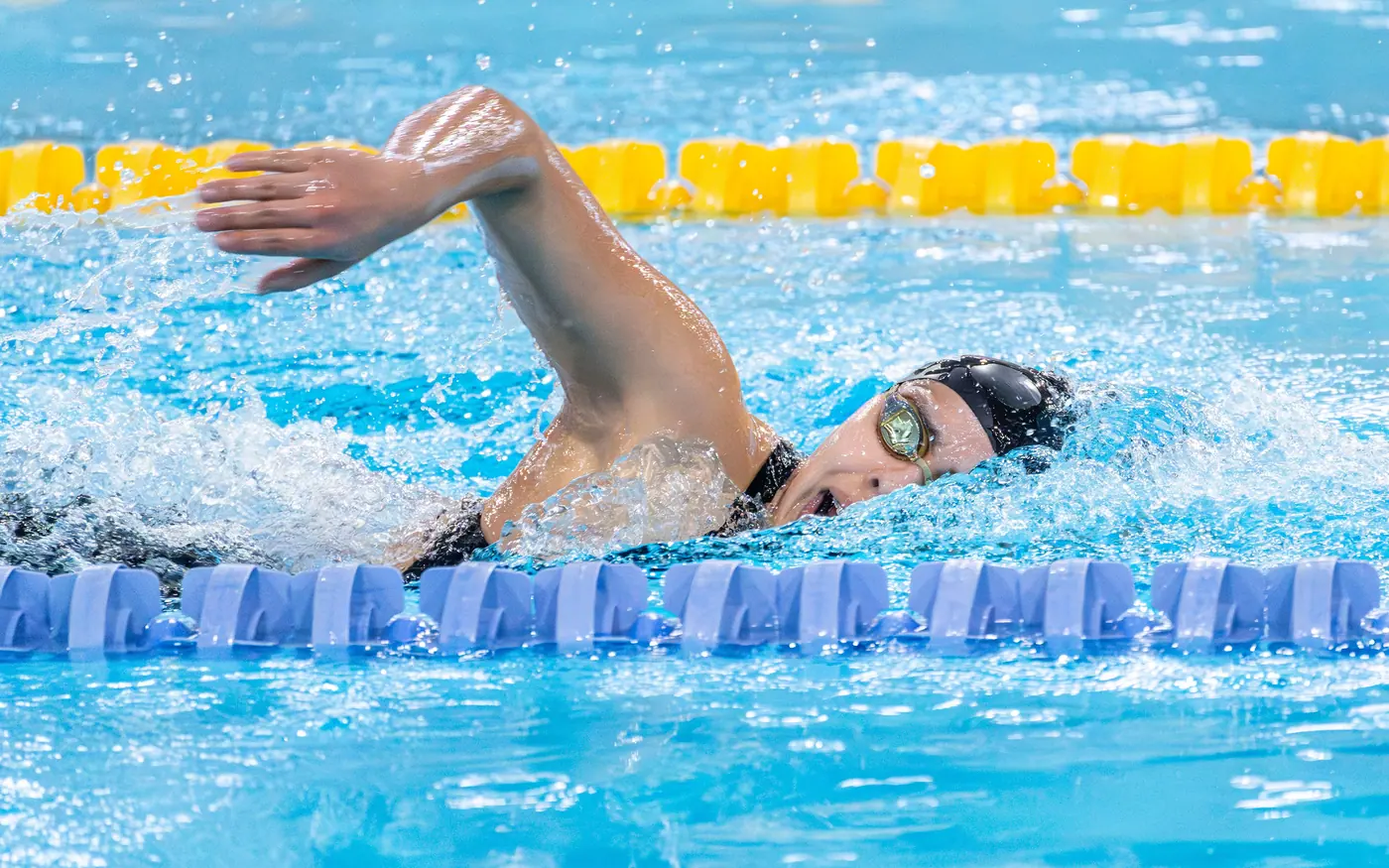
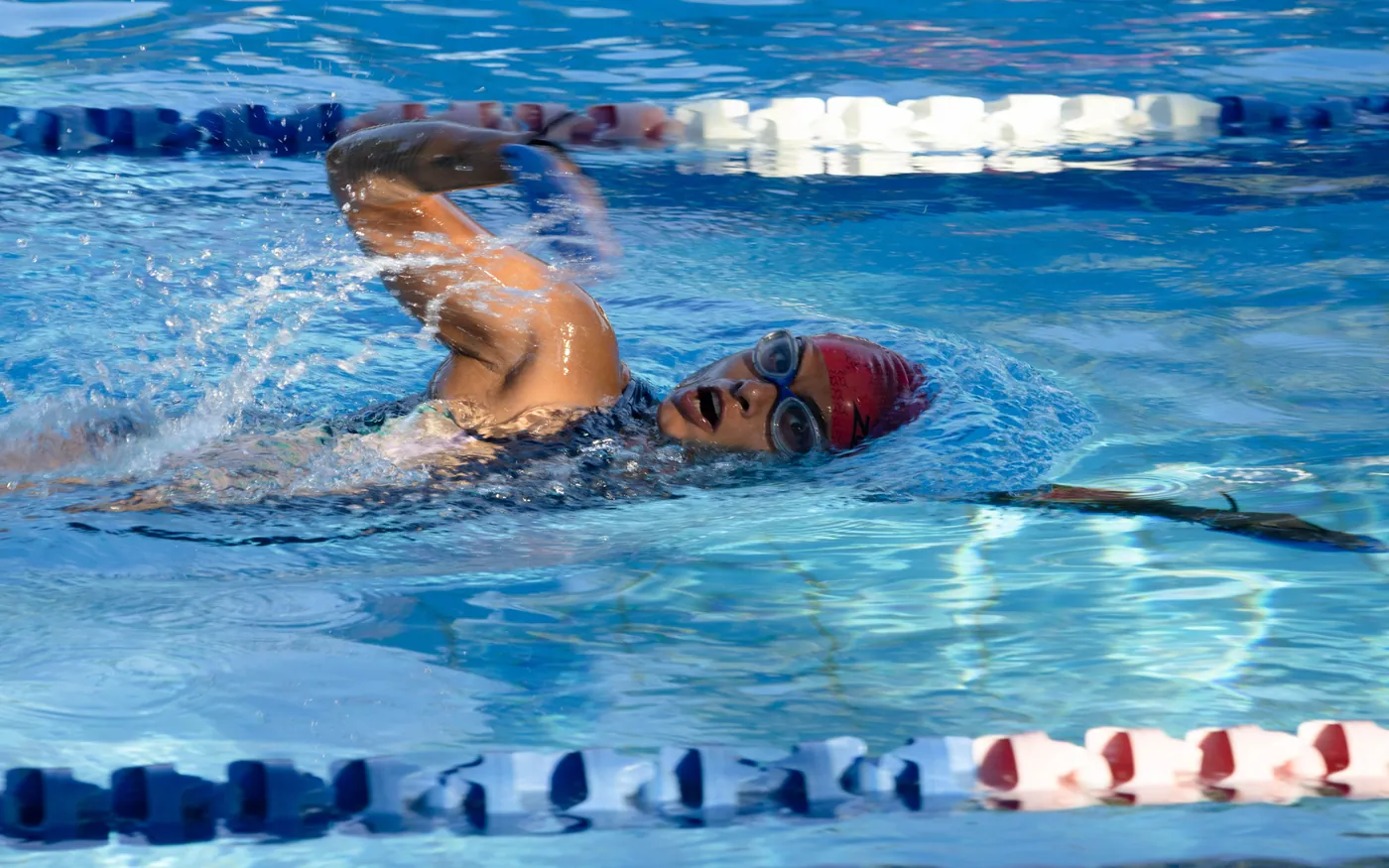
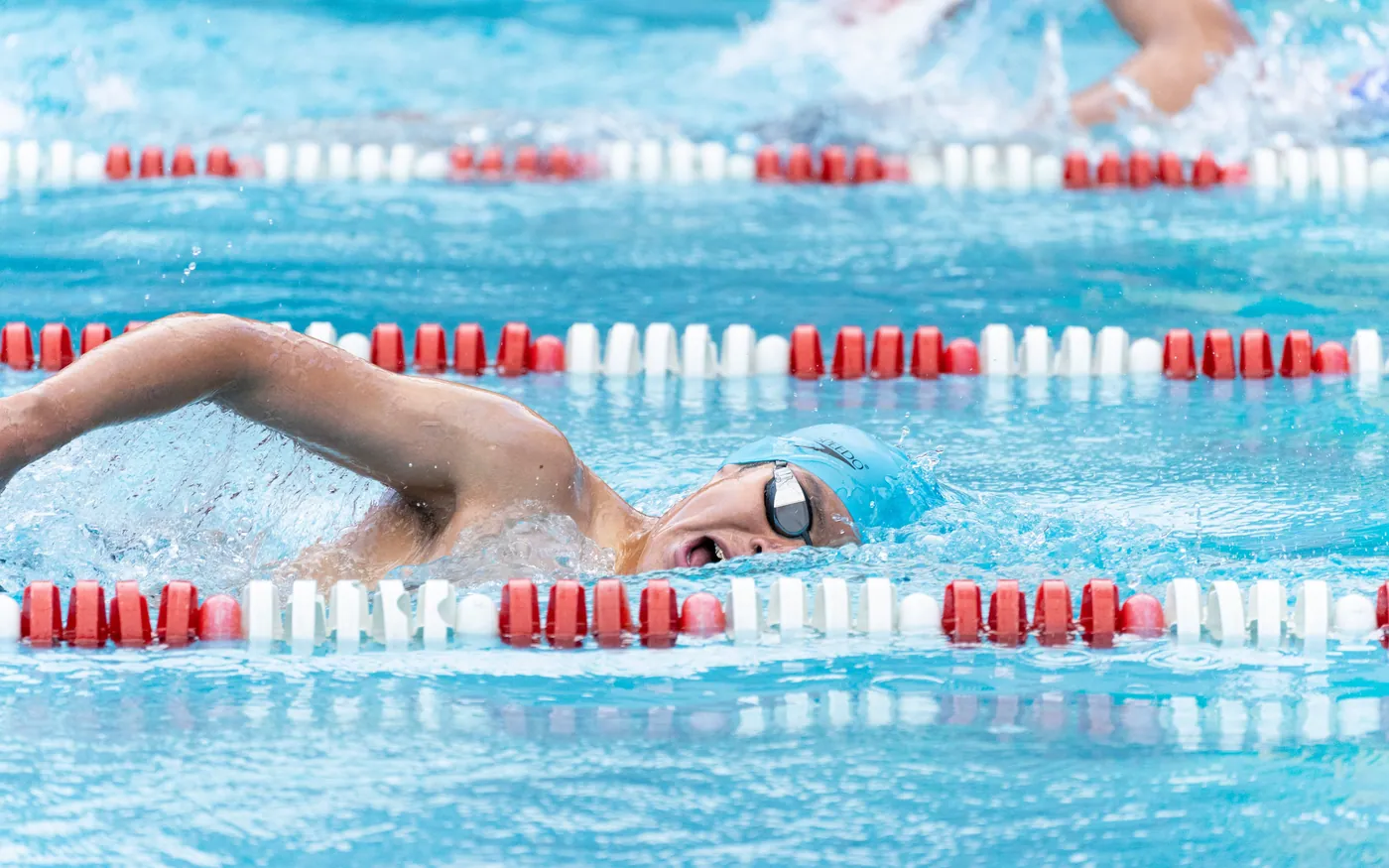
If you do one thing, do this. Swimming is the training that transfers most directly and it does three jobs at once.
It builds the aerobic base that makes a surface swim unremarkable. It develops exactly the muscles a fin uses. And it makes you comfortable in water, which is a separate benefit and arguably the larger one — a great deal of what looks like poor fitness underwater is actually low-grade unease, which is the subject of staying calm underwater.
It also removes the worry about the swim assessment in the Open Water course, which is untimed and about comfort rather than speed, and which people fret about far more than they should.
What the general guidance says
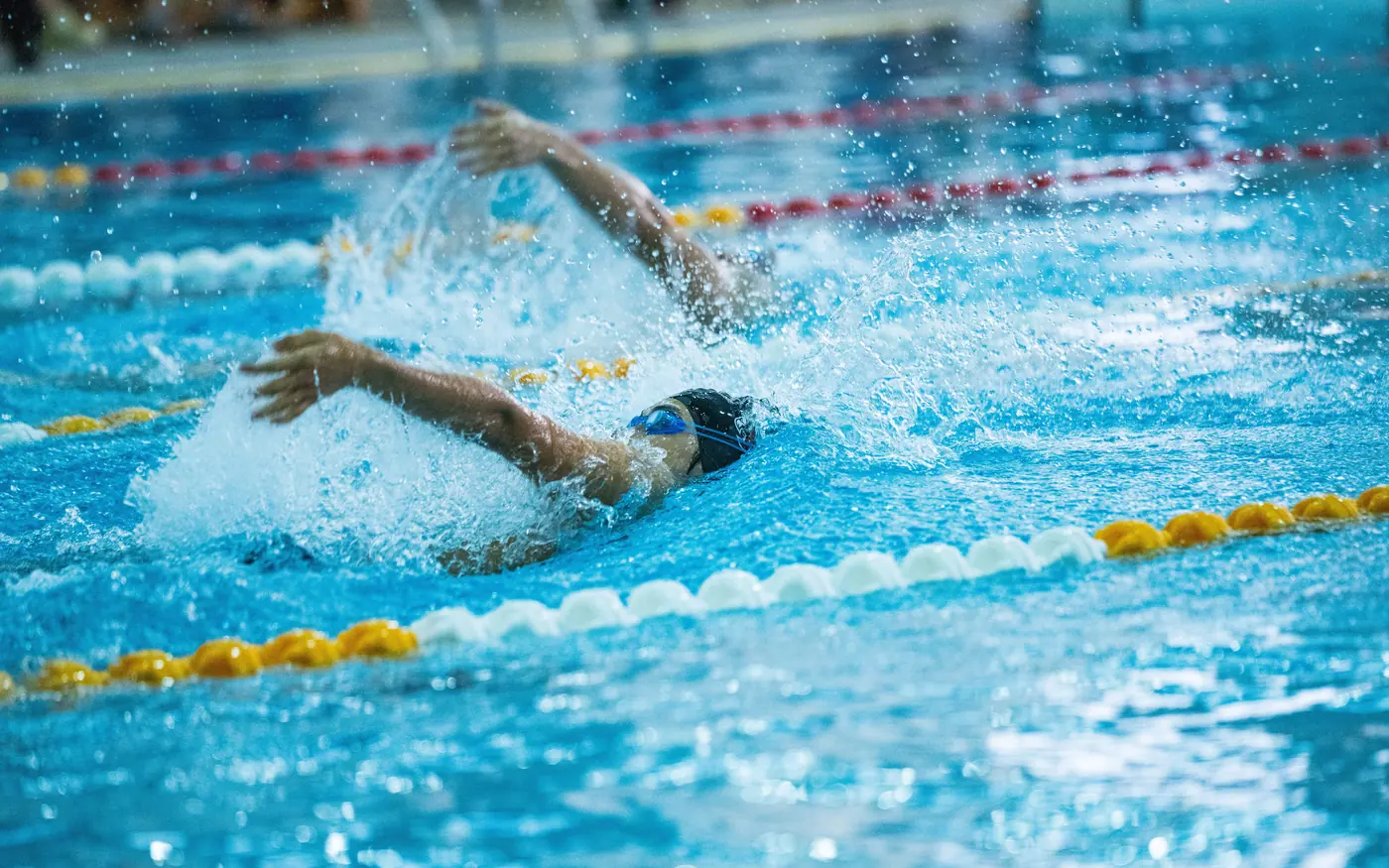
The published population guidance is unremarkable and worth knowing as a floor rather than a goal.
It runs to at least 150 minutes of moderate cardiovascular exercise a week, or 75 minutes of vigorous, plus two days of strength work covering the major muscle groups. Nothing about that is diving-specific and nothing about it is demanding.
The diving-specific case for it is that fitness matters for physical safety and, per DAN, for decompression safety too. A fitter diver also moves more efficiently and uses less gas, which is the connection made in how to use less air and, upstream of that, in buoyancy and trim.
It is also worth separating fitness from body shape, because the two get conflated and the conflation keeps people out of the water. What matters is what you can do — carry the gear, swim a distance comfortably, recover between dives — rather than what you look like in a wetsuit, and plenty of very capable divers would not describe themselves as athletic.
The timing rule almost nobody knows
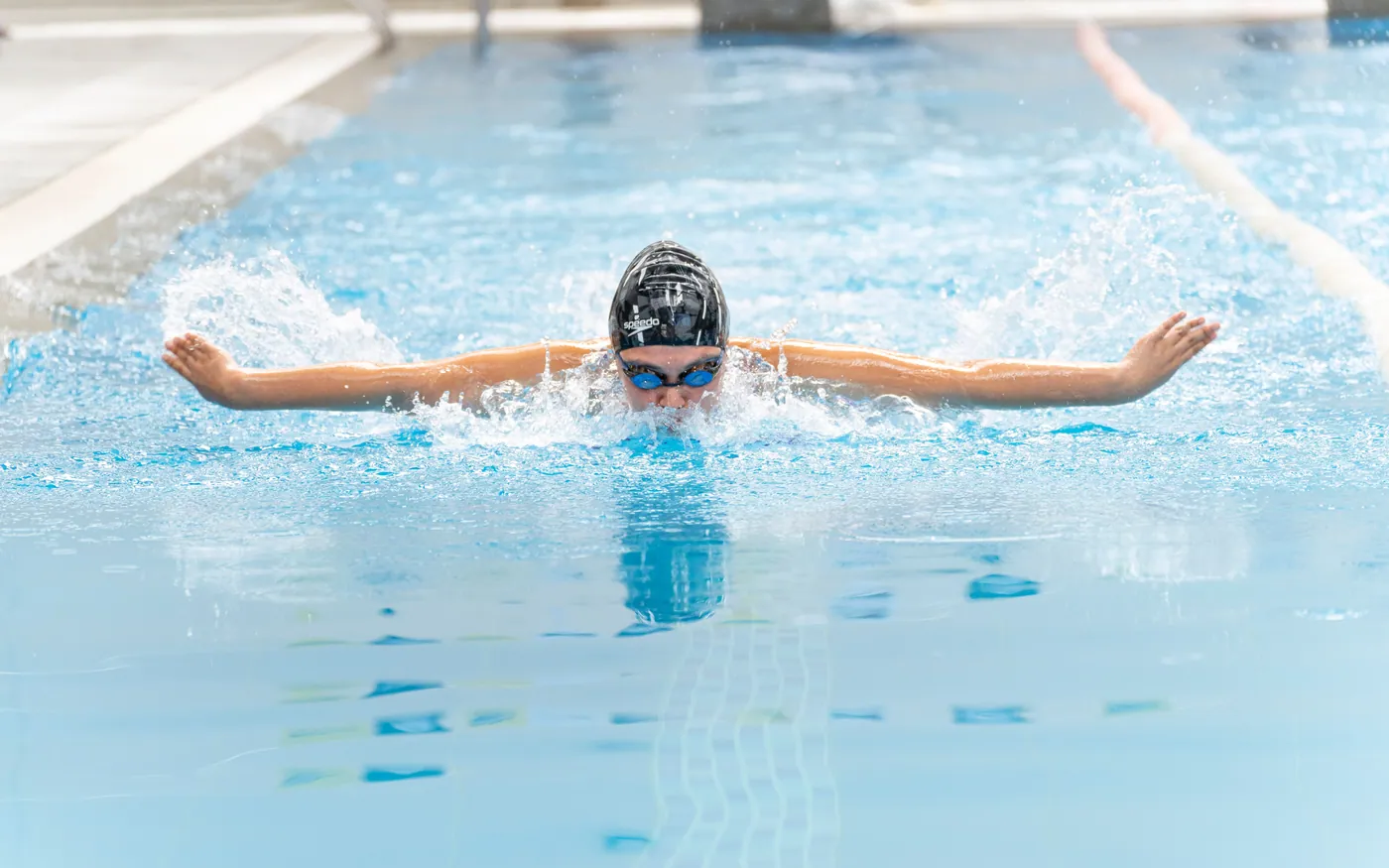
This is the piece of guidance most likely to be new, and it is worth taking seriously.
DAN’s position is that intense physical training is best avoided in roughly the 24 hours either side of diving, and that any exercise close to a dive should involve the lowest practical joint forces. The reasoning concerns how exertion interacts with bubble formation and decompression stress.
In practice that means the heavy session goes on a non-diving day, not the morning of a boat. It is easy to arrange once you know, and DAN sets out the reasoning in full. It sits alongside the other things that raise decompression risk in decompression sickness.
The unglamorous strength that matters
If you want to add strength work, the useful targets are obvious once you think about the carry rather than the dive.
Legs and hips, for standing up under a cylinder and walking over rock. The back and core, for carrying a load that is entirely behind you. Grip, for ladders and for handling gear with cold hands. Shoulders, for getting into and out of a buoyancy device without help.
None of that requires a program. Carrying awkward heavy things, walking up hills and swimming covers most of it, and it is worth remembering that many divers in their sixties and seventies dive perfectly comfortably because they kept doing exactly those ordinary things.
Getting fit enough, if you are starting from nothing
None of the above assumes you are currently doing anything, and the useful starting point is smaller than people expect.
Swim twice a week, slowly, for twenty minutes, and stop before it stops being pleasant. Walk. Carry heavy awkward things occasionally. That is enough to make a noticeable difference to how a dive day feels within a couple of months, and it is the level most comfortable divers are actually at rather than anything athletic.
The point is not to become a swimmer. It is to reach the position where the walk back up the beach with a cylinder is unremarkable, because that is the moment diving stops being an event and starts being something you do on a Saturday.
And the part that is not fitness
Worth ending here, because it outweighs training on any given day.
Being rested, hydrated and unhurried does more for how a dive goes than a season of conditioning. Dehydration and fatigue both raise decompression risk, both make you colder, and both make cramp likelier. A diver who slept badly, skipped breakfast and rushed to the site is worse off than an unfit diver who did none of those things.
The other half of it is weighting: every unnecessary pound is carried twice and worked against underwater, which makes carrying less lead the cheapest fitness gain available.
Frequently asked questions
How fit do I need to be to dive?
Fit enough to carry your gear to the water and back, swim comfortably, and handle an unplanned swim against a current. The dive itself is slow; everything around it is not.
What is the best training for diving?
Swimming, by a distance. It is the one activity that transfers almost directly, it builds the aerobic base, and it makes you comfortable in the water, which matters as much as the fitness.
Is there a swim test in the Open Water course?
Yes, and it is untimed. It is about comfort in the water rather than speed, and people worry about it far more than they need to. Raise it before you book if it concerns you.
Can I go to the gym on a dive day?
DAN’s guidance is to avoid intense training within about 24 hours either side of diving, and to keep anything close to a dive low in joint forces. A gentle walk is not the concern; a heavy session is.
Does being fitter save air?
Yes, indirectly. A fitter diver works less for the same movement, and working less is most of what low gas consumption is — see how to use less air.
Worried about the swim?
The swim assessment is untimed and it stops people booking who would be perfectly fine. Ask us what it actually involves.