
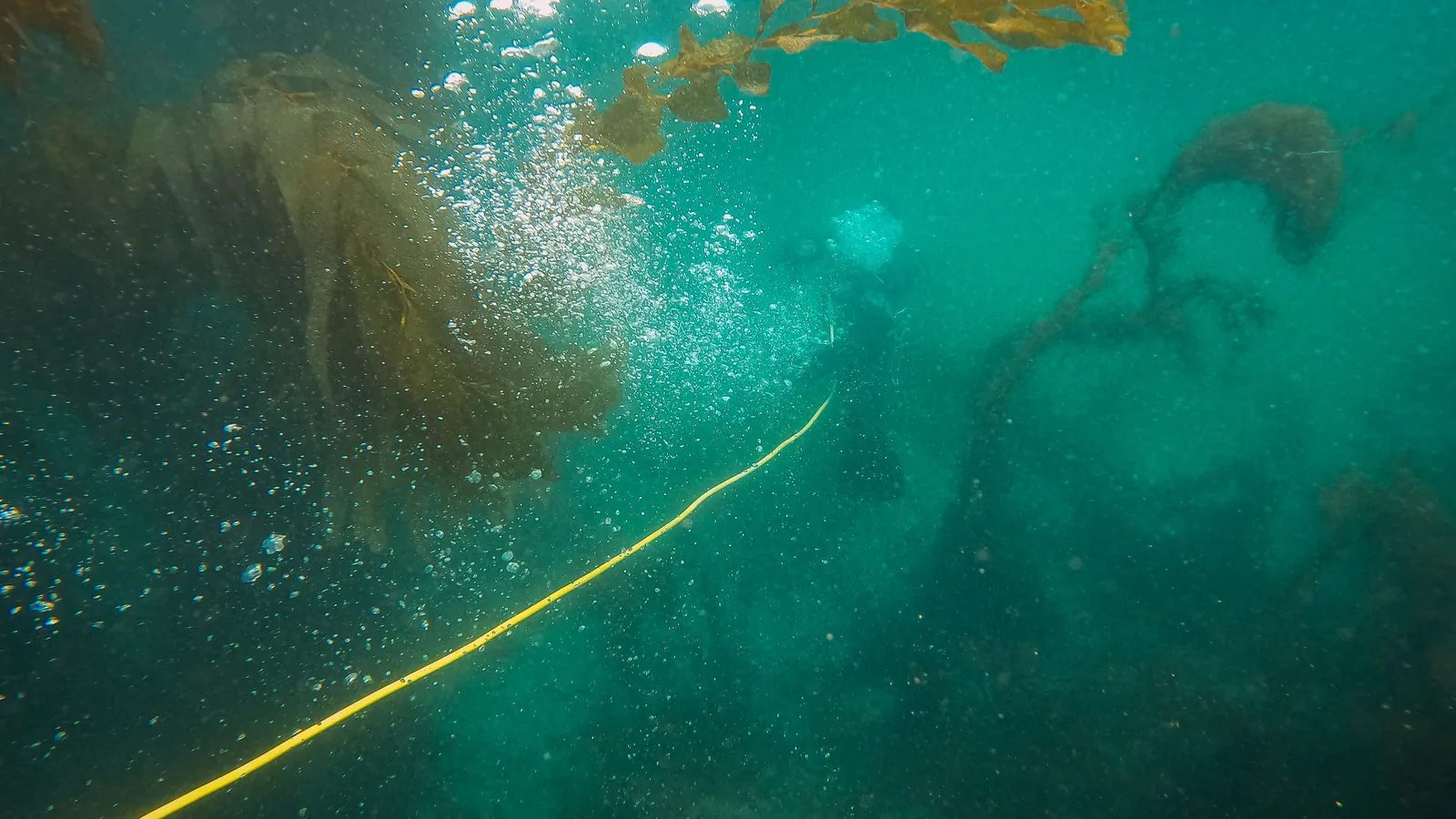
New England shore diving is good, cold and tide-dependent. The sites below are the ones divers travel for, with the depths and conditions that decide whether a dive is worth the drive.
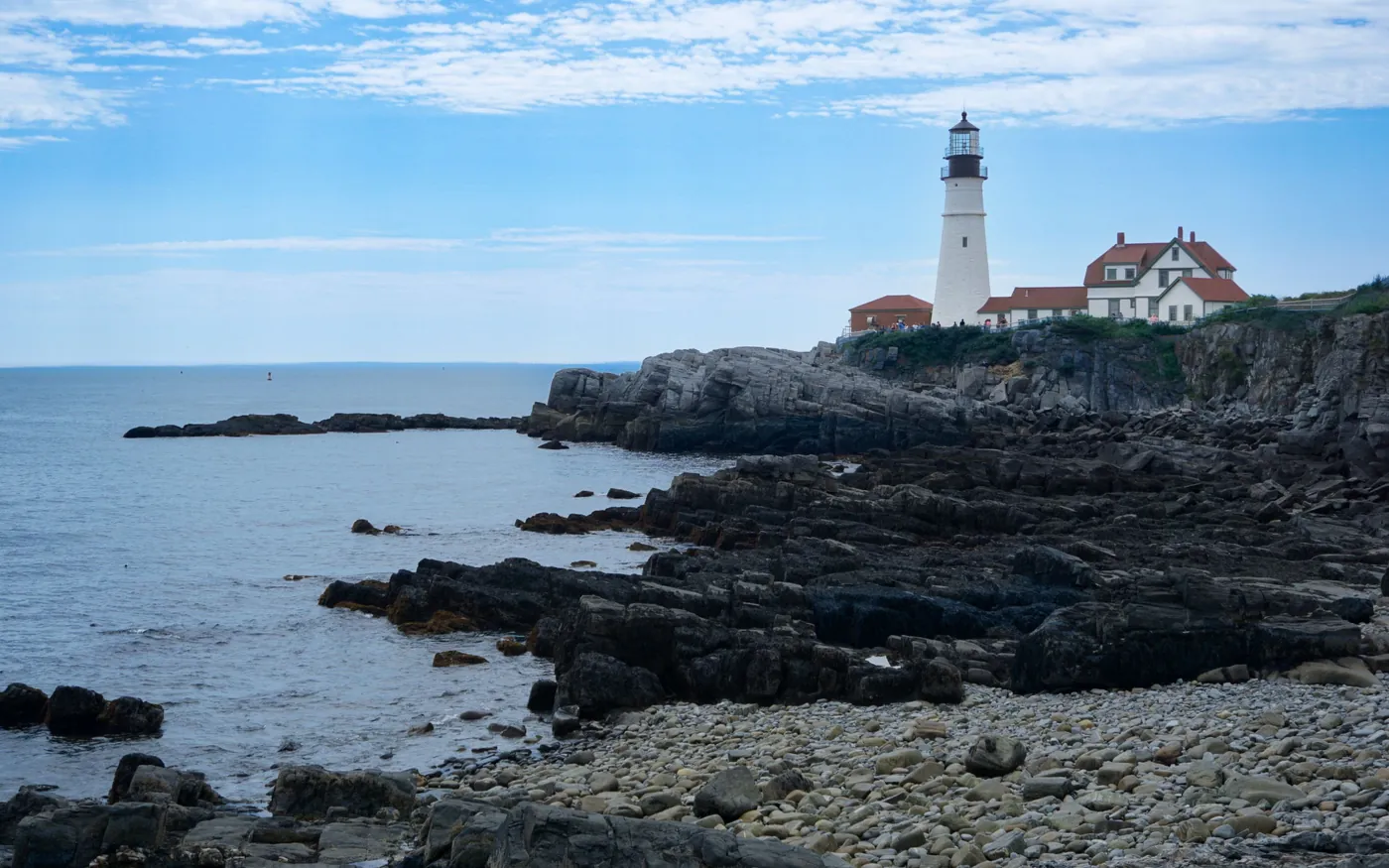
The sites, side by side
Four sites cover most of what the region offers, from a first post-certification dive to a genuine wall. The depths below come from divers who dive these sites regularly.
| Site | Where | Depth | Suits |
|---|---|---|---|
| Peirce Island | Portsmouth, NH | 30–80 ft | Confident divers; wall and anemones |
| Nubble Light | York, ME | 5–40 ft, deeper to 60 | Most divers; kelp wall |
| Fort Wetherill | Jamestown, RI | Shallow to 60+ ft | Everyone, including skills practice |
| Odiorne Point | Rye, NH | Shallow | Easy shore entry; submerged forest |
Peirce Island, Portsmouth
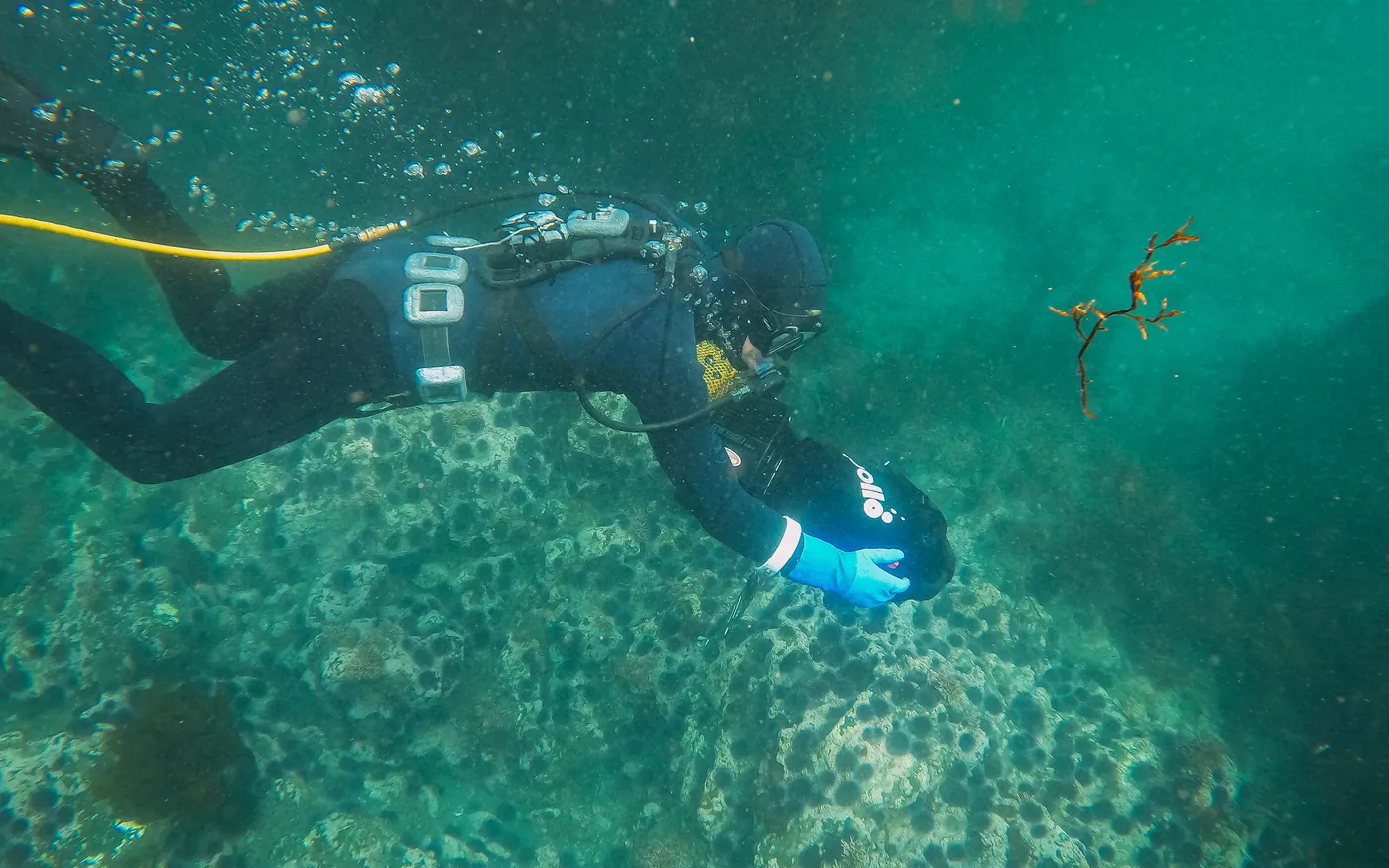
The best-known site in New Hampshire, and the one that pulls divers from across New England. Access is easy and the slope descends quickly, so you are at 30 feet without much swimming.
The draw is the wall: it starts around 30 feet, runs down to about 80, and is covered in anemones. It is not a beginner site — the Piscataqua River outflow here is serious, and dives are planned around slack water.
Nubble Light, York
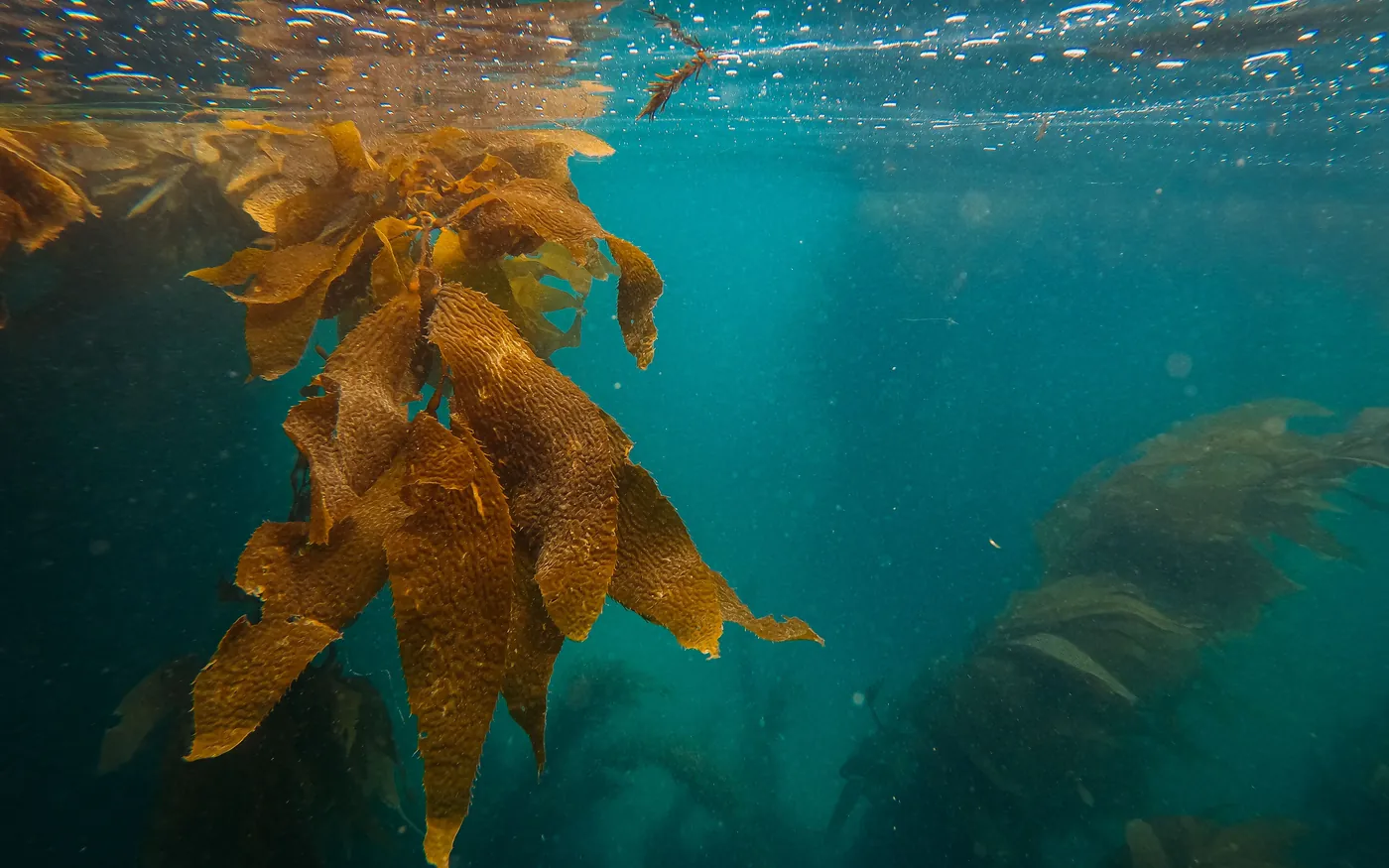
Just over the Maine line, and probably the most popular dive in the region. You enter onto a shallow ledge at 5 to 15 feet, which tips into a steeper wall bottoming out around 40 feet, all of it kelp.
The wall along the lighthouse continues to about 60 feet if you want the depth. It is a forgiving site for a diver still building confidence, because the shallow ledge is always there to come back to.
Fort Wetherill, Jamestown
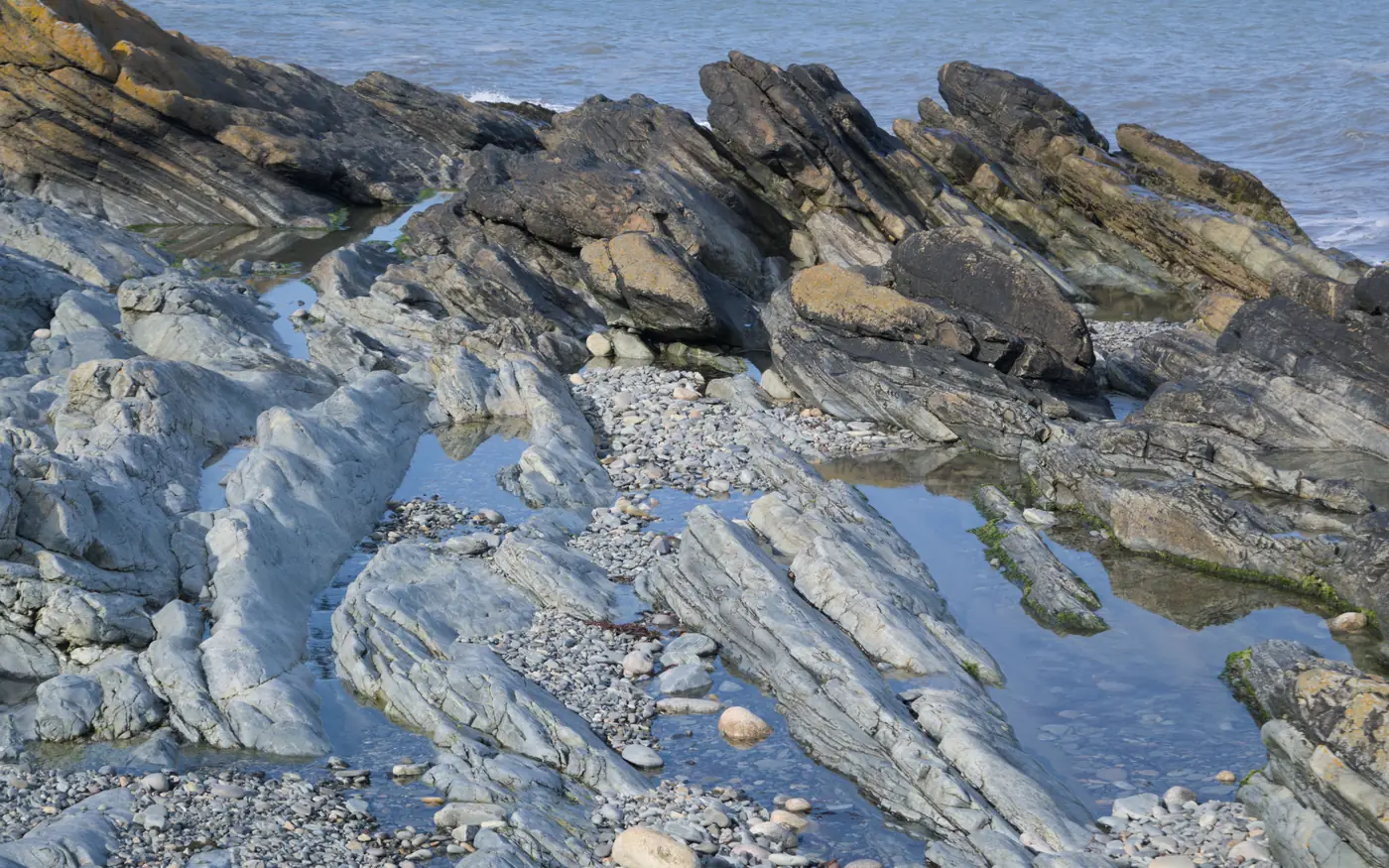
Worth the drive into Rhode Island. The underwater terrain is boulders, rocky walls, crevices and channels, holding some of the most diverse marine life in southern New England.
Depths run from very shallow at the entries out to 60-plus feet along the deeper channels. That shallow ground is why instructors like it: it is genuinely useful for skills practice and for newly certified divers.
Visibility runs 5 to 25 feet. Summer and early fall are when it is at the top of that range.
Odiorne Point, Rye
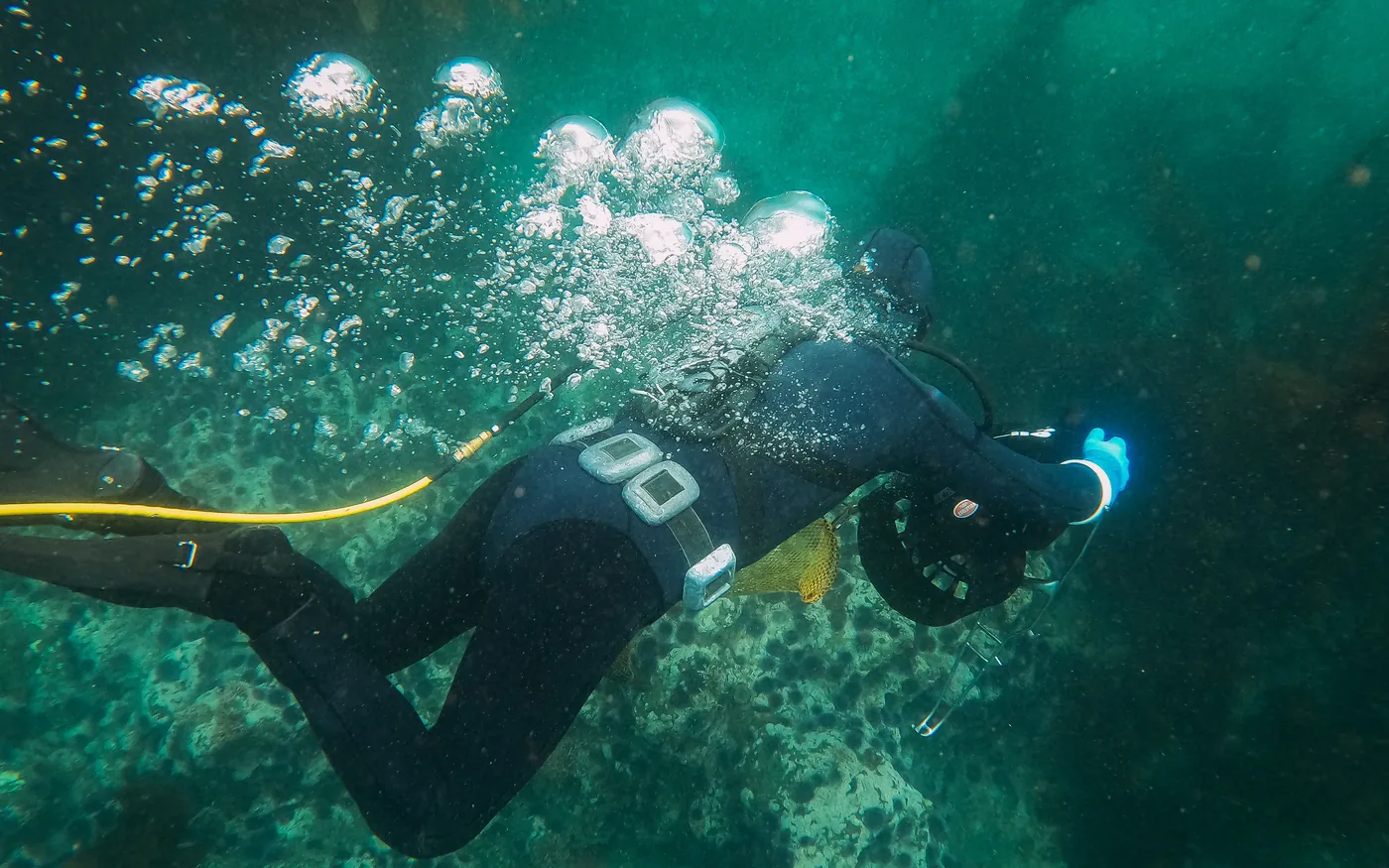
Near the Seacoast Science Center, and the oddest dive on this list. The attraction is a submerged forest — the stumps of trees drowned by rising sea level, still standing on the seabed.
It is shallow and the entry is straightforward, which makes it a good short dive when conditions rule out the deeper sites.
What actually decides the dive
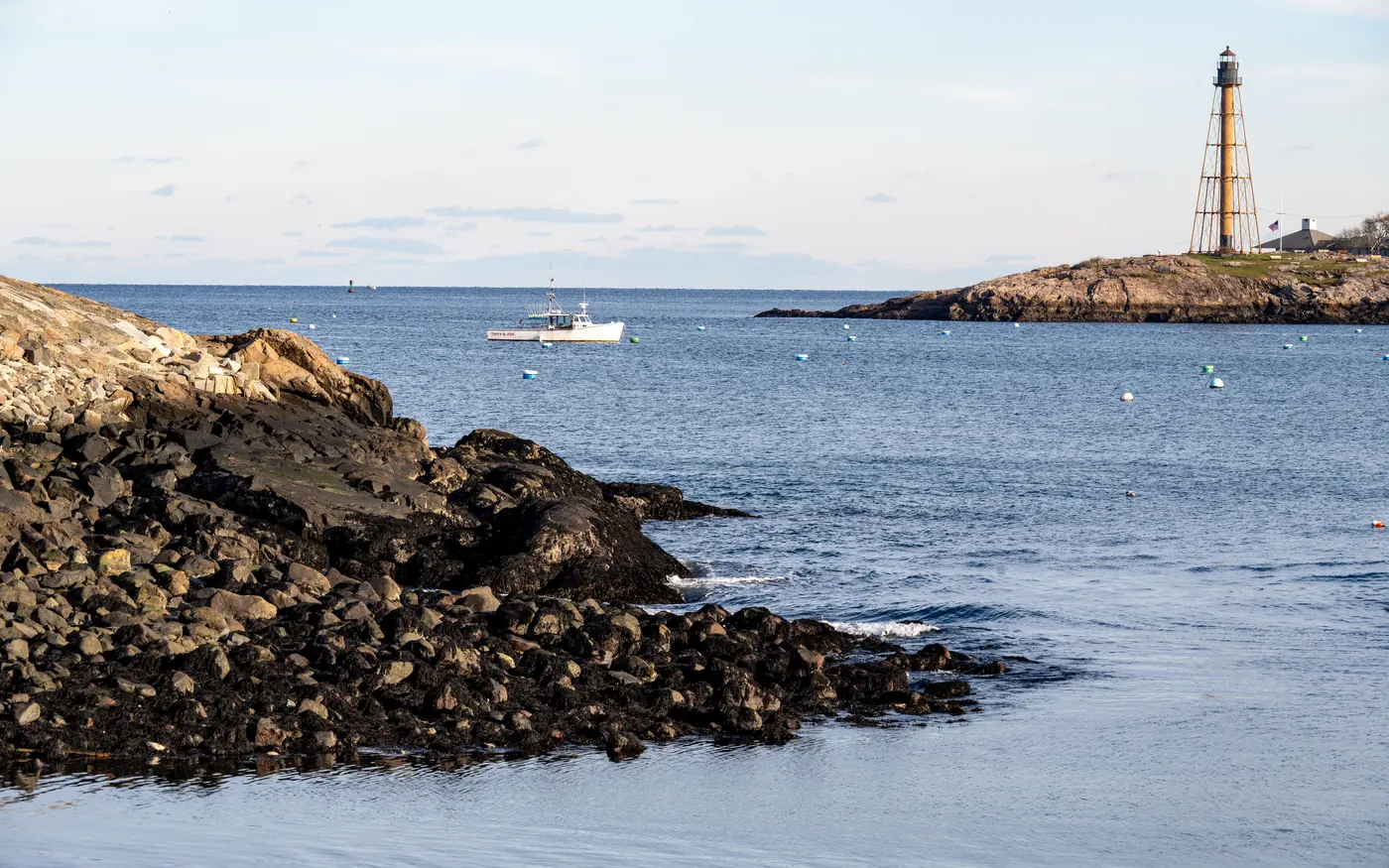
Three things determine whether a New England shore dive is any good, and only one of them is the weather.
- Tide. At Portsmouth sites the river outflow is strong enough to plan the whole dive around slack water. Check the tables before you leave.
- Season. Summer and early fall give the best visibility. Spring runoff and post-storm days are the worst.
- Exposure protection. A 7 mm suit, hood and gloves is the working minimum. Below about 55 °F, a wetsuit stops being comfortable for a full dive.
Tide tables for the whole coast are published by NOAA Tides and Currents, which is the source worth trusting over a phone app.
Shore diving or boat diving?
Everything above is reachable from land, which is most of the appeal. But the two ways of diving this coast suit different days, and it is worth being honest about the trade.
| Shore diving | Boat diving | |
|---|---|---|
| Cost | Free once you own gear | Charter fee per person |
| Schedule | Whenever the tide suits you | Fixed departure times |
| Sites reachable | Whatever you can swim to | Wrecks and offshore ledges as well |
| Entry | Over rock or sand, in full kit | Off the back of the boat |
| Surface support | None — you are on your own | Crew and a divemaster |
| Best for | Short notice, practice, familiar sites | Depth, wrecks, unfamiliar water |
The honest summary is that shore diving costs time and boat diving costs money. Most local divers do both: shore dives midweek when the tide is right, and a charter when they want a wreck or a site they cannot swim to.
One thing a boat gives you that no shore dive does is somebody watching the surface. On a cold entry over slippery rock, that is worth more than it sounds.
Before you go
Shore diving is unforgiving of gear you have not checked. Cold water makes small faults into dive-enders, and there is no boat crew to hand you a spare.
If your kit has been sitting since last season, get it looked at first — see what a service covers and what it costs. If you need to fill cylinders or want an air card, that is handled at the shop. And if you would rather dive these sites with someone who knows them, the shop runs local charters.
It also pays to go with someone who has dived the site before. Local knowledge on a New England shore dive is mostly about entries and exits — where the rock is least slippery, where the surge pushes you, where you can actually get out again if the swell builds while you are down.
Frequently asked questions
Do I need to be certified to shore dive in New England?
Yes. Every site here assumes an open water certification and a buddy. If you are not certified yet, the PADI Open Water Diver course is the qualification that lets you dive these sites without an instructor.
What is the visibility really like?
At Fort Wetherill it runs roughly 5 to 25 feet, and that spread is typical of the region. Summer and early fall give the best conditions; a few days after a blow is usually the worst.
Do I need a drysuit?
Not to start. A 7 mm wetsuit with a hood and gloves covers most of the season, though below about 55 °F a wetsuit struggles to keep most divers comfortable for a full dive. Plenty of local divers move to a dry suit within a season or two.
Why does everyone talk about slack tide?
Because at some sites the tide, not the weather, decides whether the dive happens. Around Portsmouth the Piscataqua outflow is strong enough that dives are planned around slack water.
Can I dive these sites in winter?
People do, with the right exposure protection and training. If your gear has been laid up, have it serviced before the season rather than discovering a problem on a cold entry.
Diving the Seacoast this season?
Divers Den is in Hampton Falls, minutes from most of these sites. We fill cylinders, service gear and run local charters with certified divemasters.