
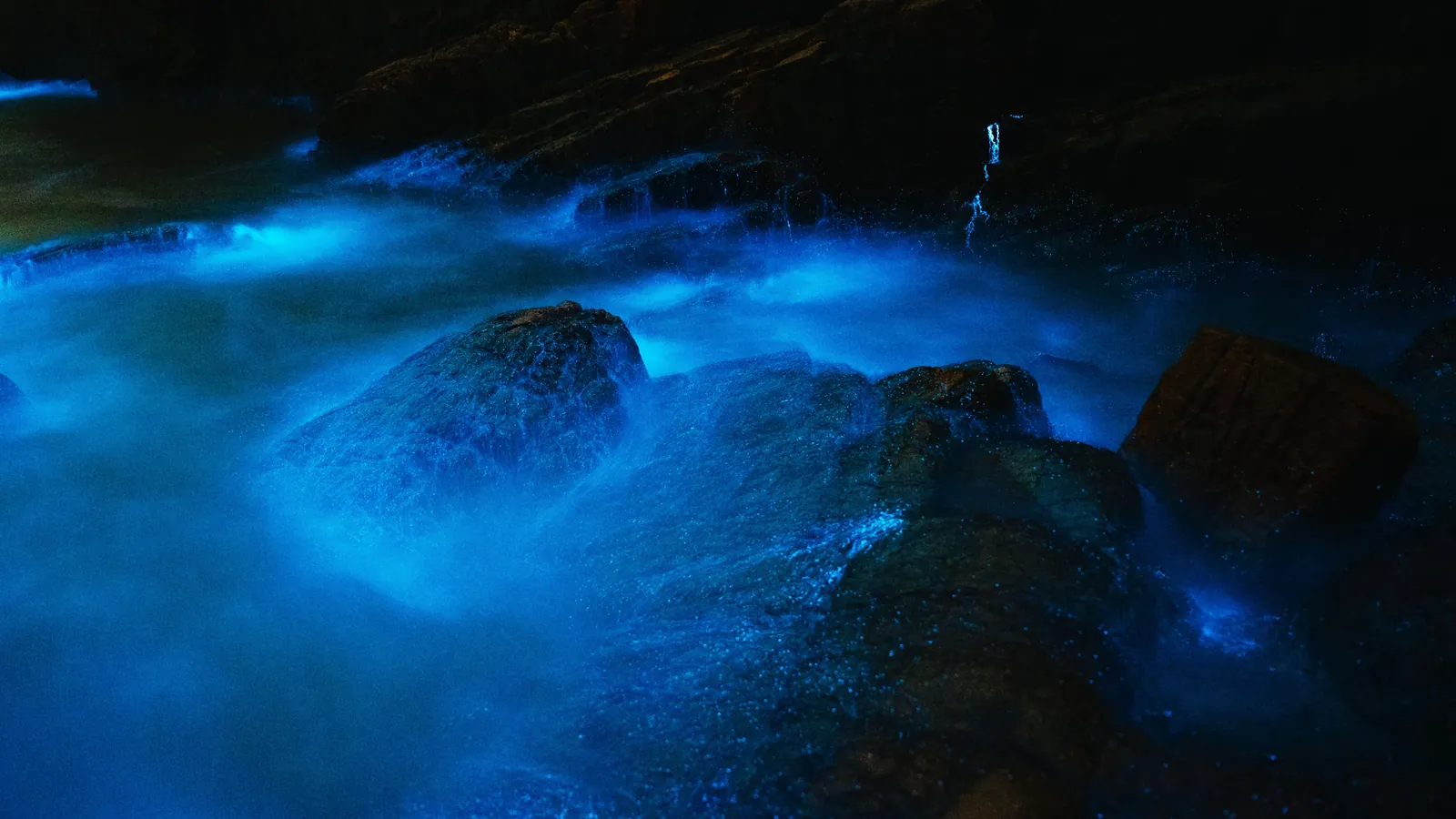
Colors are more vivid at night, not less. Your light is never more than a few feet from what you are looking at, so the water does not have room to strip the red out of it.
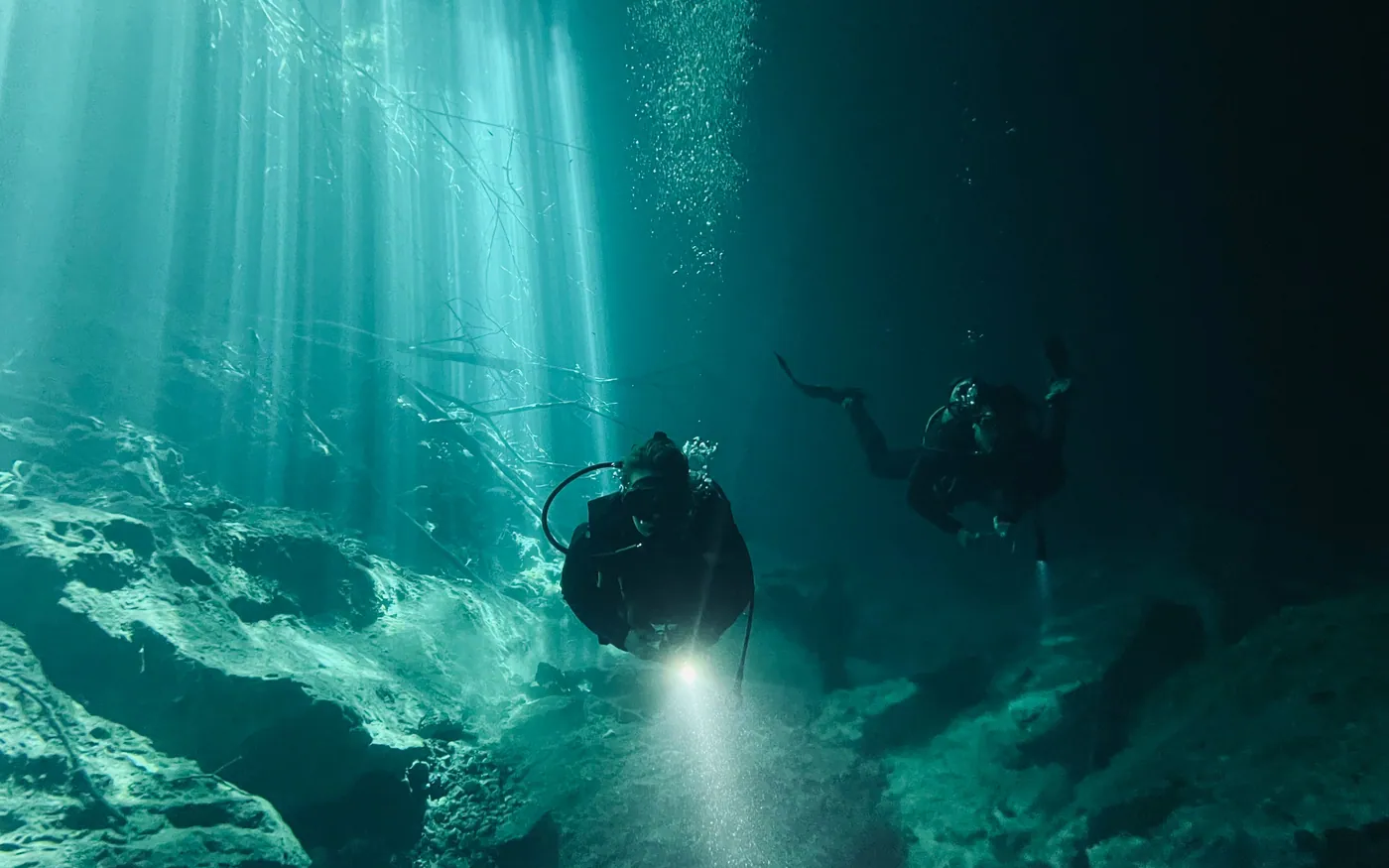
Why local divers take to it easily
There is an argument that New England divers are better prepared for night diving than most, and it is not flattery.
Diving here already means limited visibility, carrying a light in daylight, staying close to your buddy and navigating by compass and by edge rather than by looking ahead. Those are precisely the skills a night dive demands, and local divers have been practicing them all season.
If you are comfortable on a low-visibility dive, you are most of the way to being comfortable in the dark.
A night dive asks for the habits this coast teaches anyway.
What actually changes
The obvious change is that you cannot see far. The interesting changes are less obvious.
- Color comes back. Depth normally strips out red first; a light held close puts it back, so a night dive can be more colorful than the same site at noon.
- Different animals are out. The day shift hides and the night shift emerges, which means a site you have dived twenty times can look unfamiliar.
- Your attention narrows. You look at a cone of light rather than a whole scene, and most divers report noticing far more detail as a result.
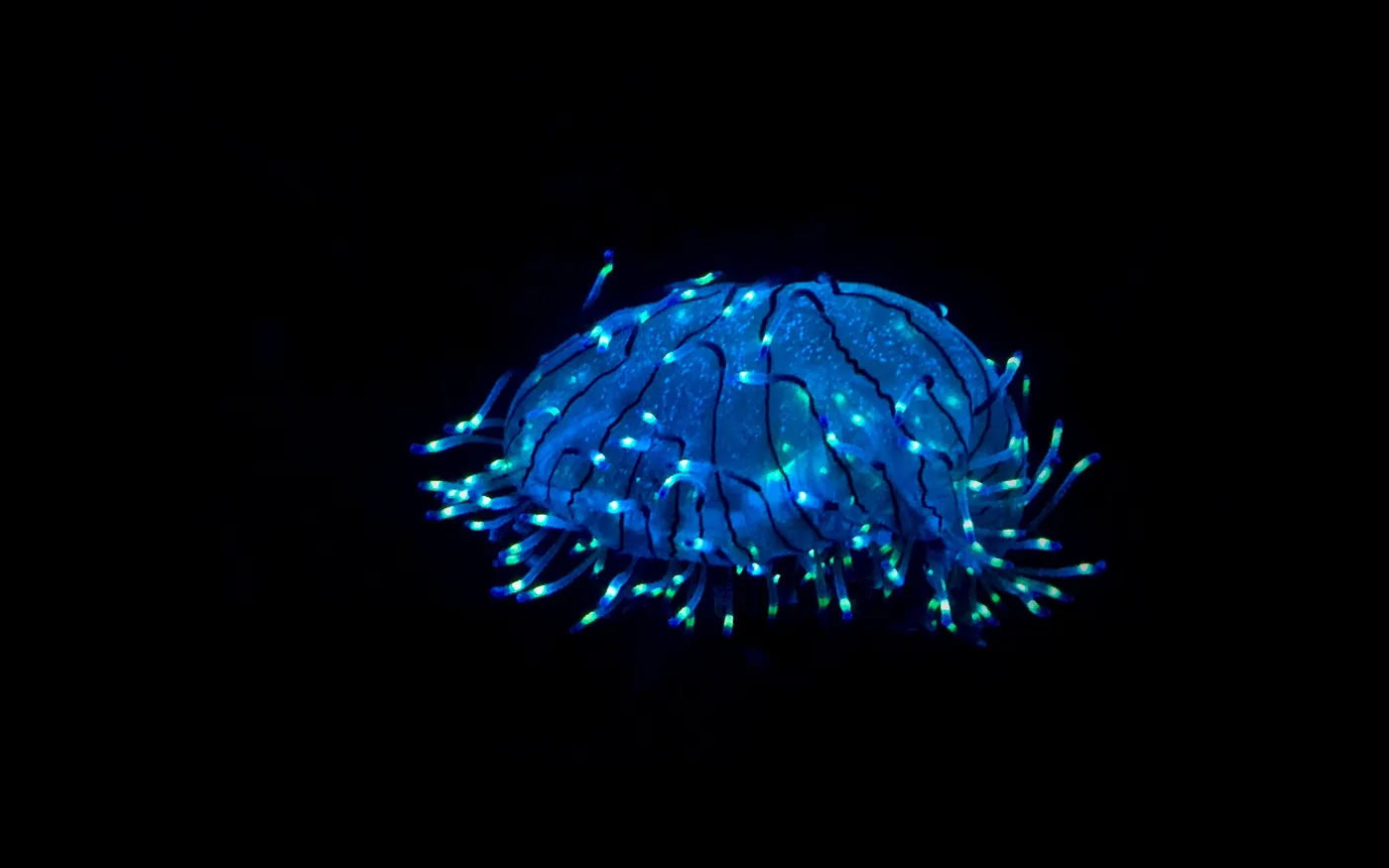
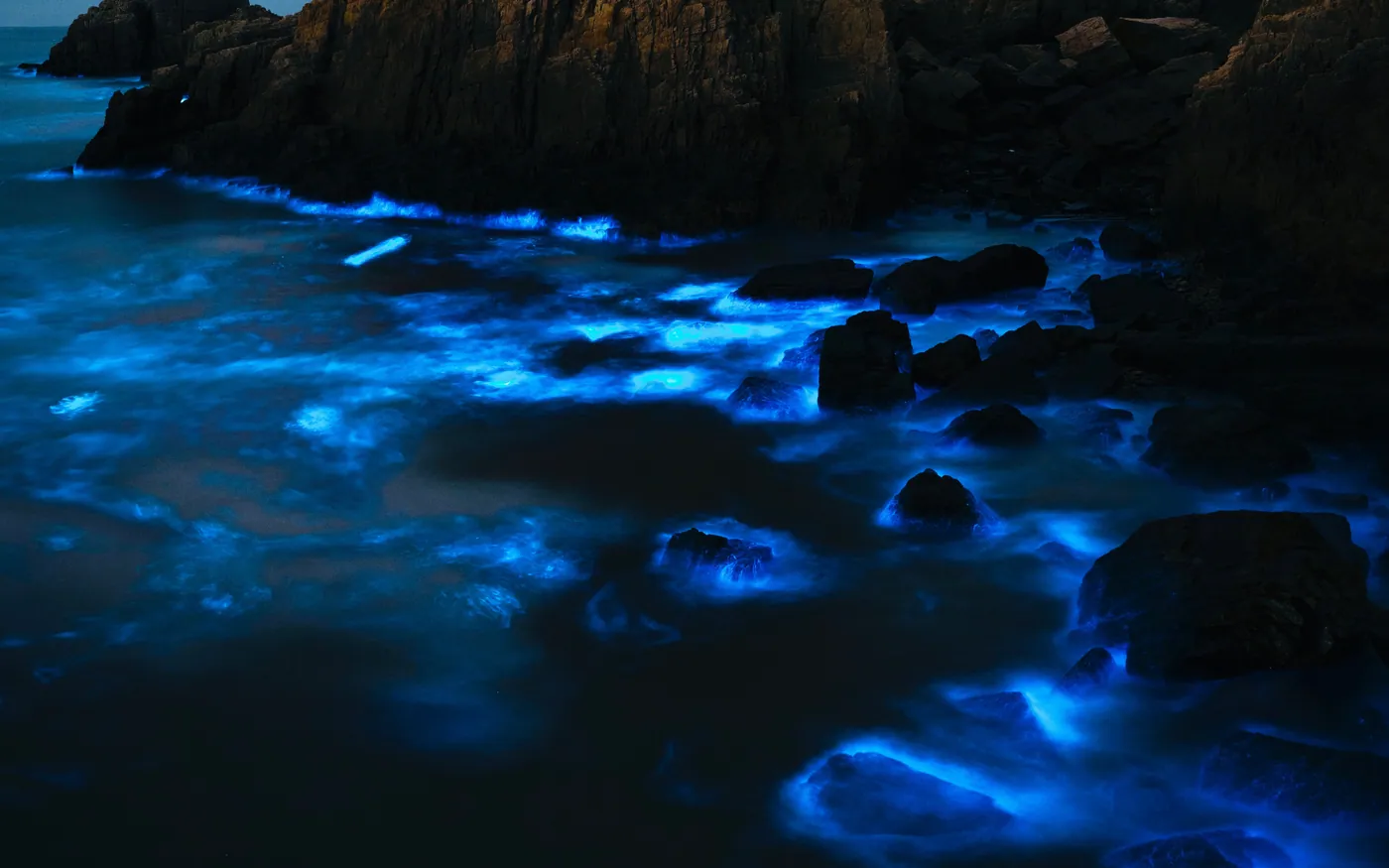
- The plankton can light up. Disturbed bioluminescent plankton flash when you move, which is the thing people remember years later.
Lights, and why you carry two
Your light is not an accessory at night. It is how you see, how you navigate and how you talk to your buddy, which is three single points of failure in one object.
So you carry two: a brighter primary and a smaller backup. Clip both, because most dive lights are negatively buoyant and a dropped light in deep water is simply gone.
A light that dies at night is not a disaster if you have another. Without one it is an ascent in the dark, which is exactly the situation the second light exists to prevent.
Talking with a torch
Hand signals do not work when nobody can see your hands, so the light becomes the language. There are two ways to do it and you should agree which before you get in.
| Signal | Meaning |
|---|---|
| A large, slow circle with the beam | I am OK / are you OK? |
| Quick side-to-side horizontal movement | There is a problem |
| Beam shone on your own hand | Read the normal hand signal I am making |
| Beam pointed at your buddy’s face | Do not — it blinds them |
That last row matters more than it sounds. Night vision takes time to build and a second to destroy. Light the water, or your own hand, not each other. PADI covers signalling and navigation after dark in more detail.
Warm-water divers often describe night diving as a completely different sport from their day dives. Divers here tend to describe it as an extension of one they already know, which is a lower barrier to cross and a good reason not to save it for a vacation.
What it costs you to get wrong
The risks at night are not exotic. They are the ordinary ones with the margin taken out.
Separation is the main one. In daylight a buddy twenty feet away is still a buddy; at night they are gone. That is why the plan for losing each other gets agreed on land, and why the standard answer — search for a minute, then ascend and meet at the surface — only works if you both agreed to it beforehand.
Disorientation is the other. Without a horizon or a visible bottom it is genuinely possible to lose track of which way is up, and the fix is instruments rather than instinct: watch your depth, watch your bubbles, and keep your ascent slow and deliberate rather than heading for a light.
Neither is a reason to avoid night diving. Both are reasons to do the first one somewhere shallow, familiar and supervised.
How to make the first one easy
Almost everything that makes a first night dive uncomfortable is avoidable by choosing the circumstances rather than the site.
- Dive a site you know in daylight. Preferably that same day, so the landmarks are fresh.
- Go at dusk rather than full dark. You gear up in light and the dark arrives while you are already settled.
- Keep it shallow and short. There is no reason for a first night dive to be either deep or long.
- Agree the buddy plan on land. How close you stay, and what you do if you separate.
- Go with someone who has done it. An instructor or a divemaster removes most of the unknowns.
One practical note on timing. Dusk dives are easier to organize than full-dark ones because you gear up in daylight, but they are also short: the light goes faster than you expect once it starts going. Plan the dive around being in the water before the light fades rather than arriving as it does.
Where to do it here
The practical route is to do the first one as part of a course or a guided dive rather than organizing it yourself.
Night is one of the optional adventure dives on the Advanced course, and doing it there means an instructor beside you and the dive counting toward the certification. If you are already certified and want to go, our local charters are run by divemasters who know these sites in daylight and dark, and the shore sites in our shore diving guide are the ones worth learning by day first.
Frequently asked questions
Do I need a certification to dive at night?
No. Night is an optional adventure dive on the Advanced Open Water course and a standalone specialty, but no rule stops a certified diver diving at night. Doing the first one with an instructor is still the sensible route.
How many lights do I need?
Two. A brighter primary and a backup, because a light failure at night turns a straightforward dive into a difficult one. Most dive lights sink, so clip them.
How do you communicate without hand signals?
With the light. A large slow circle means OK; quick side-to-side movement means there is a problem. You can also shine your light on your own hand and make the normal signal. Agree which you are using before you get in.
Is it more dangerous than diving in daylight?
It is less forgiving rather than more dangerous. The risks are separation and disorientation, both of which are handled by planning: a familiar site, agreed signals, and a plan for what happens if you lose each other.
What is the best first night dive?
A dusk dive at a site you already know in daylight. You gear up while you can still see, and the dark arrives while you are already in the water and settled.
Do the first one with someone
Ask about the night adventure dive, or about coming out on a guided local dive. Divers Den has been diving this coast after dark since 1968.