
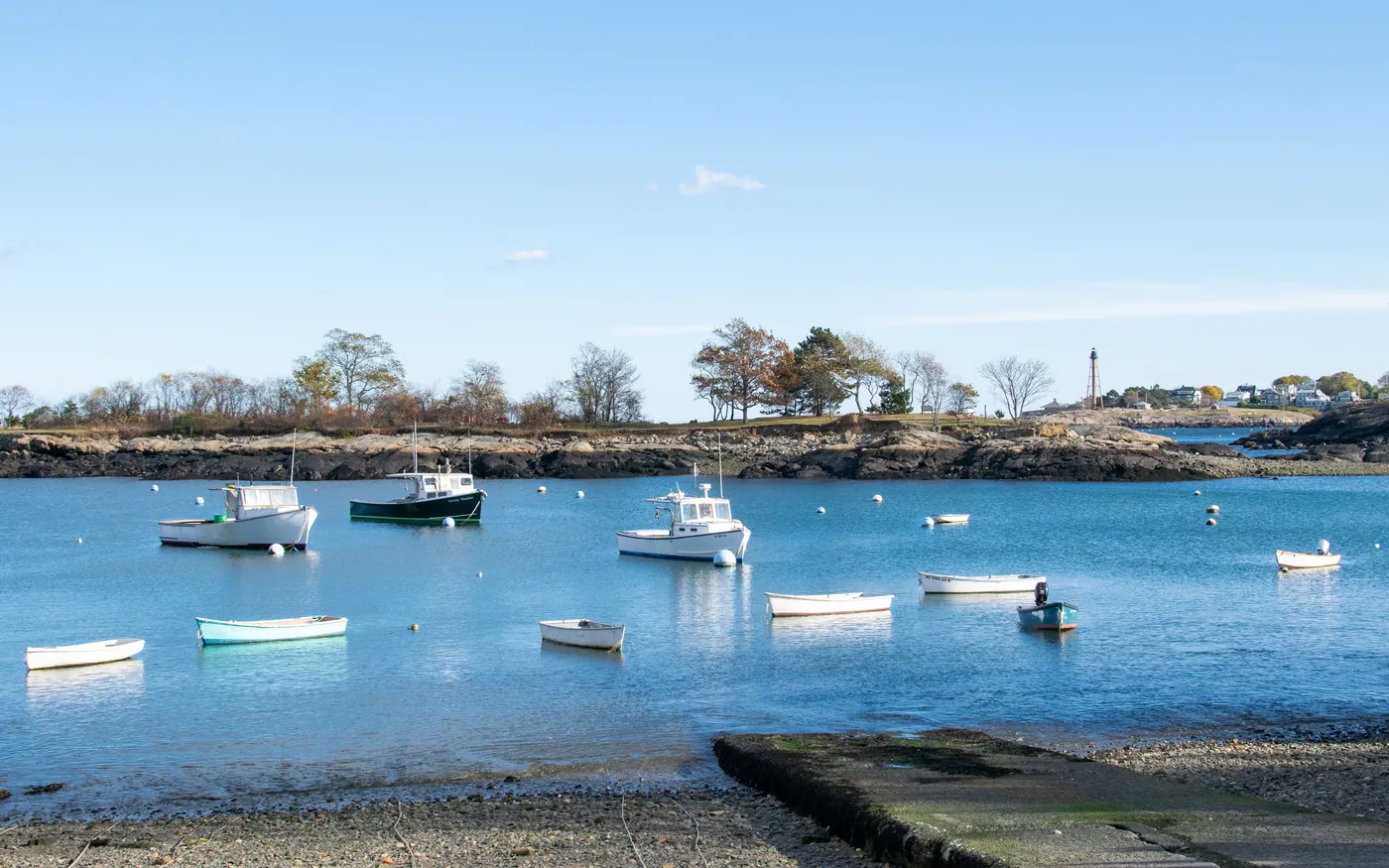
The open water season has a shape. The training year does not stop at all. That distinction is the single most useful thing to understand about diving here, and it is the one most people get wrong.
What actually governs the season
It is tempting to think of the diving year as running from some date to some other date. It does not work like that here.
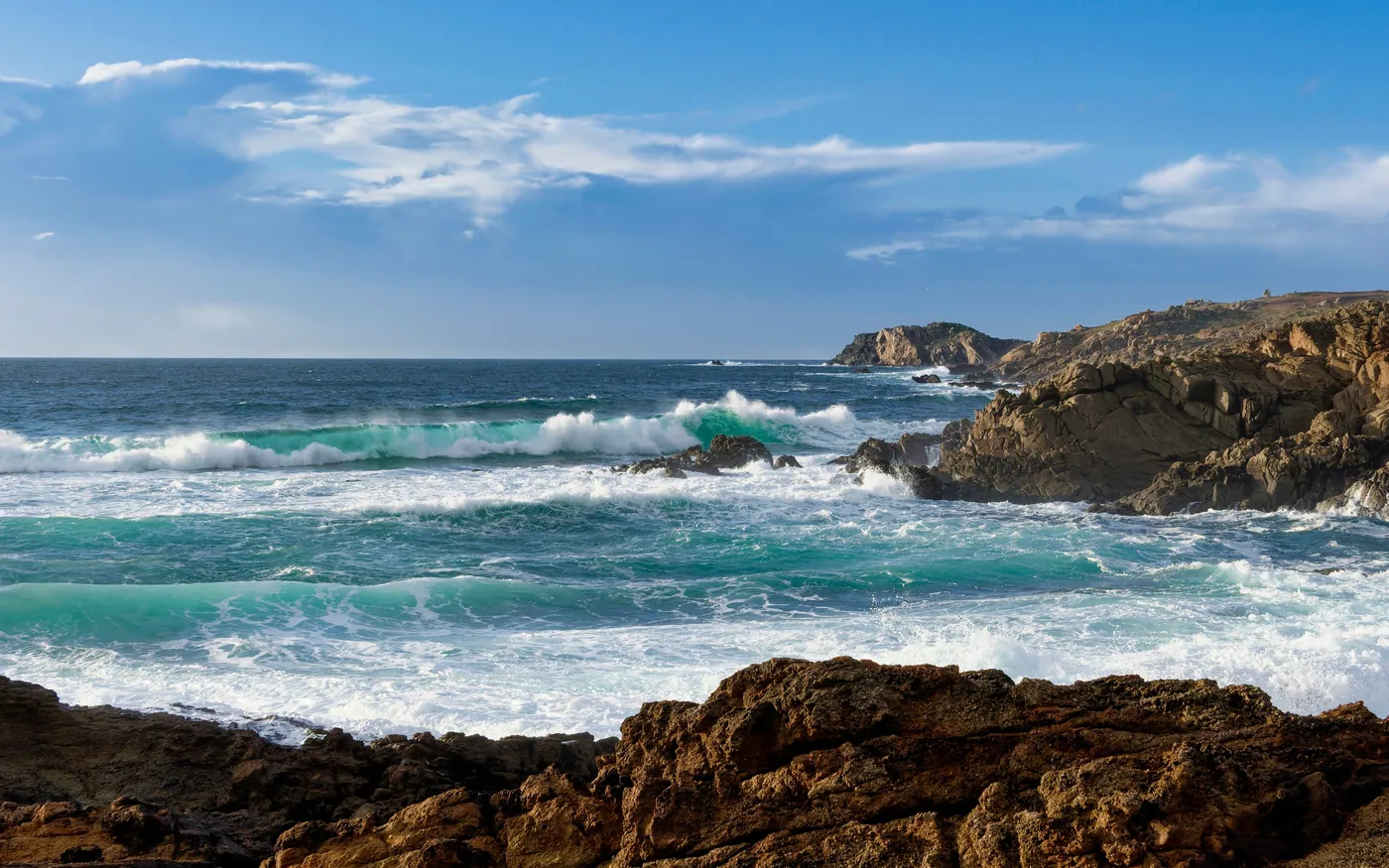
What limits diving on this coast is the number of days the weather is workable, and those thin out at both ends of the year rather than stopping. A calm week in late October can be better diving than a windy week in June, which is why experienced local divers watch forecasts rather than calendars — the subject of reading conditions before a shore dive.
Daylight matters too, and it is easy to forget. A shore dive that is straightforward at six in the evening in July is a night dive by October.
Spring: the water is green for a good reason
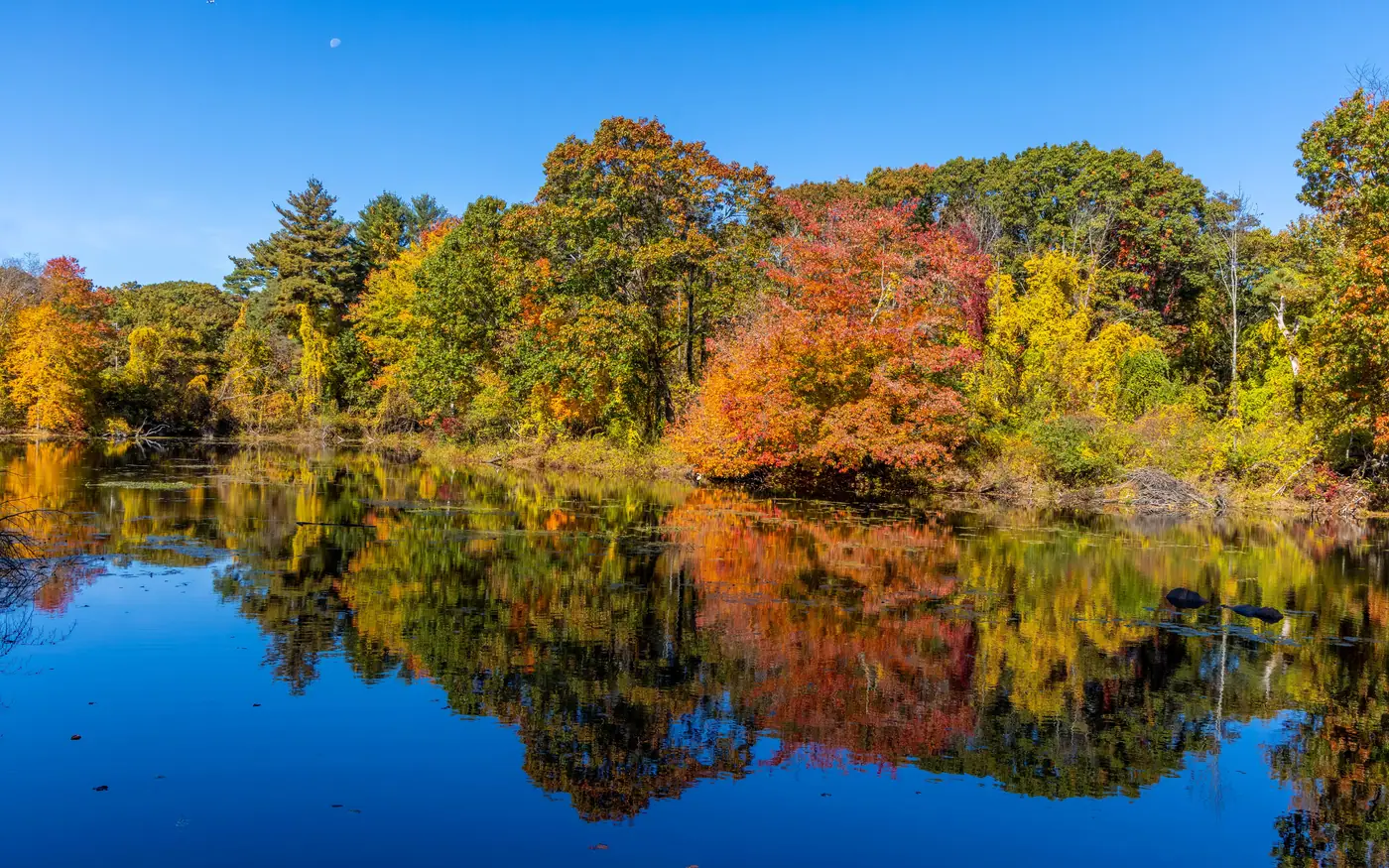
Spring is when the diving restarts and when the visibility is at its worst, and the two facts are connected.
The Gulf of Maine is among the most biologically productive seas in the world, and the spring plankton bloom is what that productivity looks like from underwater. It is also what turns the water green.
The bloom that ruins your visibility in May is the reason there is anything to look at in August.
So spring diving is short-range diving. It suits macro, structure and sites you already know, rather than exploring somewhere new.
Summer into autumn: the good stretch
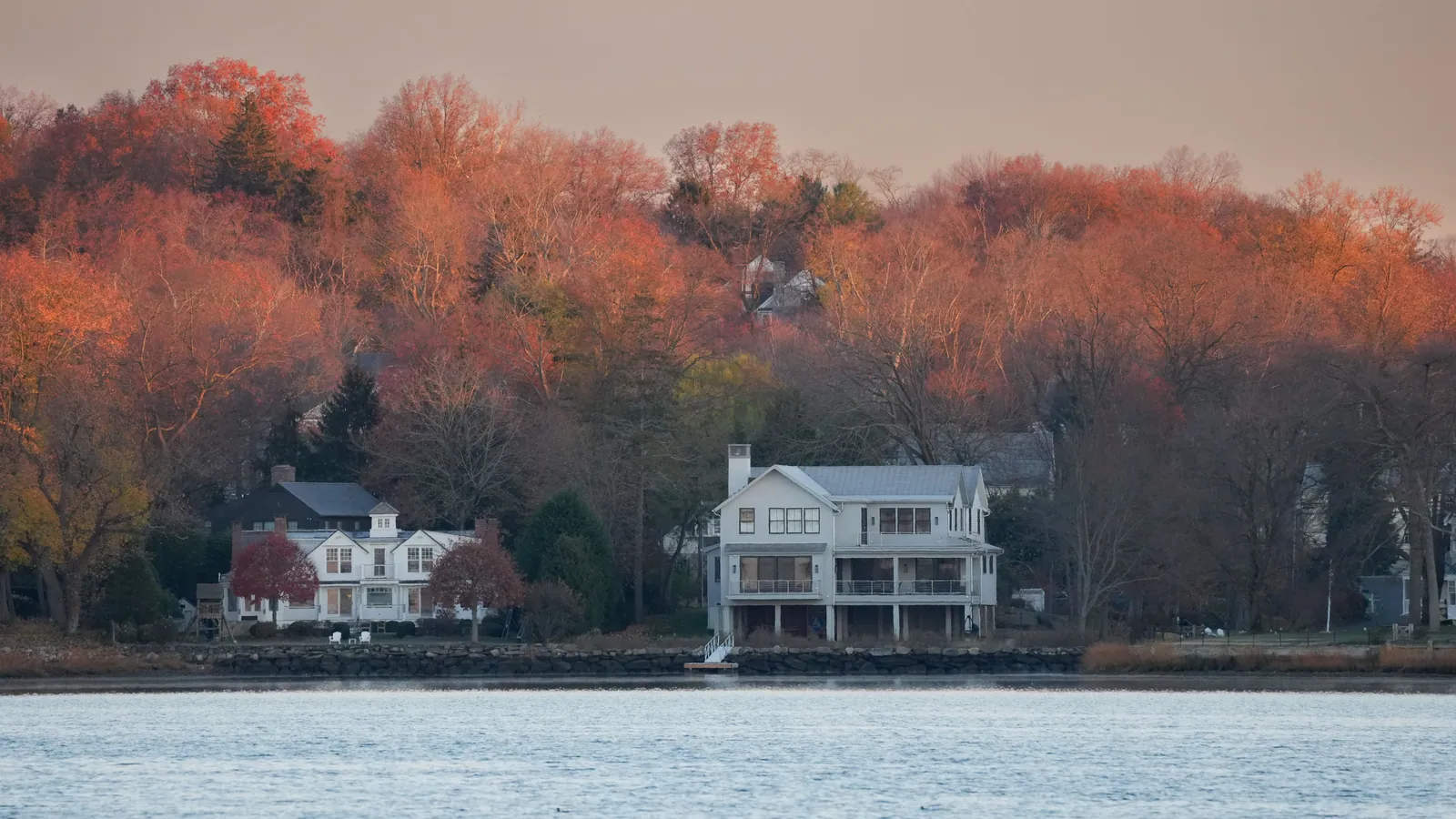
As the bloom settles the water clears, and the best visibility of the year tends to arrive later than people expect.
This is when the offshore diving is worth the trip — the Chester Poling and the boat sites generally, which need both a settled forecast and enough visibility to make the depth worthwhile. It is also when the charters run most reliably.
The underrated part is early autumn. The crowds have gone, the water has had all summer to clear, and the weather is often more settled than in June.
Autumn is also when local knowledge pays. The sites that fish well in October are not always the ones that dived well in July, because the weed dies back and the light angle changes what is visible on a rocky bottom. Divers who have kept notes through the season tend to have their best dives in the last weeks of it, which is not a coincidence.
Winter: the part people waste
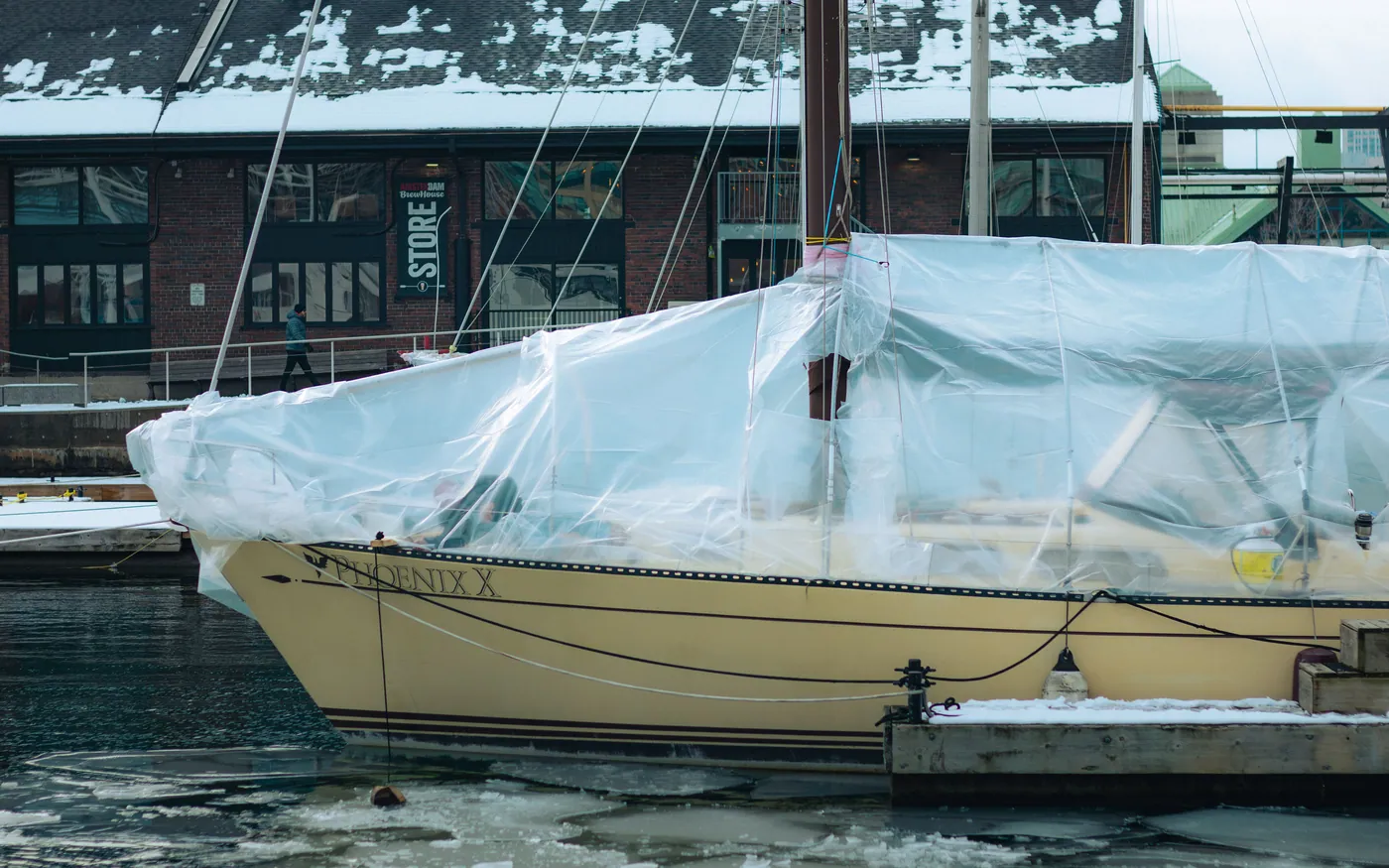
Most divers here treat winter as dead time. The shop runs all year, and the winter is when the work that improves next season actually gets done.
| Task | Why now rather than in June |
|---|---|
| Regulator and BCD service | Same price, and it does not cost you a diving weekend |
| Cylinder testing | Hydro can take up to two weeks when the season is busy |
| PADI eLearning | Runs year-round, at your own pace |
| Confined water sessions | The pool at the shop does not have a season |
| A refresher | Scheduled alongside the Open Water class dates |
| Travel | Somewhere warm, while this coast is unworkable |
The strongest version of this is starting a certification in January. The theory and the pool work are done by spring, and you go straight to your open water dives when the season opens rather than starting the process then.
What the season does to the gear
One thing worth planning for: your equipment has a season too, and it is not quite the same as yours.
Salt and damp do their work over the months gear sits unused, not during the dives themselves. A suit put away almost dry in November is a problem in April, and a cylinder stored empty is a cylinder with a corrosion problem waiting for its next visual inspection.
That is the real argument for dealing with it in the autumn rather than the spring. Gear cleaned, dried and serviced before it goes away comes out ready; gear thrown in a garage in October needs a fortnight of attention in April, which is exactly when you want to be diving instead.
Planning a year around it
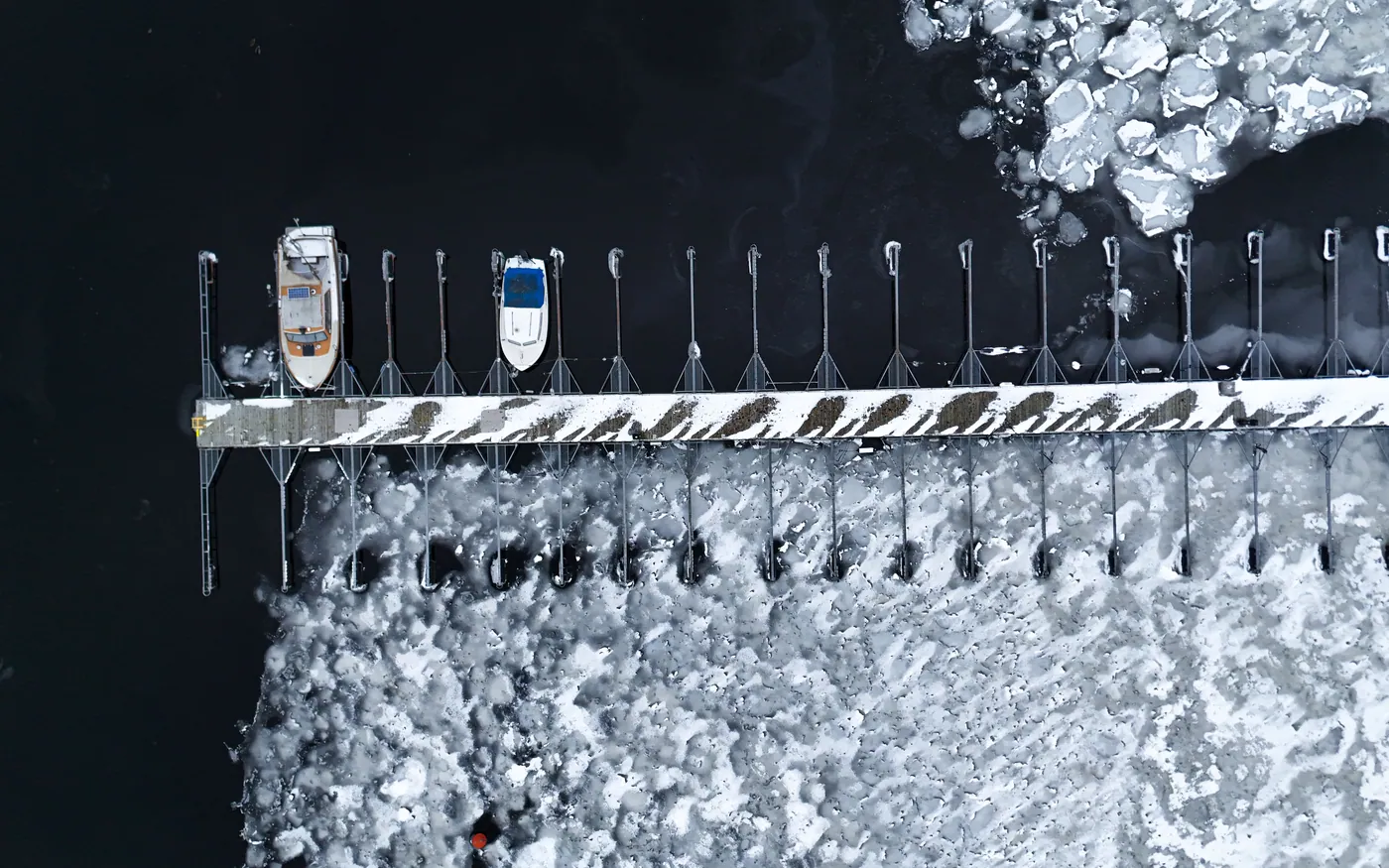
Put together, the year has a fairly clear shape, and divers who plan around it get considerably more diving done than those who wait for good days and react.
- Winter. Service everything. Do the eLearning. Book a refresher. Travel if you are going to.
- Spring. Get wet early and locally, accept the visibility, and rebuild the skills before you need them.
- Summer. Dive constantly. This is when repetition is cheap and shore diving is easy.
- Late season. Do the trips that need good conditions — the wrecks, the offshore sites, the charters.
- Any time. Watch the forecast rather than the calendar.
A note on the shoulder months, since they are the ones people write off. April and November are not bad diving in themselves — they are weeks with fewer workable days in them. A settled spell in either can be excellent, and divers who keep their gear ready rather than packing it away in September get the benefit of those days while everyone else is waiting for the calendar to say it is allowed.
If you are starting out
The practical answer to “when should I learn to dive here” is that there is no wrong time to start, only a wrong time to expect to finish.
Certification has three phases and only one of them waits for the season. Our guide to learning to scuba dive in New Hampshire sets out how they fit together, and a Discover Scuba session runs in confined water at the shop in any month of the year.
Frequently asked questions
Can you dive here in winter?
People do, in drysuits, and the shop runs year-round for training. What stops in winter is not the water — it is the weather windows and the daylight. For most divers the sensible winter plan is training, servicing and travel.
When is visibility best?
Later in the season, generally. The spring plankton bloom is what turns the water green, and as it settles out the water clears. That is also why the diving is worth doing here at all.
Can I start a course in January?
Yes. The eLearning and the pool sessions run all year at the shop; only the open water dives wait for the season. Starting in winter means being certified and ready when it opens.
When should I get my gear serviced?
The off season, every time. It costs the same in February as in June and it does not cost you a diving weekend — and hydrostatic testing can take up to two weeks when the shop is busy.
When do the charters run?
Through the season, weather permitting. Listed times on our local charters are placeholders — you are contacted a few days ahead with the real one, once the forecast has shown its hand.
Use the off season
Book the service, start the eLearning, or get on the trip list. Divers Den is open all year in Hampton Falls.