

The dive is almost never the problem. The entry is. On this coast, deciding whether to go is a skill in its own right, and it is exercised in a parking lot rather than underwater.

Wind is the first thing to look at
Not wave height, and not the temperature. Wind direction, because it is what produces everything else you care about.
An onshore wind pushes water at the entry and builds surf where you have to walk in. An offshore wind flattens the same site. That is why two people can look at the same forecast wave height and reach opposite conclusions about the same beach — the direction was doing the work.
Wind also stirs the bottom in shallow water, so a windy few days ahead of your dive costs you visibility even if it is calm by the time you arrive.
Swell, which is not the same as wind

Wind chop is what the wind is doing now. Swell is what a storm did somewhere else, days ago, arriving as long low waves that look harmless from a distance.
Swell is the one that catches people out, because a glassy-looking surface can still be delivering a long period swell that surges hard against rock. It also keeps working long after the wind that made it has gone.
Calm water and no swell are different claims. Check both.
Tide, and when it actually matters
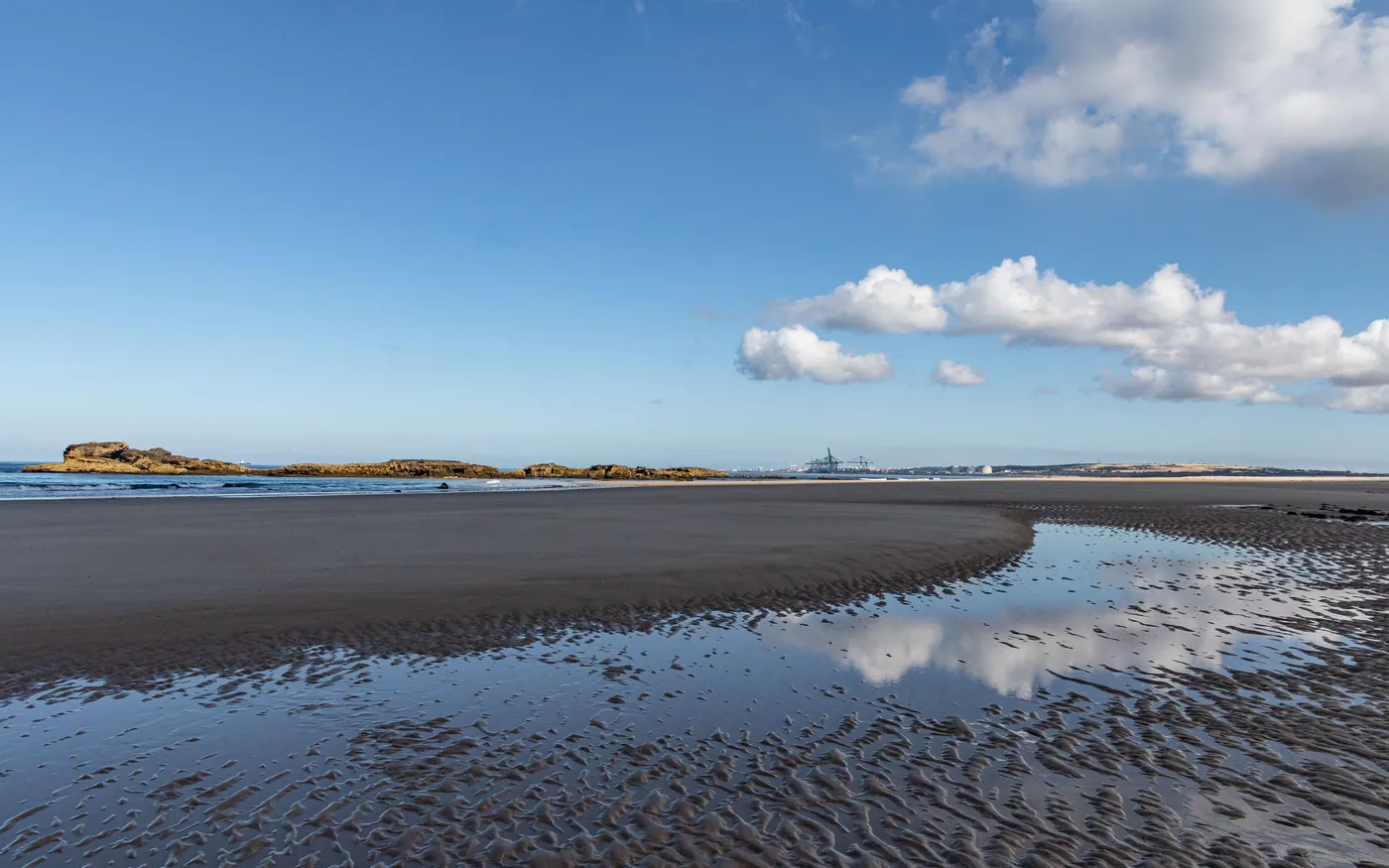
Tide gets treated as a universal rule, and it is not. Whether it matters depends entirely on the site.
| Site type | How much tide matters |
|---|---|
| A channel, inlet or narrows | A great deal — plan around slack water |
| A shallow flat that drains past the entry | A great deal — and it moves silt |
| An open rocky entry on the coast | Less; wind and swell usually decide |
| A steep entry with deep water close in | Mainly for the walk in and out |
NOAA publishes tide predictions by station, and the Fort Point station in New Hampshire covers this stretch of coast. Look it up the night before rather than at the water.
Standing in the parking lot
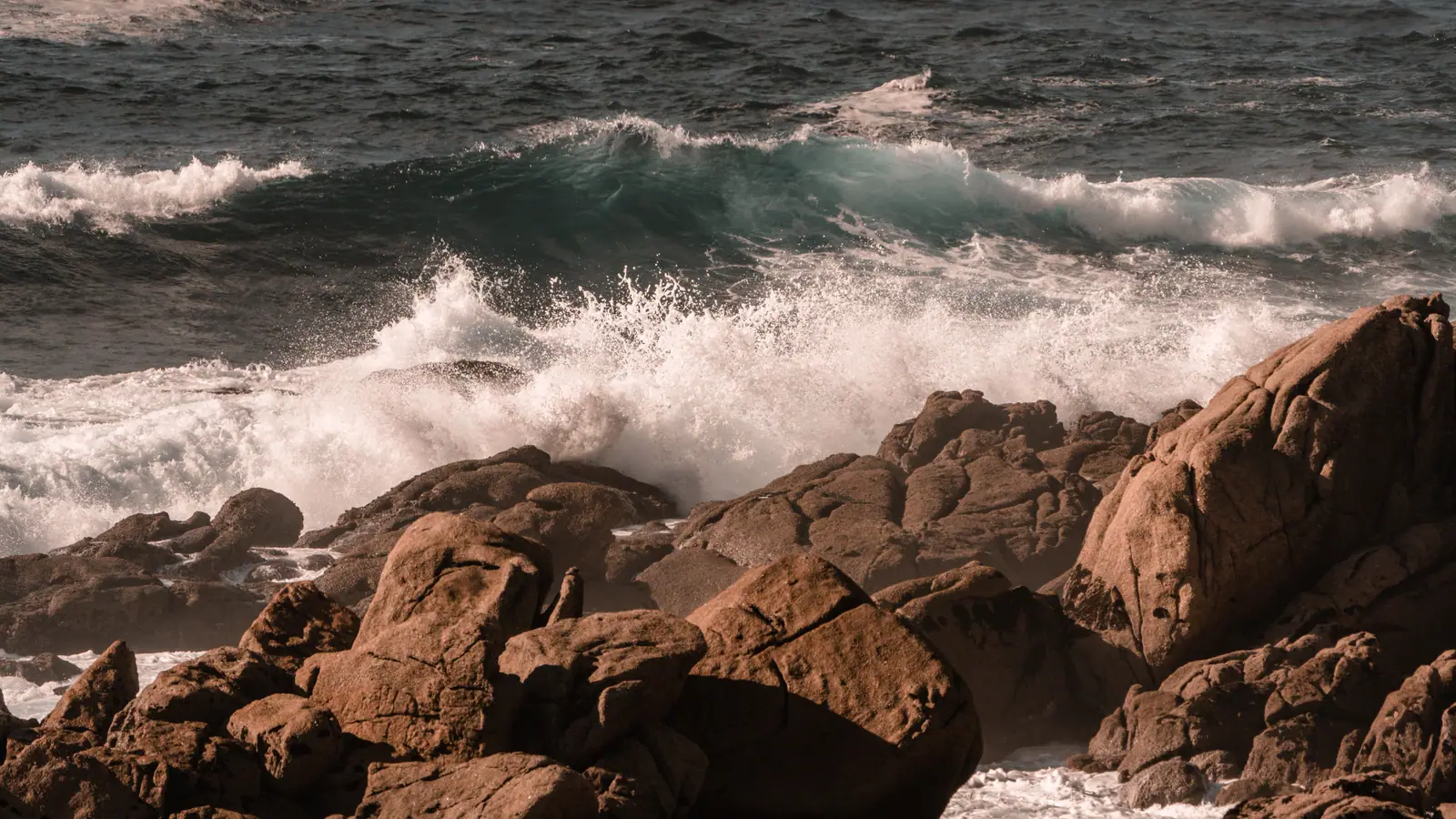
Forecasts get you to the site. The decision happens when you are looking at the water, and it deserves more than a glance.
- Watch for at least five minutes. Waves arrive in sets, and the biggest one is not the one you happened to see first.
- Watch the entry specifically, not the middle distance. Where you will be standing is the part that matters.
- Imagine it in full gear. Wet granite in a 7 mm suit carrying a cylinder is a different proposition from the same rock in shoes.
- Look at the exit too. Getting out is harder than getting in, and you will be tired.
- Ask what other people are doing. If nobody is in the water on a Saturday, that is information.
Getting in and out
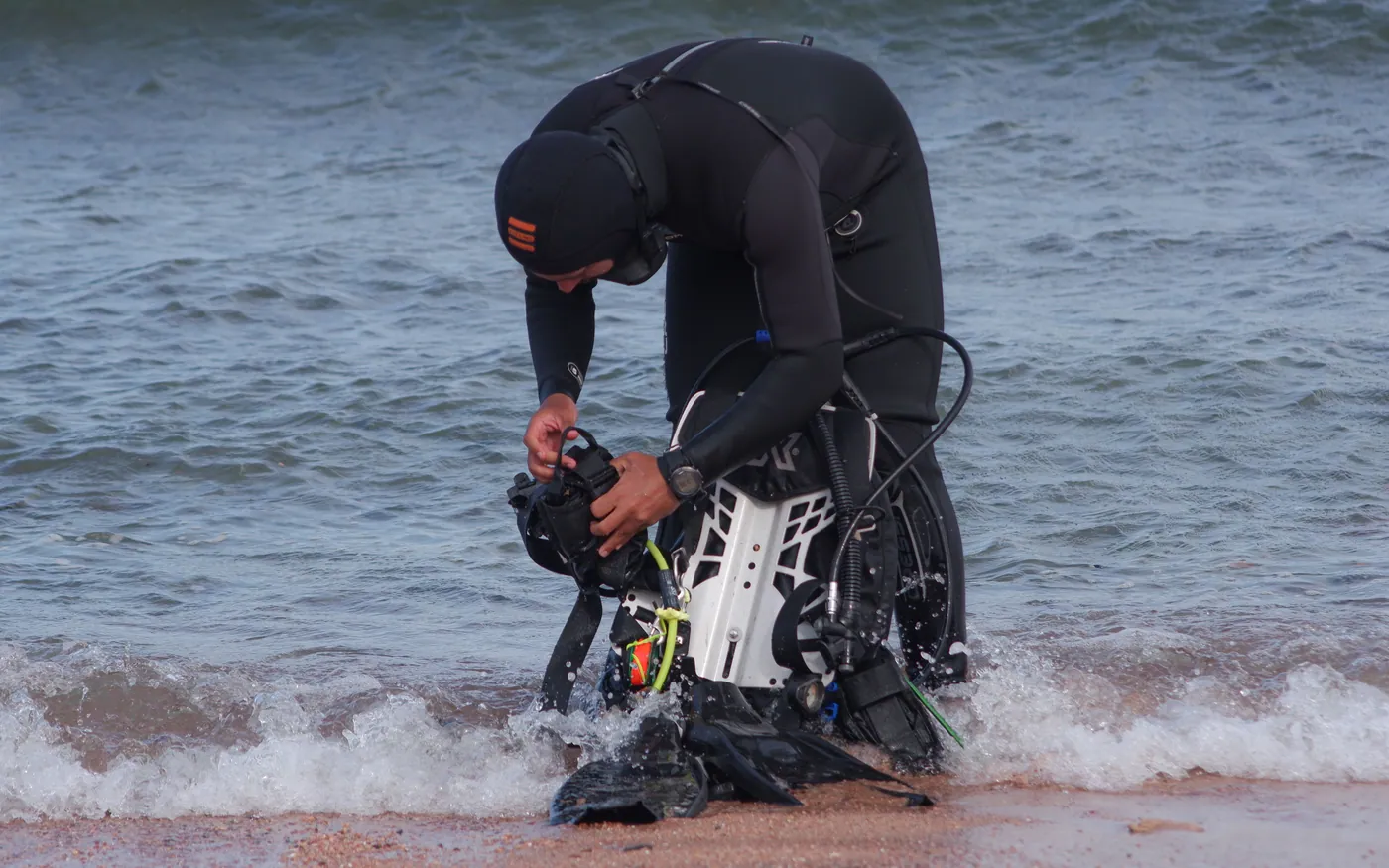
Once you have decided to go, the entry has a technique and it is worth doing deliberately rather than hurrying.
Be fully ready before you step in: mask on your face, regulator in your mouth, BCD partly inflated. The most common shore-diving mishap is being knocked over while still fiddling with something.
- Time it between sets. Watch, wait, then move with purpose.
- Shuffle rather than stride. Rock is uneven and often slick with weed.
- Face the sea. Waves that arrive behind you take your legs out.
- Get below the surface as soon as it is deep enough. The surge is worst in the top few feet.
- Exiting, keep the regulator in until you are standing. That is the moment people get caught out.
Building a second plan
The single change that improves shore diving on this coast is refusing to leave the house with only one option.
Sites here face different directions, and a wind that ruins one often leaves another workable. Having a sheltered alternative in mind converts a wasted drive into an easy dive, and more usefully it removes the pressure to talk yourself into an entry you have already decided against.
That is the real function of a backup site. It is not about maximizing dives — it is about making the decision at the first site an honest one. Our guides to sites in New England and Cape Ann are worth reading together for exactly that reason: they face different ways.
And once you are in, the conditions you accepted at the surface largely dictate what you can see — a surgey day is a low-visibility day, which is its own skill rather than a wasted dive.
It is also worth keeping your own record. A note of which sites worked in which wind, kept over a season, is more useful than any forecast site, because it is specific to the places you actually dive and to what you personally find acceptable. Most experienced local divers have that map in their heads; writing it down just gets you there faster.
The alternative to deciding
There is an option that removes this decision from you entirely, and it is worth stating because divers who dislike making the call keep making it badly.
On a boat, the skipper decides, usually the day before, and you find out by phone rather than standing on wet rock talking yourself into something. We compare the two properly elsewhere, but that is the practical difference on a marginal day.
And if the forecast has ruled out the weekend altogether, it is a good day to check cylinder test dates or get gear in for service — work that always needs doing and never gets done in good weather.
Frequently asked questions
What should I check the night before?
Wind direction and speed, swell, and the tide. Wind matters most on this coast because an onshore wind builds surf at the entry, which is where shore dives go wrong.
Does tide matter as much as wind?
It depends on the site. Somewhere with a channel or a shallow flat draining past you, it matters a great deal. At an open rocky entry, wind and swell usually decide it. NOAA publishes tide predictions by station.
How do I judge surf from the parking lot?
Watch for several minutes rather than glancing. Sets come in groups, and the wave you drive past is not necessarily the biggest one. Then imagine crossing it carrying a cylinder, because that is the actual question.
Is it worth driving if the forecast is marginal?
Sometimes, if you have a sheltered second site in mind. What is not worth doing is driving to one marginal site with no alternative and then talking yourself into it.
When should I call it off?
When the entry looks harder than the dive is worth, or when you are arguing yourself into it. Both are reliable signals. Turning around costs a morning; the alternative can cost more.
Ask what it has been doing
We hear how the local sites have been diving from the people who were there last weekend. Call before you load the car.