
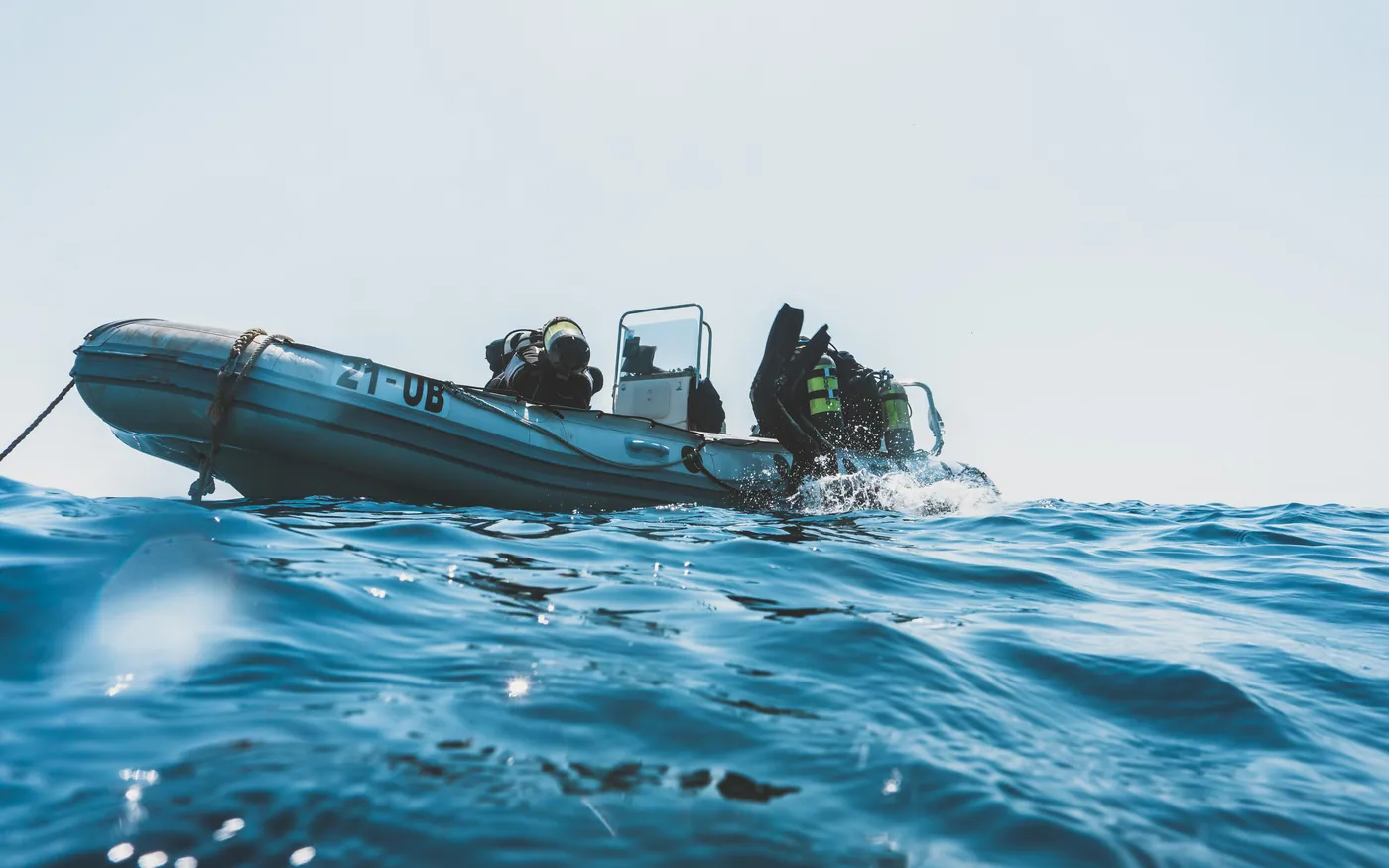
Shore diving is cheaper, more flexible and available whenever you feel like it. A boat reaches the sites that are actually worth the trip. Most divers here end up doing both, for different reasons.
What each one actually costs you
Money is the obvious difference and the least interesting one. The real currency is effort, access and control over your own day.
| Shore diving | Boat diving | |
|---|---|---|
| Cost | Parking, and that is mostly it | A charter fee per person |
| Sites reachable | Whatever is close to a road | Wrecks and ledges well offshore |
| Physical effort | Carrying gear, surf entry, surface swim | Walk on, giant stride off |
| Timing | Whenever you like, tide permitting | The boat’s schedule, not yours |
| Dive length | As long as your gas lasts | Within the boat’s turnaround |
| Weather tolerance | Poor — the entry is exposed | Poor — trips get moved |
| Best for | Practice, spontaneity, cheap dives | Depth, structure, the good sites |
Read the effort row twice. On this coast the walk to the water in a 7 mm suit is the hardest physical part of most shore dives, and the boat removes it entirely.
Where shore diving genuinely wins
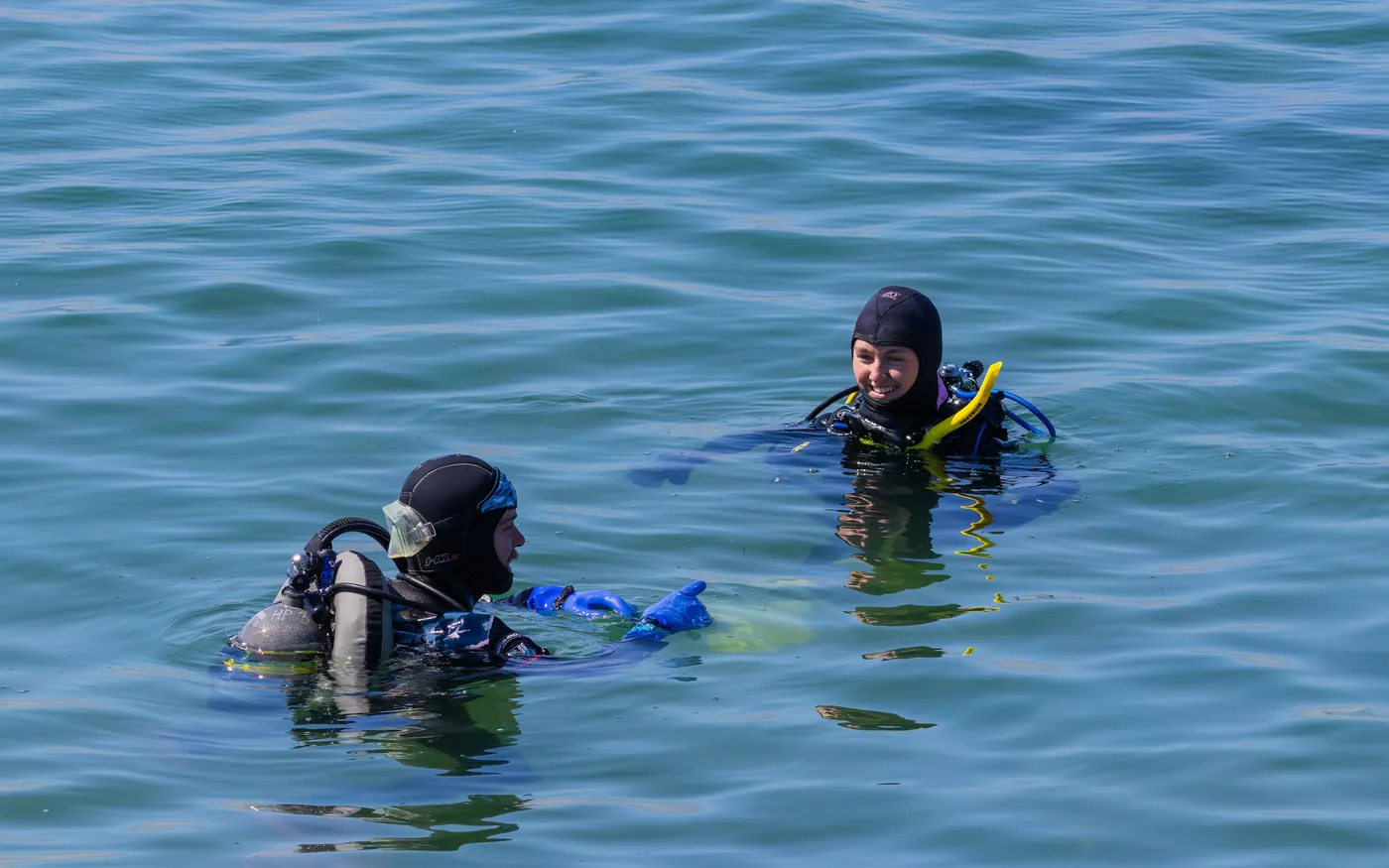
It would be easy to write the boat as the upgrade. That is not right, and the divers who improve fastest here are the ones diving from shore constantly.
You can go on a whim, change your mind about the site in the car, do a two-hour dive without anyone waiting on you, and add a second dive if the conditions turn out better than forecast. None of that is possible on a schedule.
It is also where you practice. Skills get sharp through repetition, and repetition is a question of cost. Our guide to shore diving sites in New England covers the ones within reach of the shop.
The boat gets you to the better site. The shore gets you to more dives.
What a boat buys you
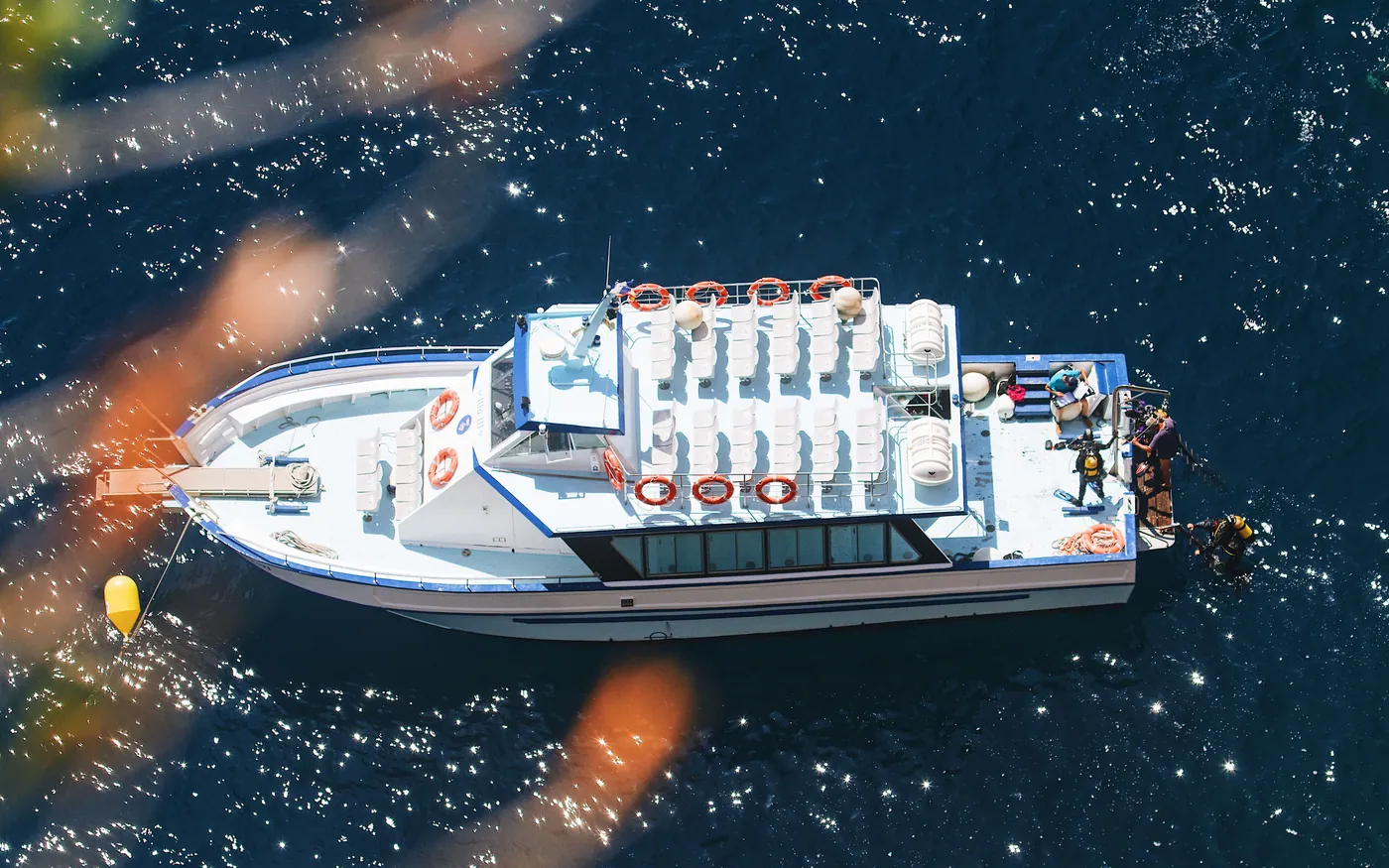
The case for the boat is short and it is decisive: the best diving on this coast is not reachable from a beach.
Wrecks sit offshore, in deeper water, and stay in better condition precisely because they are hard to get to. The Chester Poling is the obvious example — the most popular deep dive in New England, and boat-only.
You also get a divemaster who dives these sites constantly, which is worth more in low visibility than it sounds. Our local charters are run by certified PADI Divemasters; John tends toward Nubble Lighthouse in Maine, and Jason typically runs sites on the Massachusetts North Shore.
What actually happens on a charter day
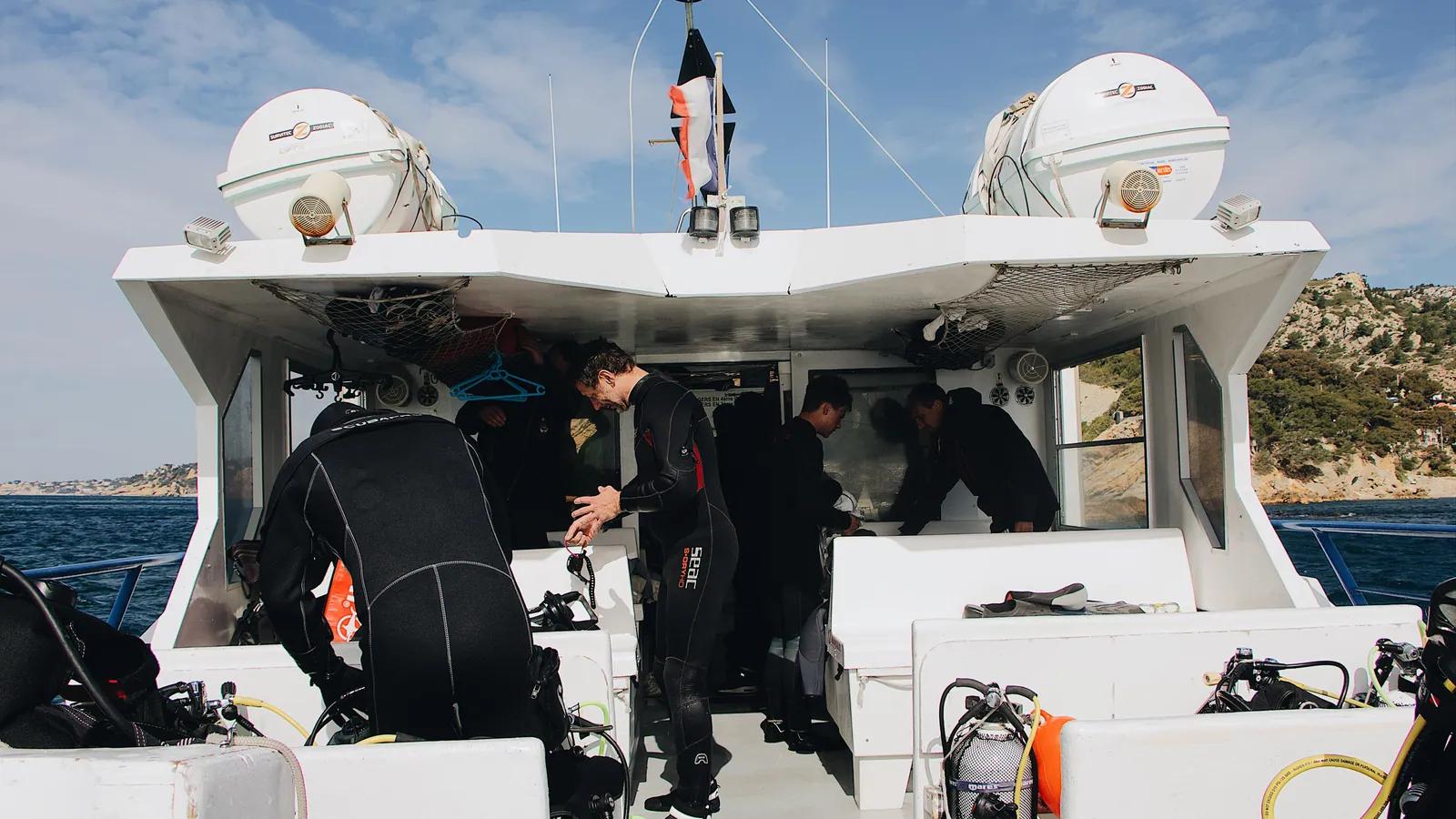
If you have only dived from shore, the boat has a rhythm that nobody explains and everybody assumes you know.
- Confirm the time. Ask whether it is show-up or leave-the-dock. Our own listed times are placeholders; you get the real one a few days ahead.
- Ask before boarding. It is ordinary marine courtesy, and the crew may still be working.
- Set up promptly, in your station. Ask the crew first — every skipper has their own rules about when.
- Listen to both briefings. There will be two: the vessel and its procedures, then the dive site itself.
- Kit up in turn. A dive deck has room for a few people at a time, not everyone at once.
- Do not linger on the surface. Work on the boat or under the water, not floating beside the ladder.
- Go easy on the fresh water. There is less of it than you think, and the buckets are usually labeled for a reason.
SDI has a fuller guide to dive boat etiquette if you want the long version before your first trip.
Getting on and off the boat
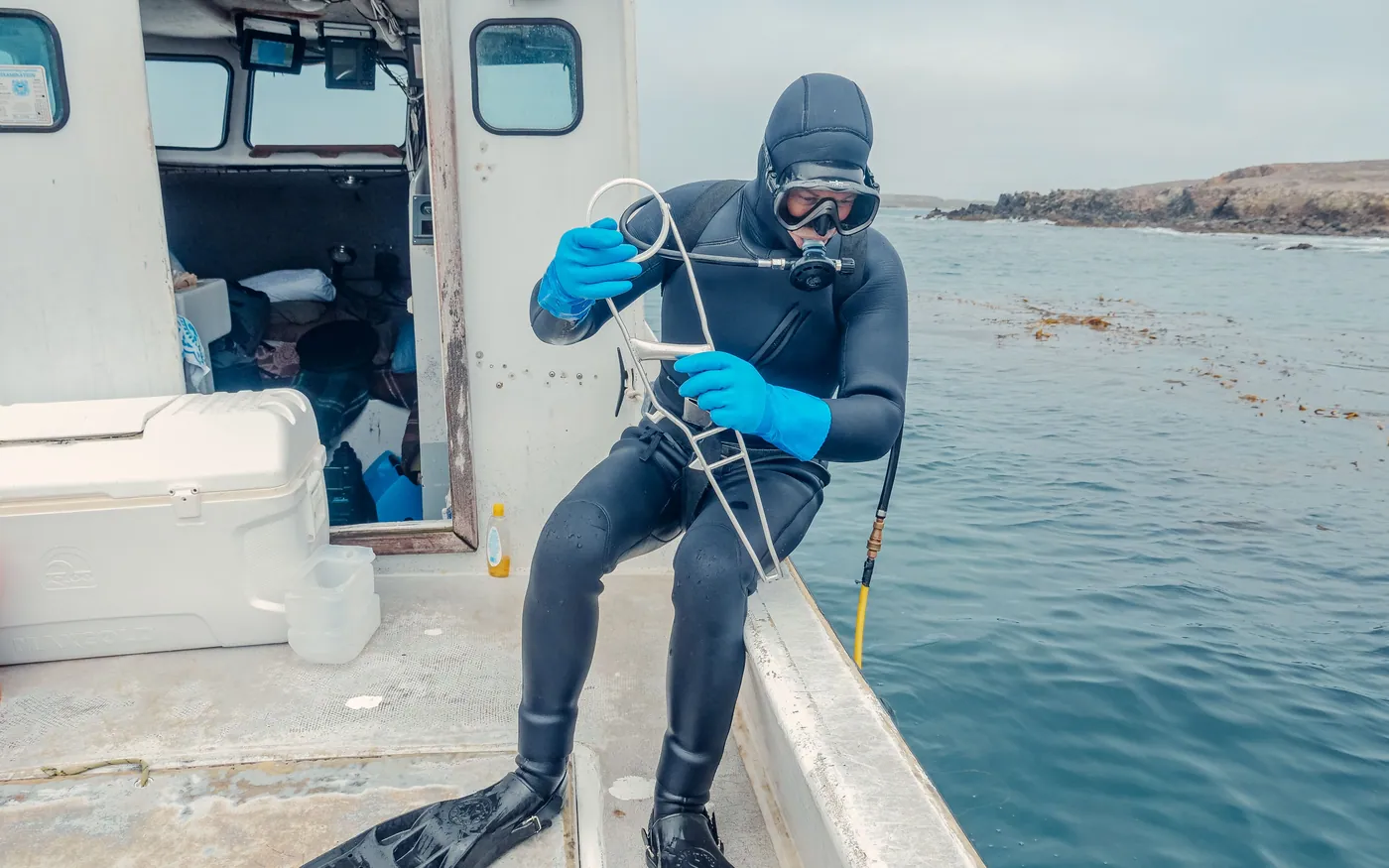
Entries and exits are the two moments new boat divers worry about, and both are simpler than the shore equivalent.
You enter with a giant stride from the side or the stern: regulator in, mask held, one big step, and you are in. You exit up a ladder, usually with a hand from the crew, and fins come off at the bottom of it unless you are told otherwise.
Compare that with wading backwards through surf in full gear and the boat starts to look like the easy option, because on the day it usually is.
The weather problem, which is the same either way
New England does not reliably cooperate with either option, and it is worth knowing how each one fails.
A shore dive fails at the entry. Surf that looks manageable from the parking lot is a different proposition in full gear, and the decision to turn around has to be made by you, standing there, with the drive already behind you.
A boat fails earlier and more kindly. The skipper makes the call, usually the day before, and you find out by phone rather than standing at the water line. That is frustrating the first time it happens and genuinely preferable once you have talked yourself into a shore entry you should have walked away from.
Either way, have a second plan. A cancelled charter is a good day to check cylinder test dates or drop gear at the service counter, which is work that always needs doing and never gets done in good weather.
So which should you book?
If you are newly certified, dive from shore until the gear stops feeling like an obstacle, then book a charter. The boat is more rewarding when you are not spending the dive thinking about your equipment.
If you are comfortable and want the diving this coast is actually known for, book the boat and accept that weather will move it occasionally. Either way, renting what you do not own yet keeps the cost of finding out low.
Frequently asked questions
Do I need a boat certification?
No. Boat is an optional adventure dive on the Advanced Open Water course and a standalone specialty, but no charter requires it. What you need is your certification card and a willingness to listen to the briefing.
What time does the boat actually leave?
Ask whether the time you were given is the show-up time or the departure time, because they are not the same and the boat will not wait. Our own charter times are treated as placeholders — you are contacted a few days beforehand with the real one.
Should I tip the crew?
In the US it is customary, and something in the region of 10 to 15 percent of the trip cost is the usual range. It is not universal everywhere, so ask the operator if you are unsure.
What if I get seasick?
Treat it as likely rather than unlucky and deal with it before you board, not after. Stay on deck, watch the horizon, and take whatever remedy works for you well ahead of departure — it is far easier to prevent than to fix.
Is boat diving harder than shore diving?
It is usually easier once you are in the water and slightly more demanding before you get there. You skip the surf zone and the long surface swim, but you are on someone else’s schedule and you have to be organized.
Get out on the water
Our charters are run by PADI Divemasters who dive this coast constantly. Ask what is on the calendar and what conditions have been like.