
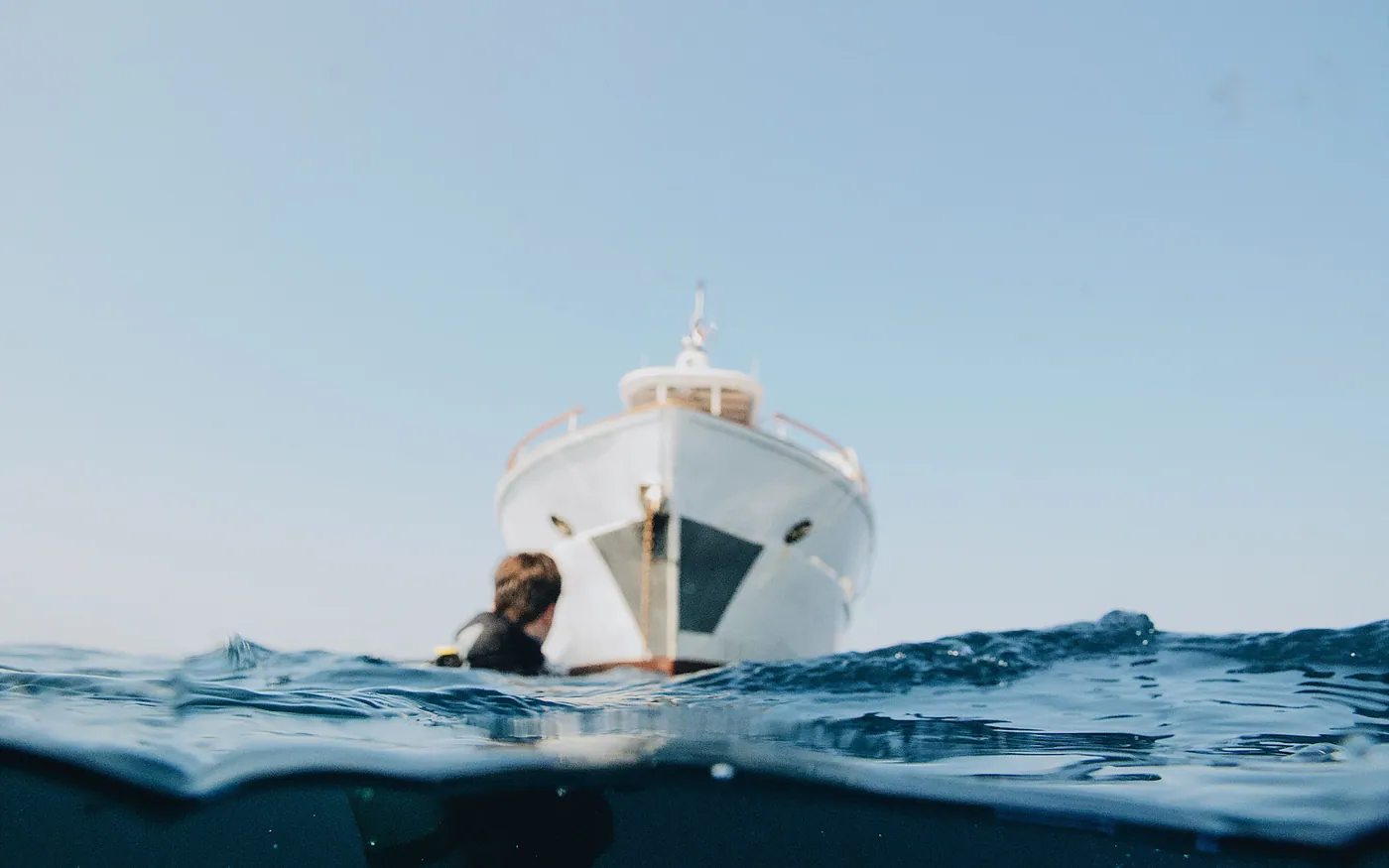
Boat diving is not harder than shore diving. It is just more social, more scheduled, and full of small conventions nobody explains. Here is the whole day, in order.
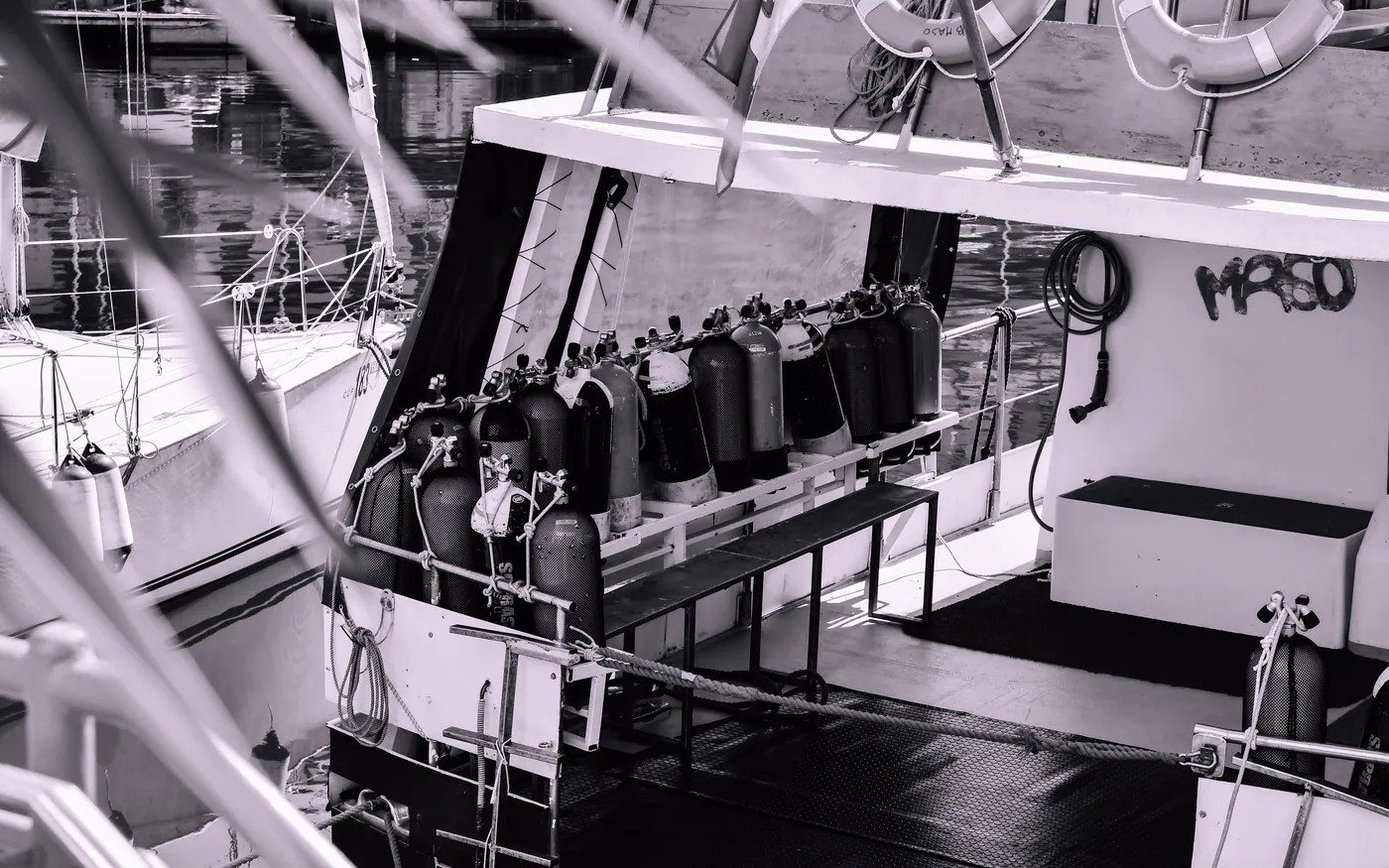
Before you leave the house
Most of what goes wrong on a charter was decided the night before.
- Check what time you were actually given. Show-up time and departure time are different things and crews do not always say which one they mean.
- Ask what is provided. Water, snacks, weights and cylinders vary by operator, and assuming is how you spend three hours thirsty.
- Pack a dry bag for shore clothes, wallet, phone and a towel. Everything on an open deck gets wet eventually.
- Bring cash for the crew.
- Check your own gear the night before. The boat is a poor place to discover a perished mouthpiece, which is what a save-a-dive kit is for.
- Sleep, and go easy the night before. Tired and dehydrated is a bad way to start a day of diving for reasons covered in decompression sickness.
Arriving and loading
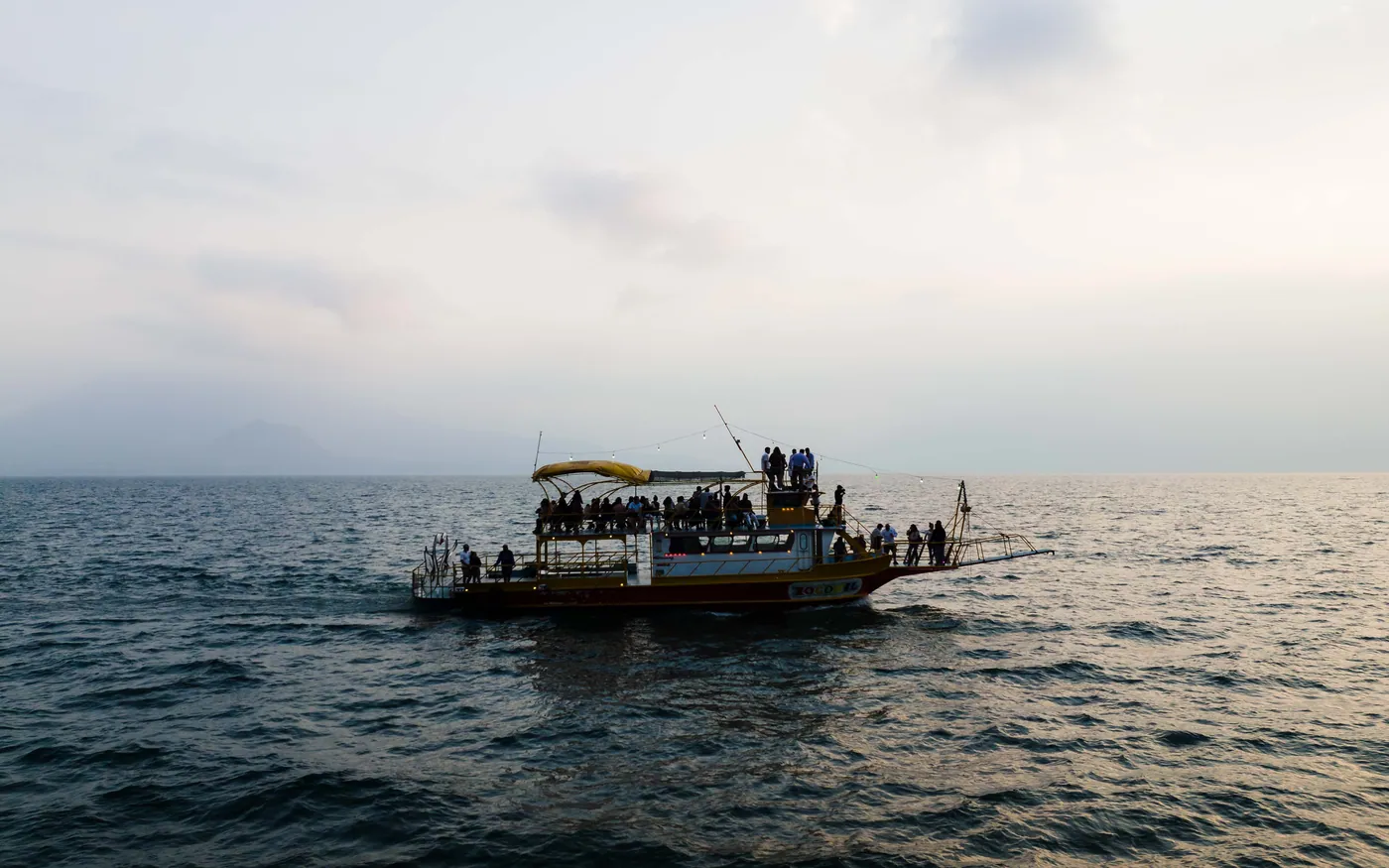
Ask before you step aboard. The crew may still be fuelling, rigging or moving things, and boarding into the middle of that is the first small mistake most people make.
You will be shown a station — a slot in the cylinder rack and a patch of bench. That is your territory for the day, and the unwritten rule is that it stays your territory and nothing of yours spreads beyond it. Ask whether to set up now or later; practice genuinely varies between skippers.
Once your cylinder is in place, deflate the BC completely, fold the straps in and tuck the hoses against the tank. It takes ten seconds and it is the single most visible courtesy on a dive boat.
The two briefings
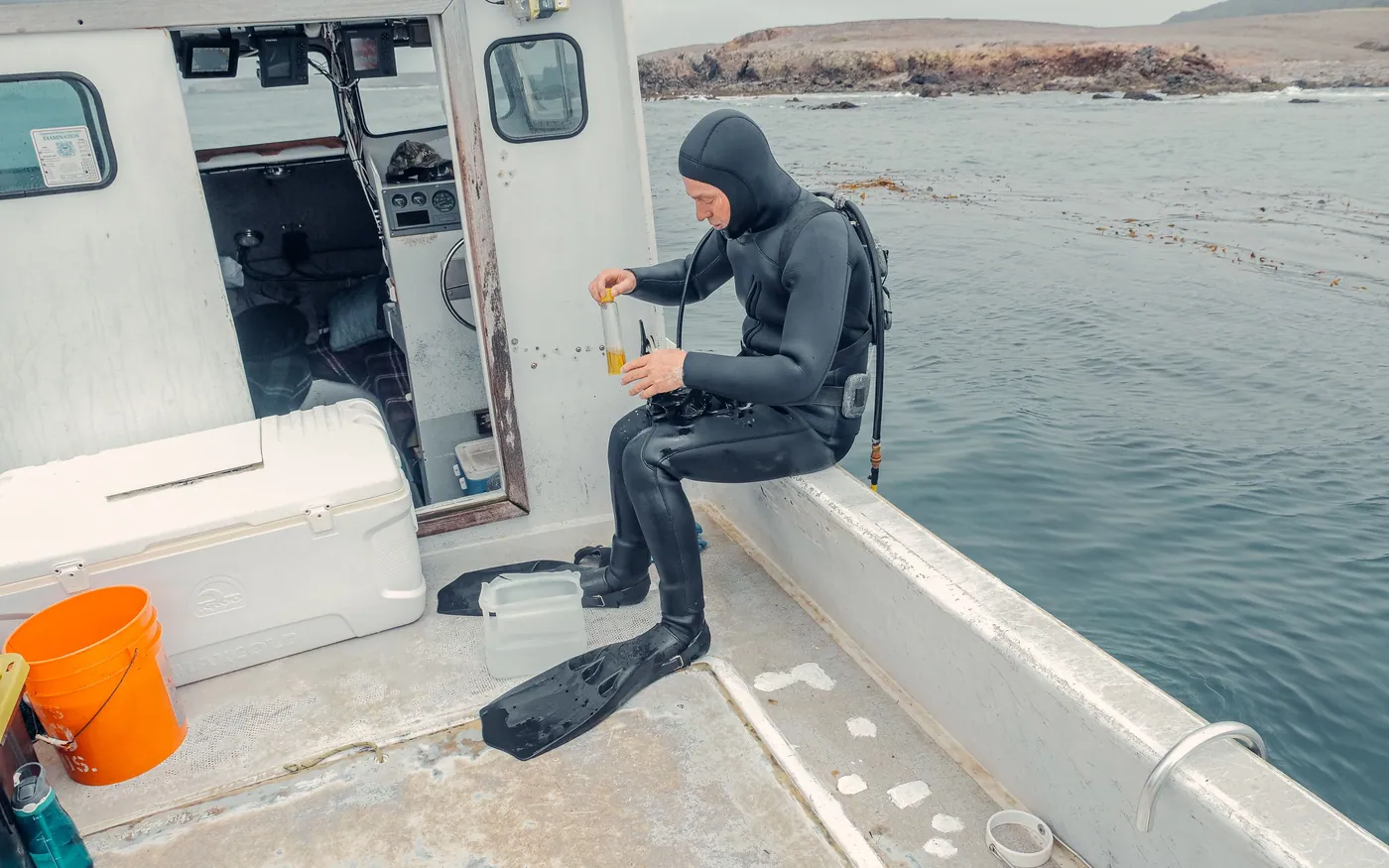
You get two, they are quick, and divers routinely half-listen to the first.
The vessel safety briefing covers the boat: life jackets, the radio, flares, first aid and oxygen, and the head. Make a mental note of where the oxygen is even if nothing ever comes of it — the reason is in decompression sickness.
The dive briefing covers the site: depth, expected conditions, the shape of the dive, how long you have, and specifically how the crew wants you to enter and exit. That last part is not a suggestion. Every boat has its own way of doing it and the crew has watched a great many people do it badly.
Getting in and getting back
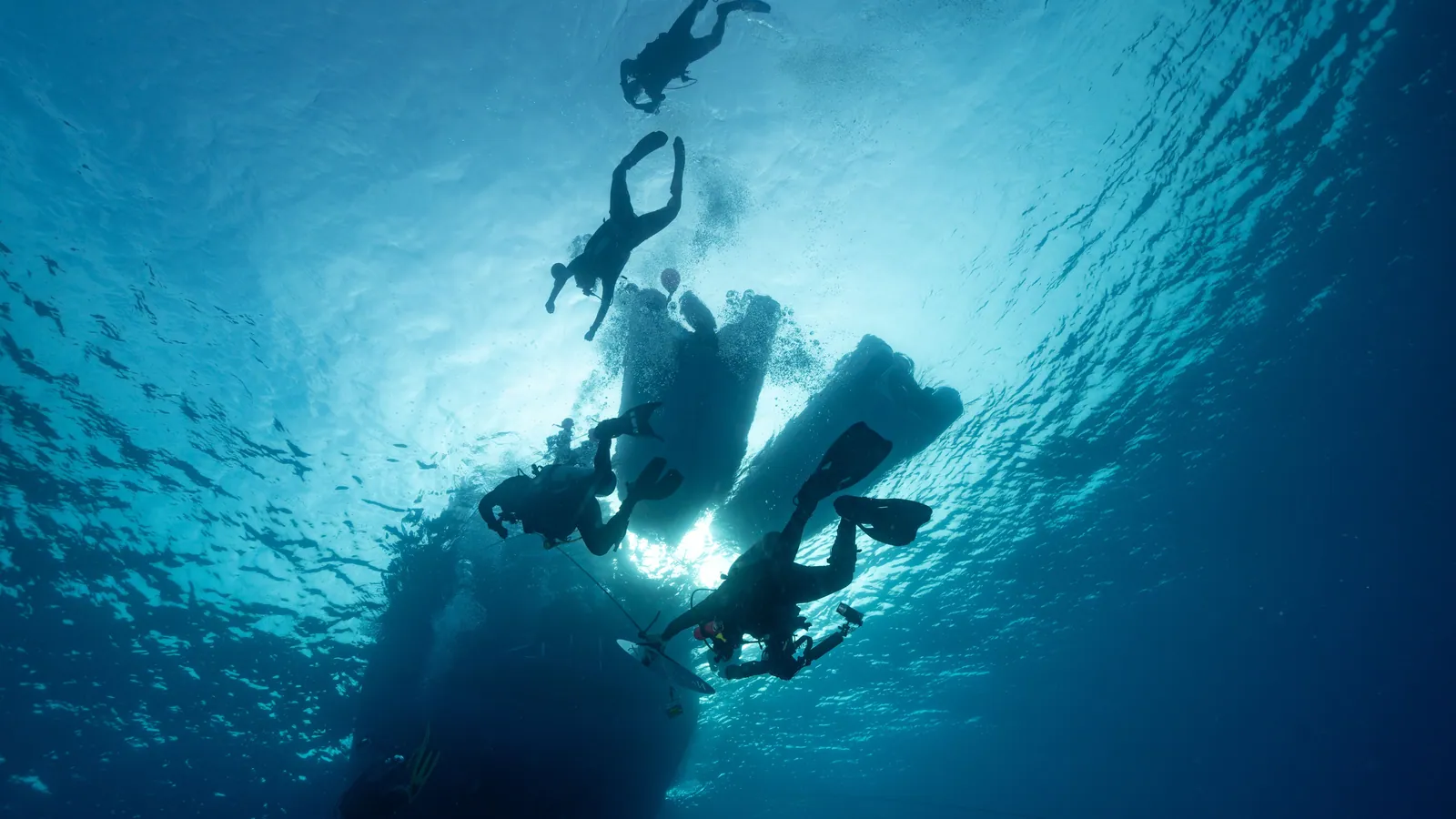
Entries are the part newer divers worry about and they are largely a matter of not dawdling.
Kit up when told, not early — standing in full gear on a moving deck is tiring and unsteady. Go when it is your turn, hold your mask and regulator, and once you are in, get clear of the entry point promptly so the next person is not landing on you.
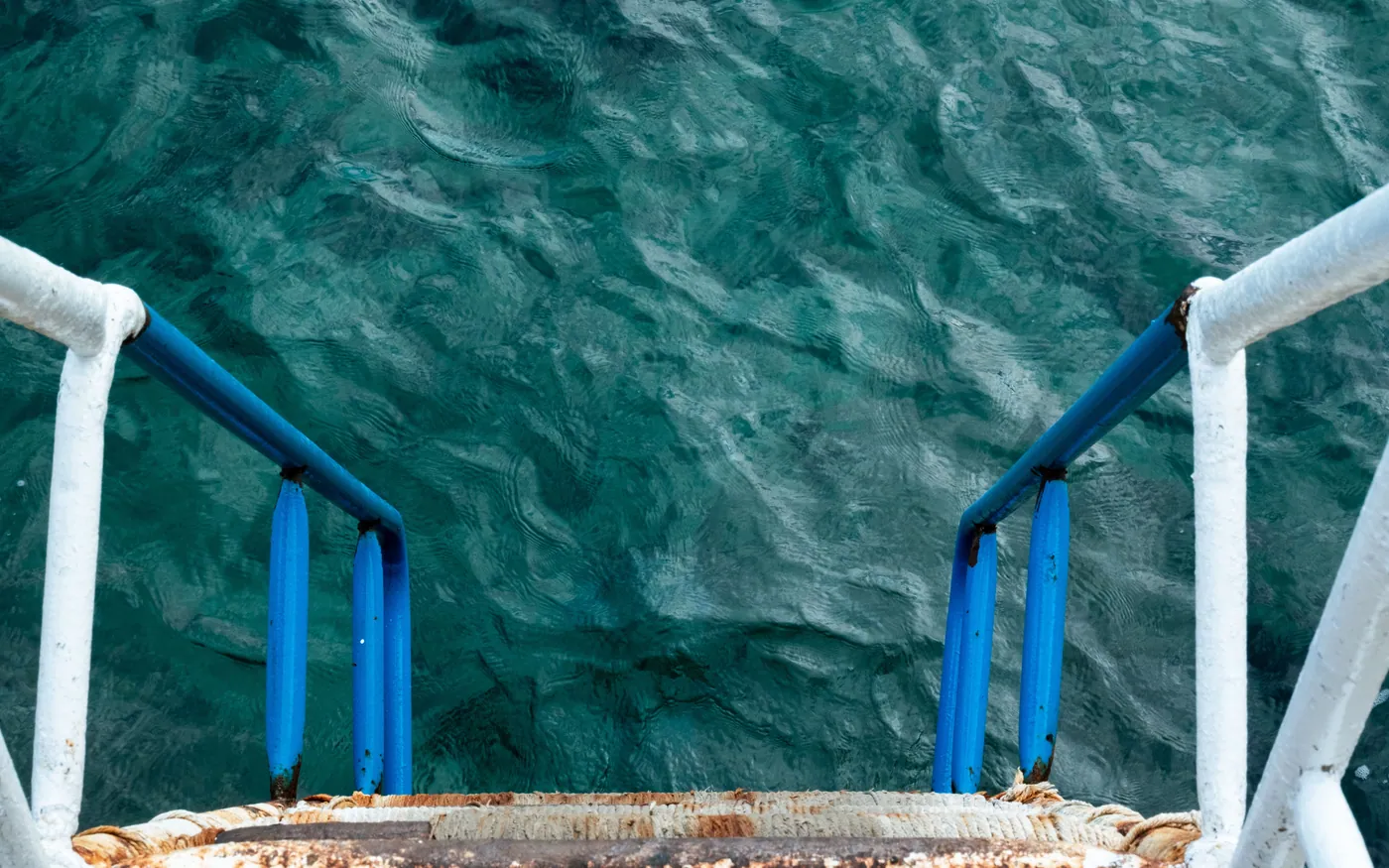
Coming back is where the etiquette tightens. Wait your turn at the ladder rather than crowding it, take your fins off in the water and hand them up or clip them, and go straight up and out of the way. A diver standing on the ladder adjusting something is holding up everybody still in the water, and on a cold day that is a real unkindness.
Seasickness, honestly
Plenty of experienced divers get seasick and there is nothing embarrassing about it. There is, however, a right time to deal with it, and that time is before you leave the dock.
Motion sickness medication works far better taken about half an hour before departure than taken once you feel unwell — which is a pharmacist’s conversation rather than ours, and worth having in advance. Beyond that: stay on deck, keep your eyes on the horizon, sit amidships where the movement is least, and stay away from engine fumes.
Eat something light rather than nothing, keep drinking water, and get in the water if you can — being underwater usually settles it completely. And if it is bad enough that you should not dive, say so. Diving while genuinely unwell is how a bad morning becomes an incident.
One more courtesy that costs nothing: if the crew asks for names or numbers as divers come back aboard, answer promptly even if you are cold and busy. They are counting people, and a slow answer means somebody has to count again.
The surface interval and the ride home
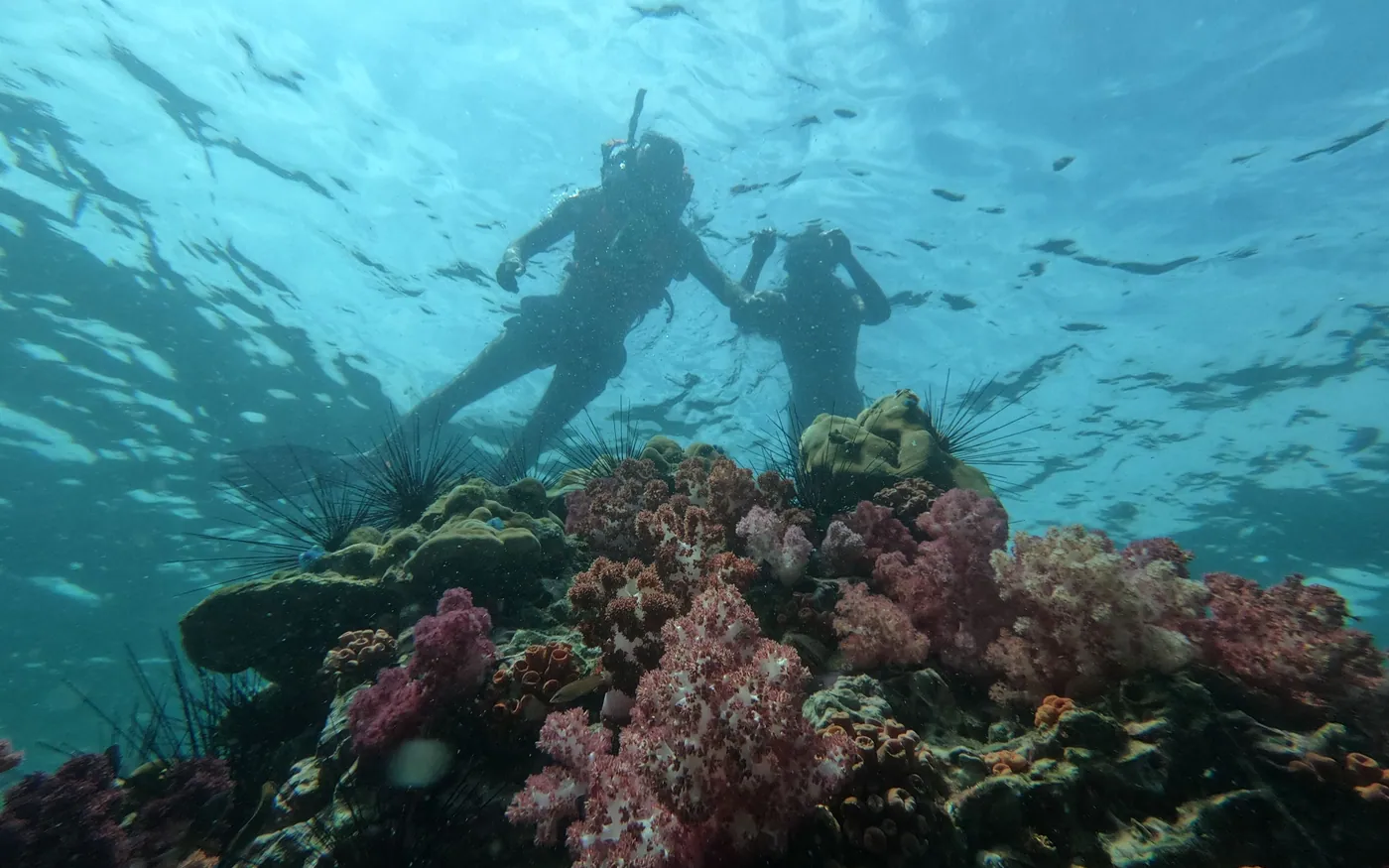
Between dives you eat, drink, talk and let your body offload nitrogen. It is also when the day earns its reputation.
The people on that boat dive this coast regularly, and half an hour of listening to them is worth a season of guessing about sites, conditions and what is worth seeing. Talk to the crew too, when they are not busy handling lines or picking divers up — they know more about the sites than anyone you will meet. PADI has a good general walkthrough of a boat day if you want a second account of it.
The ride back is when people swap plans, and it is worth being ready to say yes. A surprising share of local diving gets arranged in the last twenty minutes of a charter, between divers who met that morning and discovered they want the same kind of dive.
It is also the fastest way to solve the problem most local divers actually have, which is finding people to dive with — the subject of being a dive buddy worth having. Our own local charters run this coast, and the honest reason to do one is that a boat reaches sites you simply cannot swim to, including the Chester Poling.
Frequently asked questions
How early should I arrive?
Earlier than you think, and ask which time you were given. Crews often quote a show-up time rather than a departure time, and the two can be half an hour apart. Ask before you board, too — the crew may still be getting the boat ready.
When do I set up my gear?
Ask. Some skippers want everything assembled at the dock, others prefer you wait until the boat is underway or moored. It is a one-sentence question and it marks you as somebody who has been on a boat before.
What if I get seasick?
Take medication about thirty minutes before departure rather than when you start feeling it, stay outside where you can see the horizon, sit amidships where there is least movement, and keep away from engine fumes. Eat something light rather than nothing.
How much space will I have?
Less than you want. Deflate the BC, fold the straps in and tuck the hoses so your station stays compact — it is a courtesy to the person next to you and it stops your gear getting stepped on.
Do I need to tip?
On US charters it is customary, commonly quoted at 10–20% of the trip cost. Bring cash, because the boat is not the place to discover the card machine is on shore.
Get on a boat this season
Our local charters are the straightforward way to dive the sites that shore access does not reach. Ask what is on the calendar.