
Almost no dive is cancelled by a major equipment failure. They are cancelled by a five cent o-ring, a snapped fin strap or a perished mouthpiece — and all three fit in a box the size of a paperback.
The four that actually matter
Published lists run to thirty items. In practice a small number of failures account for most of the dives that do not happen, and they are worth carrying even if you carry nothing else.
| Item | What it fixes |
|---|---|
| Assorted o-rings, plus an o-ring pick | The tank valve seal, which fails on the boat with the gas already on |
| Spare mask strap | The strap that perishes and snaps as you pull it over your head |
| Spare fin strap and buckle | The other strap that snaps, usually at the entry |
| Zip ties | Everything else, temporarily |
Nobody has ever regretted carrying zip ties.
The o-ring is the one worth understanding. It is the seal between your regulator and the cylinder valve, it costs almost nothing, and when it goes you get a loud jet of gas and a dive that is over unless somebody has a spare.
The next tier
Once the basics are covered, what you add depends on what you own and where you dive.
- A spare mouthpiece and cable ties. Mouthpieces split, usually along the bite tabs, and a split one makes a dive miserable rather than impossible.
- Silicone grease. Keeps rubber from drying and cracking, and makes o-rings seat properly.
- Computer batteries. A dead computer ends a dive as effectively as a dead regulator — ours is a flat $29 change if you would rather not.
- Mask defog. Cheap, and the alternative is a dive spent clearing.
- A wetsuit repair kit and zipper wax. Both matter more in a thick suit, which is to say here.
- Basic tools. A small adjustable wrench, a couple of screwdrivers, and pliers.
Where the line is
A save-a-dive kit exists to fix things on the outside of your equipment. That is a real boundary and it is worth being clear about.
Straps, buckles, mouthpieces, o-rings, cable ties, a mask strap: all fair game in a car park. Anything that involves opening a regulator, a valve or a cylinder is a technician job, and attempting it in the field on pressure equipment is how a small problem becomes an expensive one.
If your regulator is breathing badly, free-flowing, or leaking anywhere other than the tank o-ring, the dive is over and the answer is the service counter rather than the kit.
Where to keep it
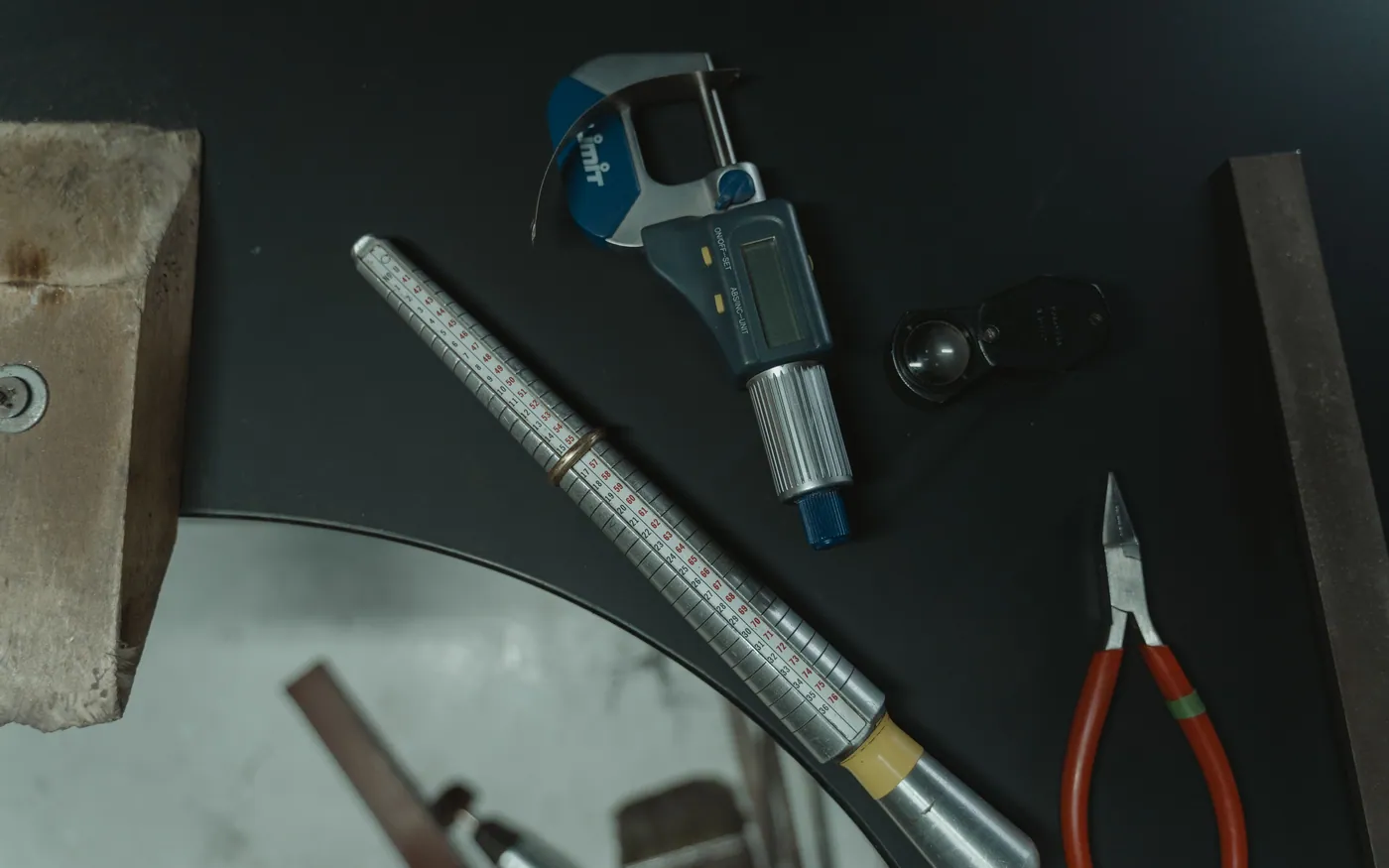
The commonest failure of a save-a-dive kit is that it is at home.
Keep it in the gear bag permanently rather than packing it for trips. It is small, it weighs nothing, and the day you need it is by definition a day you did not expect to. Divers who treat it as travel equipment discover the gap on an ordinary Saturday at a local site.
It is also worth going through it once a season, in the same off-season pass that covers the rest of your gear. Rubber perishes in a box as readily as it does on a regulator, and a ten-year-old o-ring is not a spare.
Buy the parts for your own gear
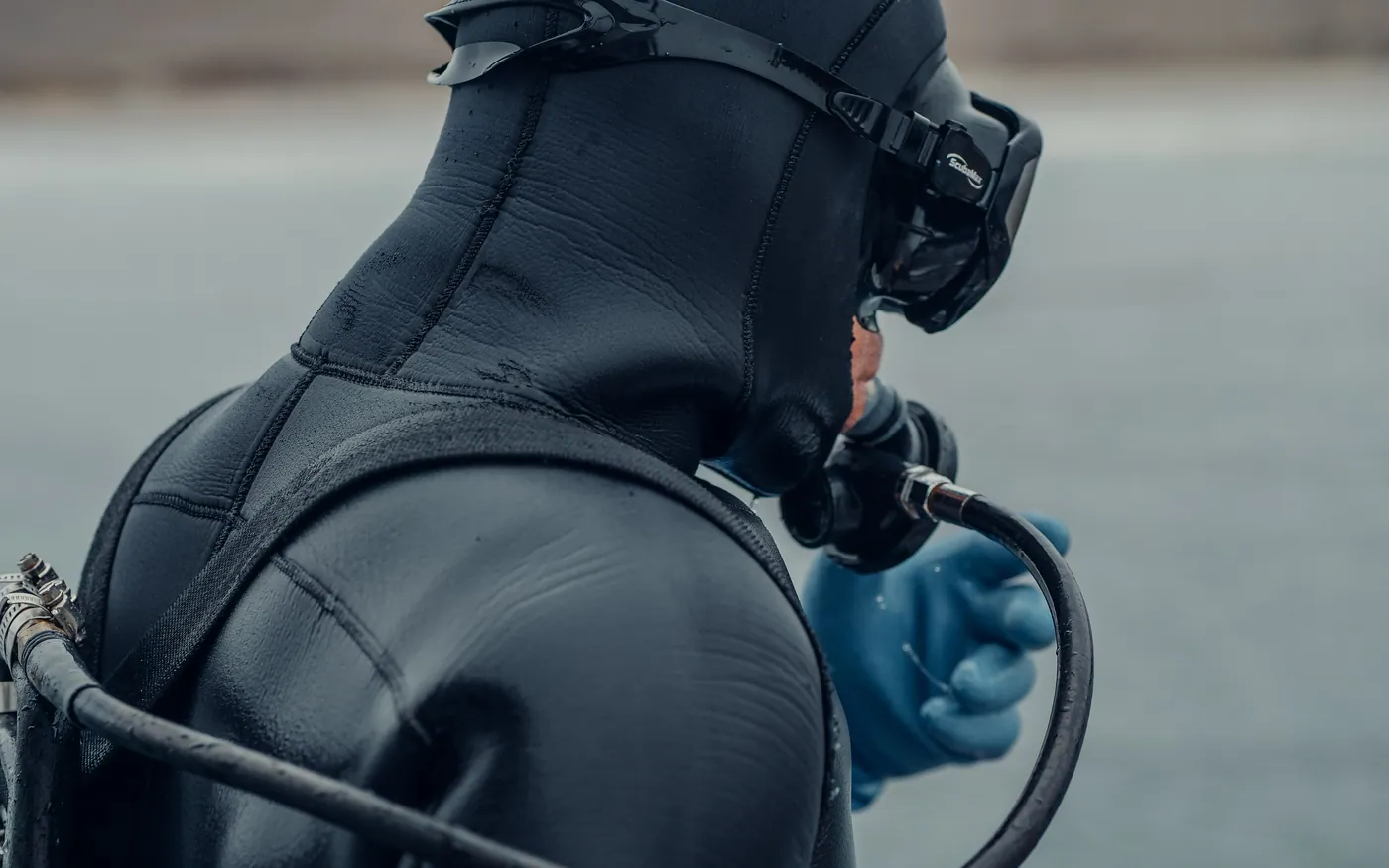
The one piece of advice that saves money and frustration: buy the parts against your actual equipment rather than generically.
Fin buckles differ between manufacturers and often between models. Mask straps are not universal. O-rings for scuba are specified for the pressure and the gas and are not the same as a hardware store assortment, however similar they look.
That is a reasonable argument for putting the kit together in a shop with the gear in front of you, which is why we sell in store rather than shipping. SDI has a fuller list if you want to work through everything at once.
Practice the fixes once, dry
A kit you have never opened is a box of unfamiliar parts, and a boat deck in a swell is a poor classroom.
Changing a tank o-ring is the one worth rehearsing. Done properly it takes under a minute: shut the valve, bleed the pressure, lift the old ring out with the pick without dragging the tool across the groove, seat the new one, remount and turn the gas on slowly. Done badly, in a hurry, with a screwdriver, it scores the sealing surface and turns a five cent problem into a valve that needs a technician.
Fin buckles are the other one. Most modern buckles release with a catch that is obvious when you have seen it once and impossible to find when you have not, and they are all slightly different. Take yours off at home, put it back on, and you will never think about it again.
Everything else in the box is self-explanatory, which is rather the point of the box.
For the boat, and for the trip

The kit earns its place most on a boat, where there is no shop, no car, and no option to go home and come back.
It matters more again on a trip, where a failure can cost you days rather than a morning — which is why the kit sits in the packing section of what to sort before a dive trip. And it is worth mentioning that a well-stocked kit makes you popular: the person with the spare o-ring is remembered for the rest of the week.
Frequently asked questions
What are the four most useful items?
O-rings, a spare mask strap, a spare fin strap and zip ties. Between them they cover the failures that most often end a dive before it starts, and all four fit in a sandwich box.
What size o-rings do I need?
A mixed assortment rather than one size, plus an o-ring pick so you can change one without scoring the groove. The tank valve o-ring is the one that fails most, and it fails at the worst moment — on the boat, with the gas already turned on.
Can I fix a leaking regulator myself?
No. Anything inside a regulator is a technician job — see how often to service one. A save-a-dive kit fixes straps, seals and mouthpieces, not internals.
Do I need one if I only rent gear?
Less so, because the shop deals with failures. It is still worth carrying o-rings and a mask strap if you own a mask, since a rental fleet may not have your size.
Where do I get the parts?
From a dive shop rather than a hardware store. O-rings for scuba use are specified for the pressures and the gas, and generic ones are not the same thing. We sell in store so parts can be matched against your actual gear.
Put one together properly
Bring your gear in and we will match the straps, buckles and o-rings against what you actually own. It is a fifteen minute job.