

Almost everything that goes wrong on a dive trip was fixable a month earlier. Very little of it is a packing problem, which is why packing lists are the least useful part of trip preparation.
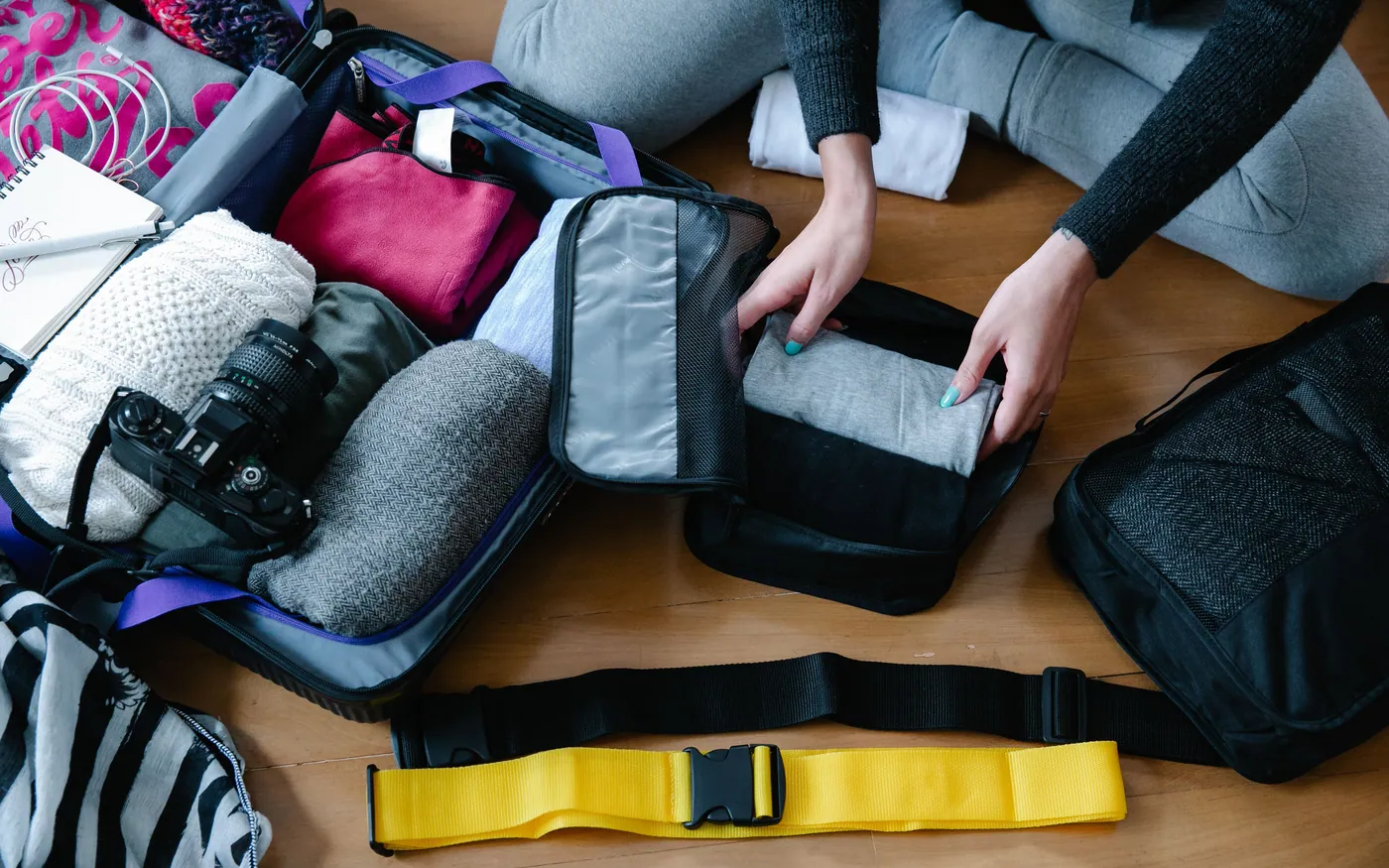
A month out: the expensive stuff
This is the window that actually matters, and it is the one people skip because the trip still feels distant.
Servicing is the headline item. A regulator and BCD should go in at least a month before departure, because service is not same-day work and parts sometimes have to be ordered. A regulator dropped off the week before a flight is one you may end up traveling without.
| Task | Why now |
|---|---|
| Regulator and BCD service | Not same-day work; parts may need ordering |
| Dive computer battery | Flat $29 here, and a dead computer ends a trip |
| Cylinder testing, if you travel with your own | Hydrostatic testing can take up to two weeks in season |
| Check your certification level against the trip | If the trip includes deep or wreck diving, you may need a course first |
| Book a refresher if you are rusty | Half a day here beats losing the first day there |
Full pricing for the service side is on the gear service page.
Paperwork nobody thinks about until the desk

Losing proof of certification will genuinely stop you diving, and it is more common than it should be.
- Your certification card. Not a photo of it in an album you cannot find. Most agencies also have an app version worth setting up before you leave.
- Your logbook. Some operations require logged experience before specific dives, and asserting it is not the same as showing it.
- Certifications that match the diving. If the itinerary includes anything past 60 feet, check what you actually hold.
- Copies of passport, cards and itinerary, packed separately from the originals.
- Insurance details, somewhere you can reach them without a signal.
The card is the one thing nobody at the destination can replace for you.
What flies in the cabin
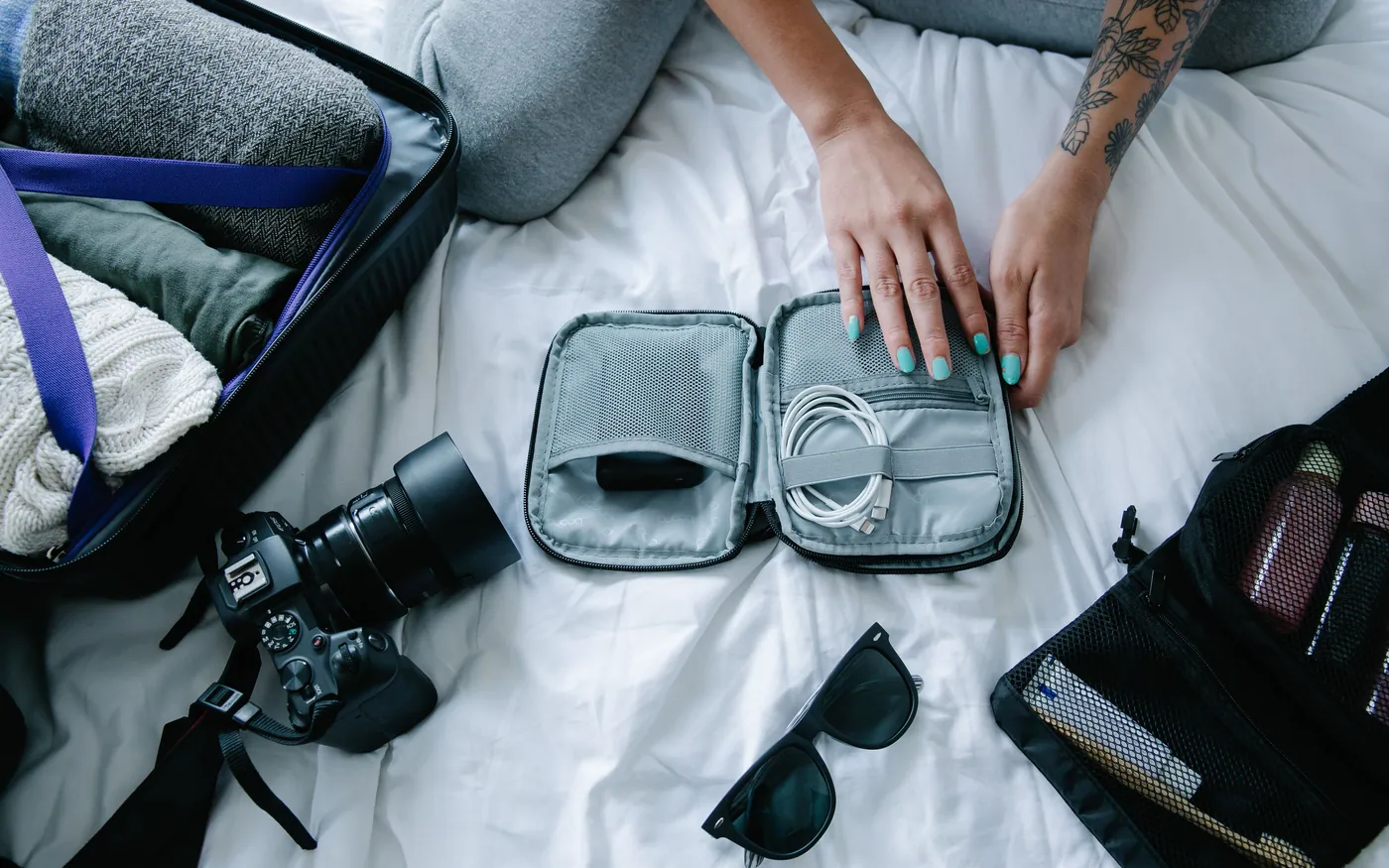
There is a short list of things that should never be checked, and the logic is the same for all of them: they are hard to replace and easy to damage.
Your dive computer, your certification card, any medication and a prescription mask go in the cabin. Most experienced dive travelers add their regulator and their mask to that list, because those are the pieces you cannot borrow your way around at the other end.
A spare mask is worth the space. It is small, and a broken strap on day one of a week-long trip is otherwise a genuine problem. SDI has a fuller guide to traveling with dive gear.
What to leave at home
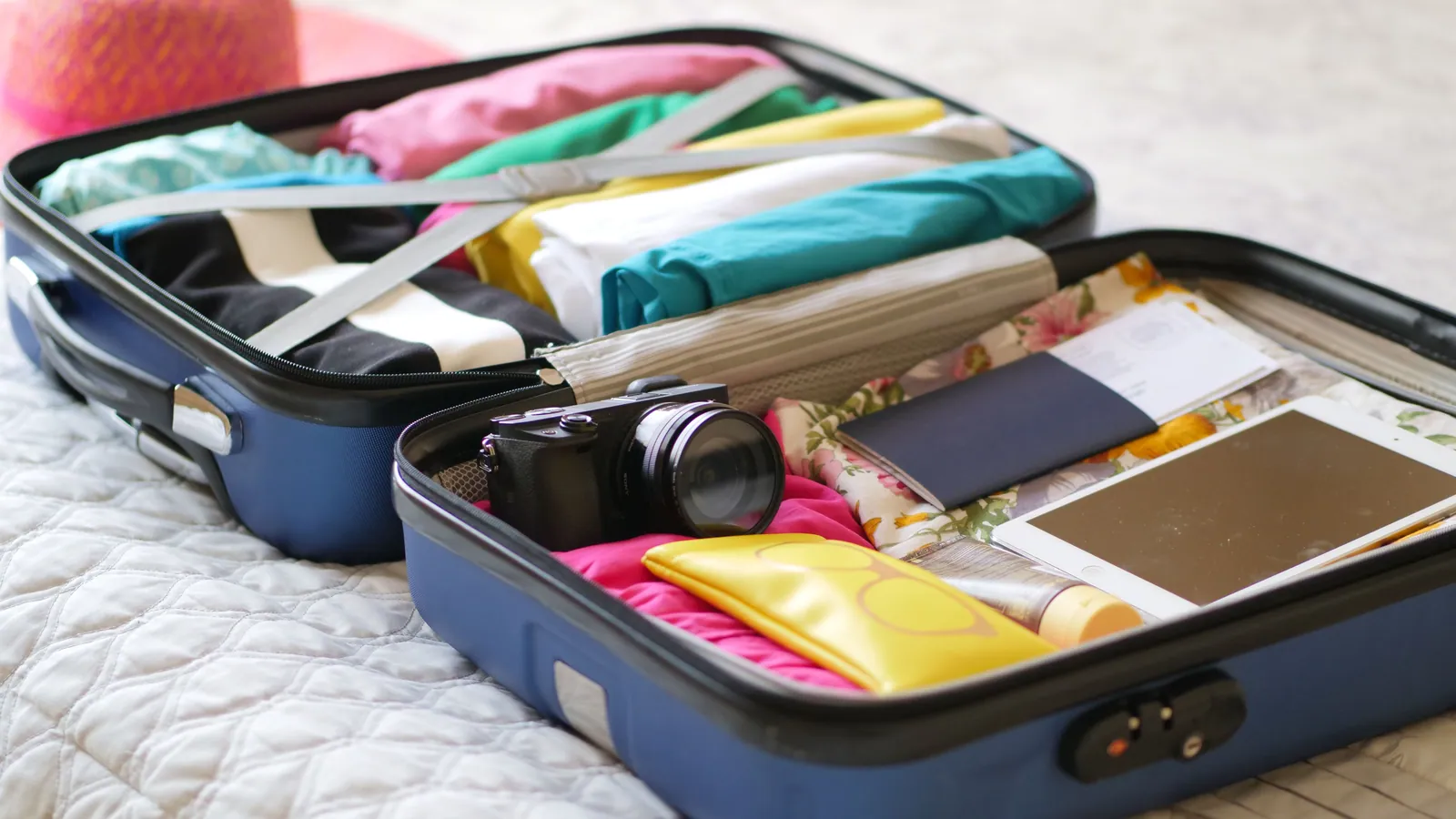
Dive gear is heavy and airline allowances are not generous, so it is worth being deliberate rather than taking everything you own.
Cylinders and weights are always supplied locally and never worth carrying. Exposure protection depends entirely on where you are going, which is why researching the expected water temperature is a real task rather than a formality — a 7 mm suit is dead weight on a tropical trip and essential on a cold one.
BCDs are the marginal call. They are bulky, they are usually rentable, and if you are only diving a few days it is often not worth the allowance. Our comparison of renting and owning covers where that line falls.
The week before
By this point everything expensive should already be handled, and the last week is checking rather than fixing.
- Test everything you have not used since last season. Assemble the regulator, inflate the BCD, and leave it inflated overnight to check it holds.
- Charge the computer and set it for the gas you will actually dive.
- Try the exposure protection on. Suits shrink in storage, or you did.
- Check the mask seal and treat the lens if it is new.
- Confirm the itinerary against what your certification allows.
Anything that fails this check is still recoverable a week out. The same failure discovered at the destination usually is not, which is the entire argument for doing it now rather than packing optimistically.
It is also worth thinking about what happens if something breaks at the far end, because the answer varies enormously by destination. A resort with an on-site shop can usually sell you a strap or a mouthpiece; a small operation on a remote island may not have anything that fits your regulator. Ask before you go rather than assuming, and pack accordingly — a few O-rings, a spare mask strap and a mouthpiece take up almost no room.
The last two days

The one piece of trip planning that is genuinely a safety matter is the end, not the beginning.
You cannot dive on the morning of your flight. The published guidelines are a minimum of 12 hours after a single dive and 18 hours after repetitive or multi-day diving, which for most trips means your last dive is two days before you leave, not one. We cover the guidelines and the research behind them separately.
Plan that day as something other than diving and it stops being a disappointment. Plan it as a diving day and you will either waste it or take a risk you did not need to.
Going with the shop
Group trips take most of this off your plate, which is much of the point of them. Someone else has confirmed the operator, checked what certifications the itinerary needs and built the schedule around the flights.
There are no destination trips on the calendar at the moment. Trips are announced to the trip list first and they fill quickly, so the useful thing to do now is ask to be added to it. In the meantime there is local diving and our charters along the New England coast, which need considerably less planning.
Frequently asked questions
How far ahead should I service my gear?
At least a month. Servicing is not same-day work, parts sometimes have to come in, and a regulator that goes in the week before a trip is a regulator you may be flying without. See how often a regulator needs servicing.
What should never go in checked luggage?
Your certification card, your dive computer, any medication, and a prescription mask. Experienced dive travelers also carry regulators and masks in the cabin, because those are the items you cannot easily replace at the destination.
Do I need my logbook?
Bring it. Some operations want to see logged experience before they will take you on specific dives, particularly anything deep or overhead, and an unlogged claim is not the same thing.
What if I have not dived in a while?
Sort it before you go rather than losing the first day to it. A refresher takes about half a day and is far cheaper than a wasted morning at the other end.
How soon before my flight can I dive?
Not on the last morning. The guidelines are 12 hours after a single dive and 18 after repetitive diving — see flying after diving for the detail and the sourcing.
Join the trip list
Destination trips are announced to the list first and fill quickly. Ask the shop to add you and we will let you know what is planned next.