
Most divers assume their travel policy covers them. Most travel policies do not. The gap is specific, it is well documented, and it is worth ten minutes with your own paperwork before a trip.
This is general information, not insurance or financial advice. We do not sell, arrange or endorse any policy, and nothing here recommends a provider or a product. Read your own documents, and ask your insurer.
The specific gap
The problem is narrower and more concrete than “insurance is complicated”.
Hyperbaric chamber treatment — the definitive treatment for decompression sickness — is not typically covered by standard medical or travel insurance. On top of that, very few travel protection plans cover scuba incidents at all, and among those that mention diving, many exclude it beyond a stated depth, commonly a hundred feet.
The treatment you would actually need is the one most policies leave out.
So a diver can hold a perfectly good travel policy, have a perfectly ordinary diving accident, and find that the single most expensive element of the response sits outside it.
What dive-specific coverage addresses
Dive accident coverage exists to close that gap, and its shape follows from the scenario it is designed for.
- Chamber treatment, which is the item standard policies most reliably exclude.
- Physician and hospital charges arising from the accident.
- Emergency transport — ground, air or marine ambulance, which in a diving accident can mean a boat and then a helicopter.
- Accommodation and travel if a doctor delays your return, which is a real cost people forget.
- Equipment, on some policies, where it is lost or damaged in a covered accident.
Terms differ substantially between providers, and this is a description of the category rather than of any particular product.
They are not substitutes

The common mistake is treating this as a choice between two policies. They cover different things.
Travel protection is about the trip: cancellation, delays, lost baggage, and general medical cover abroad. Dive accident coverage is about one specific kind of injury and the specialized treatment it needs. A diver on a trip can quite reasonably want both, and DAN sets out the comparison between them in detail.
The practical version: a cancelled flight and a bent diver are different problems, and one policy is unlikely to be good at both.
What to actually check
This is the useful part, and it applies whatever you decide to do.
| Check | Why it matters |
|---|---|
| Is recreational scuba named at all? | Silence usually means excluded, not included |
| Is there a depth limit? | Common exclusions sit around 100 feet, which an Advanced diver can reach on an ordinary dive |
| Is hyperbaric treatment covered? | This is the specific item that standard policies leave out |
| Is emergency evacuation included? | Getting off a boat and to a chamber is its own cost |
| Does it require a certification level? | Some policies limit cover to dives within your training |
| Does it cover diving at home as well as abroad? | Local diving and travel diving are often treated differently |
If your policy does not answer these in writing, the answer you want is from the insurer in writing, not from a summary page.
It is also worth knowing what your own certification level implies. Some policies limit cover to diving within the limits of your training, which is one more reason not to treat a depth limit as a target — the point made in nitrogen narcosis.
When it matters most
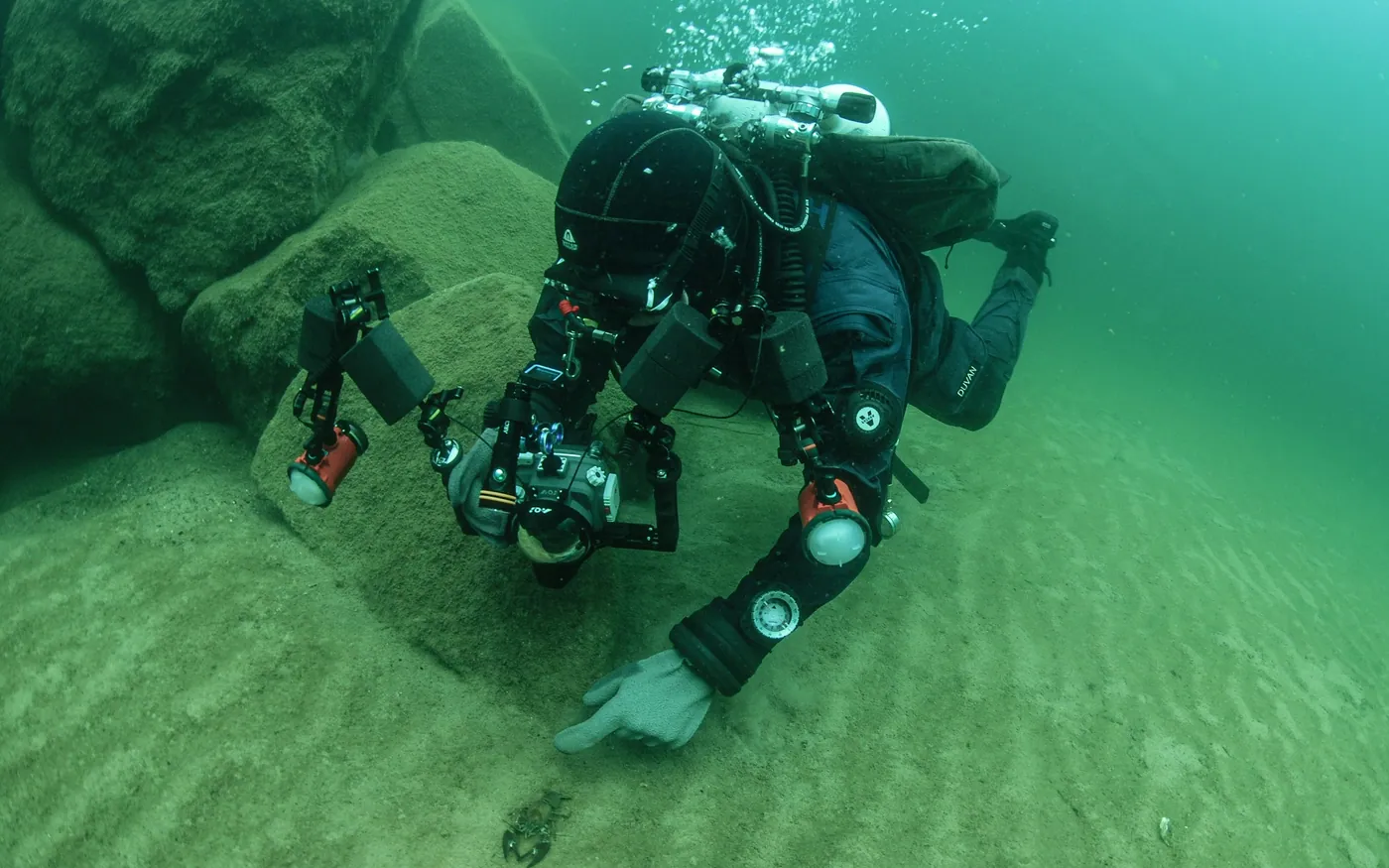
The exposure is not constant. It is largest in particular situations.
Diving abroad is the obvious one: you are outside your own health system, and the chamber, the transport and the hospital all want arrangements made quickly. Trips are the other — a week of repetitive diving is exactly the profile where a case is most likely to arise, and it is worth settling before you go, alongside everything else in what to sort before a dive trip.
Liveaboards and remote sites raise it further, because evacuation is the expensive part and distance is what makes evacuation expensive.
A last practical point about trips: the question is easier to settle before you book than after. Policies commonly have waiting periods or require cover to be in place before departure, so a decision made the night before a flight may not be a decision at all.
What people get wrong about it
Three assumptions come up repeatedly, and all three are worth testing against your own paperwork rather than against instinct.
“My health insurance covers me anywhere.” It may cover a great deal and still not cover hyperbaric treatment, and coverage away from home is usually narrower than at home. “I only dive shallow, so it does not apply.” Decompression sickness is not exclusively a deep-diving injury, and depth exclusions cut the other way — they remove cover above a limit, they do not add it below one.
“The operator will be insured.” An operator’s liability cover exists to protect the operator. It is not there to pay for your treatment, and assuming otherwise is the most expensive of the three assumptions.
The honest position
We have no stake in what you decide. We do not sell insurance, we do not arrange it, and we are not going to tell you which product to buy.
What is worth saying is that a large number of divers believe they are covered and have never checked, and that finding out at the point of need is the worst possible moment. Ten minutes reading your exclusions is the whole ask.
The other half of the picture is reducing the odds of needing any of it, which is ordinary diving discipline: ascend slowly, build in conservatism on repetitive days, leave a proper interval before flying, and know how to recognize a problem early, which is what decompression sickness covers.
Frequently asked questions
Does my travel insurance cover scuba diving?
Often not, and that is the whole point of this post. Very few travel protection plans cover diving incidents, and many that mention diving exclude it below 100 feet. Read the exclusions in your own policy rather than assuming.
Is chamber treatment covered by health insurance?
Hyperbaric treatment is not typically covered by standard medical or travel policies. That is the specific gap dive accident coverage exists to fill.
What does dive accident coverage usually include?
Typically chamber treatment, physician and hospital charges, and emergency transport by ground, air or marine ambulance, plus travel and accommodation costs if treatment delays your return. Terms vary by provider, so read the actual document.
Do I need it for local diving?
That is your call and depends on your existing health coverage. The gap is usually widest abroad, where you are furthest from your own health system and closest to a chamber that wants payment.
Does the shop sell insurance?
No. We do not sell, arrange or endorse any policy, and nothing here is a recommendation. This post exists because divers book trips assuming they are covered and often are not.
Sorting out a trip?
Ask us what a week of repetitive diving actually looks like, and plan the diving conservatively. That is the part we can help with.