
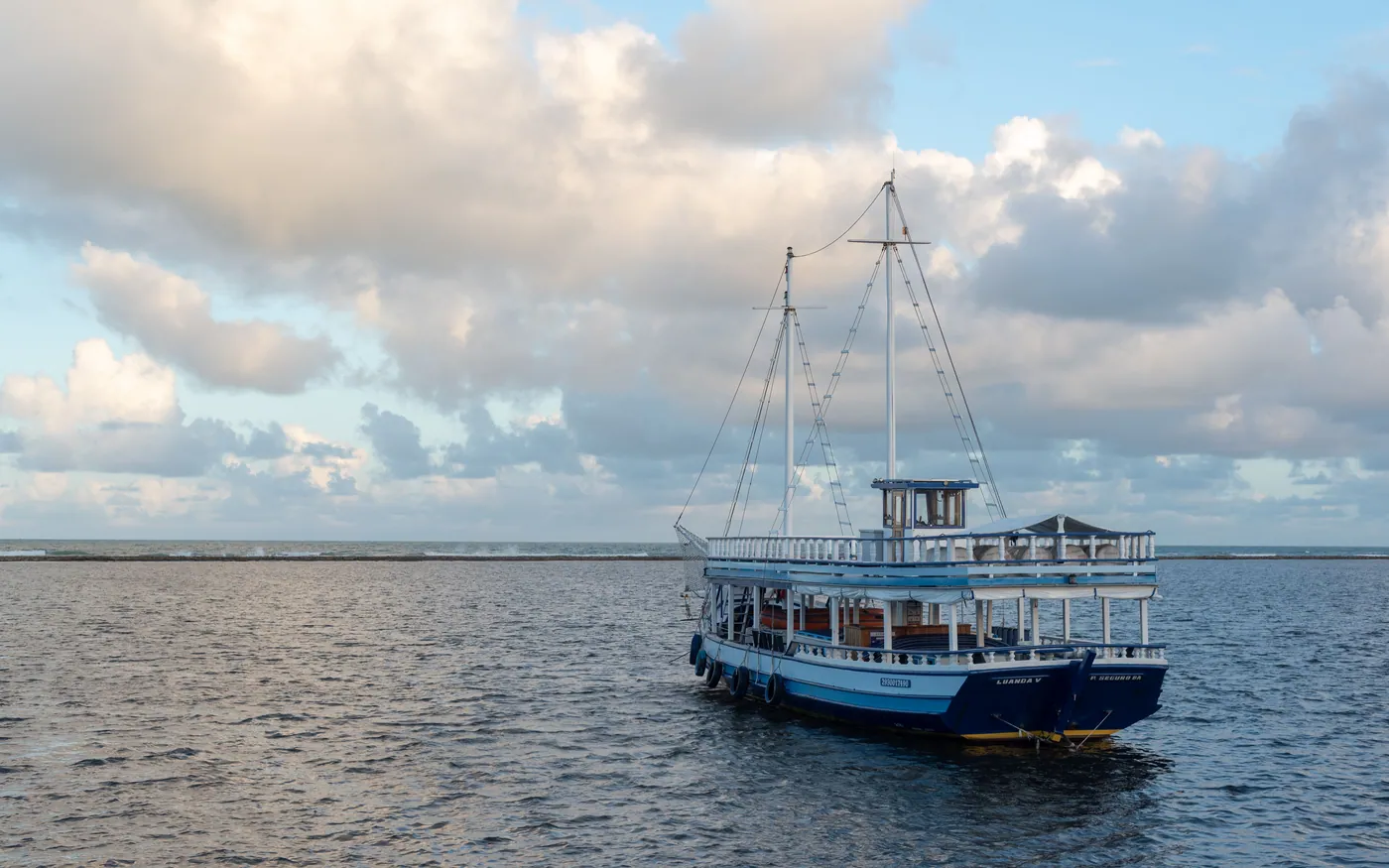
Nobody chooses a dive trip by the diving. They choose it by the photographs. Which is how divers with twenty dives end up somewhere that needs eighty, having a much harder week than they expected.
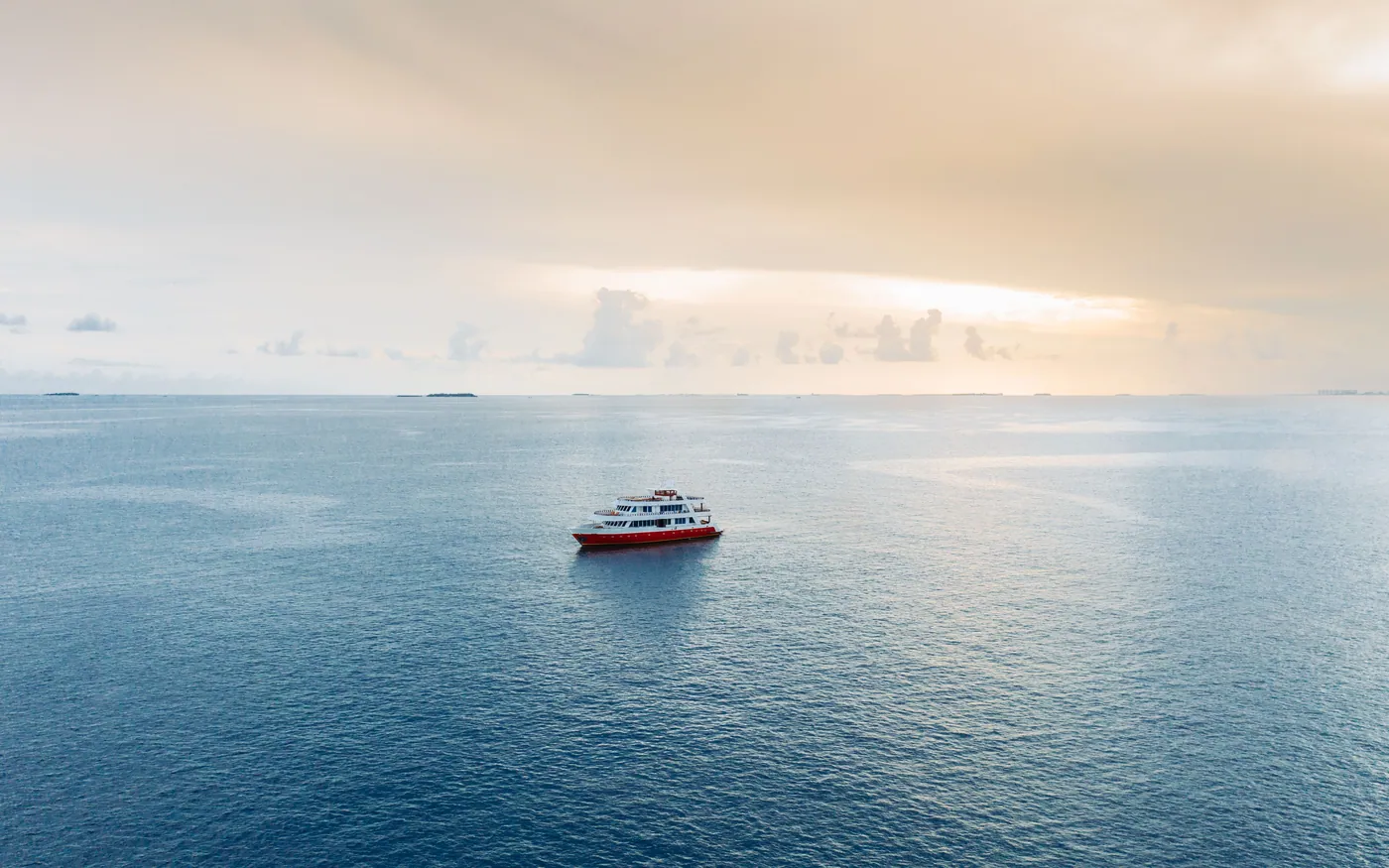
Start with the conditions, not the pictures
Every destination photographs well. What differs is what the diving actually asks of you.
The first question worth asking is what the conditions are and what experience level they need. Some places are current-driven, with drifts, surge and negative entries. Others are sheltered shore entries in warm, clear, still water where you can dive at your own pace and get out when you like. Both are excellent. They are not interchangeable.
The best trip is the one where the diving is the enjoyable part rather than the demanding part.
If the honest answer is that you have thirty dives and none in current, choose accordingly. There will be other years.
Match it to the diver you are now
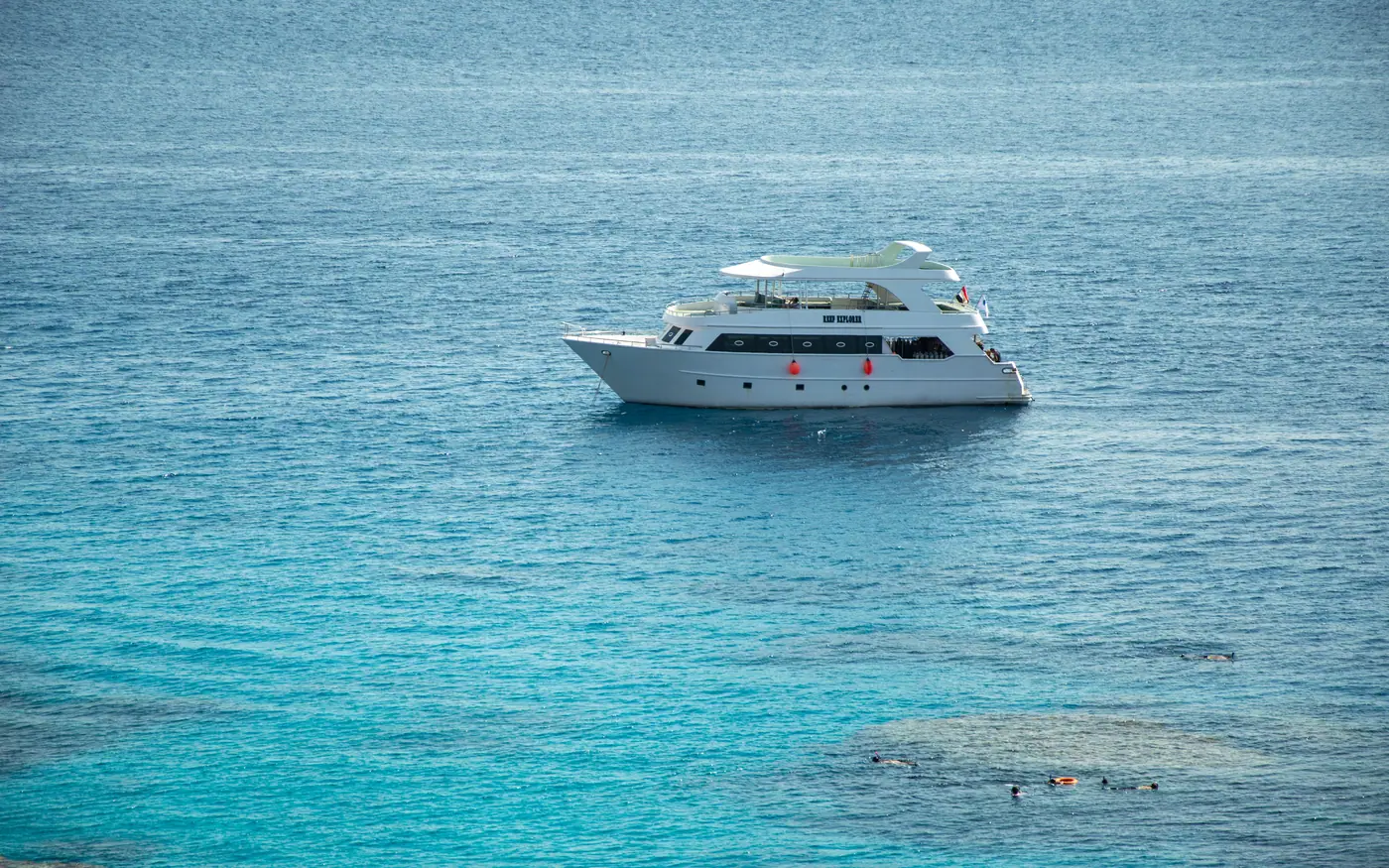
Experience level is the variable people are least honest with themselves about, and it is the one that decides whether a week is a pleasure or an ordeal.
| If you are | Look for |
|---|---|
| Newly certified | Warm, clear, shallow, little current, easy entries, and a guide |
| Comfortable but not experienced | Boat diving with moderate depth, some structure, an operator that briefs well |
| Experienced and current | Drift, depth, and sites that reward being self-sufficient |
| Rusty after a gap | Somewhere gentle, plus a refresher before you travel rather than on the first morning |
| Traveling with non-divers | A resort with topside options, not a liveaboard |
That last row is the one that quietly ruins trips. A liveaboard is a wonderful thing for divers and a long week for anybody who is not diving.
Liveaboard or resort
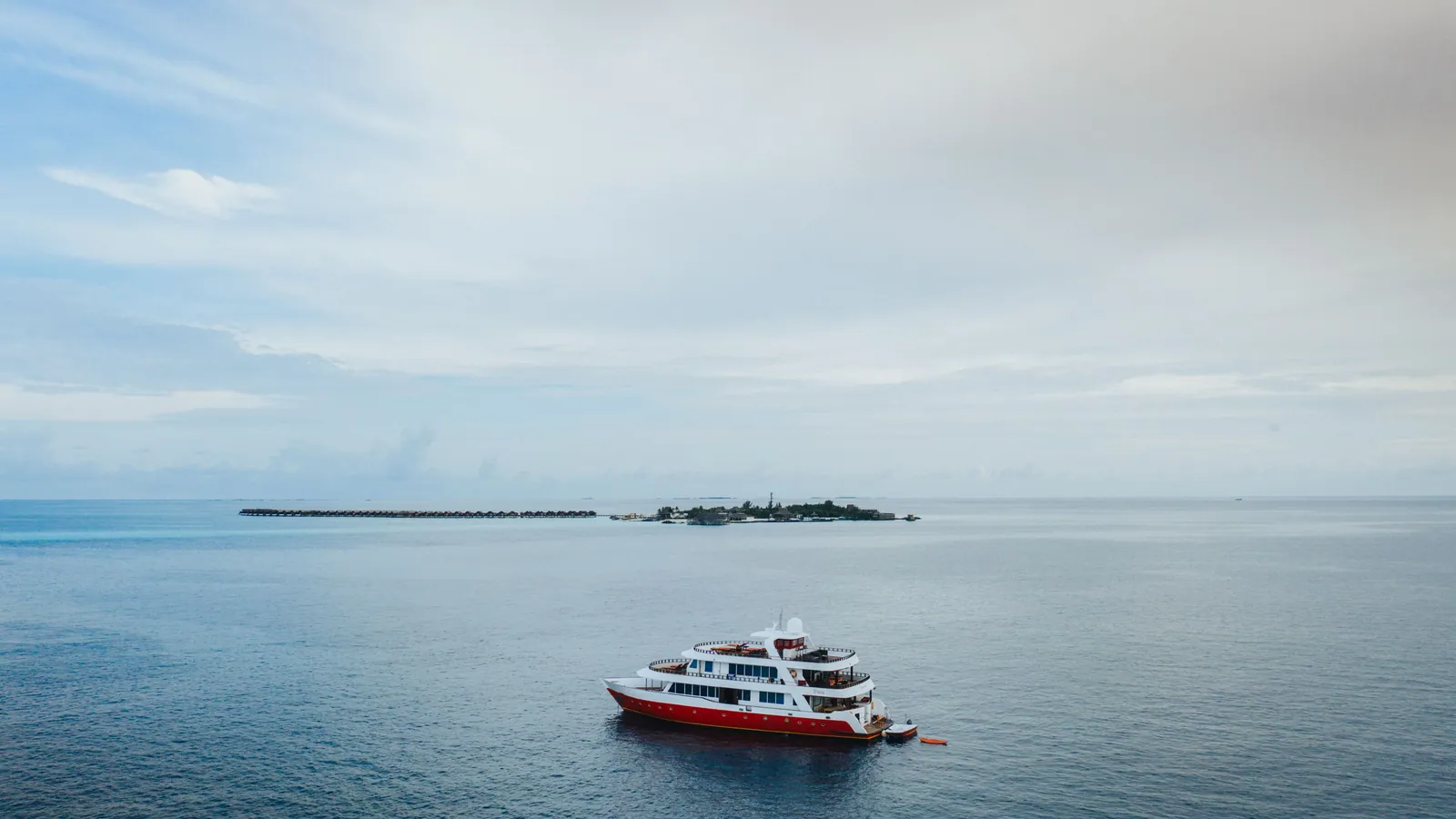
The two formats produce completely different weeks, and the choice is about what you want the vacation to be.
A liveaboard is diving as the entire structure of the day: four or five dives, no travel between sites, remote locations you cannot otherwise reach, and a small group of people who are all there for the same reason. It also means no escape if the group or the boat is not to your taste.
A resort means two or three dives a day, afternoons free, non-diving company catered for, and the option of a day off. For a first trip, or a mixed party, it is usually the better answer.
And be wary of choosing on a single famous feature. A destination known for one animal or one wreck is a gamble on that thing being there in the week you go, and a trip built entirely around it can feel thin if it is not.
Season matters more than it seems
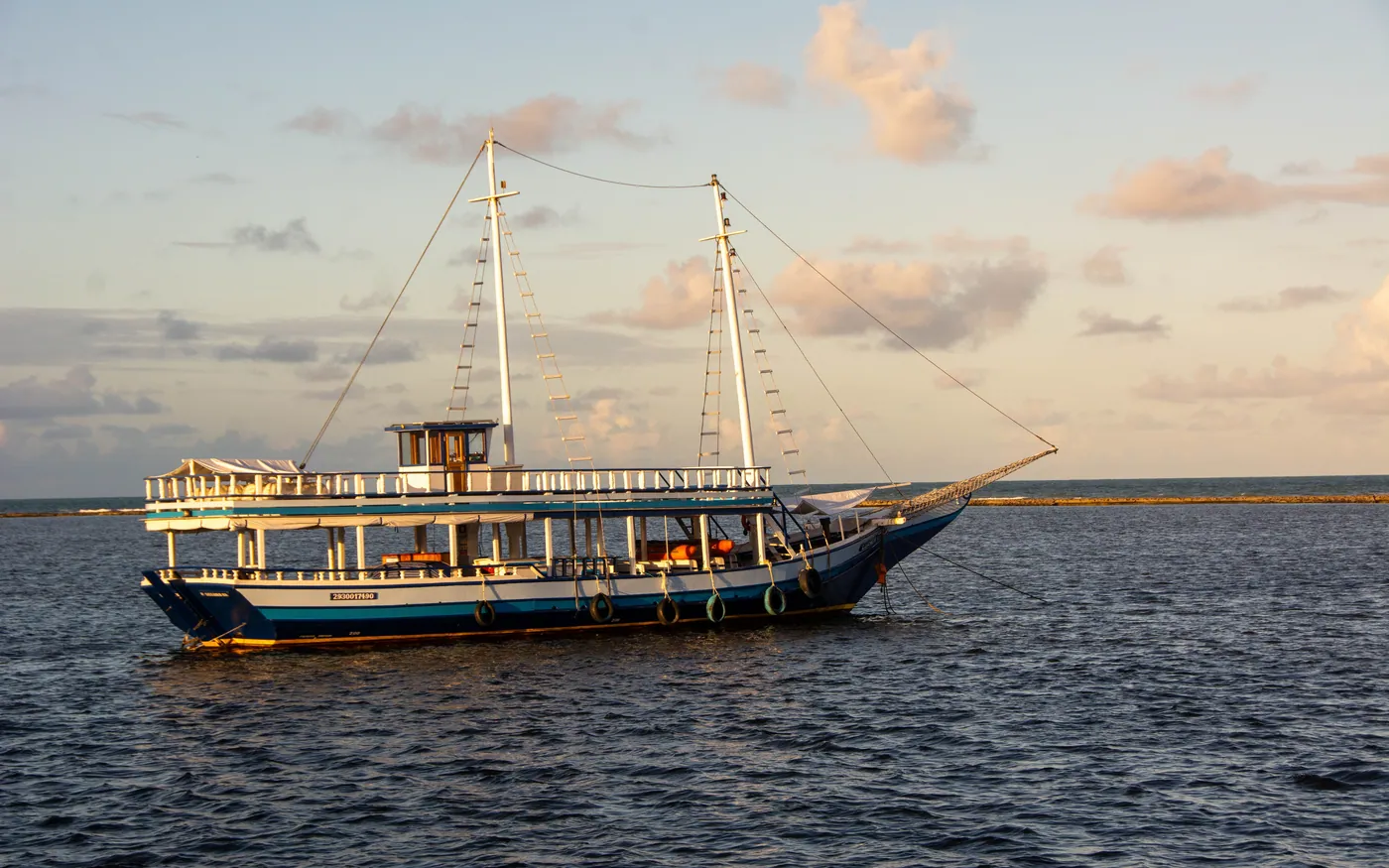
Every destination has high, mid and low seasons, and they are about conditions as much as about price.
Water temperature, visibility, what is present and how settled the weather is all move across the year. Low season is cheaper and quieter and may be perfectly good; it may also be the windy months. Peak season costs more and is busier and is peak for a reason.
This is the single easiest thing to get wrong from a distance and the easiest to fix by asking somebody who has been. Scuba Diving Magazine has a sensible piece on planning and mis-planning a dive vacation.
It is also worth asking how the diving is actually run. A shore-diving destination where you take a truck and dive when you like is a completely different week from one built around two boat departures a day, and neither is obvious from the photographs.
The practical questions to ask before booking
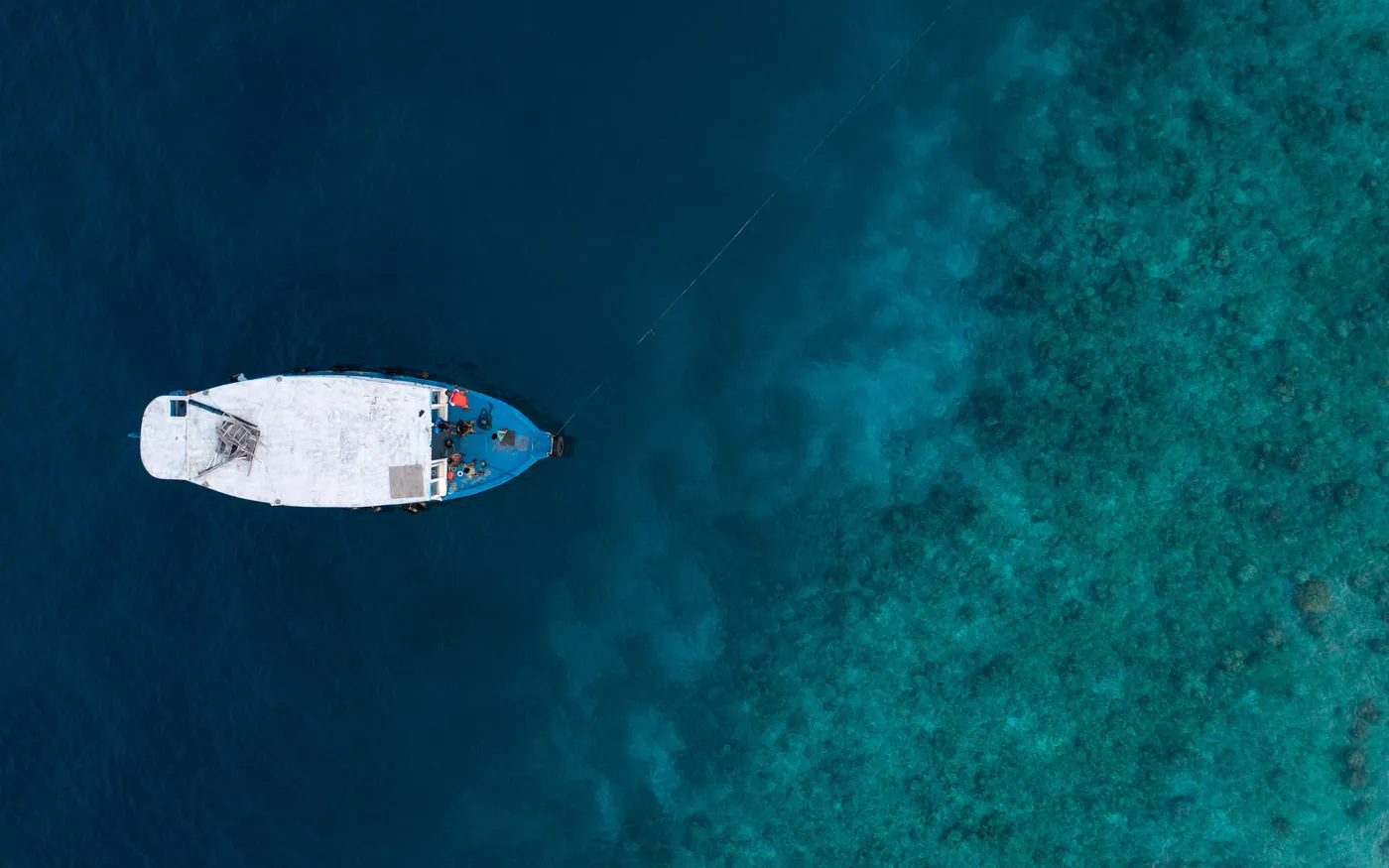
A short list that separates a good operation from a plausible website.
- How many divers per guide? Six is a different week from sixteen.
- What are the sites actually like in the month you are going, in terms of depth and current?
- What is included — cylinders, weights, nitrox, marine park fees. These add up and vary enormously.
- What certification level do they expect, and will they group by experience?
- What is the nearest chamber, and what is their emergency plan? A good operation answers this immediately.
- Is insurance required? Some countries require it of divers — and most travel policies exclude diving, as dive accident coverage explains.
Be honest about the non-diving half
A dive trip is still a trip, and the parts that are not diving decide a surprising amount of whether it was a good week.
How long is the journey, and how many connections? A destination that takes two days each way eats a week-long trip from both ends. What is there to do on the surface interval day, the day you cannot dive before flying, or the afternoon the weather cancels the boat? Is there anywhere to eat, and does that matter to you?
None of that appears in dive photography and all of it is felt by day four. It matters most for anyone traveling with a partner who is not diving, which is the commonest reason a trip that was excellent for one person was long for the other.
Go with people
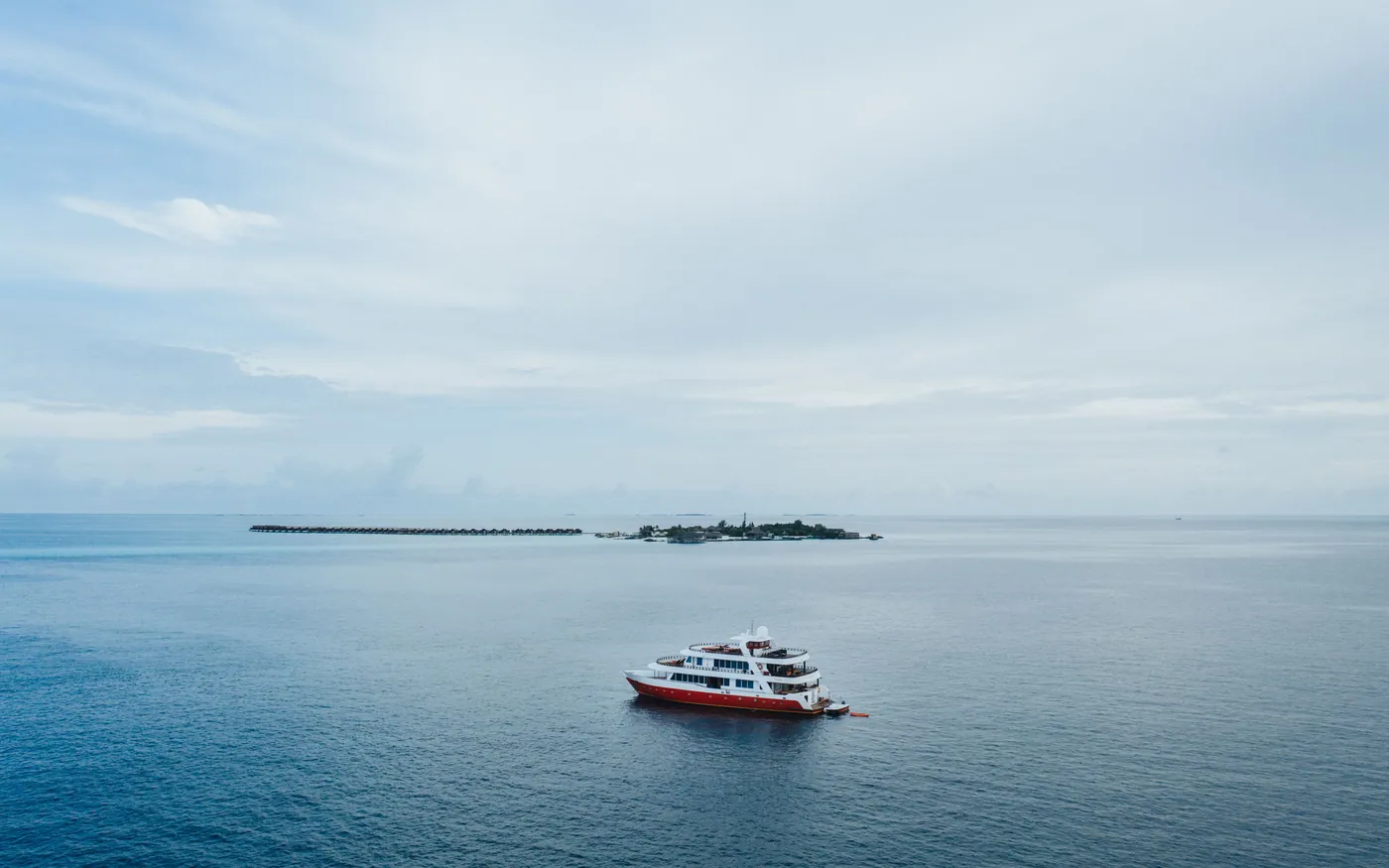
The thing that decides whether a dive trip is good is not the reef. It is who is on the boat.
A week with people you know, at a middling site, beats a week of world-class diving with a group you have nothing in common with. It also solves the buddy problem, the do-I-book-a-single-supplement problem, and the what-do-I-do-on-the-surface-interval problem in one move.
Which is the honest argument for a shop trip over booking alone: you are traveling with divers you already dive with, somebody else has vetted the operator, and the group is matched to roughly the same level. Ours are listed on trips. What to sort before you go is in dive trip preparation, and what changes about the diving itself is in warm water after cold water.
Frequently asked questions
What should I choose a destination on?
Conditions and experience level first, everything else second. The question that matters is what the diving is actually like there and whether it suits the diver you are now, rather than the diver in the photographs.
Liveaboard or resort?
A liveaboard maximizes diving and minimizes everything else; a resort suits mixed groups, shorter days and non-diving companions. Neither is better and they are very different vacations.
When should I go?
Check the season for the place rather than the season at home. Low season is cheaper and quieter; peak season costs more and is busier. Water temperature and visibility both shift across the year.
How many dives should I have first?
Enough that the diving itself is not the challenge. Somewhere with strong current is a poor place to have your twelfth dive, and gentle shore entries with little current are a good one.
Do I need insurance?
It is strongly recommended and in some countries required of divers. Standard travel policies frequently exclude diving — see dive accident coverage.
Ask what the diving is really like
We have been to most of the places we run trips to. Ask us what a week there actually looks like for a diver at your level.