
Your certification never expires. Your skills do. That is the whole issue, and it is why the answer to “do I need a refresher” has nothing to do with the date on your card.
How quickly skills actually fade
This is measurable rather than a matter of opinion, and the numbers are less comfortable than most divers assume.
Skills begin degrading noticeably from around six months out of the water. By one to two years, most instructors would want to see you run through the basics before you go diving unsupervised, and US dive shops commonly treat two years as the point where a refresher stops being optional.
| Time since your last dive | Where you probably stand |
|---|---|
| Under 6 months | Fine. Go diving. |
| 6–12 months | Some rust. A shallow, easy dive first is usually enough. |
| 1–2 years | A refresher is a good idea, and increasingly expected. |
| Over 2 years | Do the refresher. Most operators will ask about it anyway. |
| Certified but never really dived | Refresher, regardless of the calendar. |
The last row catches more people than the others. Plenty of divers certify on vacation, do four dives, and never go again — the certification is real but the experience behind it is thin.
What actually gets rusty
It is rarely the big things. Nobody forgets how to breathe from a regulator.
What goes is the automatic quality of everything else: assembling gear without thinking about it, clearing a mask without a moment of doubt, holding a stop without drifting, and knowing what your buoyancy is doing before it does it.
Skills do not disappear. They stop being automatic, which on a dive amounts to the same thing.
That matters because attention is finite. A diver spending it on their own buoyancy has none left for their buddy, the conditions or their gas — which is the same argument behind the Rescue Diver course, from the other end.
What ReActivate involves
The course is deliberately built not to waste your time on things you already know.
The eLearning runs two to three hours and adapts as you go: you move quickly through topics you answer confidently and slow down where your knowledge has lapsed. It is a review, not a re-sit.
Then there is the water session with an instructor or divemaster, walking back through the basic open water skills until the rust is gone. A refresher can often be done in about half a day. At the end you get a new card carrying a ReActivated date, which is the thing operators actually want to see.
Booking it here
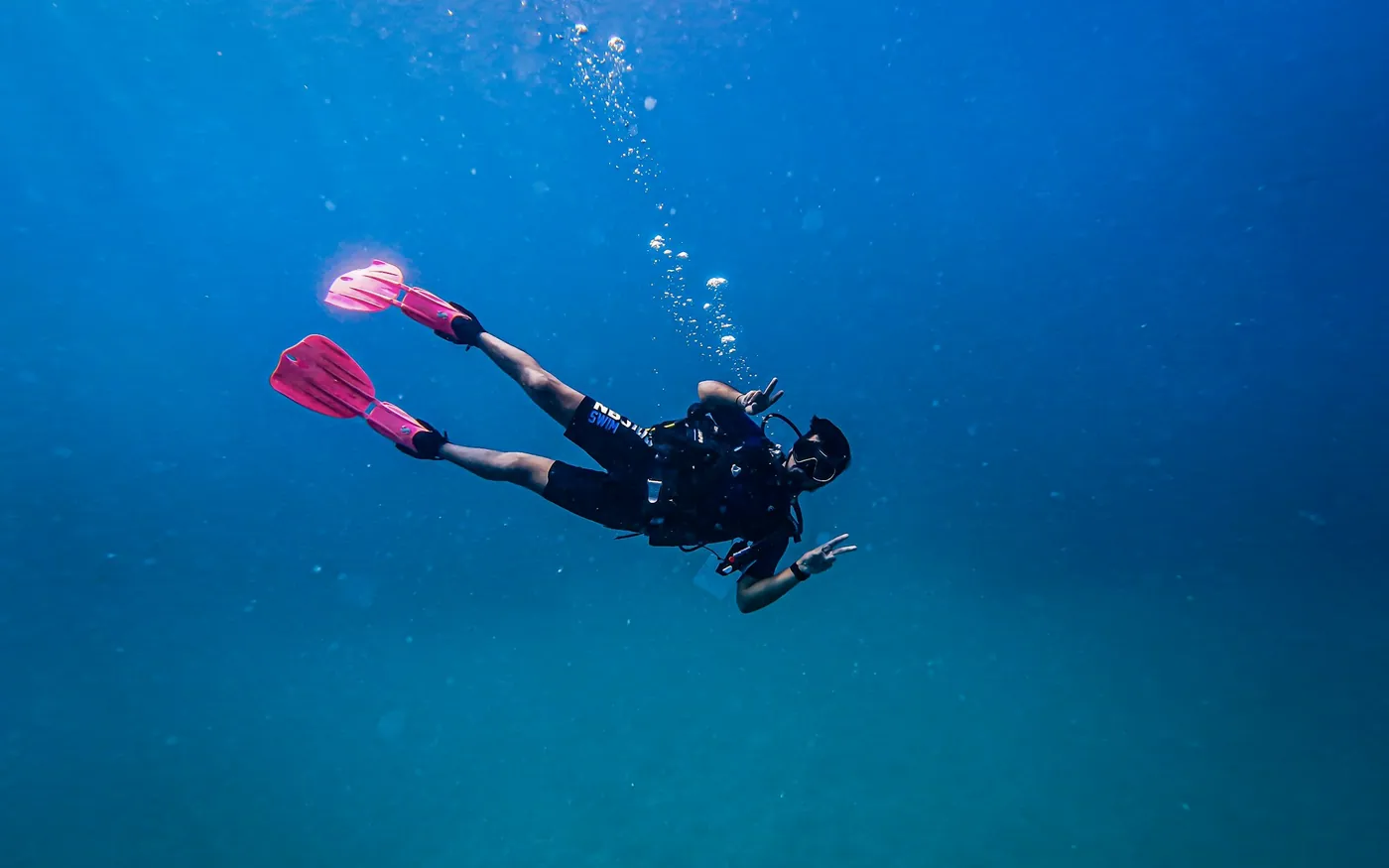
Two practical points, because both catch people out.
- Scheduling. Refresher practicals are usually run alongside the Open Water class dates rather than on demand, so ask early rather than the week before you fly.
- The medical form. It has to be completed before you enter the water. You get a link once your place is confirmed — fill it in then, not on the day.
- Equipment. Bring your own if you have it. Otherwise we supply the regulator, BCD, tank and weights, and you bring mask, fins and snorkel.
If your own gear has been in storage as long as you have been out of the water, read looking after scuba gear between seasons before you trust it — and note that a regulator needs servicing on a calendar, not on a dive count.
The case for doing it even when you do not need to
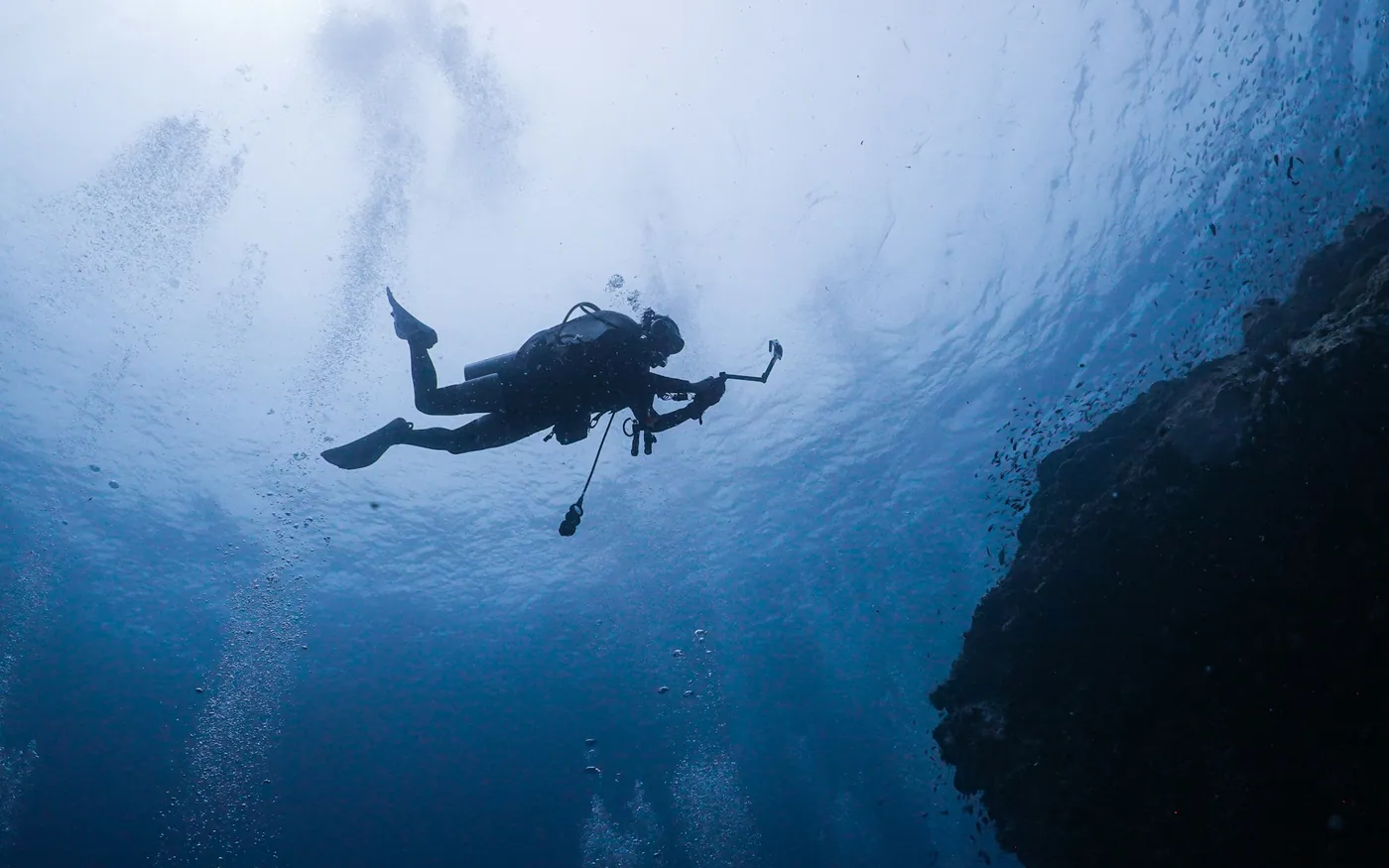
There is an argument for booking one at eight months rather than waiting for two years, and it is not about safety.
It is about not wasting the first day of a trip. Divers who go straight from a long gap onto a boat generally spend that first dive fighting their weighting and remembering how everything clips together. An hour in confined water beforehand converts that into a dive you actually enjoyed.
DAN makes the case for a formal skills review before returning to diving, and their framing is worth reading if you are on the fence.
There is also a decent argument for making it social rather than administrative. Refresher practicals here run alongside the Open Water class dates, which means the pool has other people in it who are also working through the basics. Divers who dreaded turning up alone generally find that the least awkward part of the whole thing.
What a refresher is not
It is worth clearing up two misunderstandings, because both stop people booking.
It is not a re-test. Nobody is deciding whether to take your certification away, and there is no version of the session where you fail and go home decertified. The certification is yours permanently and the refresher does not put it at risk.
It is also not remedial. Booking one is not an admission that you were a weak diver — it is what any diver does after a long gap, and instructors would far rather see you in a pool in April than watch you work it out on a boat in June.
The divers who skip it are usually the ones who were slightly embarrassed to ask, which is a poor reason to spend the first day of a trip feeling out of your depth.
Getting back in
The most common reason people never return to diving is not fear or cost. It is that the gap grows until getting back in feels like a bigger project than it is.
It is half a day. The certification you already hold is still valid, the skills come back faster than you expect, and there is diving within reach of the shop to use them on. If you would rather ease in with someone else running the day, a local charter is a gentler restart than organizing your own.
Frequently asked questions
Does my certification expire?
No. A PADI certification is good for life and there is no renewal fee. What fades is your skill, not your qualification, which is why a refresher exists at all.
How long is too long between dives?
Skills start degrading measurably from around six months out of the water, and one to two years is where most instructors would want to see you do a refresher. US dive shops commonly use two years as the line.
Will a shop refuse to let me dive without one?
Some operators do ask, particularly for boat trips or anything past shallow depth. It is worth checking before you travel rather than finding out at the dock.
Do I need to bring equipment?
Bring your own if you have it. If not we supply the regulator, BCD, tank and weights — you supply the personal kit, meaning mask, fins and snorkel, the same as on any course.
Is there paperwork?
A medical form has to be completed before you get in the water. You are sent a link to fill it in online once your place is confirmed, so it is worth doing early rather than on the day.
Shake the rust off
Divers Den has been getting people back in the water in Hampton Falls since 1968. Ask when the next refresher practical runs.