
Most local divers dive the same four or five places, over and over, for years. From the outside that looks like a limitation. From the inside it is the reason they are good.
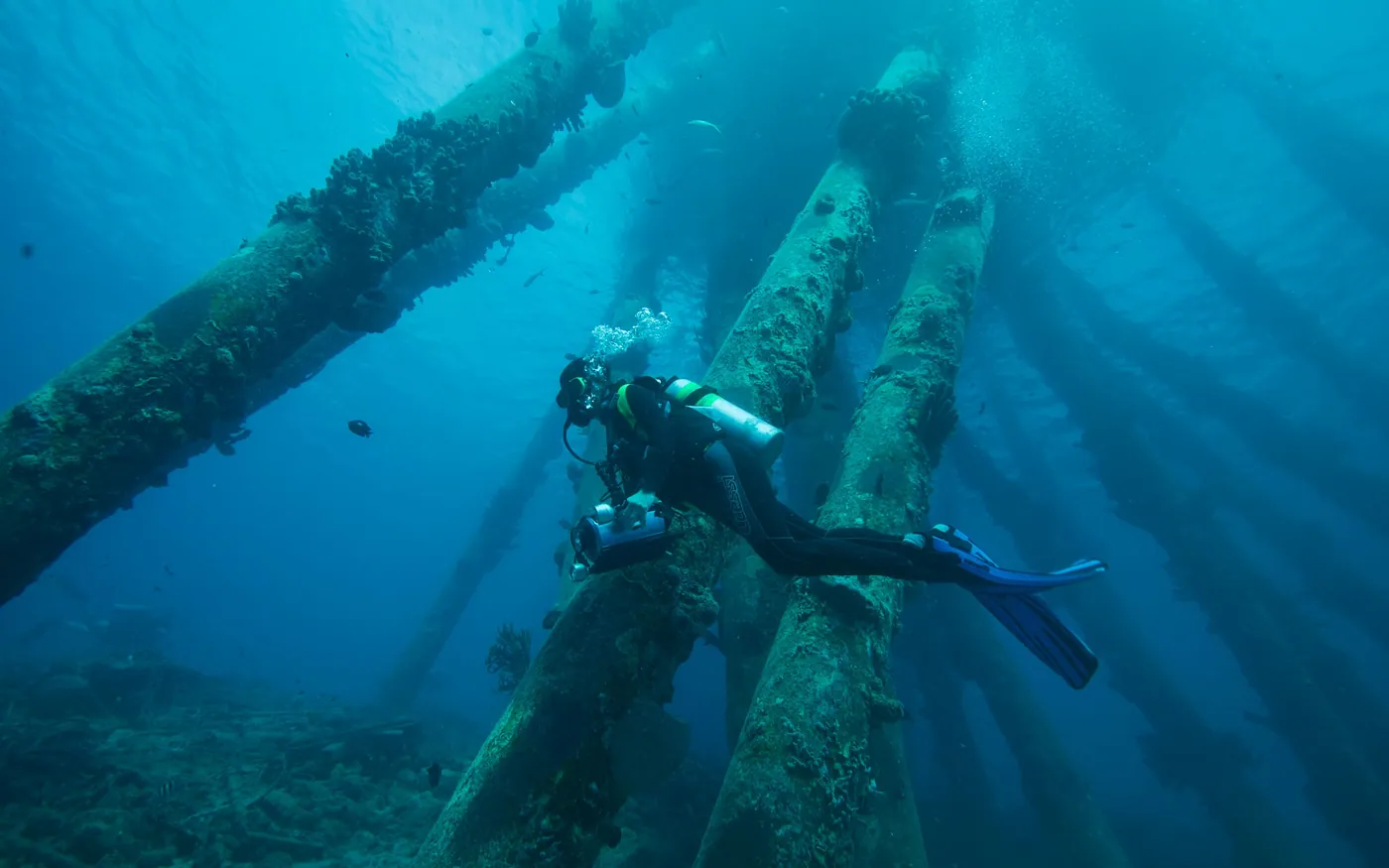
The first three dives are orientation
There is a threshold at most sites, and until you cross it you are not really looking at anything.
On a first dive somewhere, almost all of your attention goes on the site itself: where the entry is, which way the bottom slopes, where you are relative to the exit, whether that shape ahead is the wall or the edge of the visibility. That is a full-time job, and it leaves very little for anything else.
You cannot notice much while you are still working out where you are.
Somewhere around the third or fourth dive the layout stops taking effort. That is the point at which a site becomes worth diving, and it is also the point at which most visiting divers have already moved on to somewhere else.
What a familiar site gives you
Once the navigation is free, several things become available that were not.
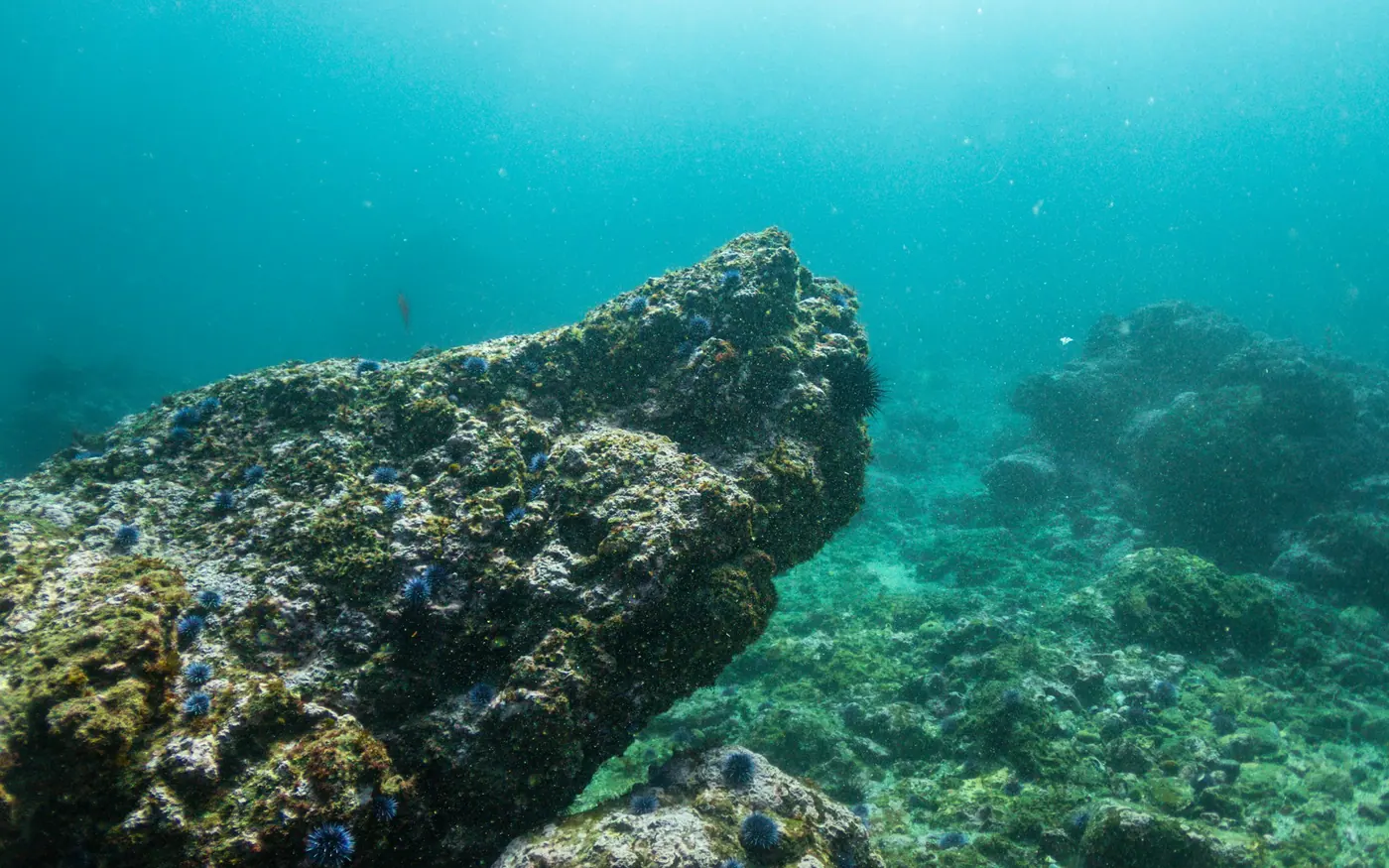
- You see change. Growth, fish that arrive and leave, sand that moves after a storm. A site you dive monthly is a slow film rather than a photograph.
- You can practice. Skills are much easier to work on when you are not also navigating — the drills in when something goes wrong and finning techniques.
- You learn the conditions. What a particular wind does to that entry, what the tide does to the visibility. This knowledge does not generalize and cannot be read anywhere.
- You dive relaxed, which shows up directly in gas consumption — see how to use less air.
- You can go small. Spending a whole dive on twenty feet of wall is only possible somewhere you are not trying to cover.
Give the dive a job
The way a familiar site goes stale is diving it with no particular intention. The fix is to give each dive one job.
Navigate a square and see where you come up. Practice a frog kick over the sand and look behind you at what you disturbed. Photograph one subject properly rather than everything badly. Find the edge of the kelp and follow it. Hover motionless for five minutes at the stop and see whether you can.
None of that requires a new site, and all of it makes the old one interesting. It is also, incidentally, how divers who improve fastest actually spend their dives — the habit described in your second year of diving.
The season does the work for you
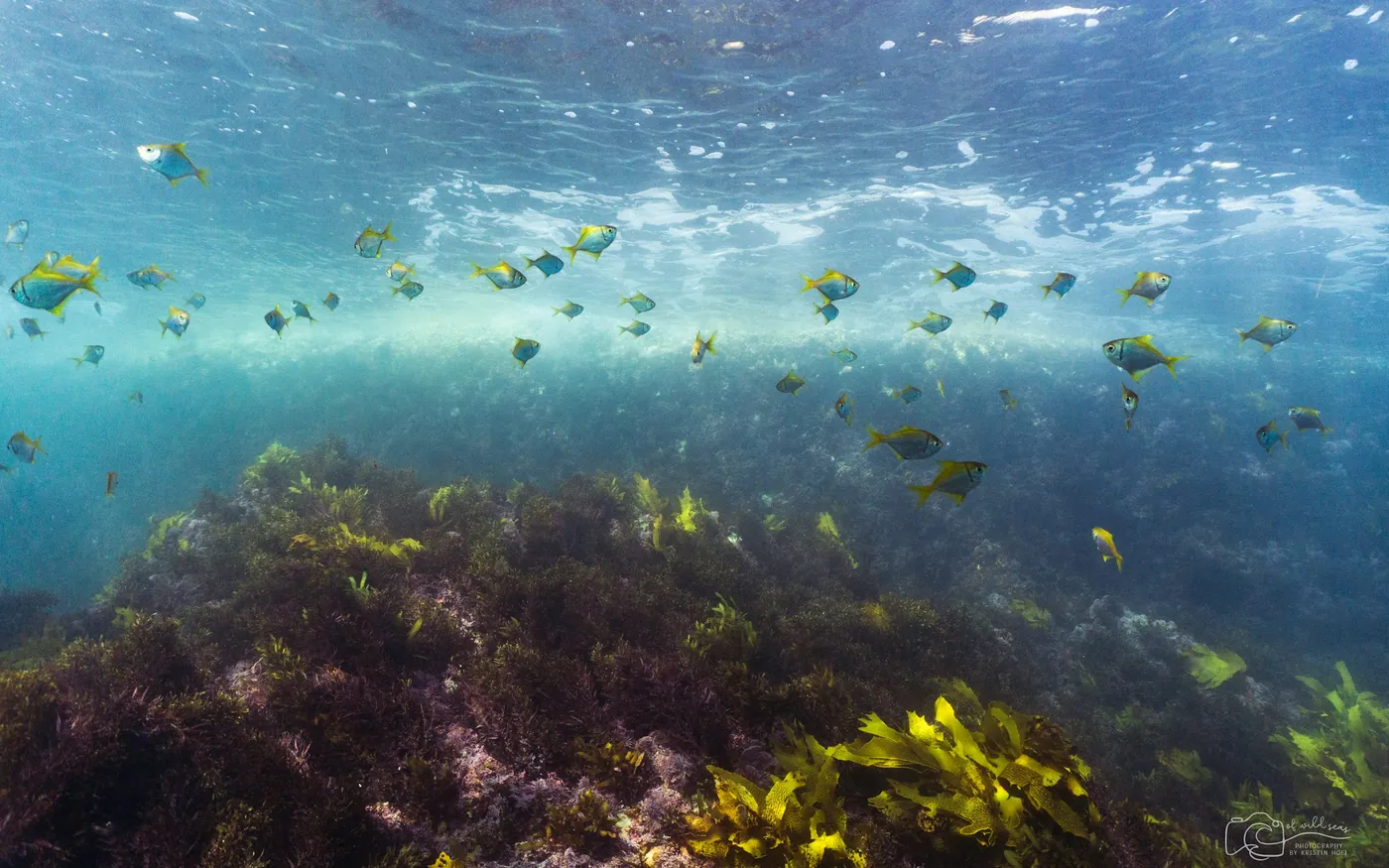
The strongest argument for repetition on this coast is that the site changes underneath you whether you intend it or not.
Visibility, growth, what is living there and how much light reaches the bottom all shift across the year, and diving one place through those changes teaches you more about the local water than diving twelve places once each. The shape of that year is in the diving year in New England, and what turns up in it is in New England marine life.
It also makes you a far better judge of conditions, because you have a baseline. “The visibility is bad today” only means something if you know what the site usually looks like.
Local diving is harder diving
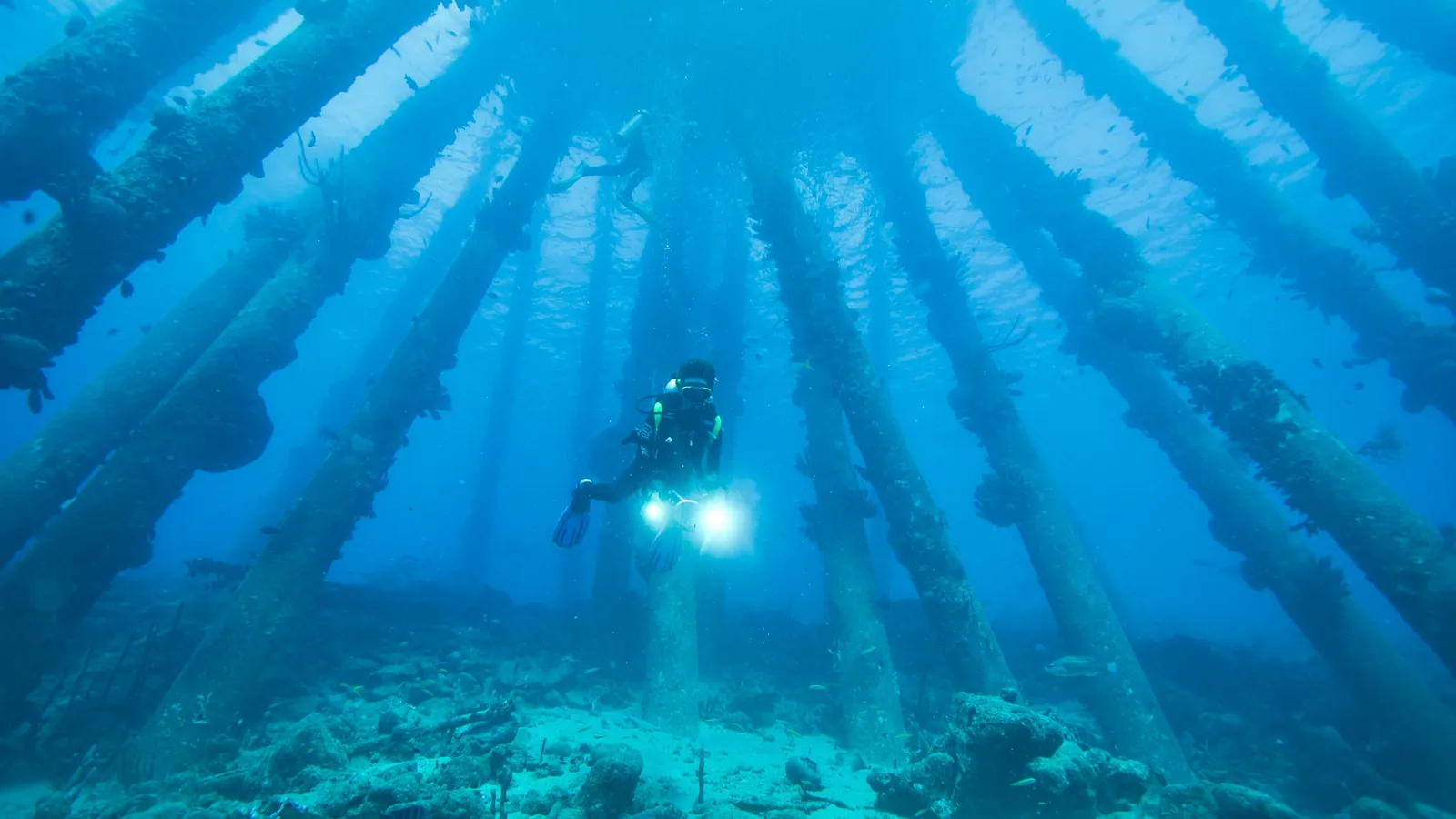
Worth saying, because divers who only dive on trips sometimes assume the reverse.
A New England shore dive asks more of you than a guided tropical drift does. You carry your own gear over rock, you enter through surf, you navigate in limited visibility, you manage a thick suit and a lot of lead, and nobody is leading you. A diver who is comfortable doing that is comfortable almost anywhere.
That is the practical case for diving at home between trips rather than only on them: it is the harder training ground, and it is twenty minutes away. Scuba Diving Magazine has a good short piece on getting more out of shore diving along the same lines.
Learning a site properly
There is a difference between having dived somewhere ten times and knowing it, and the difference is whether you ever wrote anything down.
The divers who really know a site can tell you the depth at the far end of the wall, roughly how long it takes to swim there, what heading brings you back, what the visibility is like on an east wind, and which month the growth comes in. None of that is remembered by accident. It comes from a habit of noting a few numbers after each dive, which is what a dive log is actually for.
A useful exercise is to sketch the site from memory after your fifth dive there, then take the sketch on the sixth and correct it. Most divers discover their mental map is confidently wrong in at least one place, which is a cheap thing to find out on purpose — and it is the same skill as natural navigation, practiced deliberately rather than hoped for.
Four or five places is plenty
The last argument is logistical, and it is the one that keeps people diving.
A short list of sites you know well removes almost all the friction from going diving. You know where to park, where to get in, what the wind does to it, and roughly what you will find. That means a decent forecast on a Saturday morning turns into a dive instead of into an afternoon of research, and the divers who keep diving are overwhelmingly the ones for whom going is easy.
Which sites suit which conditions is in the shore diving guide, getting in and out of them is in shore entries and exits, and the parking and access that decide whether it is a pleasant morning are in getting to the dive site.
Frequently asked questions
Is it not boring diving the same place?
It stops being the same place around the fifth dive. Once you are not spending the whole dive orienting yourself, you start seeing what is actually there, and a site you know well changes noticeably across a season.
How many dives before a site feels familiar?
Fewer than you would think for the layout, more than you would think for the detail. Most divers can navigate a site confidently after a handful of dives and are still finding new things after twenty.
Does diving locally make me a better diver than traveling?
It makes you a more capable one. Cold, limited visibility and a shore entry are harder conditions than a guided warm-water drift, and a diver who is comfortable here is comfortable almost anywhere.
What should I do differently on a repeat dive?
Give the dive a job. Practice a skill, navigate a leg, look at one small area properly, or take a camera. A dive with a purpose is a different dive even at the same site.
How do I know when conditions are right?
Knowing one site well is largely how — you learn what a given wind and tide does to it. The general method is in reading conditions before a shore dive.
Ask what is diving well this week
Local knowledge lives in people rather than in guides. Ask us which sites are worth the drive right now.