
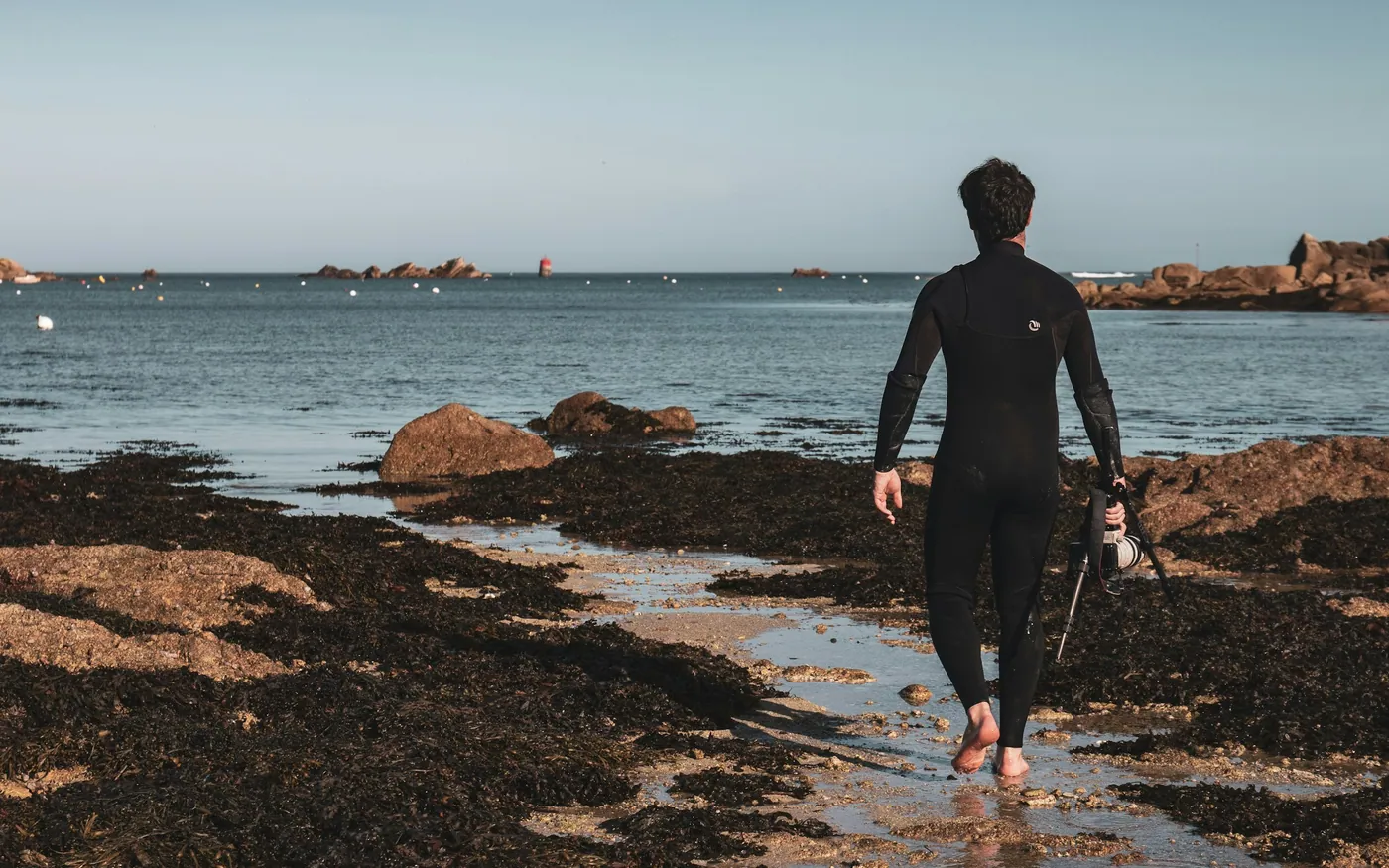
Almost every shore dive on this coast starts in somebody else’s parking lot. Access is not a right, it is a habit that people tolerate, and it is lost more easily than divers tend to assume.
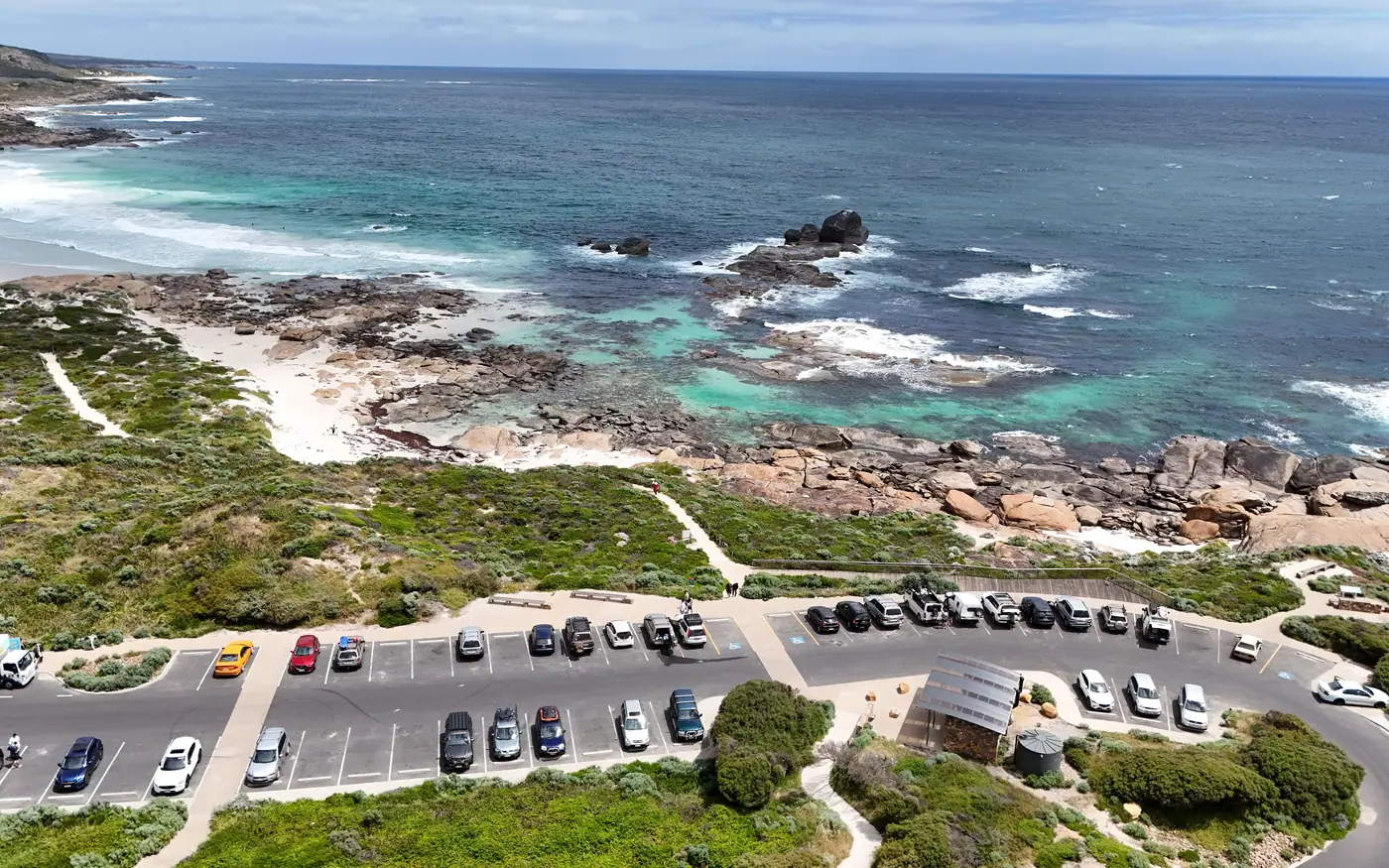
Access is granted, not owned
This is the part worth internalizing before any of the logistics.
Coastal shore diving generally happens on the sufferance of somebody: a town that has not restricted the lot, a landowner who has not posted the path, a harbormaster who does not mind divers using the slipway on a quiet morning. None of that is permanent, and all of it is responsive to complaints.
Access that annoys people gets restricted, and it almost never comes back.
Divers are a small user group with a large physical footprint — big vehicles, a lot of equipment, wet things, and a habit of arriving early and making noise. That combination is easy to resent, and equally easy not to.
Sort the parking before you leave

Parking is the single most common reason a planned shore dive turns into a drive home, and it is entirely solvable in advance.
- Find out where you are actually allowed to park, from a person rather than a five-year-old forum post. Rules change, and coastal towns change them seasonally.
- Check whether it is resident-only or permit-only, which is common in season and expensive to discover by ticket.
- Go early. A lot that is impossible at eleven on a Saturday in August is often empty at seven.
- Never block a driveway, a slipway or a turning space, even briefly, even to unload.
- Have a second site in mind. The plan that survives a full parking lot is the one with an alternative.
If you want to park at a dive shop, ask, and buy something while you are there. It is a business, not a trailhead, and asking is almost always answered yes.
Keep your footprint small
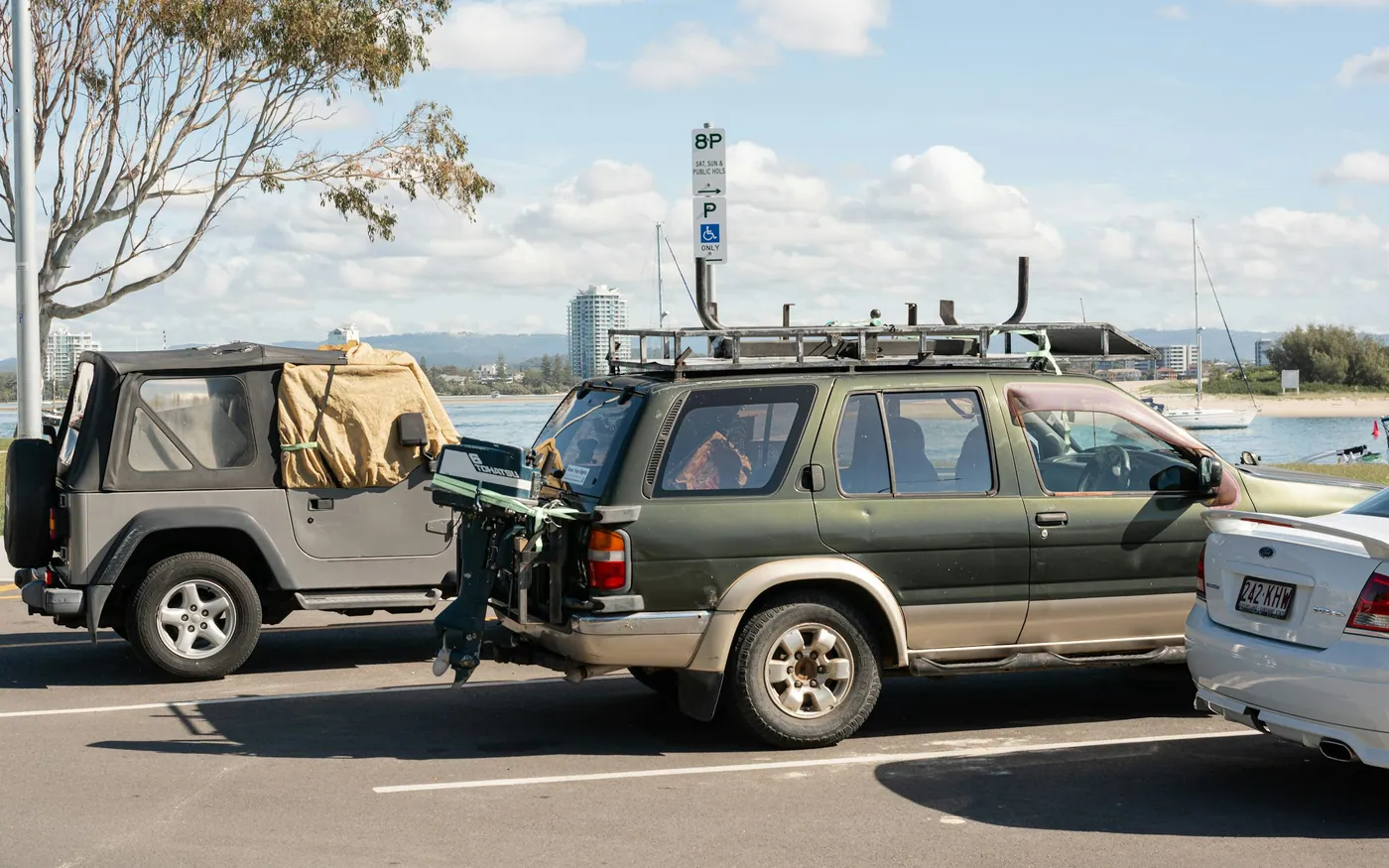
The published advice is blunt and it is right: keep your gear confined and organized rather than spread from the parking area to the water.
Kit up beside your own vehicle, in your own space. Do not lay cylinders, suits and bags across a walkway, a slipway or two extra parking spaces. Do not use the whole tailgate area of somebody else’s car as a bench. Put wet gear into boxes rather than draping it over railings.
It sounds fussy written down. In practice it is the difference between a group of divers who are barely noticed and a group who become the subject of a conversation at a town meeting.
The walk down, and back
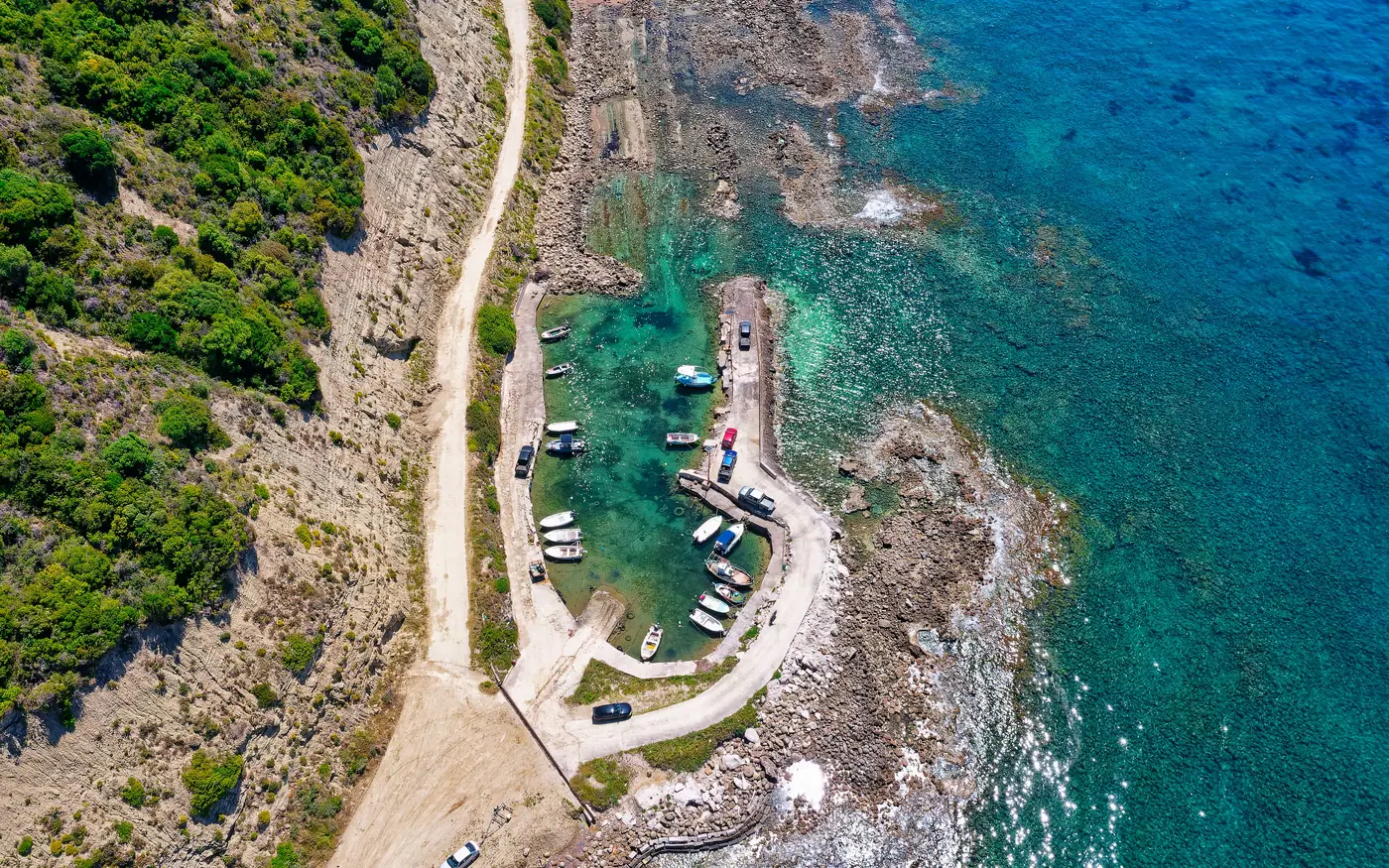
How far you have to carry everything, and over what, decides more about the day than the diving does.
Work out the route before you kit up, including where you would come back to if you surfaced somewhere unplanned. A long carry over rock in full equipment is genuinely tiring, and it is worth two trips rather than one heroic one — the entry and exit technique itself is covered in shore entries and exits.
Kit up as late as you sensibly can. Standing around fully dressed in a thick suit on a warm morning is how people start a dive already overheated and dehydrated.
And think about where you will be when you come back out, which is not always where you went in. A current that pushes you two hundred yards along the shore turns a short walk back to the car into a long one in full gear, which is the sort of thing worth deciding before rather than after — see diving in current.
Being visible, and being boring

A few habits cost nothing and do most of the work of keeping a site usable.
Keep the noise down early in the morning, particularly car doors, tailgates and cylinder valves. Take everything away with you, including other people’s litter if there is a little of it. Be friendly to whoever asks what you are doing, because the person walking a dog is precisely the person who decides whether divers are a nuisance.
And fly a flag where it applies. Being seen matters for boat traffic, and it also makes the group look organized rather than random — the case is in dive flags and surface markers.
The logistics people forget
A short list of unglamorous things that make the difference between a smooth morning and an awkward one.
- Know where the nearest bathroom is, and whether it is open out of season. This is a more common problem than the diving.
- Bring water. Coastal parking areas rarely have any, and dehydration is the quiet cause of a lot of cold, tired divers.
- Bring a box for wet gear so your vehicle does not become the reason you stop shore diving.
- Have somewhere to change that is not the open parking area. A changing robe costs little and prevents a specific kind of complaint.
- Carry cash for a meter or an honesty box that does not take cards.
- Leave a note of your plan with somebody, especially if you are diving somewhere quiet out of season.
Ask somebody who was there last week
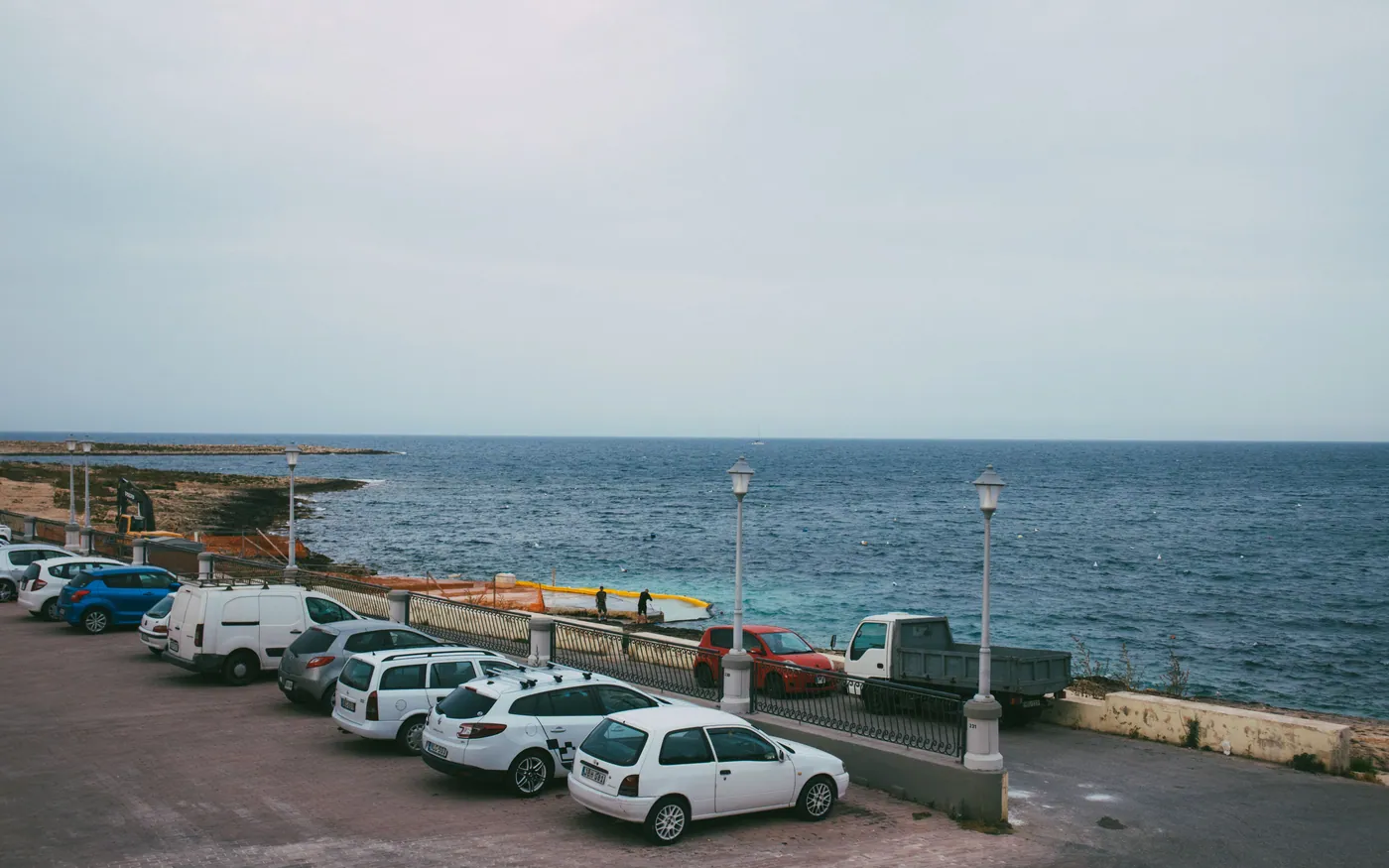
The most reliable source for any of this is a person, not a page.
Conditions, parking rules, whether the lot is being resurfaced, whether the path has washed out, whether the harbormaster has asked divers to use a different entry — none of that survives in a written guide, including ours. It lives in dive shops and in local diver groups, and it is current.
So ask. Our shore diving guide and the Massachusetts North Shore pages cover which sites suit which conditions, and reading conditions covers whether to go at all. For the specifics of a particular morning, ask the shop. Scuba Diving Magazine makes much the same point about etiquette more generally.
Frequently asked questions
How do I find out where to park?
Ask a dive shop or a local diver before you go. Parking at coastal sites varies by town, changes seasonally, and is the detail most likely to be wrong or out of date in an online site guide.
Can I park in a dive shop’s lot?
Ask first, and buy something. It is somebody’s business premises, not a public trailhead, and the answer is usually yes to people who ask.
Where should I kit up?
Beside your own vehicle, in as small a footprint as you can manage. Gear spread from the parking area down to the water is what gets divers complained about, and complaints are how access disappears.
Why does any of this matter?
Because a lot of shore access exists at somebody’s discretion — a town, a landowner, a harbormaster. Access that annoys people gets restricted, and it very rarely comes back.
What if a site looks closed or posted?
Then it is closed. Do not improvise, and do not rely on a website that says it was fine three years ago. Ask us, and we will tell you what people are actually diving this season.
Ask before you drive out
Parking and access change. One phone call saves a wasted morning, and we would rather you asked.