
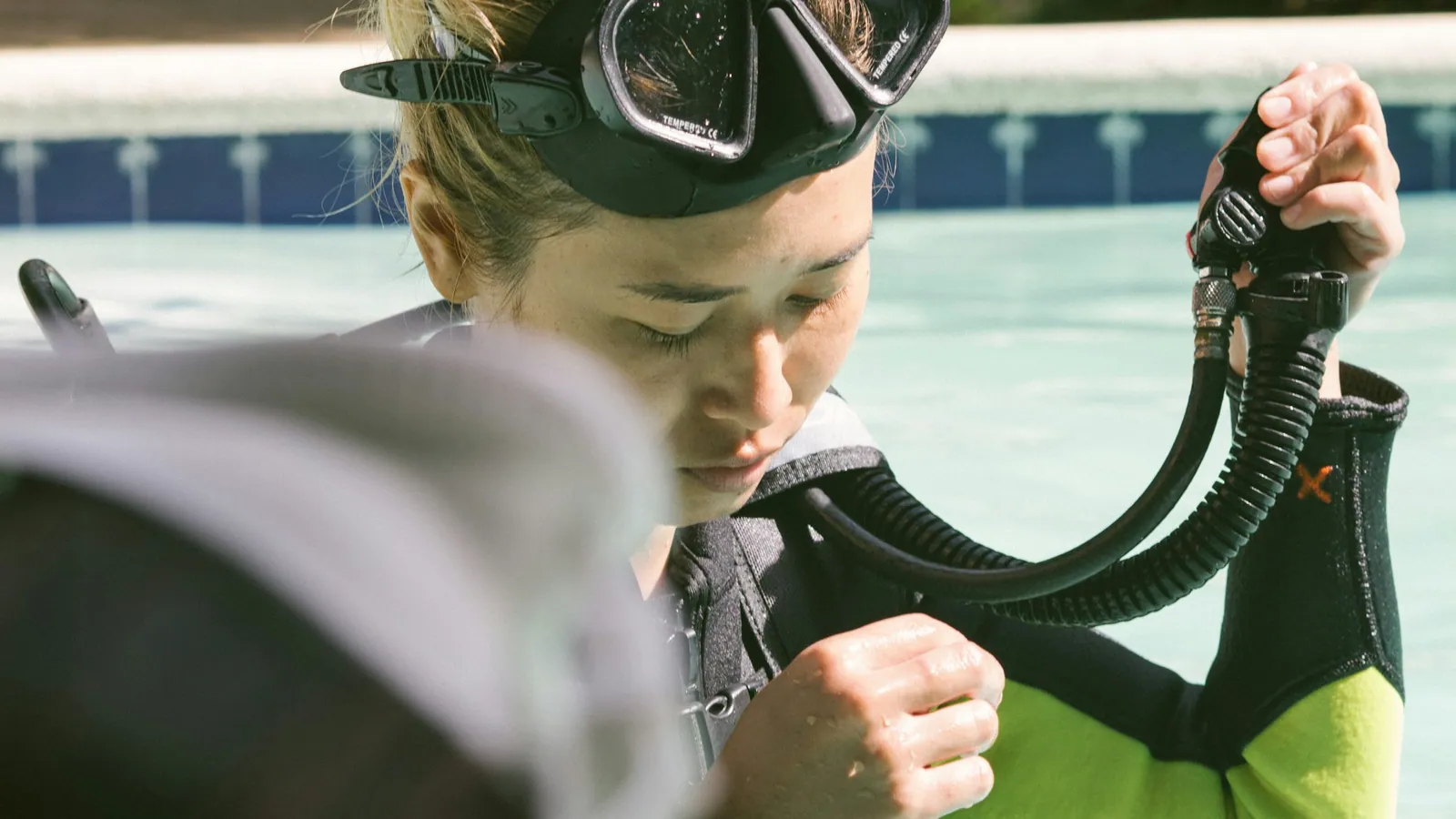
Almost nothing that goes wrong on a recreational dive is an emergency. Nearly all of it is an inconvenience that becomes an emergency only if the diver rushes, and the fix for that is the same every time.
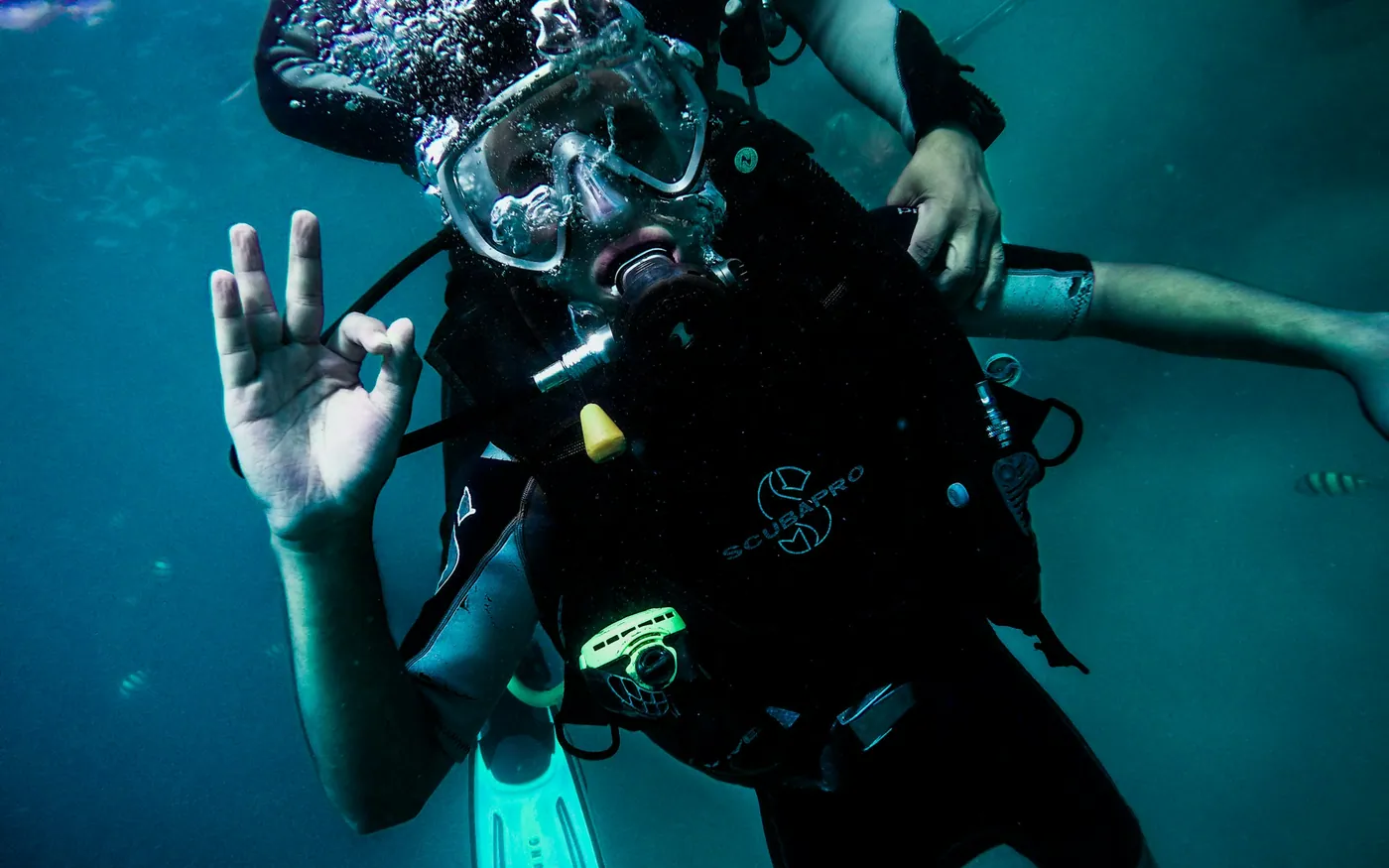
Stop, breathe, think, act
This is the spine of everything below, and it is worth knowing as a reflex rather than as a slogan.
Stop. Stop swimming, stop ascending, stop doing whatever made it worse. Breathe. A long slow exhale, which is the single most effective anti-panic measure available and costs nothing. Think. Name the actual problem. Act. Apply the fix, which you almost certainly already know.
The problem is rarely the problem. The rush is the problem.
The order matters. Divers who act first and think afterwards are the ones who bolt for the surface with a flooded mask, which turns a two-second fix into an uncontrolled ascent — and that genuinely is dangerous, for the reasons in ascent rate and safety stops.
A flooded mask
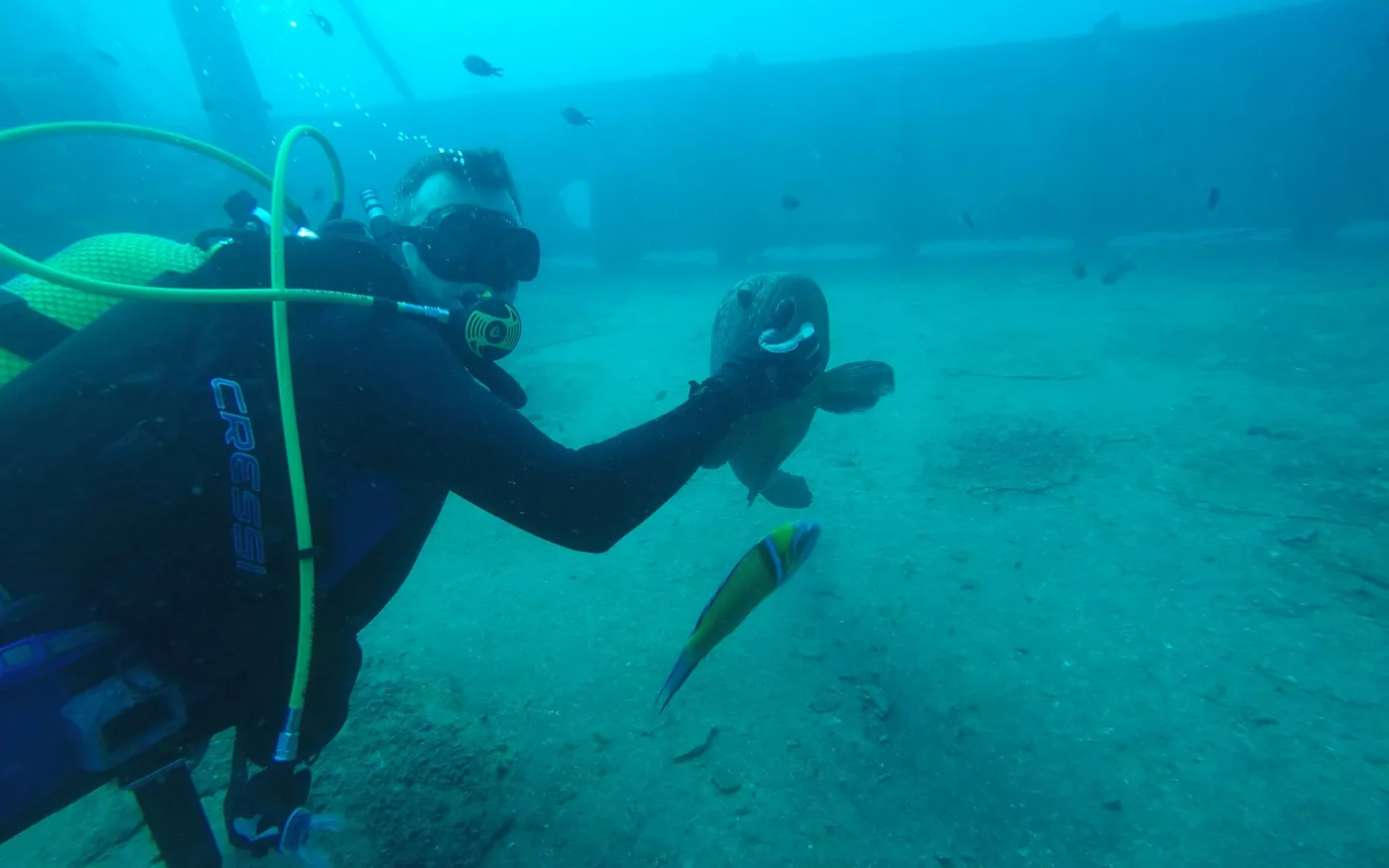
This is the one that unsettles new divers most and matters least. Water in your mask is uncomfortable and completely survivable: you are breathing through your mouth and nothing about that has changed.
Keep the regulator in. Take a normal breath. Press the top edge of the lens firmly against your forehead with the palm of your hand, tilt your head back a little, and breathe out steadily through your nose. The air displaces the water and it leaves through the bottom of the skirt.
If it floods again immediately, something is breaking the seal — usually a strand of hair, the edge of a hood, or a strap pulled far too tight. All three are worth checking on the surface, and a mask that never seals properly is usually the wrong mask, which is the subject of choosing a mask that fits.
A free-flowing regulator
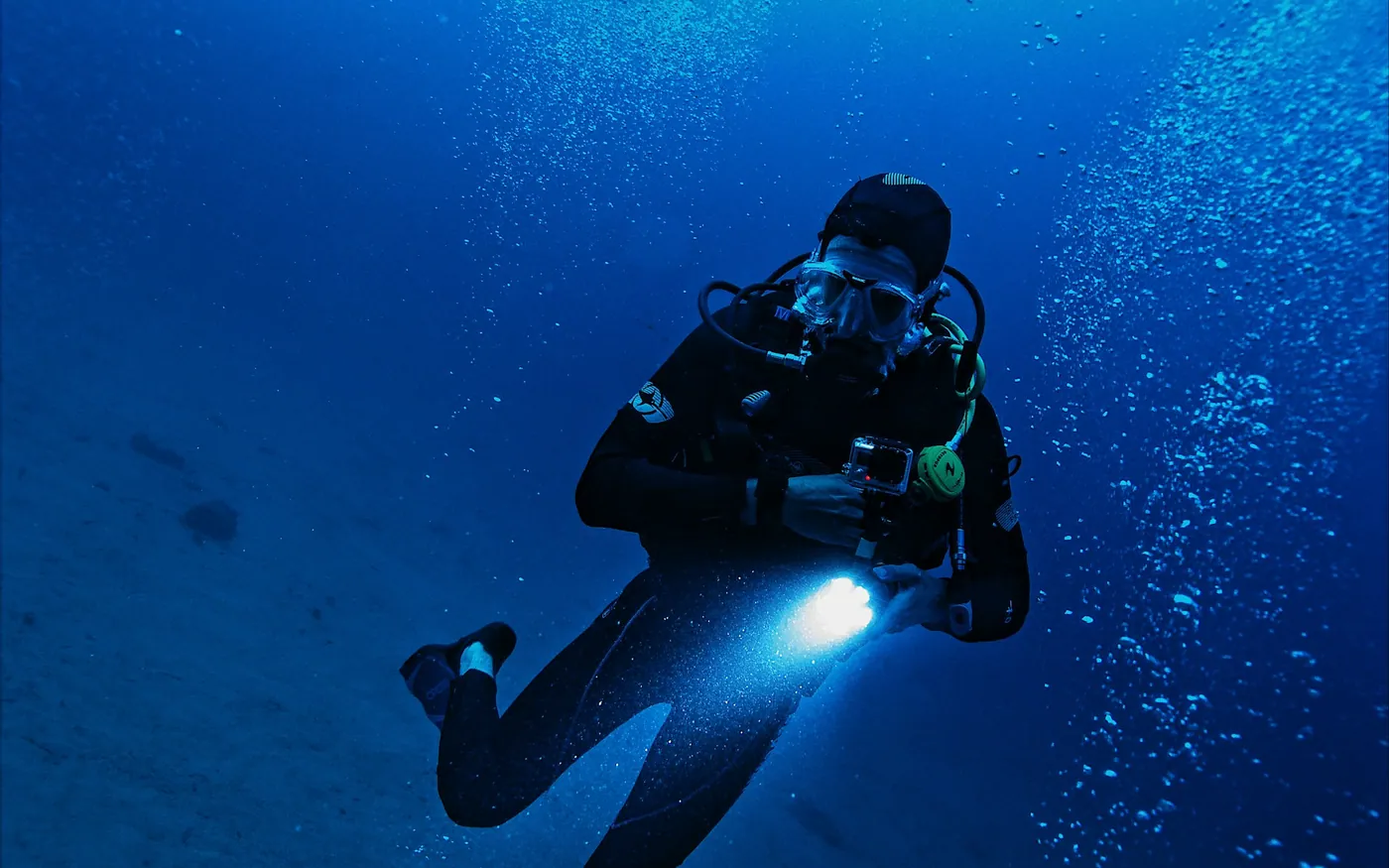
A regulator that starts pouring gas is alarming and is one of the few problems that genuinely ends the dive. It is also, here, a fairly ordinary occurrence.
Cold water is the commonest cause. The gas expanding through the regulator drops in temperature, and in cold enough water that can hold the valve open. It is why regulators intended for cold water are built differently and why servicing matters more here than in the tropics.
What to do: signal your buddy, and go up. You can keep breathing from a free-flowing second stage the whole way — do not seal your lips around it, hold it partly in your mouth and sip the escaping gas as you would drink from a fountain. It is not comfortable, it works, and you practiced it once in your Open Water course.
Then end the dive. A free-flow empties a cylinder far faster than breathing does, and the regulator needs a technician before it goes back in the water.
A lost regulator, and a cramp
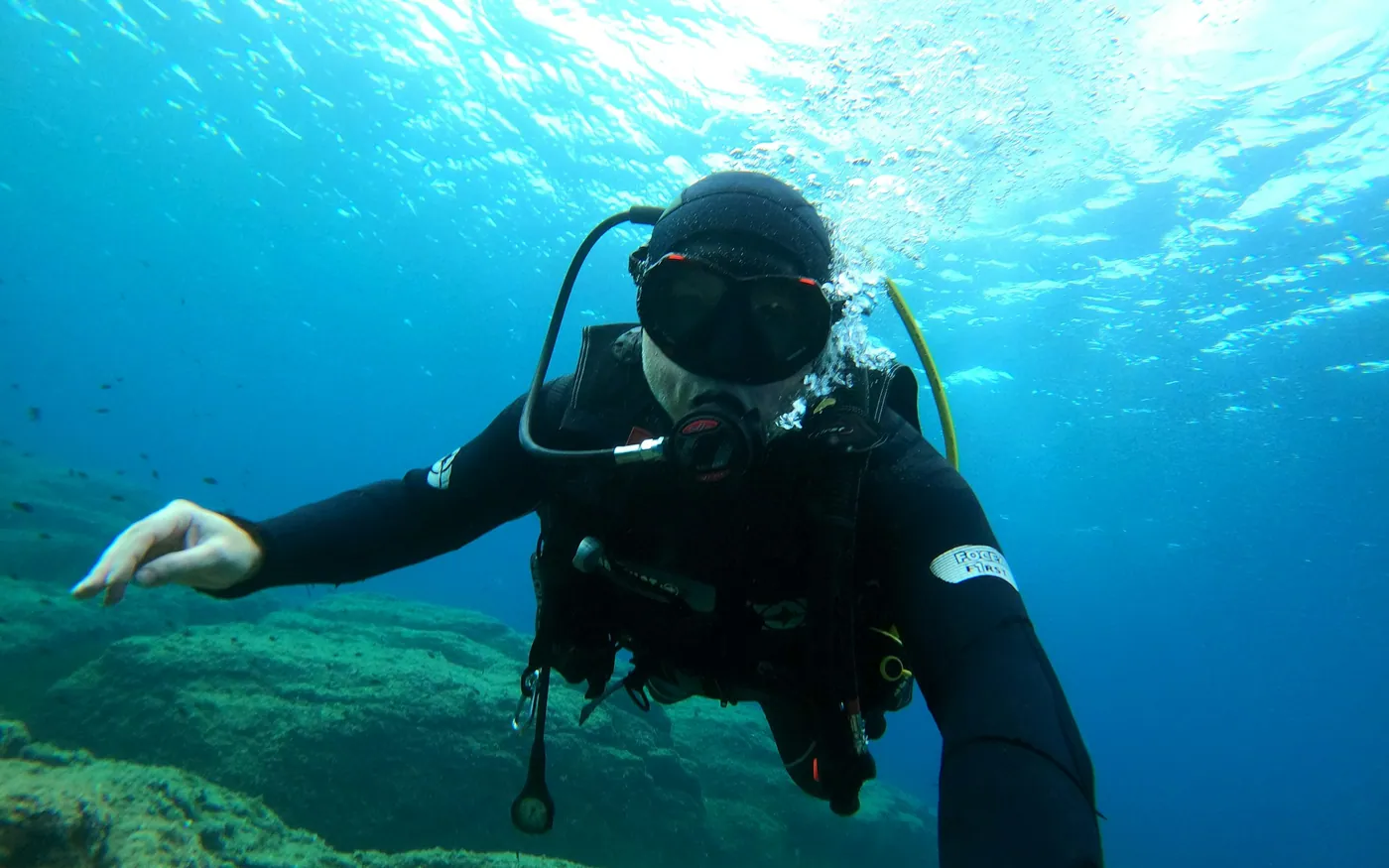
Two more that feel worse than they are.
A regulator knocked out of your mouth is recovered with a sweep: lean slightly to your right, put your right arm straight down and sweep it back and up from the shoulder, and the arm catches the hose. Alternatively reach back and follow the first stage down. PADI has both recovery methods written out. Exhale gently the whole time you do not have it.
A cramp, almost always the calf, is fixed by stopping, taking hold of the fin tip and pulling it toward you to stretch the muscle out. Tell your buddy first so they know why you have stopped. Cramps usually mean cold, tired or dehydrated rather than a technique fault, though an inefficient kick makes them likelier — the case for learning a second kick.
Cold, and knowing when to call it
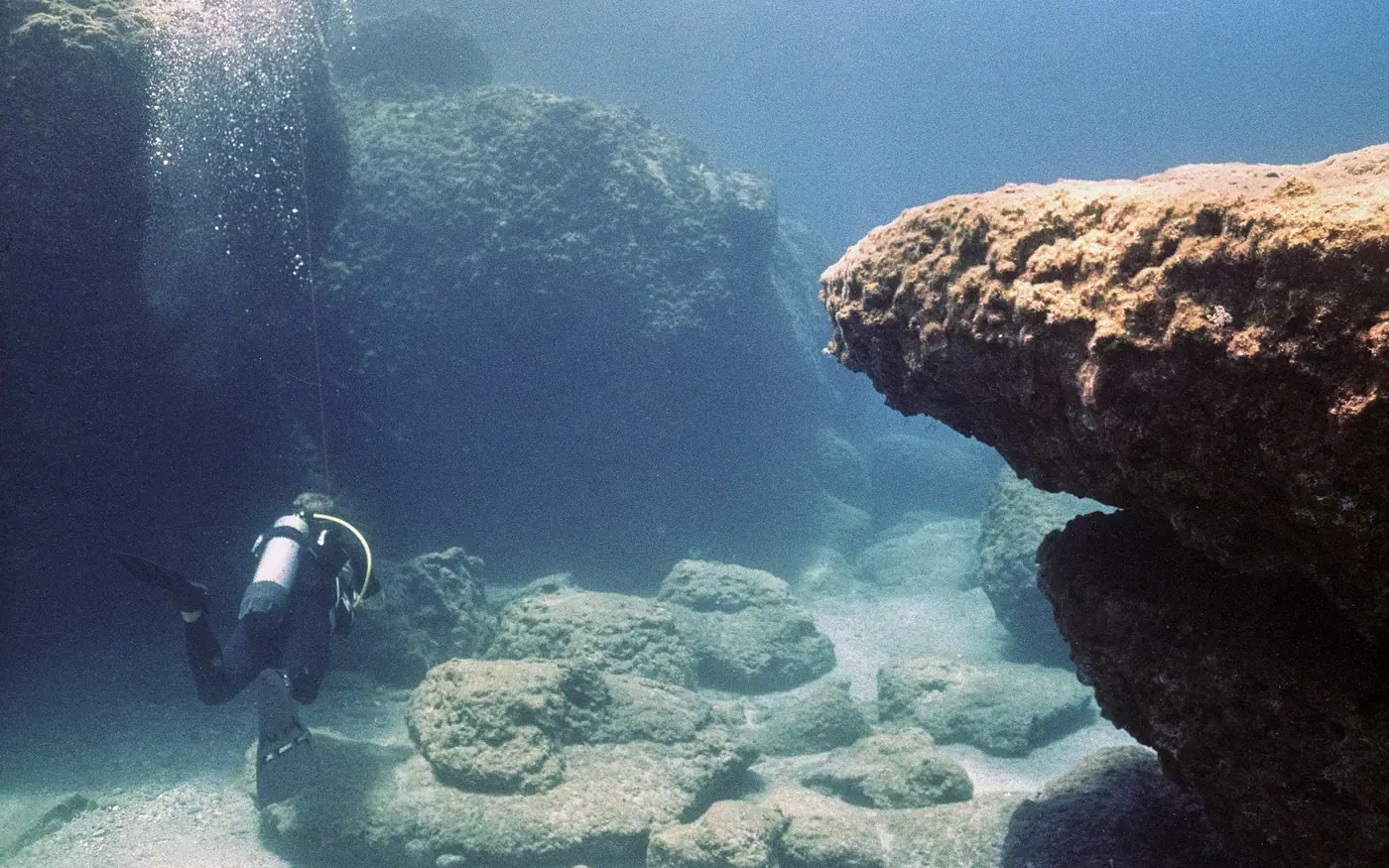
The most common thing that goes wrong on a New England dive is not a failure. It is that somebody gets cold and does not say so.
Cold degrades everything: your dexterity goes, then your judgment, and gas consumption rises at the same time. It arrives gradually enough that the diver talks themselves out of it, which is exactly why it is worth deciding in advance that shivering ends the dive rather than starting a negotiation. The rest of the argument is in cold water diving.
Calling a dive is not a failure and it should never need justifying. A buddy pair who have agreed that either of them can end it without discussion — the agreement described in being a dive buddy worth having — both dive more relaxed for it.
The one that is not on this list
Everything above has a fix you can apply yourself. Running out of gas does not, and that is precisely why it is not treated as another item here.
It is also almost entirely preventable, because it is not really an equipment failure — it is a monitoring failure that began twenty minutes earlier. Check your gauge on a rhythm, agree a turn pressure on the surface, and signal low on air early rather than at the point where it has become interesting. The consumption side of it is in how to use less air.
Keeping the drills alive
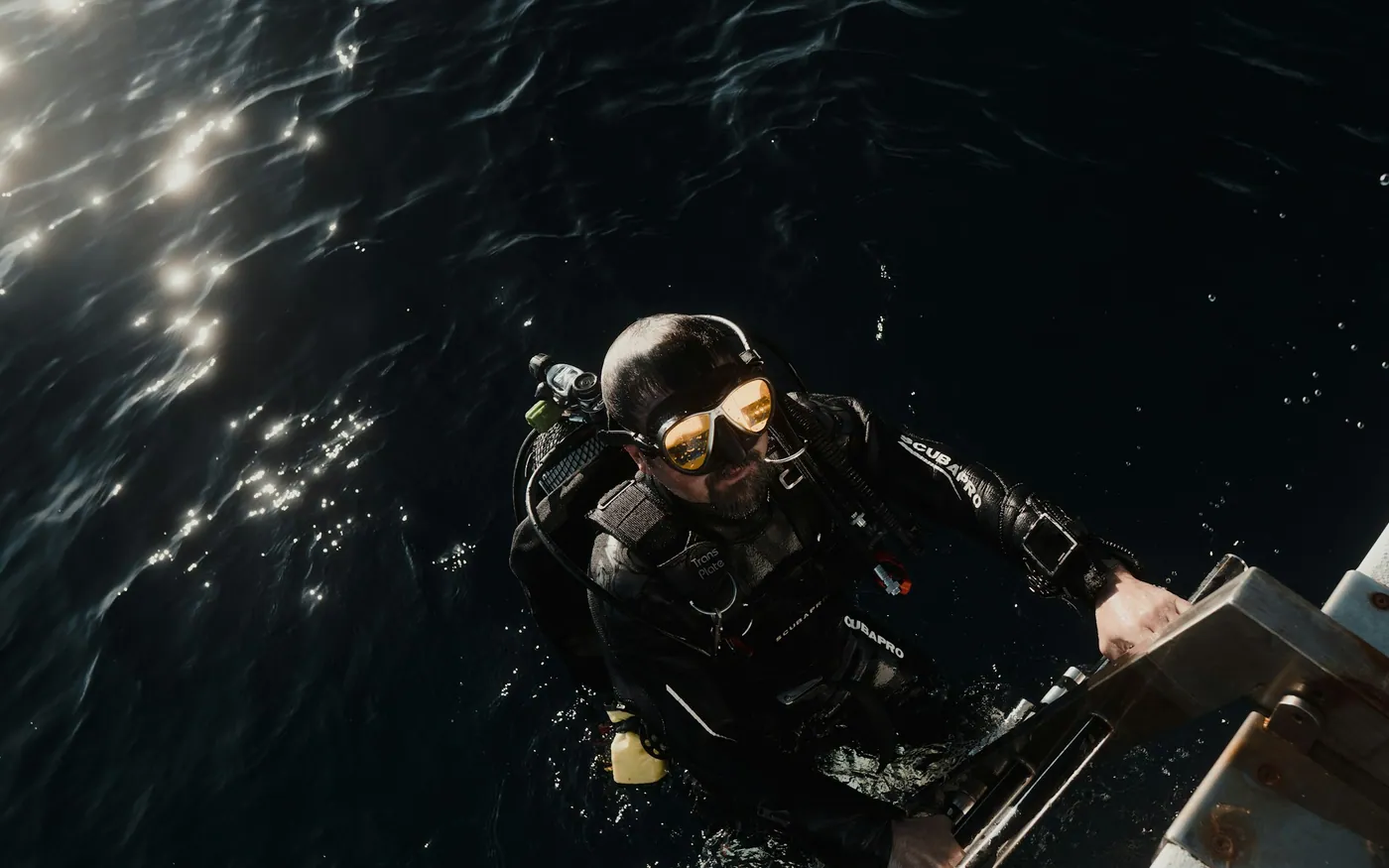
Everything above was taught to you. The question is whether you could still do it without thinking, in cold water, with gloves on.
These are cheap to keep sharp. Flood and clear your mask once on an ordinary dive. Take your regulator out and recover it. Do it at the safety stop where you are shallow, warm-ish and have gas to spare. Two minutes a dive keeps a skill available for the day it is needed.
If any of that sounds daunting, that is useful information rather than an embarrassment: it means a refresher would pay for itself. And if you want the version where handling other people’s problems is the subject rather than your own, that is the Rescue course.
Frequently asked questions
What do I do if my mask floods?
Keep breathing and do not rush. Take a breath, press the top of the mask lens against your forehead, tilt your head back slightly and exhale steadily through your nose. The water goes out of the bottom. If it keeps flooding, the seal is broken by hair or a hood edge.
Why did my regulator start free-flowing?
Cold water is the commonest cause, which makes it a local problem rather than an exotic one. You can still breathe from a free-flowing second stage while you surface — hold it partly in your mouth and sip rather than sealing your lips around it.
What if I get a cramp?
Stop finning, grab the tip of the fin and pull it toward you to stretch the calf, and let your buddy know. It usually eases in under a minute. Cramps are often about being cold, tired or dehydrated rather than about the kick.
What if I lose my regulator?
Sweep your right arm down and back from the shoulder and it will catch the hose. That is the recovery taught in the entry-level course, and it is worth practicing occasionally rather than once, years ago.
How do I stop myself panicking?
Stop moving, breathe out slowly, and only then decide what to do. Almost every underwater problem gets worse when you rush it and better when you pause. If you are not confident of that, a refresher puts the drills back.
Put the drills back
If it has been a while, a refresher session rebuilds the skills in a pool before you need them in green water.