
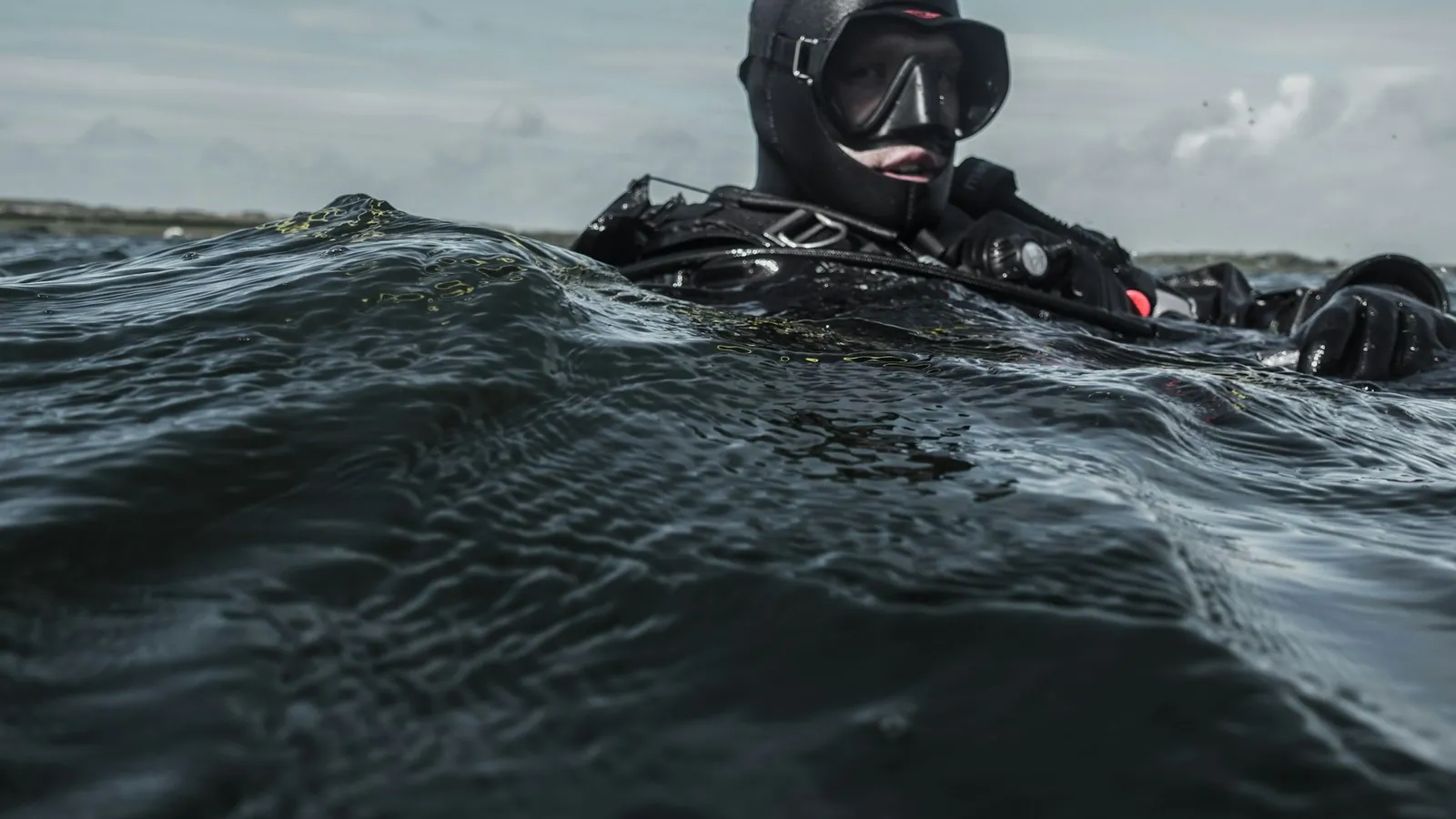
Most of staying warm is not something you buy. Fit, the surface interval and knowing when to get out account for more than the difference between one suit and another.
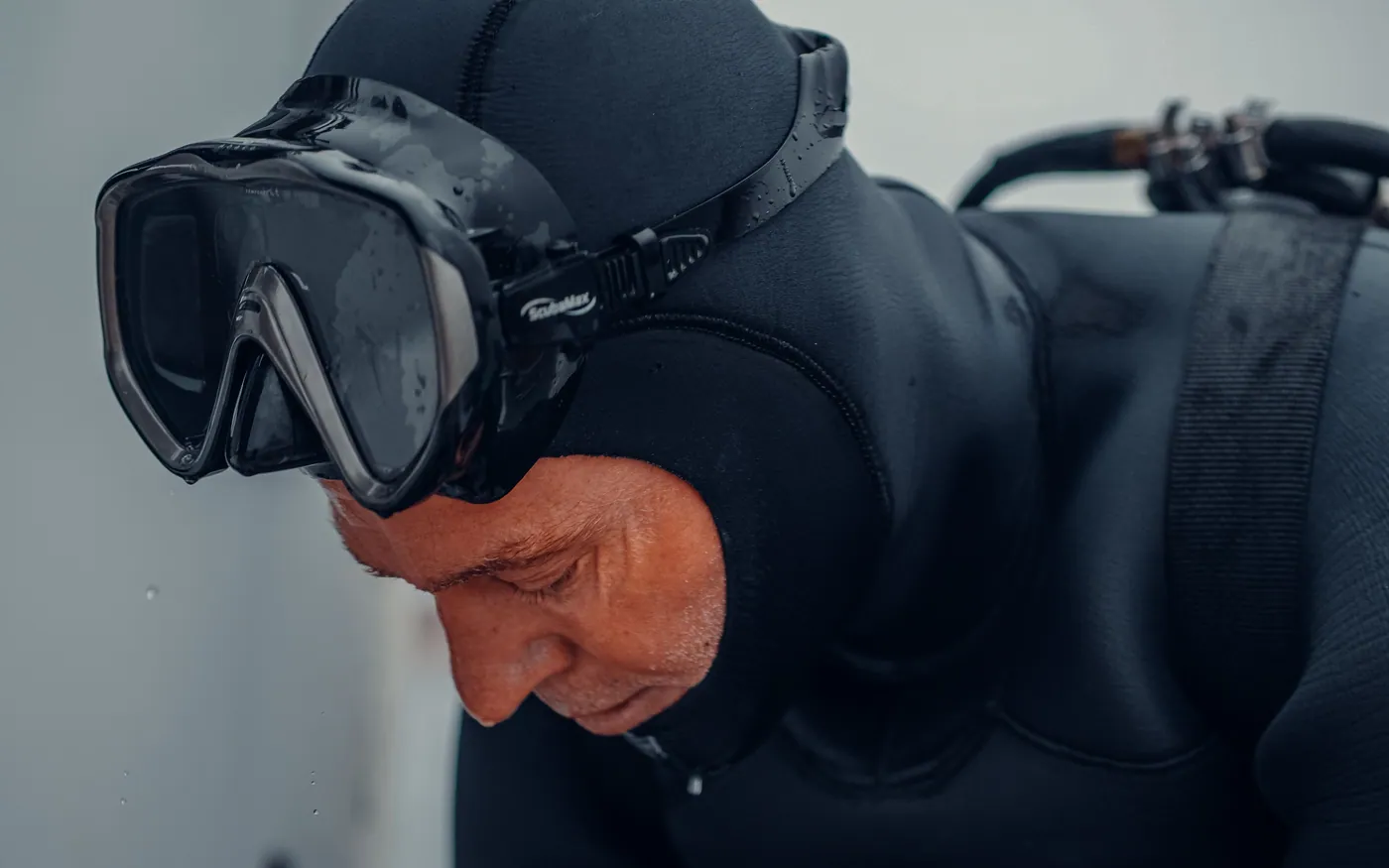
Fit does more than thickness
The mistake almost everyone makes is treating warmth as a thickness problem. It is mostly a sealing problem.
A wetsuit works by holding a thin layer of water against you long enough for your body to warm it. If water is moving through the suit, that never happens, and no amount of neoprene fixes it. A 5 mm suit that seals is warmer than a 7 mm suit that gapes.
| Leak | What it feels like | Fix |
|---|---|---|
| Neck | Cold flush down the back when you look up | A hood with a bib, tucked under the suit |
| Wrists | Cold hands within minutes | Gloves over the sleeve, or a proper seal |
| Ankles | Cold feet late in the dive | Boots that seal against the leg |
| Zipper and back | A cold stripe you cannot place | Correct size, and a zipper flap |
| The whole suit | Cold everywhere, immediately | The suit is too big |
A suit that fits badly is a suit one grade thinner. The neoprene is not the part that failed.
The surface interval is half the problem
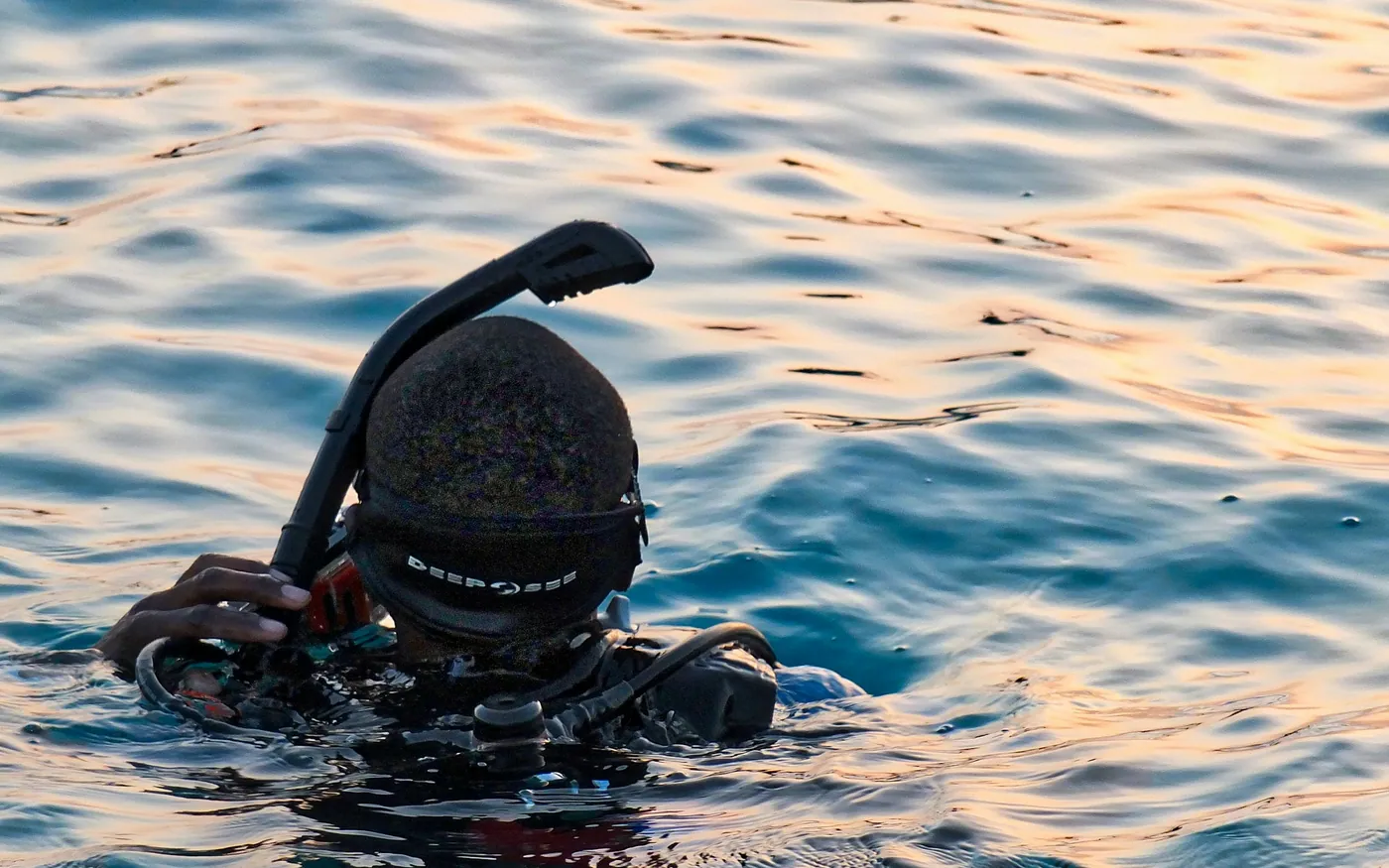
Nobody plans the surface interval, and it is where most cold-water days are quietly lost.
You do not get warm standing wet in the wind. You cool faster out of the water than in it, and the second dive then starts from a deficit you never made up. Divers who cut the afternoon short usually did it during the hour in between.
- Get out of the wind. A car, a windbreak or a boat cabin beats standing about.
- Get dry, or get covered. A dry top over a wet suit is a large improvement for very little effort.
- Something hot to drink. The psychological effect is real even where the thermal one is small.
- Eat something. Staying warm burns energy, and a long cold day burns more than people expect.
- Do not strip down and refit. Getting back into a cold wet suit is worse than staying in it.
Before you get in
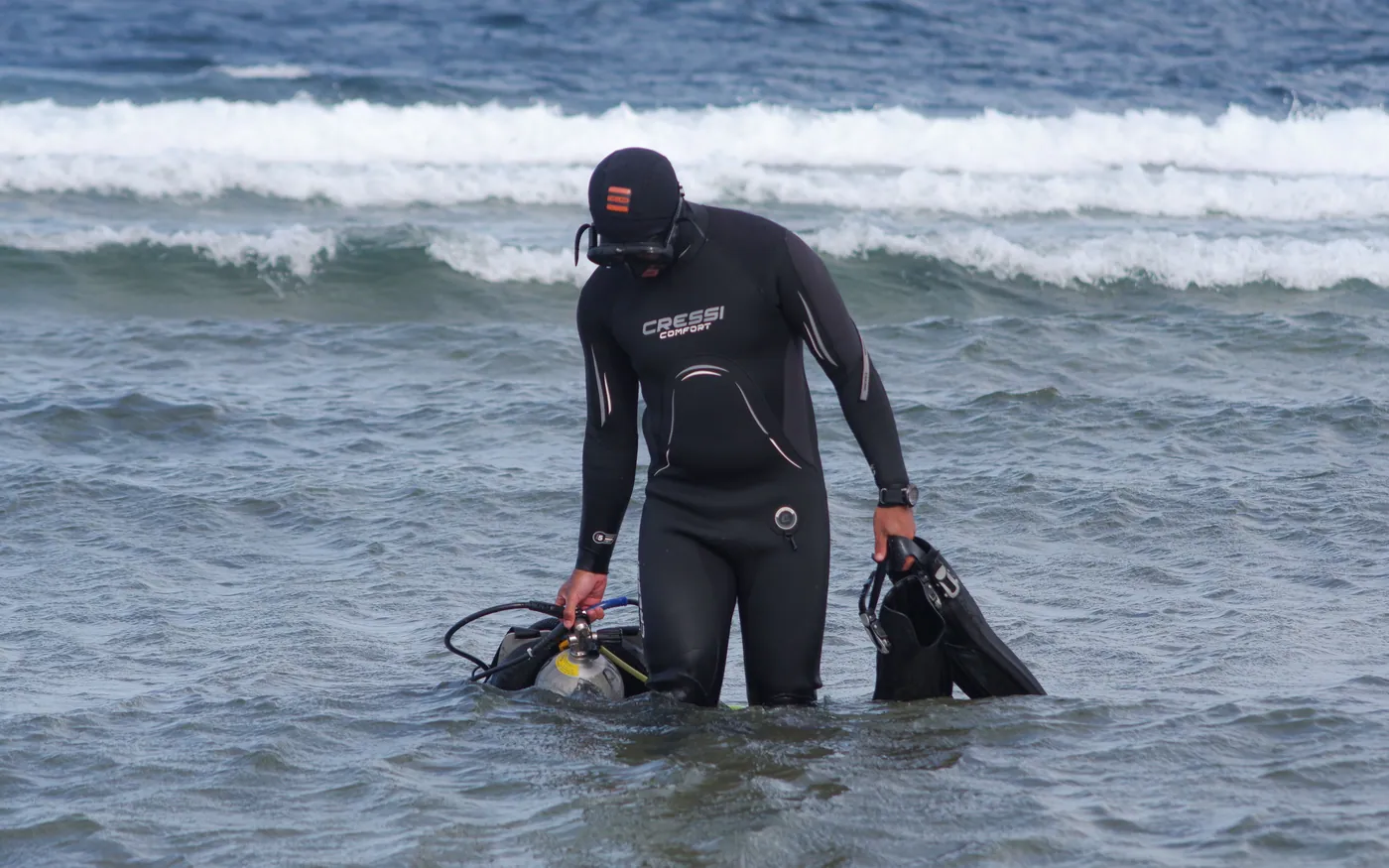
How you arrive matters, and two things are worth more than they sound.
Hydration is the first. Cold and dehydration together make you feel worse than either alone, and immersion already pushes fluid out of you. Drinking before you dive is one of the few genuinely free improvements available.
The second is not rushing. A diver who has jogged to the entry in a 7 mm suit is already overheated and sweating inside it, and will be colder twenty minutes later than someone who took their time. SSI has a rundown of the gear side of cold water diving if you want the equipment view.
Depth makes it worse than you expect
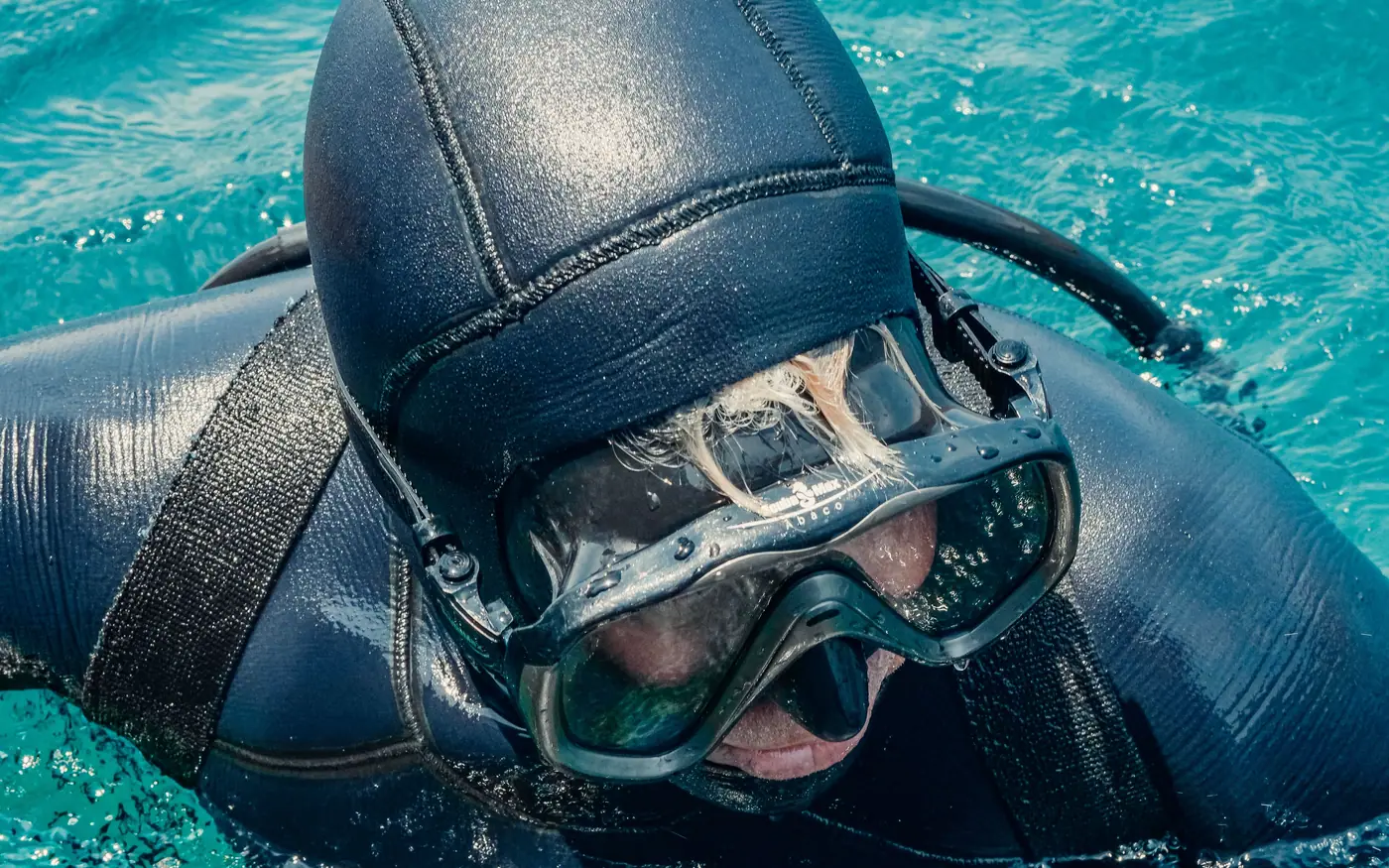
Neoprene is full of gas bubbles, and gas compresses. Your suit is measurably thinner at 60 feet than it was at the surface, so it insulates less exactly where the water is coldest.
That is why a deep dive feels disproportionately colder than a shallow one of the same length, and why the second half of a deep dive is where people start to lose interest in what they came to see.
Plan shorter dives when you are going deeper, rather than assuming your gas supply is the limit. On this coast it frequently is not.
Diving cold changes your gas planning
There is a second-order effect that catches people out, and it has nothing to do with comfort.
Cold raises your breathing rate, and so does the mild tension that comes with being cold. A diver who is chilly goes through a cylinder noticeably faster than the same diver warm, on the same dive, at the same depth.
That means your gas planning from a warm-water trip does not transfer. If you are used to surfacing with a comfortable reserve in the tropics, expect that margin to shrink here — and plan the turn of the dive on pressure rather than on how the dive is going.
It compounds with depth, since both cold and pressure work in the same direction. On a deep local dive the honest expectation is a shorter dive than the same profile would give you somewhere warm.
Knowing when to call it
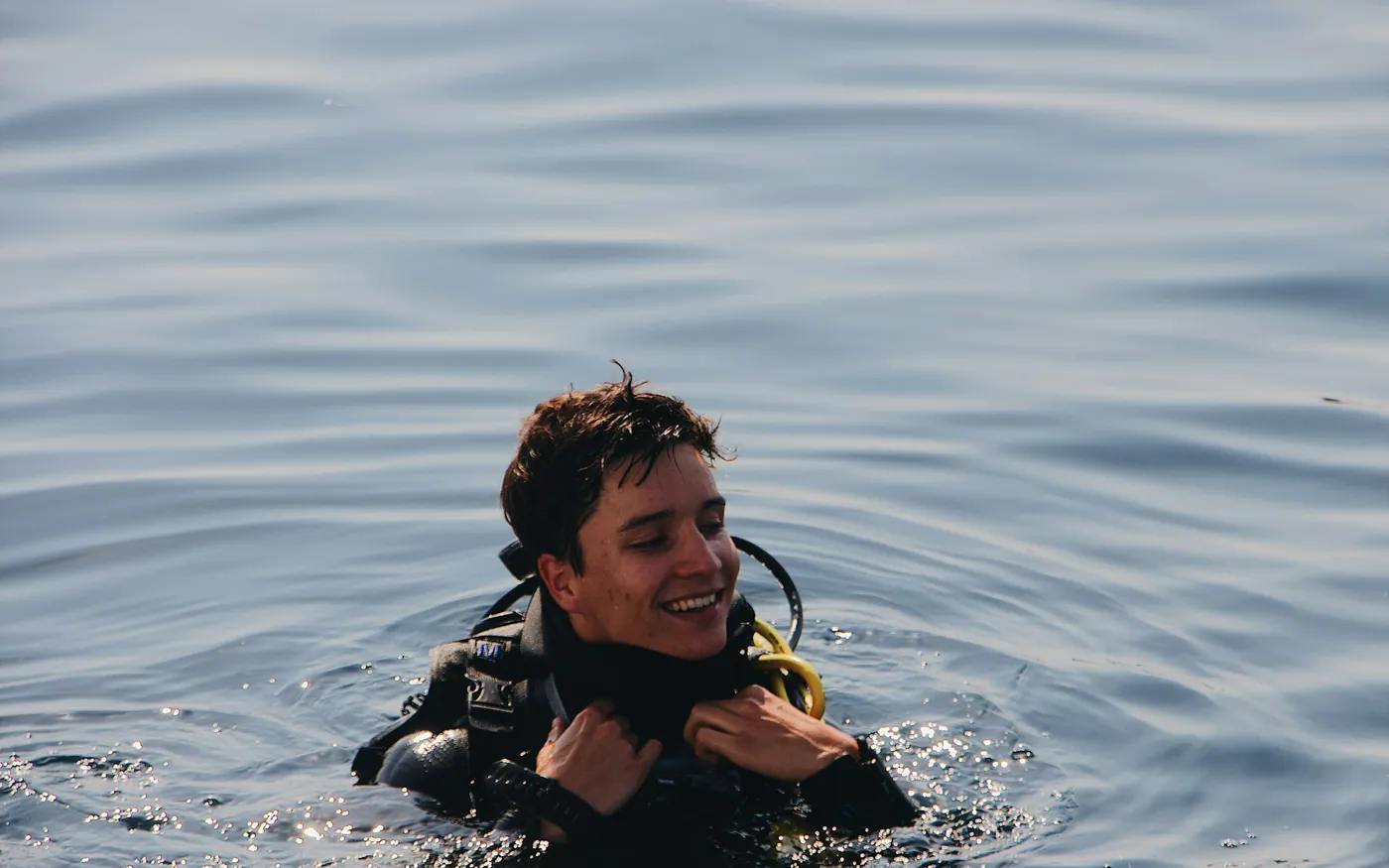
The judgment that matters is not how cold you are. It is which direction you are heading.
Cold at the end of a dive is normal here and nothing to act on. Shivering that starts while you are still underwater is different: it means you are losing heat faster than you can produce it, and the dive should end. Shivering you cannot stop on the surface means the day is over, not the dive.
The unhelpful part is that cold degrades judgment before it degrades comfort, so the diver least able to make this call is the one who needs to. That is worth agreeing with your buddy before you get in, in the same way you would agree signals for poor visibility.
Finally, treat the drive home as part of the day. Divers routinely get into a cold car in wet gear and stay cold for an hour, which is the point at which a good day starts to feel like an ordeal. Dry clothes in a bag and a working heater do more for how you remember cold water diving than most of what you could buy.
What to try before buying anything
If you are cold and considering spending money, work through the free options first, because most divers find the answer among them.
Check the neck seal. Add or replace a hood. Fix the surface interval. Drink more. Dive shallower or shorter. Only then look at the suit — and when you do, rent a size or a style before committing, because fit is the variable that actually decides it. If the gear you own has been in storage, check it is still in condition before you blame it for the cold.
Frequently asked questions
What thickness do I need here?
A 7 mm wetsuit with a hood and gloves is the working minimum for local diving, and it is what our rental suits are. Below roughly 60 °F many divers move to a drysuit instead — we compare the two in drysuits versus wetsuits.
Do I really need a hood?
Yes, and it is the single highest-return item you own. You lose a great deal of heat through your head and neck, and a hood also stops the flush of cold water down your back every time you look up.
Why am I colder on the second dive?
Because you started it colder. You never fully rewarmed during the surface interval, so the second dive begins from a deficit. That is why what you do out of the water matters as much as what you wear in it.
Is shivering dangerous?
Shivering is your body telling you it is losing the argument. Mild shivering at the end of a dive is common; shivering that starts underwater means end the dive, and shivering you cannot stop afterwards means stop diving for the day.
Does being cold use more air?
It tends to, yes. Cold and tension both raise your breathing rate, so a cold diver usually surfaces earlier than a warm one on the same cylinder.
Get fitted properly
Fit is the whole game with exposure protection, and it is not a mail-order decision. Come into the shop in Hampton Falls and try things on.