
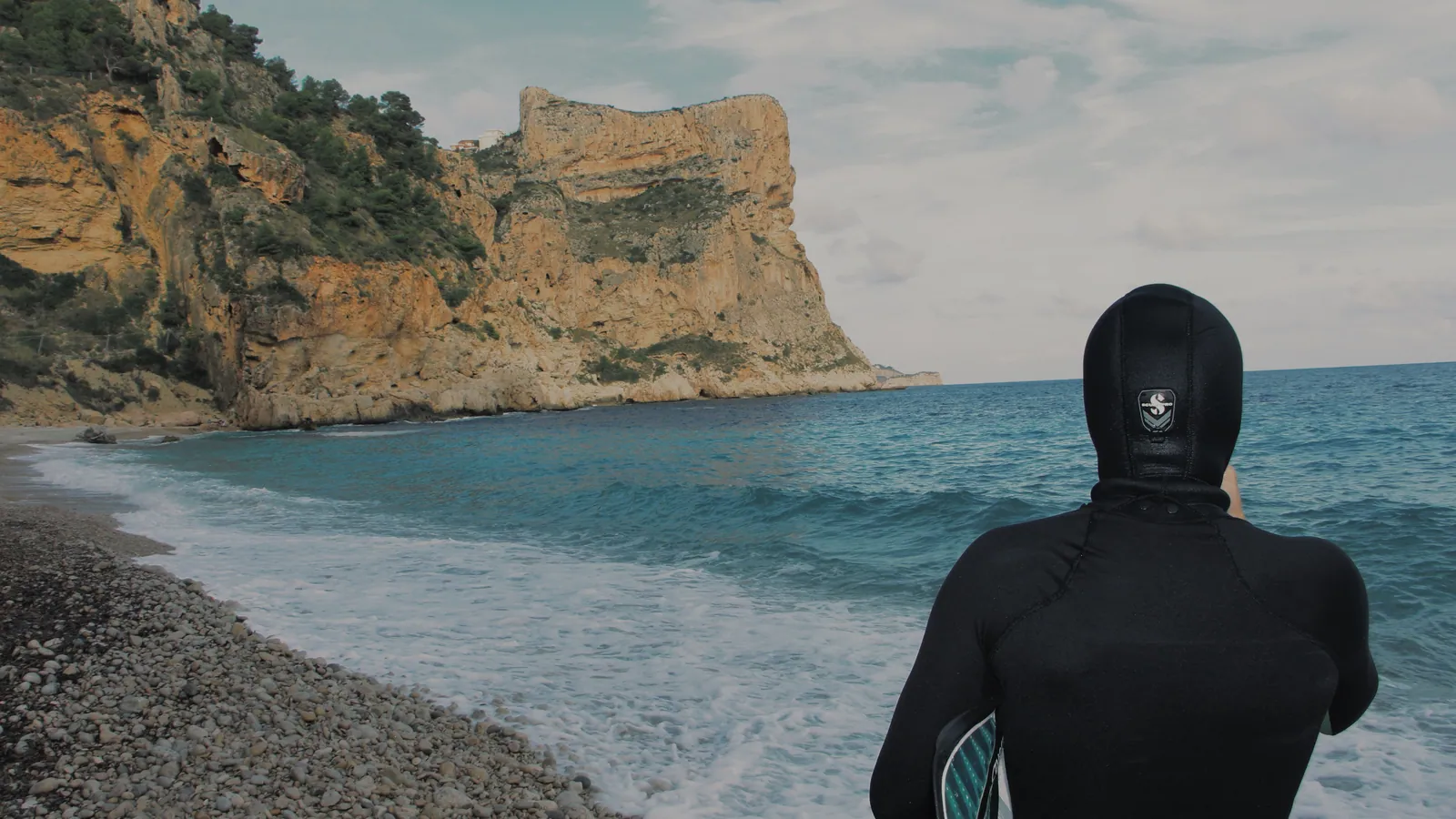
Everybody asks about thickness and almost nobody asks about fit. A snug five millimeter suit will keep you warmer than a loose seven, and that one fact settles most of the question.
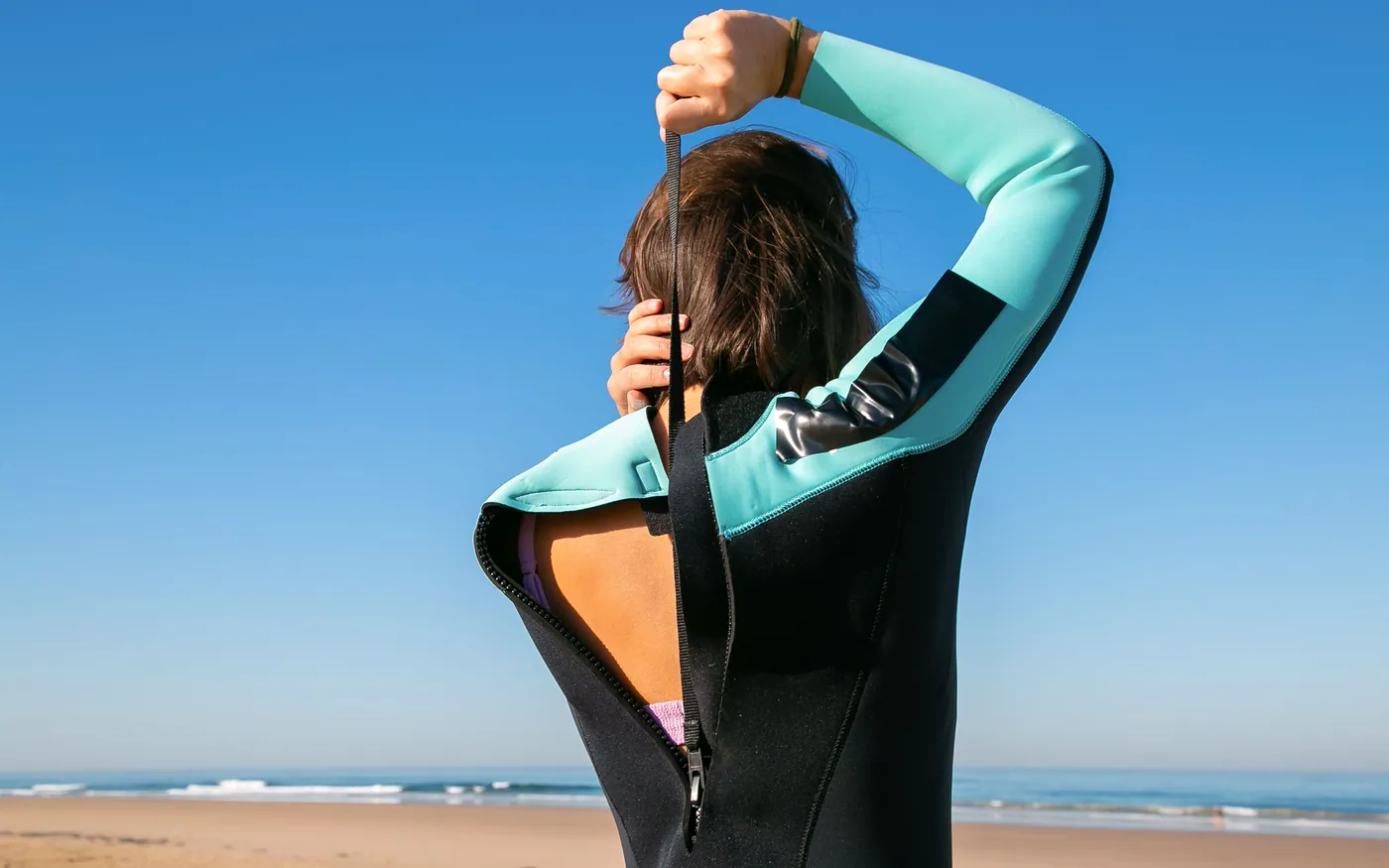
How a wetsuit actually works
The mechanism matters, because it explains every piece of advice that follows.
A wetsuit does not keep water out. It lets a thin film in, your body warms that film, and the neoprene — which is full of tiny gas bubbles — stops the heat escaping. The system works as long as the water stays put.
You are not insulated by the rubber alone. You are insulated by a layer of water you have already paid to heat.
That is why a baggy suit fails. Every time you move, cold water flushes through and takes the warmed layer with it, and you spend the dive reheating new water. The suit is not thin enough to blame; it is loose.
The thickness guidance, and where it puts us
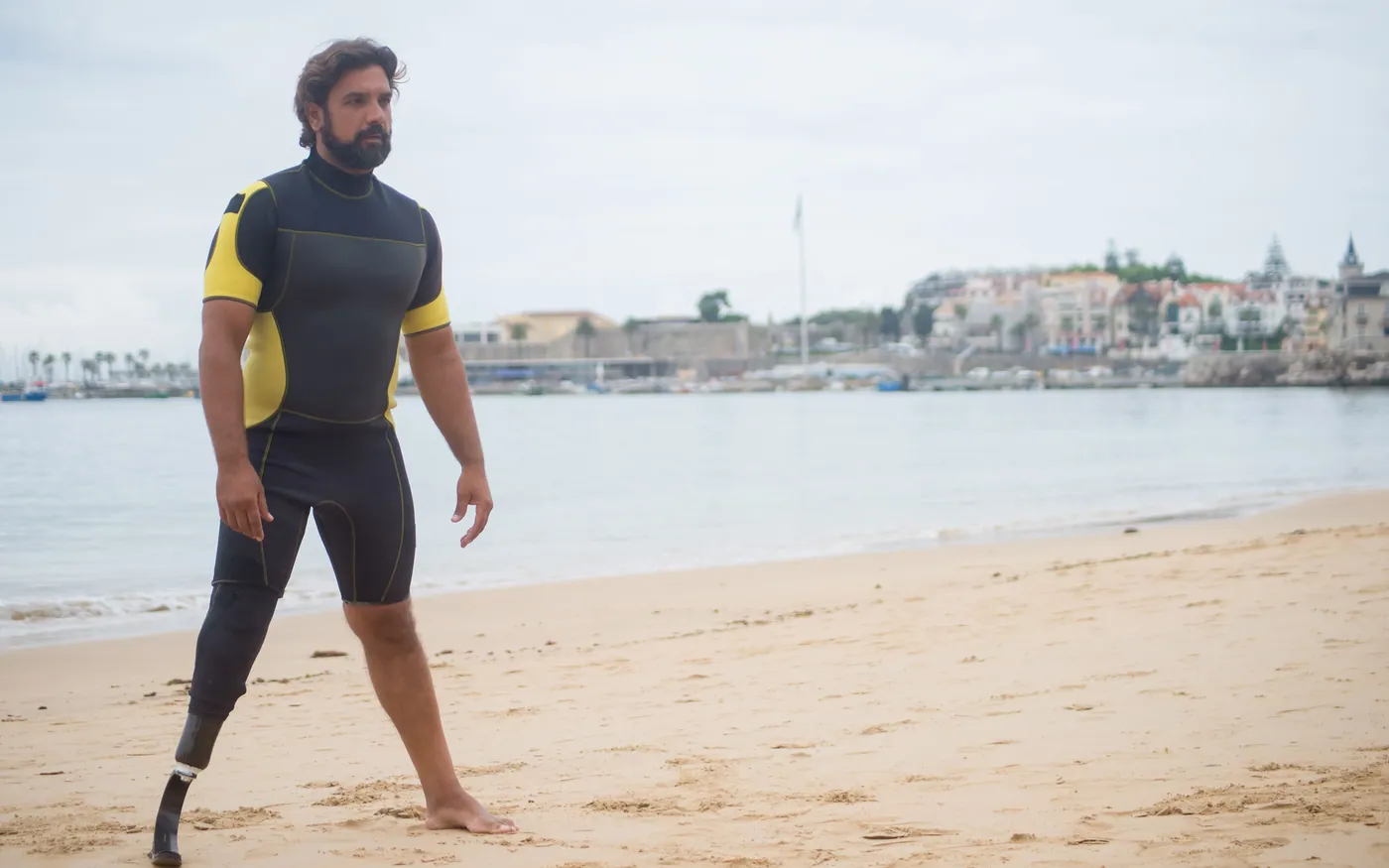
The published ranges are a starting point rather than a prescription, and they shift by several degrees depending on the person.
| Water | Usual answer |
|---|---|
| 80°F and up | A rash guard or a 2 mm shorty |
| 70–80°F | 3 mm full suit |
| 60–70°F | 5 mm full suit |
| 50–60°F | 7 mm full suit, with a hood |
| Below about 50°F | A dry suit for most people |
For diving off this coast that puts most people in a 7 mm suit with a hood for most of the season, and it explains why so many local divers eventually move to a dry suit — the argument laid out in drysuits versus wetsuits.
What the table cannot tell you is the temperature on the day you are diving. That varies by site, by month and by depth, and the practical answer is to ask the shop or a diver who was in the water that week rather than to trust an average.
Fitting one properly
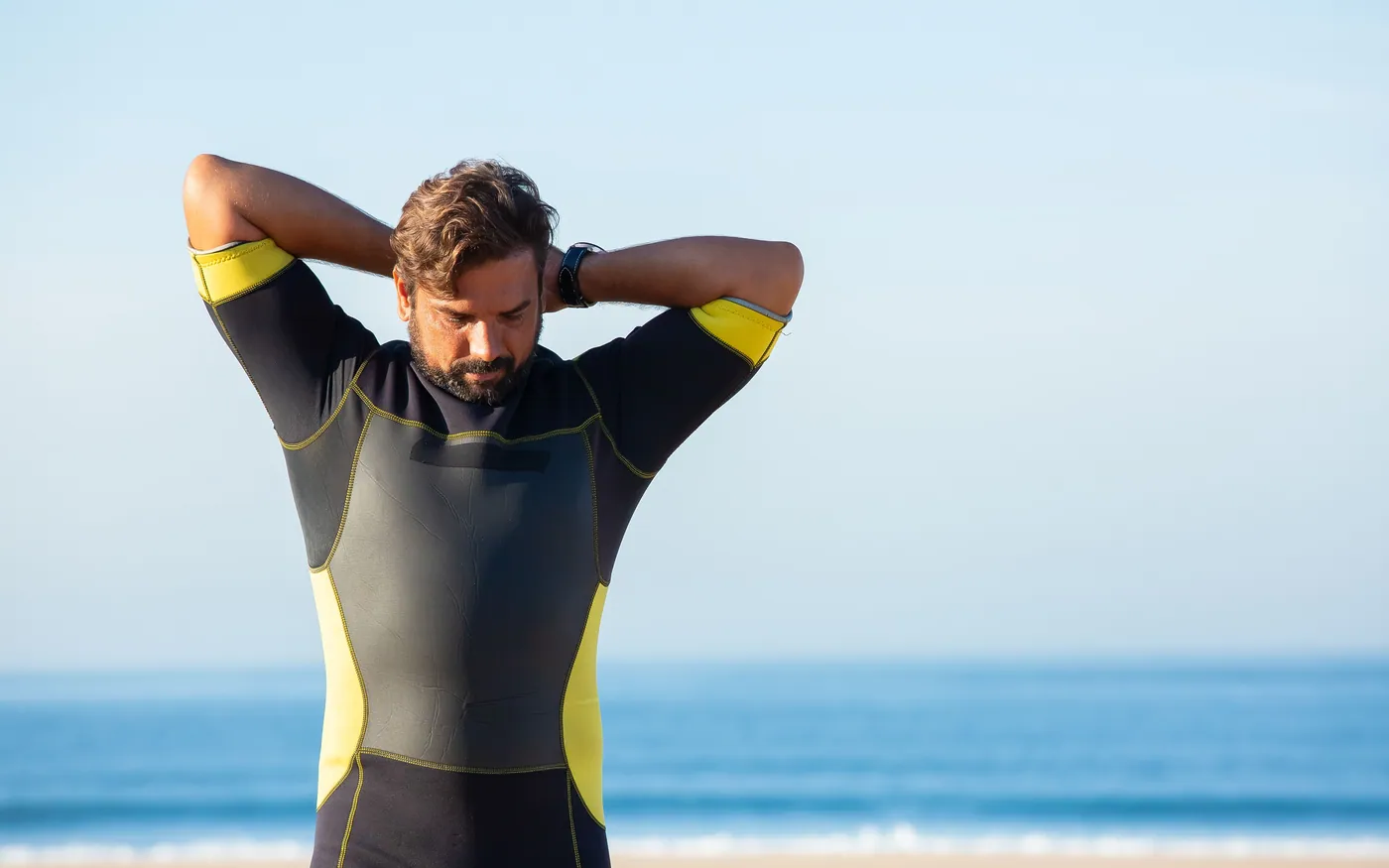
A well-fitting suit is uncomfortable in the shop and comfortable in the water. That is the correct order.
- It should be a fight to get on. Dry neoprene going on easily is a suit that will flush when wet.
- No gaps at the lower back. That hollow is where cold water pools, and it is the commonest fit failure.
- No loose folds behind the knees or in the armpits. Each one is a pocket that fills.
- Full range of motion. Reach both hands behind your head and to your valve. If you cannot, it is too small in the shoulders.
- Snug at wrists, ankles and neck. Those are the doors water comes in through.
Sizes are not comparable between manufacturers, and two suits both labelled large will fit differently. Scuba Diving Magazine keeps a fuller temperature guide, but no chart substitutes for putting one on.
The accessories beat the extra millimeters
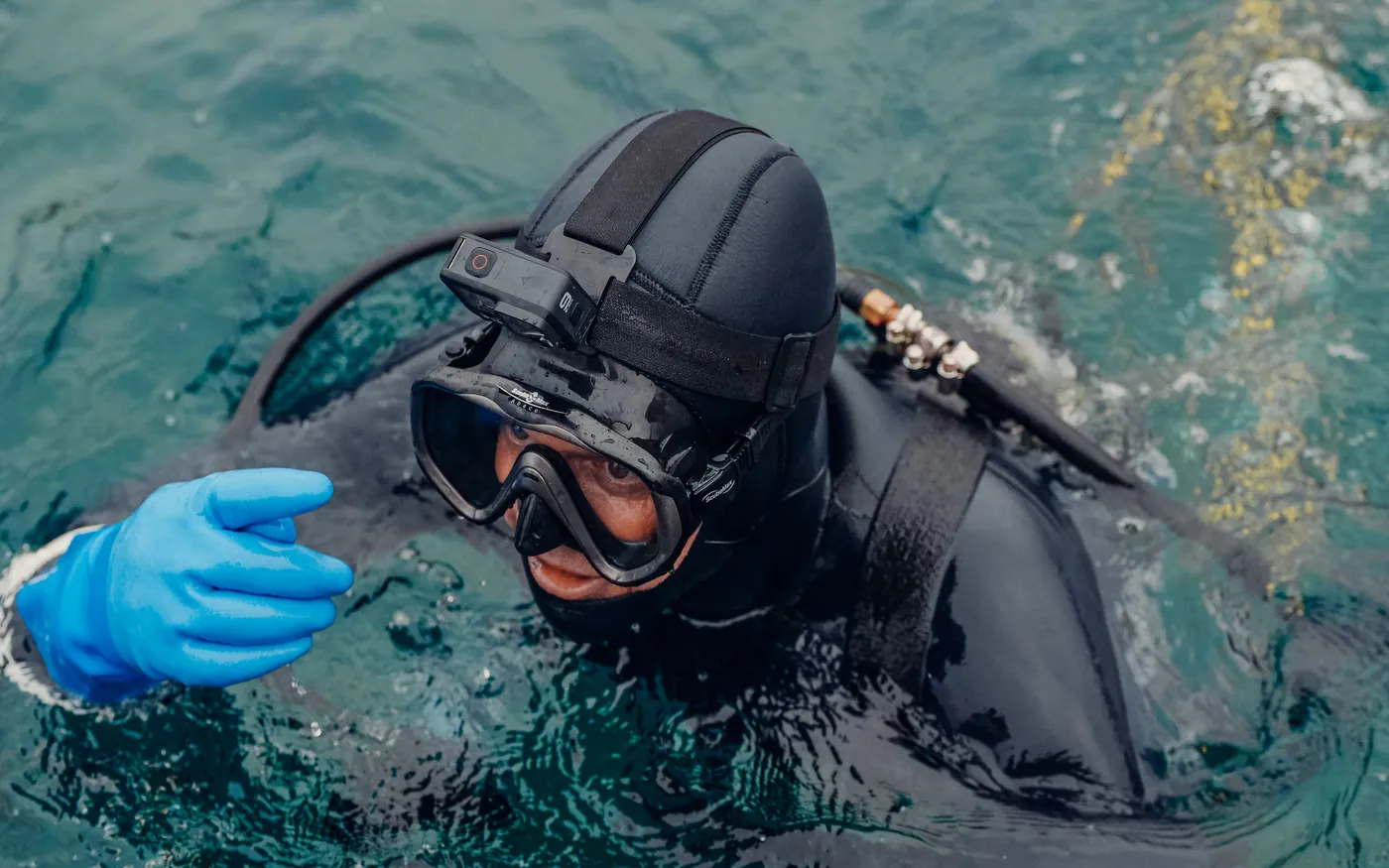
If you are cold and wondering whether to buy a thicker suit, buy the extremities first. It is cheaper and it works better.
A hood matters most, because the head is uninsulated, well supplied with blood, and permanently in the water. Gloves come next, and not only for warmth — cold hands stop working, and a diver who cannot operate their own releases has a safety problem rather than a comfort one.
A hooded vest under a full suit is the other quiet upgrade: it adds a second layer over the core and closes the neck at the same time. All of it is incremental, all of it is inexpensive next to a new suit, and the cumulative effect is covered alongside the rest of it in cold water diving.
Semi-dry, and the gap in the middle
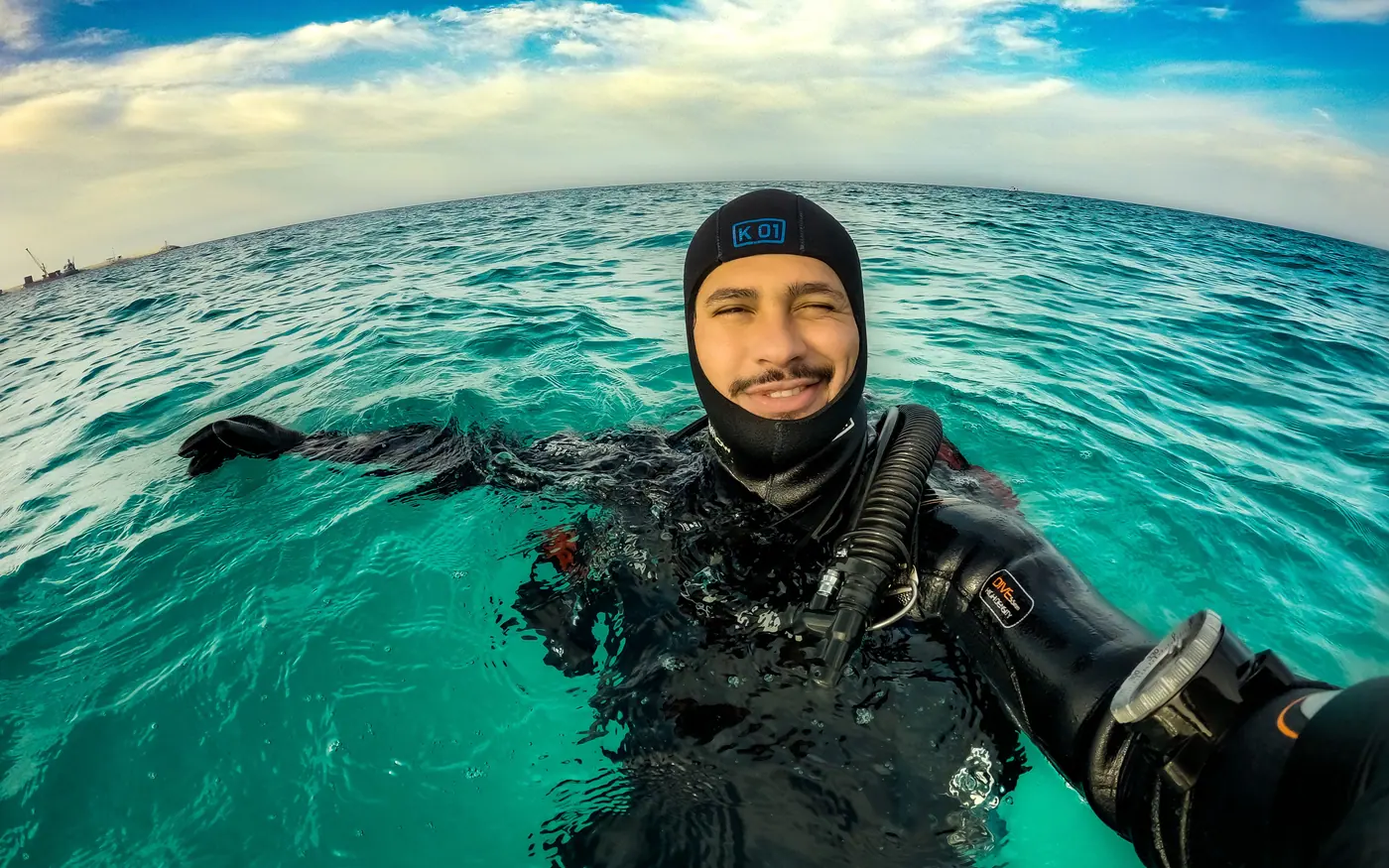
There is a category between a 7 mm wetsuit and a dry suit that gets far less attention than it deserves, and it is worth knowing about before you spend dry suit money.
A semi-dry is still a wetsuit — water gets in and your body warms it — but the seals at the wrists, ankles and neck are much tighter and the zip is far less permeable. The point is not to stay dry. It is to stop the warmed layer being flushed out every time you move, which is precisely the failure mode that makes an ordinary suit cold.
For a diver who is slightly cold in a 7 mm suit and not ready to commit to a dry suit and the training that properly goes with it, it is a reasonable step. For a diver who wants to dive in February, it is not the answer and a dry suit is.
Rent before you commit
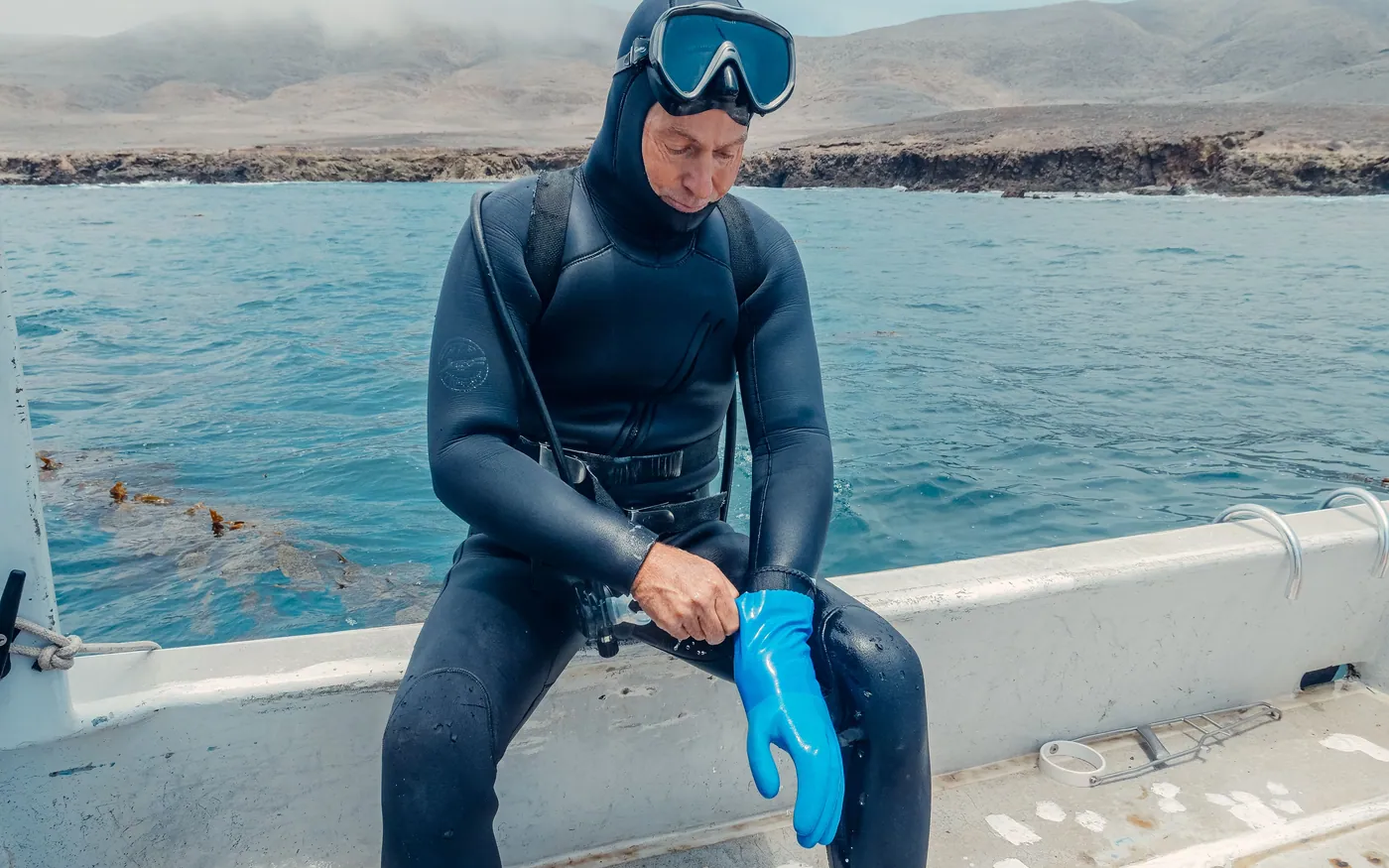
Exposure suits are the item most worth renting first, because fit is so individual and so hard to judge from a size label.
A season in rented suits tells you whether you run cold, whether you need a hooded vest, and which cut sits properly on your back. It also spreads the cost over the year you are least sure of yourself — the case made in renting versus buying, and one reason we keep rental suits in the fleet.
When you do buy, buy it in person and with your hood in your hand. A suit is the one purchase where a good fit and a bad fit are the difference between a season of diving and a season of getting out early.
It is worth adding that a suit has a working life. Neoprene loses loft as the gas cells break down, so a ten-year-old 7 mm suit is not the suit it was when it was new, however sound it looks. If you are colder than you used to be in the same water, the suit may simply be old rather than the diving being harder. Rinsing it properly and drying it out of the sun buys years — the routine is in looking after scuba gear.
Frequently asked questions
What thickness do I need?
Published guidance is roughly 3 mm for 70–80°F, 5 mm for 60–70°F and 7 mm for 50–60°F, shifting a few degrees either way depending on how you run. Diving here means the thick end of that for most of the year.
Is a loose 7 mm warmer than a snug 5 mm?
No. A wetsuit works by trapping a thin layer of water that your body warms, so a loose suit flushes cold water through and the extra millimeters do very little. Fit beats thickness more often than divers expect.
Do I need a hood?
In this water, yes, and it is the single highest-return item you can add. A hood and gloves extend the useful range of a given suit far more than stepping up two millimeters would.
When should I switch to a dry suit?
Around the point where you are cold in a 7 mm suit with a hood, or when you want to dive through the winter. The comparison is set out in drysuits versus wetsuits.
Should I rent or buy first?
Rent for a season. Suits are extremely personal in fit and a season tells you what actually keeps you warm — ours are available through rental gear.
Get fitted properly
Come in and try suits on. We will tell you honestly if the answer for the way you dive is a dry suit instead.