
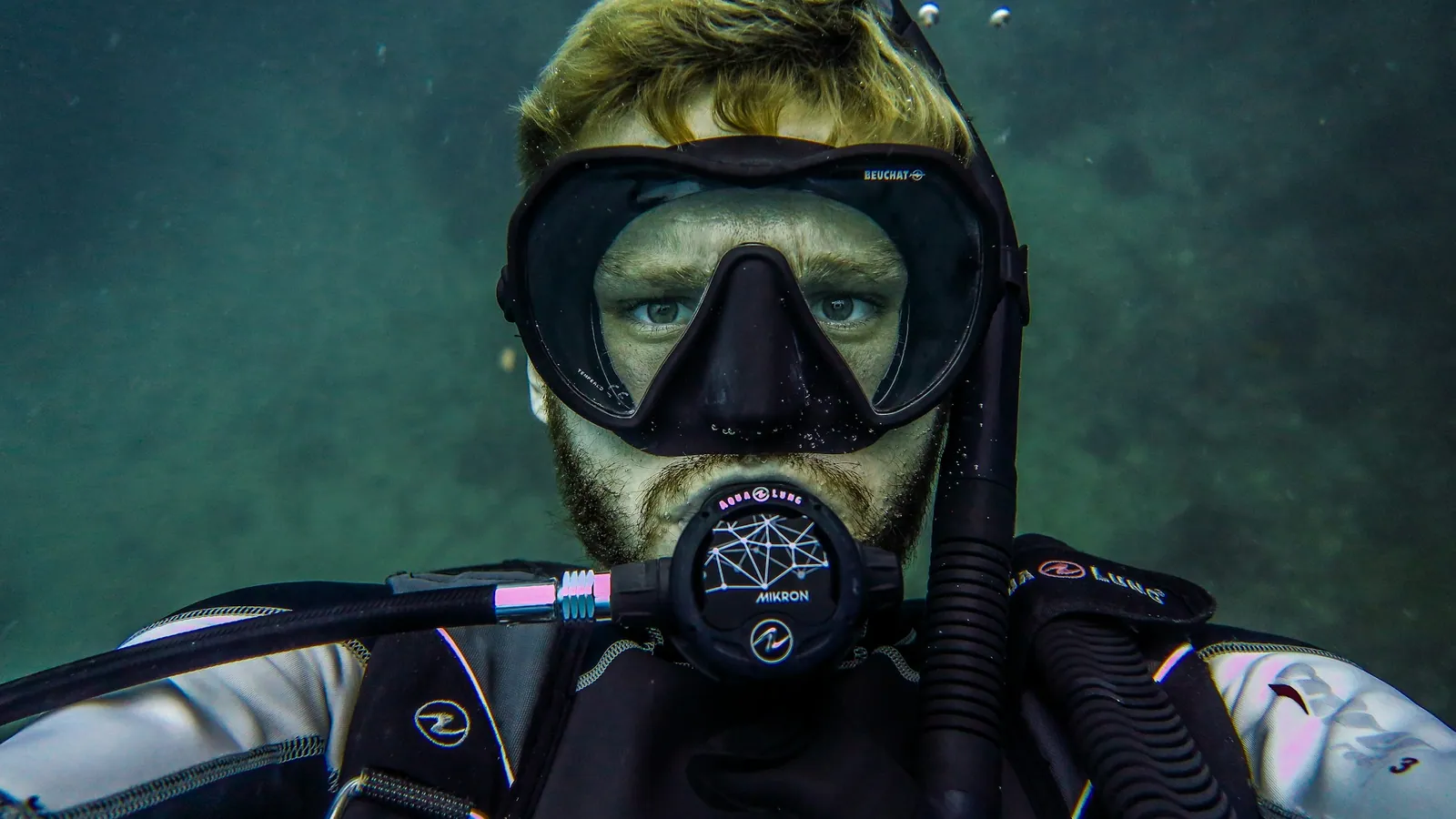
A dry suit is not a warmer wetsuit. It is a second air space strapped to your body — one that expands as you rise, compresses as you sink, and moves around inside the suit while you are not watching.
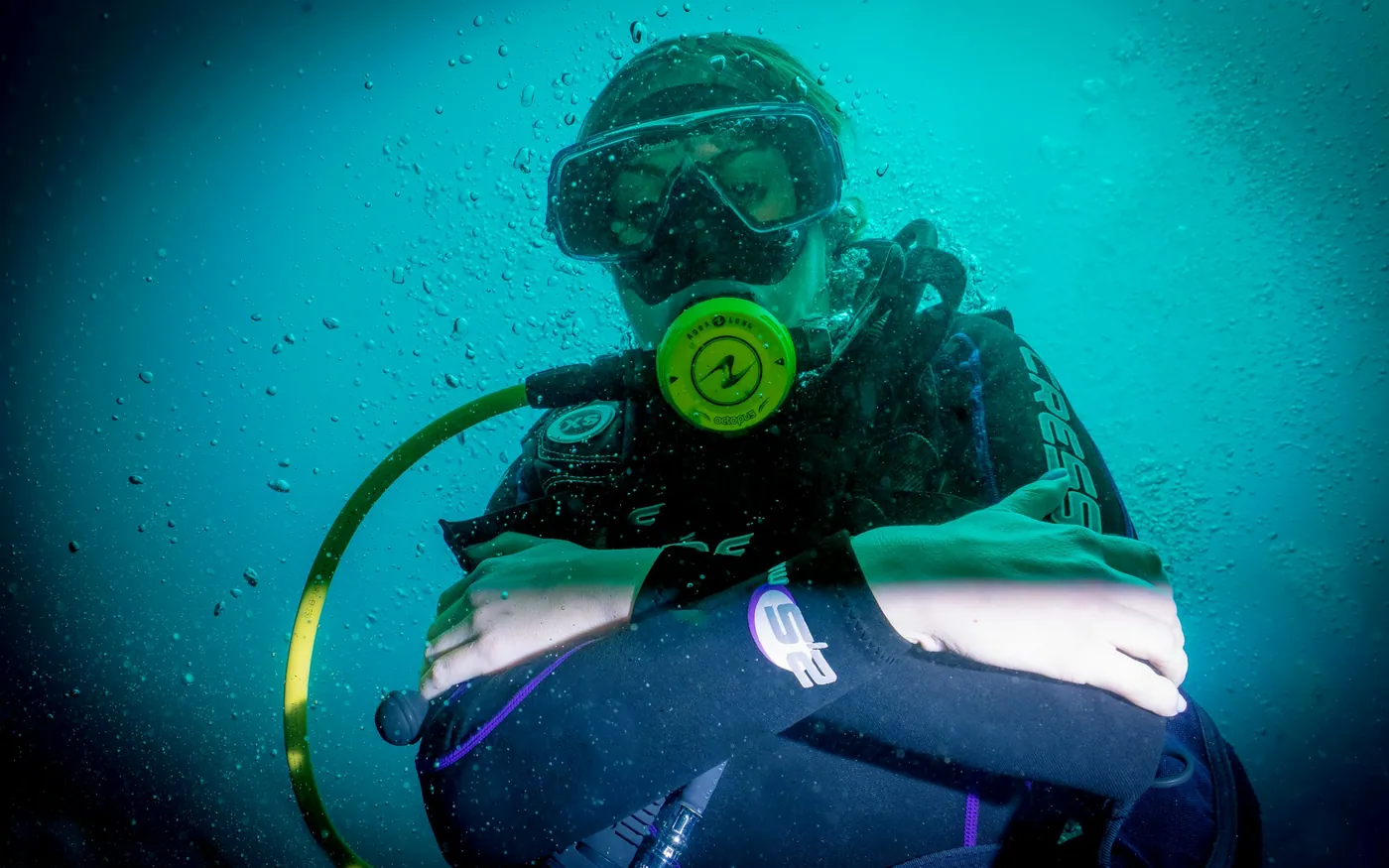
What actually changes
Everything you know about buoyancy still applies. There is simply one more variable, and it is a lively one.
Gas goes into the suit through a low pressure inflator, usually mounted on the chest, and comes out through an adjustable valve, usually on the upper left arm. You add a little on the way down and let it out on the way up, and in between you are managing that gas alongside the gas in your buoyancy device.
Two air spaces, one diver. That is the entire difficulty and the entire skill.
This is why buoyancy and trim is worth having settled before you go dry. A diver still fighting their weighting in a wetsuit will find a dry suit makes the problem more interesting rather than less.
Squeeze, on the way down
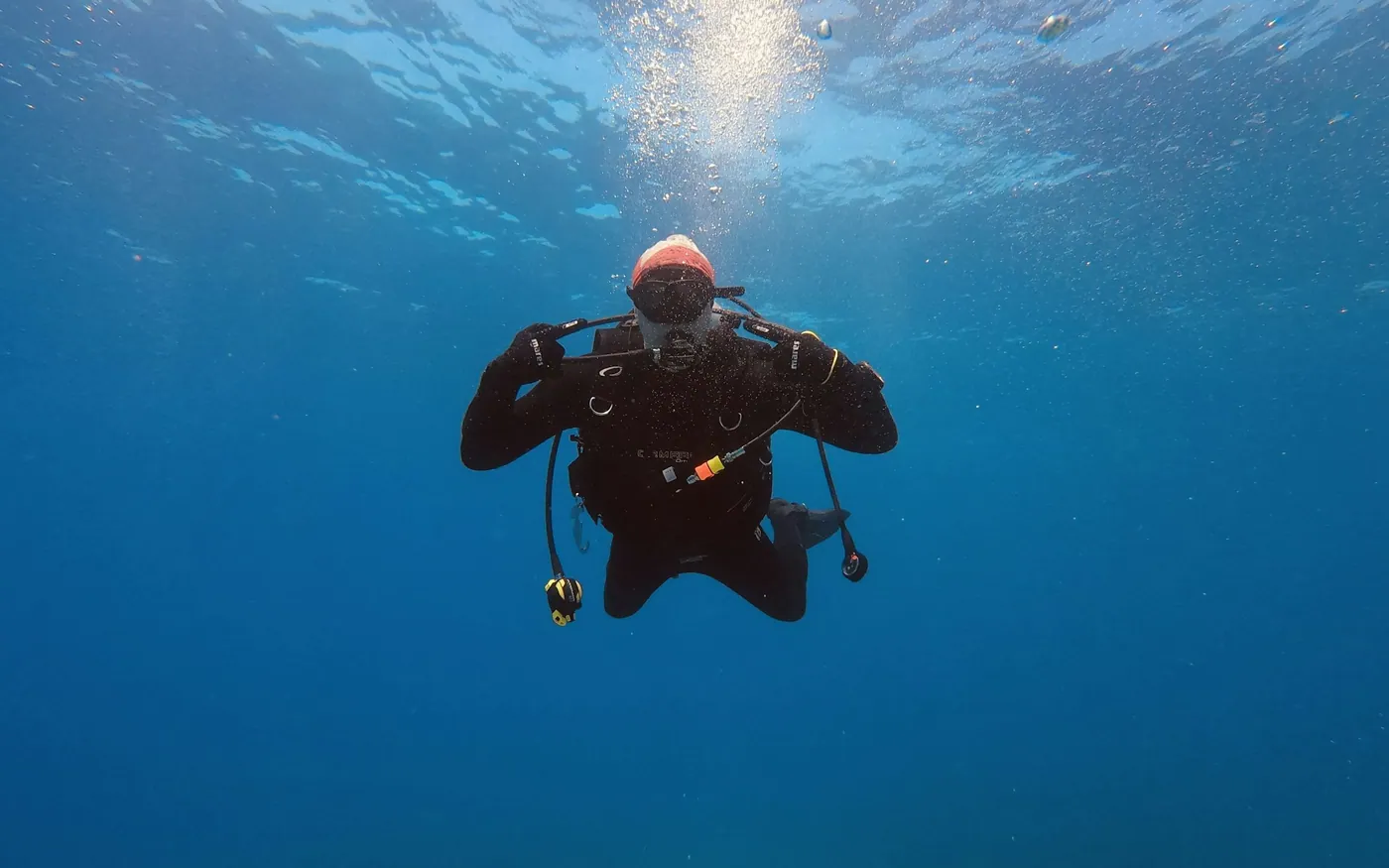
The first thing a new dry suit diver meets is squeeze, and it is the least serious problem on this list.
As you descend, the gas already in the suit compresses, and the suit closes in on you. It pinches skin, particularly at the shoulders and behind the knees, and it restricts your movement. The fix is to add a short burst of gas through the inflator every so often on the way down — enough to take the pinch off, not enough to float you.
The corollary is that a disconnected inflator hose gives you a very uncomfortable descent and can let water in, which is why connecting and checking it is part of the pre-dive routine rather than an afterthought.
The one that needs practicing
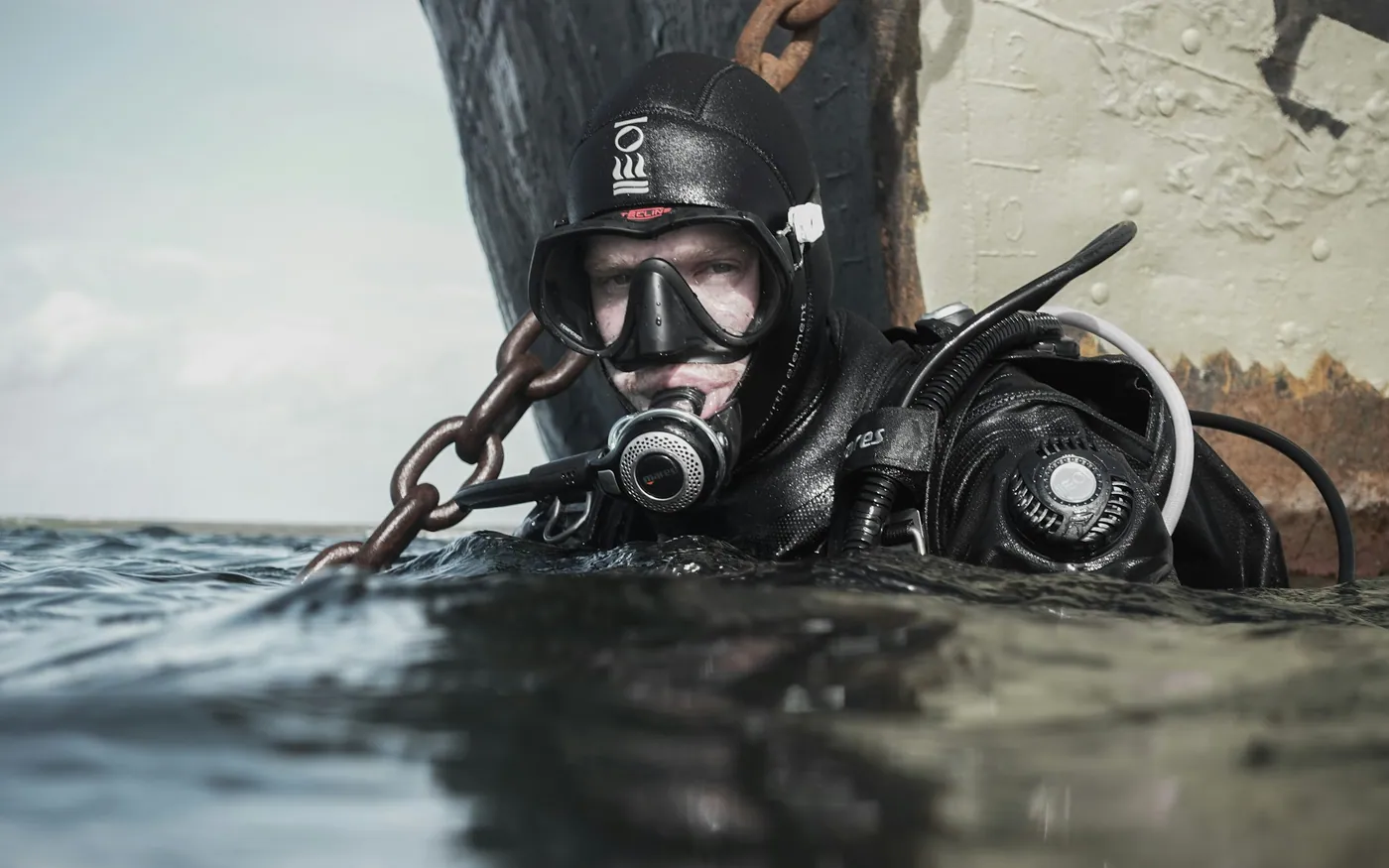
Here is the failure mode the course exists for, and it is worth understanding plainly rather than being frightened of.
Gas inside the suit rises to whatever part of you is highest. Normally that is your upper body, where the vent is. But if you tip head-down — reaching for something, looking under a ledge, or simply getting sloppy in your trim — the gas runs to your feet. Your feet then float, which tips you further, which sends more gas down. It is self-reinforcing, and the end of it is an uncontrolled feet-first ascent.
The recovery is unglamorous and effective: tuck up, get your knees and feet back under your body, get upright, and vent the excess. Done early it is a non-event. Done late, it is the thing that makes an uncontrolled ascent, with everything that follows from ascending too fast.
That is precisely the sequence you rehearse in shallow water on the course, which is why SDI is blunt about why the certification exists.
Which air space does what
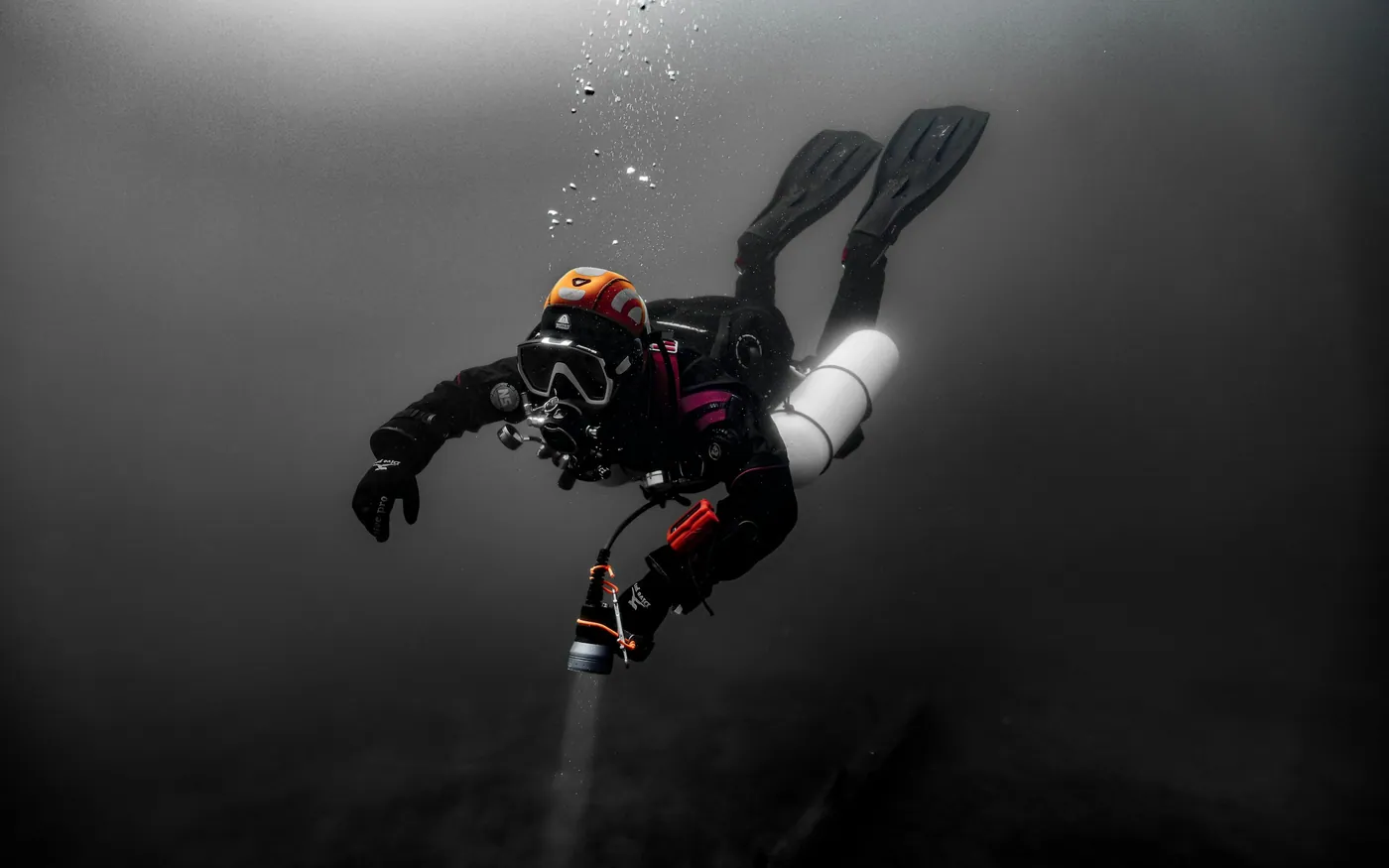
New dry suit divers commonly try to do everything with the suit, and it does not work.
| Air space | What it is for |
|---|---|
| The dry suit | Taking the squeeze off and keeping the undergarment lofted, so you stay warm and can move |
| The buoyancy device | Actual buoyancy, and all your depth adjustments |
| Your lungs | Fine control, exactly as in a wetsuit |
Divers who load the suit up to achieve buoyancy end up with a large, mobile bubble sloshing about inside their clothing, which is both unstable and the direct route to the feet-first problem above.
What it does to your season
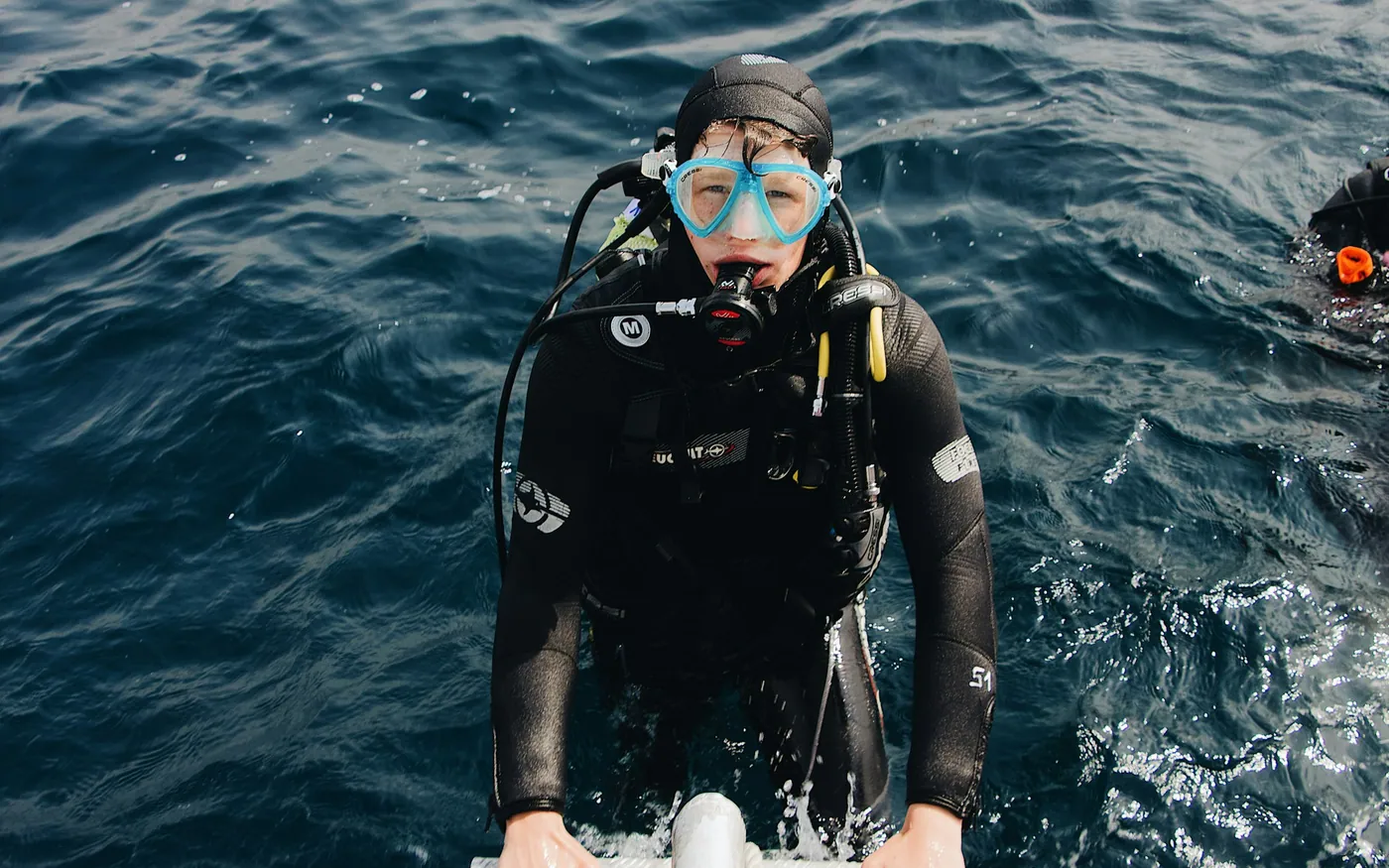
None of the above is why people go dry. They go dry because of the calendar.
A 7 mm wetsuit works well for a stretch of the year and gets steadily less pleasant either side of it. A dry suit extends that in both directions, and it changes the second dive of a day completely, because you started it warm. Over a season the difference is not marginal — it is the difference between diving when conditions are good and diving when you feel like it.
It also changes what you wear underneath, which is a genuine part of the system rather than an accessory. That is worth talking through with somebody who dives this coast in one, because the right undergarment for a New England February is not the same as for a quarry in July.
One more thing that surprises people: you get colder standing on the surface in a dry suit than you expect, because the suit is only as warm as what is under it and a sea breeze goes straight through a thin undergarment.
Buying before or after the course
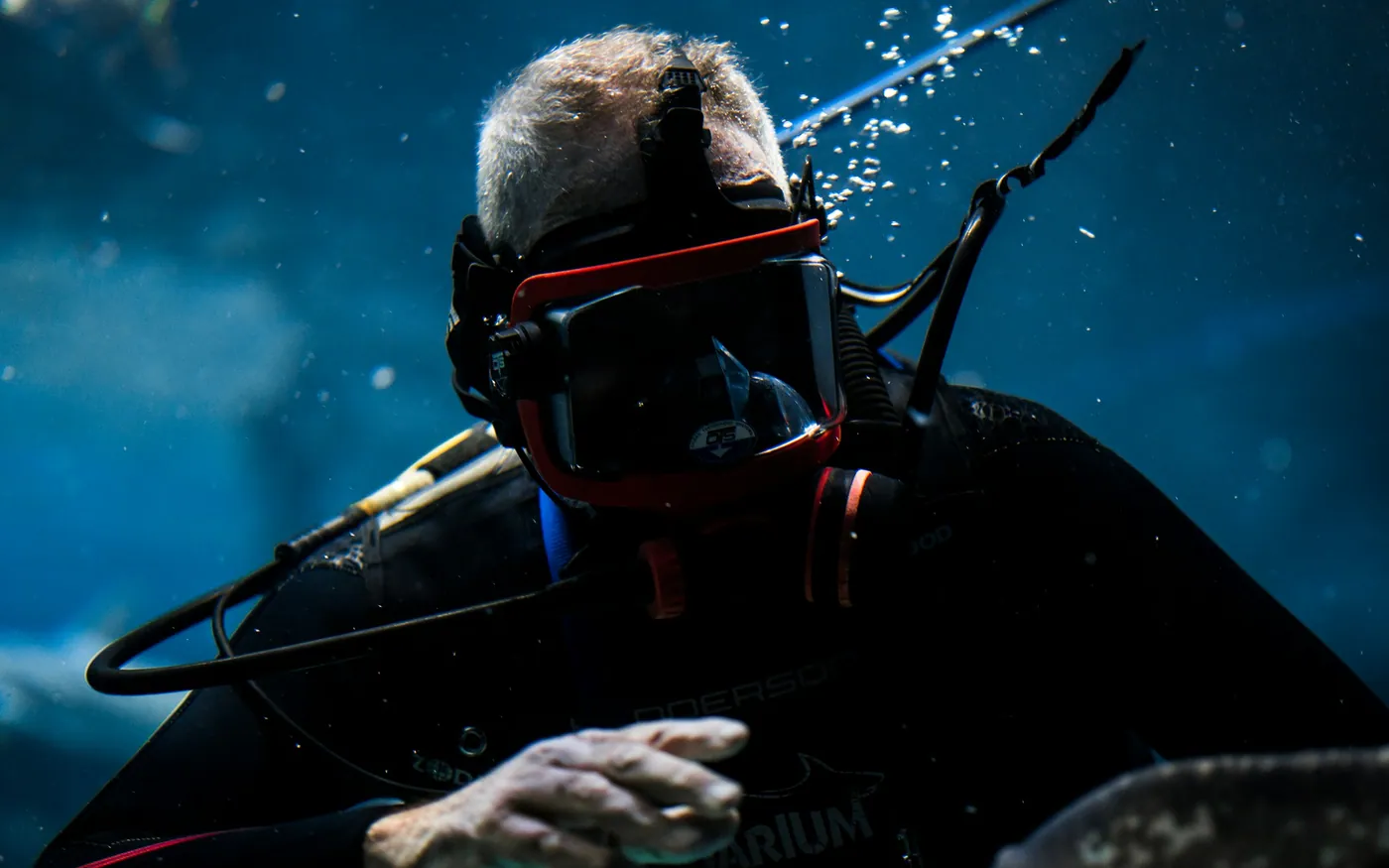
The usual question, and the usual answer is: course first.
A dry suit is a significant purchase and the choices — the material, the seals, the boots, the undergarment — are much easier to make once you have actually dived one. Doing the course in a rented or loaned suit costs you nothing in learning and saves you from buying the wrong thing confidently.
If you are still deciding whether to go dry at all, the comparison with a thick wetsuit is set out in drysuits versus wetsuits, and the thickness question on the wetsuit side is in wetsuit thickness and fit. The honest summary is that if you intend to dive here year-round, this is where you end up.
Frequently asked questions
Do I really need a course to dive dry?
Yes, and it is the specialty where that answer is least arguable. A dry suit adds an air space that expands and contracts with depth, and the failure mode — gas migrating to your feet and inverting you — is one you want to have practiced in twelve feet of water, not met for the first time at sixty.
What is suit squeeze?
As you descend, the gas in the suit compresses and the suit presses in on you, pinching skin and restricting movement. You prevent it by adding a little gas through the inflator as you go down. It is uncomfortable rather than dangerous, and it is easy to fix.
What happens if air goes to my feet?
You start to tip head-down, and because gas rises it keeps going to the highest point — now your feet. The recovery is to tuck, get your feet back under you, get upright, and vent. It is a taught, practiced skill, which is the whole argument for the course.
Do I still need a buoyancy device?
Yes. You are now managing two air spaces: the suit for warmth and comfort, the buoyancy device for buoyancy. Divers who try to control buoyancy entirely with the suit end up over-inflated and unstable.
Is a dry suit warmer than a 7 mm wetsuit?
Usually, and more importantly it stays warm across a longer dive and a longer season. The comparison between the two systems is in drysuits versus wetsuits.
Try one before you buy one
The Dry Suit Diver course is the sensible way to find out whether diving dry suits you, before committing to a suit.