

Used dive gear divides cleanly into two piles, and the pile it is in matters more than the price. One pile is a sensible way to save money. The other is life support with an unknown history.
The two piles
Before any specific check, sort the item. Almost every mistake in buying used gear comes from treating the second pile like the first.
| Buy used with confidence | Only with a service, and a history |
|---|---|
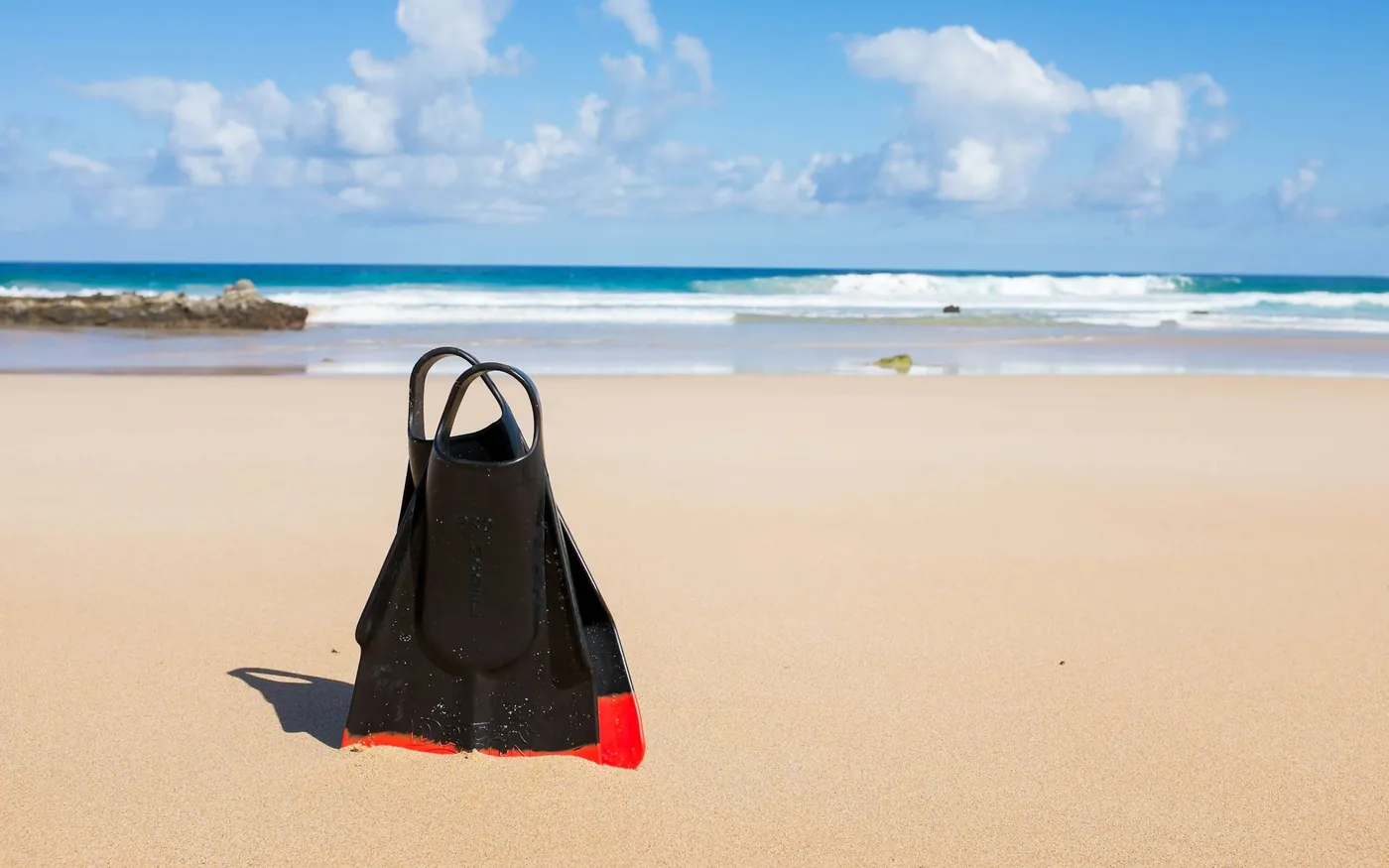
| Fins, boots and gloves | Regulators and octopuses |
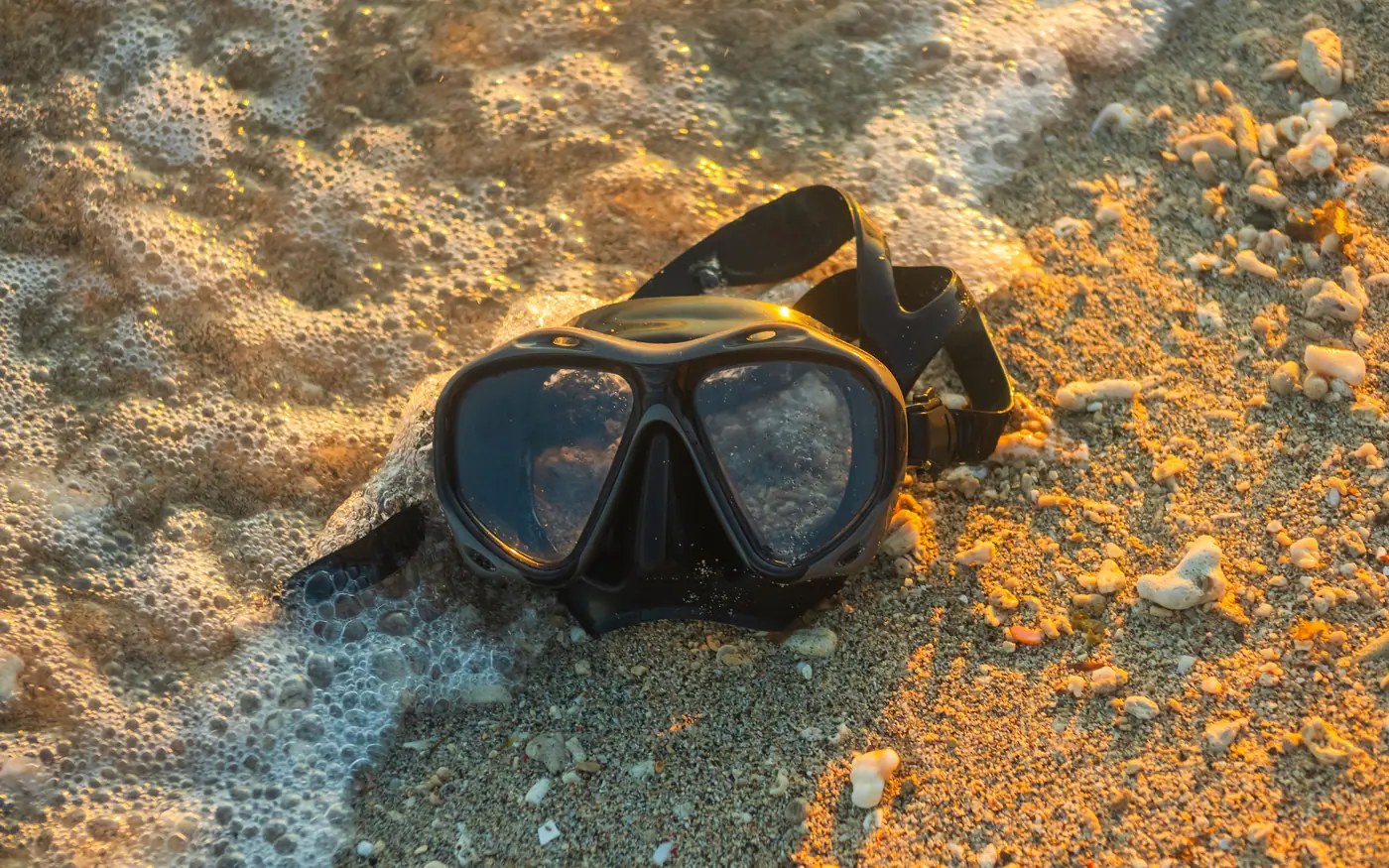
| Masks and snorkels | BCDs and inflators |
| Bags, boxes and slates | Cylinders and valves |
| Lights and cutting tools | Dive computers, for the battery and seals |
| Weights and weight belts | Dry suits, for the seals and zip |
If it fails and you notice on the surface, buy it used. If it fails and you notice at forty feet, buy the service with it.
The left column has no hidden internal condition. What you see is what it is, and if it is worn you can tell by looking. The right column can look immaculate and be five years overdue for attention.
Checking a used regulator
This is the item people most want to buy used and the one that most rewards being careful.
- Hoses: any crack, bulge or perished section. Hoses are consumable and a bad one is a cheap fix, but it tells you how the set was stored.
- Mouthpieces: splits along the bite tabs.
- Metal fittings: corrosion, especially green or white deposits, which say salt water got somewhere it should not have.
- The second stages: any crack in the plastic is a reason to stop, however fine.
- Breathe it. Connect it to a cylinder, breathe from the primary and the octopus, and check the gauge reads what the cylinder actually holds.
- Ask when it was last serviced, and by whom, and whether parts are still available for it.
That last question is the one that catches people. A discontinued regulator with no service kit available is unmaintainable, and a technician cannot fix that however good the price was.
Cylinders, where the paperwork is the item

A used cylinder is either in test or it is not, and that is a fact you can check in ten seconds standing next to it.
The hydrostatic test date is stamped into the metal near the valve and runs out five years later. The visual inspection is a sticker, done annually. A cylinder outside either will not be filled by any shop until it has been inspected, and it may not pass — the full explanation is in hydro testing and visual inspection.
Look also for corrosion, dents and pitting, and pay attention around the burst disc and hand wheel, where corrosion is an early sign that something is going to fail. And ask whether it has ever been left empty or stored wet, which is how the inside rusts. Whether it is steel or aluminum changes how it behaves in the water, which is covered in aluminum or steel cylinders.
BCDs, and the one-hour test
A buoyancy device has exactly one thing you cannot see, and one simple way to find it.
Inflate it completely and leave it for about an hour. Come back and see whether it is still hard. A device that has gone soft has a leak, either in the bladder or at a valve, and while both are repairable it is a bargaining point at minimum.
Beyond that: straps, buckles and closures for fraying and cracking; the inflator for stickiness; the dump valves for grit. Repeated patching, broken buckles or a valve that will not stop weeping mean the device has reached the end of its life whatever the price. Which style suits you at all is a separate question, in how to choose a BCD.
The cost people forget
Here is the arithmetic that decides whether a used purchase was actually a bargain.
Life-support equipment bought second hand should be serviced before it is dived, full stop, because you do not know its history and the seller may not either. Ours starts at $75 plus parts for a regulator and $25 plus parts for a BCD, and a cylinder may need a visual inspection or a hydro. Add those to the asking price before deciding anything.
Quite often it still works out well, particularly on a well-cared-for set from a diver who is upgrading rather than leaving the sport. Sometimes it turns a bargain into roughly the price of something new with a warranty, and knowing that before you hand over cash is the entire point of doing the sum. The service side is at gear service.
Where to buy it, and from whom
The seller tells you more than the listing does.
A diver upgrading within the sport has usually looked after their equipment and can tell you when it was last serviced and where. An estate sale or a garage clear-out comes with no history at all, and gear that has sat in a basement for a decade is a service job regardless of how little it was used — rubber perishes on a shelf as readily as in the water, the point made in looking after scuba gear.
Buy it where you can put your hands on it, and where you can walk away. Scuba Diving Magazine has a good guide to assembling a first set if you are weighing used against new across the whole kit rather than one item.
And the honest general advice: buy your mask and fins new and everything else slowly. A mask that fits is worth more than any saving, and by the time you have dived a season you will know what you actually want — the argument in renting versus buying.
Bring it in before you dive it

If you have already bought something, or you are about to, the sensible last step is to have somebody look at it who has no stake in the sale.
A technician can tell you in a few minutes whether a regulator is serviceable, whether parts still exist for it, and whether the price you paid was sensible. That is worth knowing before it is between you and the surface.
Frequently asked questions
Is used scuba gear safe?
Some of it, and the distinction is what matters. Fins, boots, bags and lights are low risk. Anything that keeps you breathing — regulator, BCD, cylinder — is only safe once a technician has been through it, and that cost belongs in the purchase price.
What should I check on a used regulator?
Hoses for cracks or bulges, the mouthpiece for splits, metal fittings for corrosion, and the second stage for cracks or leaks. Then connect it to a cylinder, breathe from both second stages, and check the gauge reads correctly. Any crack in plastic is a reason to walk away.
How do I check a used cylinder?
Look at the stamps near the valve for the hydrostatic test date, which expires five years after, and at the VIP sticker for the visual inspection. Check for corrosion, dents and pitting, especially around the burst disc. An out-of-date cylinder cannot be filled until it is inspected — see hydro testing.
How do I test a used BCD?
Inflate it fully and leave it an hour. If it is soft afterwards it leaks. Check straps, buckles and the inflator, and treat repeated patching or a constantly leaking dump valve as end of life.
What should I never buy used?
Anything you cannot verify the history of and cannot get serviced — an obsolete regulator with no parts available is the classic trap. It works on the day you buy it and cannot be maintained afterwards.
Have it checked before you dive it
Bring used equipment in and we will tell you what it needs and whether parts are still available for it.