
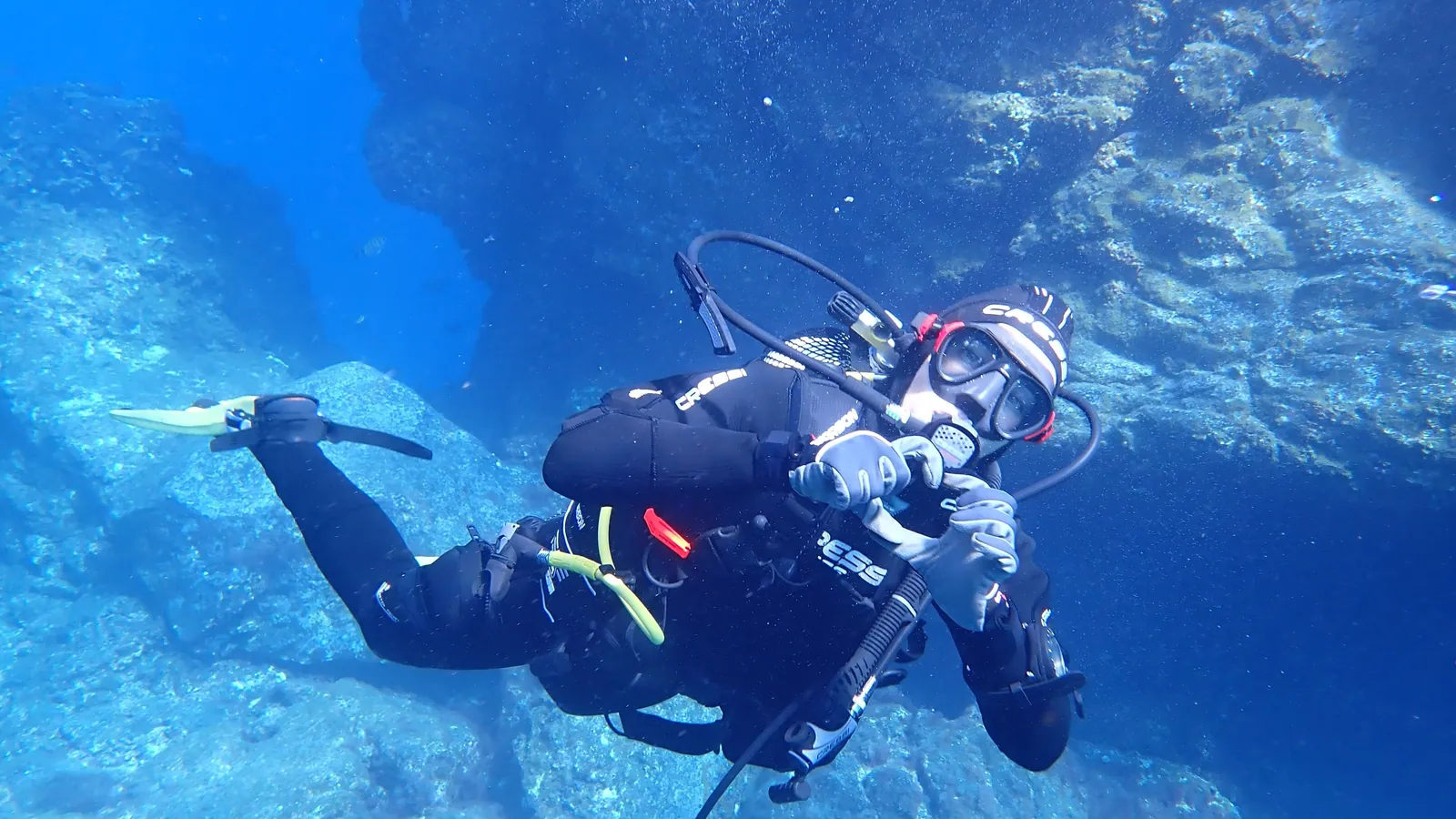
An aluminum 80 is negative when you get in and positive before you get out. A steel cylinder is negative the whole dive. Almost everything else about this choice follows from that one sentence.
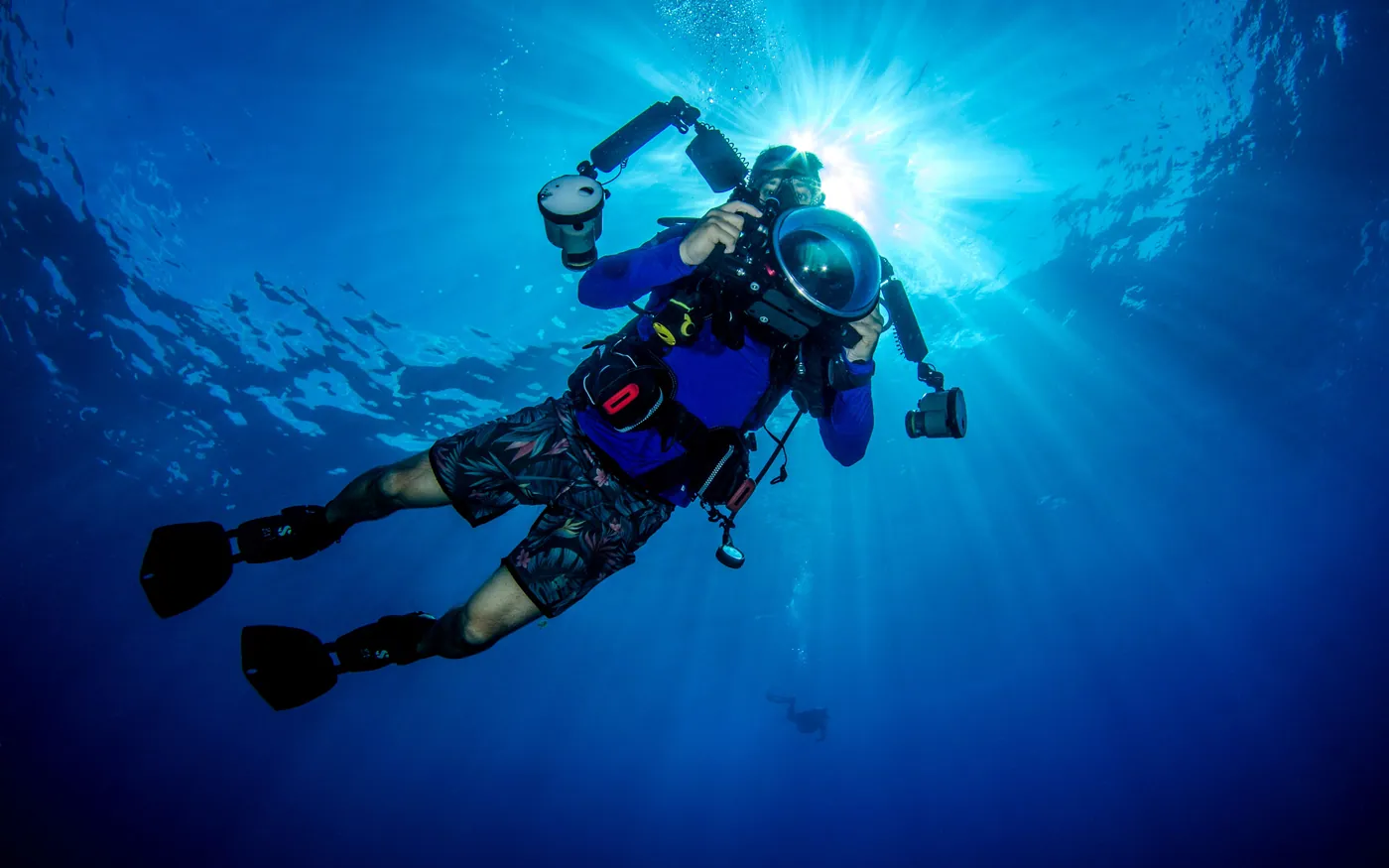
The buoyancy swing is the whole story
Both materials hold gas perfectly well. What differs is what the cylinder does to your buoyancy as it empties.
Gas has weight. Breathe eighty cubic feet of it out of a cylinder and the cylinder gets lighter, and the question is whether it ends the dive still negative or floating.
| Cylinder | Full | At about 500 psi |
|---|---|---|
| Aluminum 80 | About 1.6 lb negative | About 2.8 lb positive |
| High-pressure steel 80 | About 9 lb negative | About 3 lb negative |
The aluminum tank crosses over during the dive. The steel one never does.
Read that table alongside your safety stop and it explains a great deal.
Why your safety stop is a fight
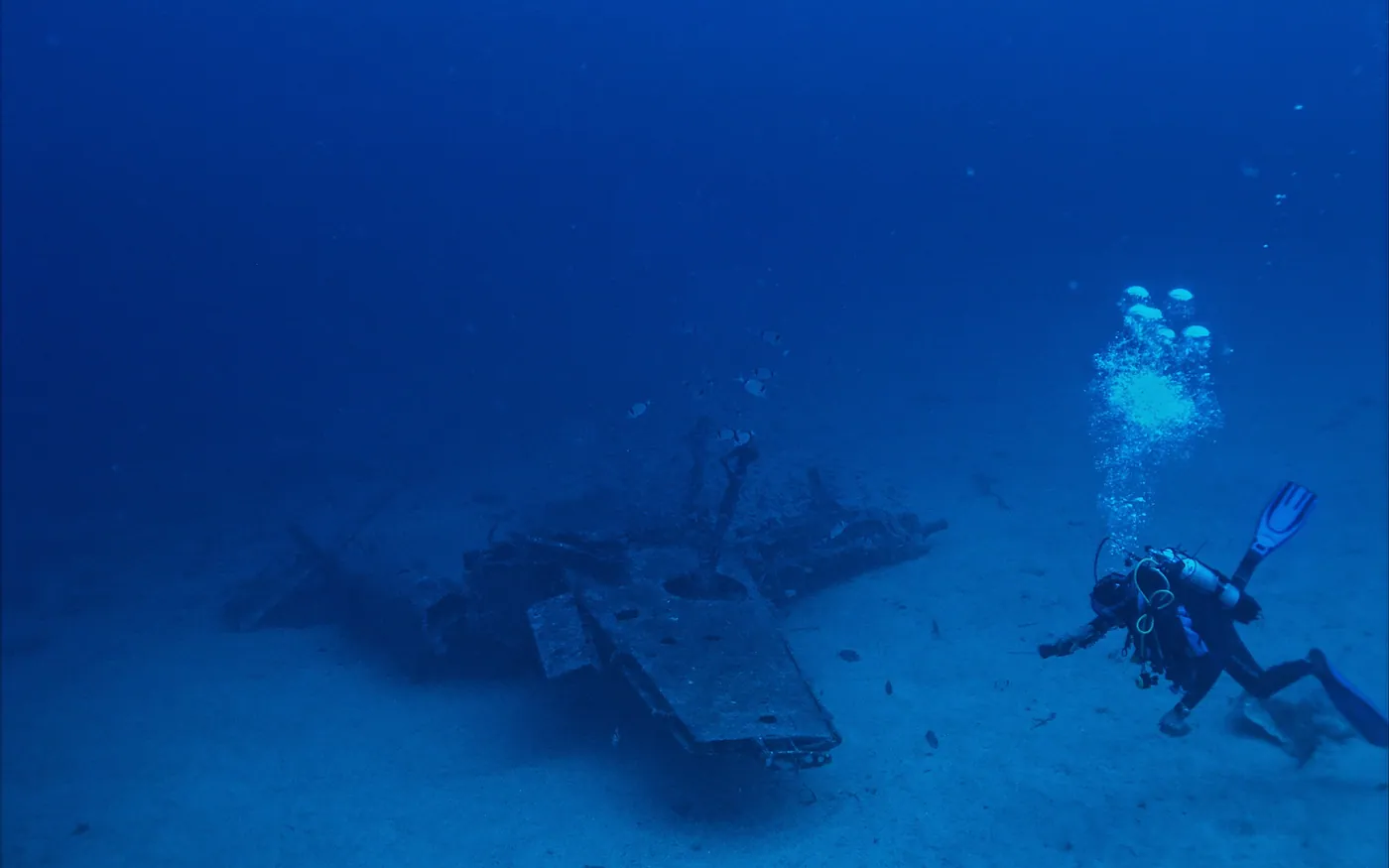
If you have ever struggled to hold fifteen feet at the end of a dive on a rental aluminum cylinder, this is why.
You weighted yourself for a full tank, so you were correctly weighted at the start. Forty minutes later the cylinder has swung more than four pounds toward positive, and you are that much light exactly when you need to hold a stop.
The fix is not to grip a line. It is to weight for the end of the dive rather than the beginning, which is what a proper weight check does — set out in getting your weighting right and connected to the ascent in ascent rate and safety stops.
What steel changes

Because a steel cylinder stays negative, part of the ballast you would otherwise wear as lead is already behind you.
That has two consequences. You carry less lead, which most divers welcome. And the weight sits higher and more centrally, which many divers find improves their trim — the horizontal position that reduces drag and air consumption.
The counterintuitive part is the carrying. Steel is denser, but steel cylinders have thinner walls, so one frequently weighs about the same or less on land than a comparable aluminum cylinder. The extra negative buoyancy is a property of the water, not of the walk to the entry.
What aluminum has going for it
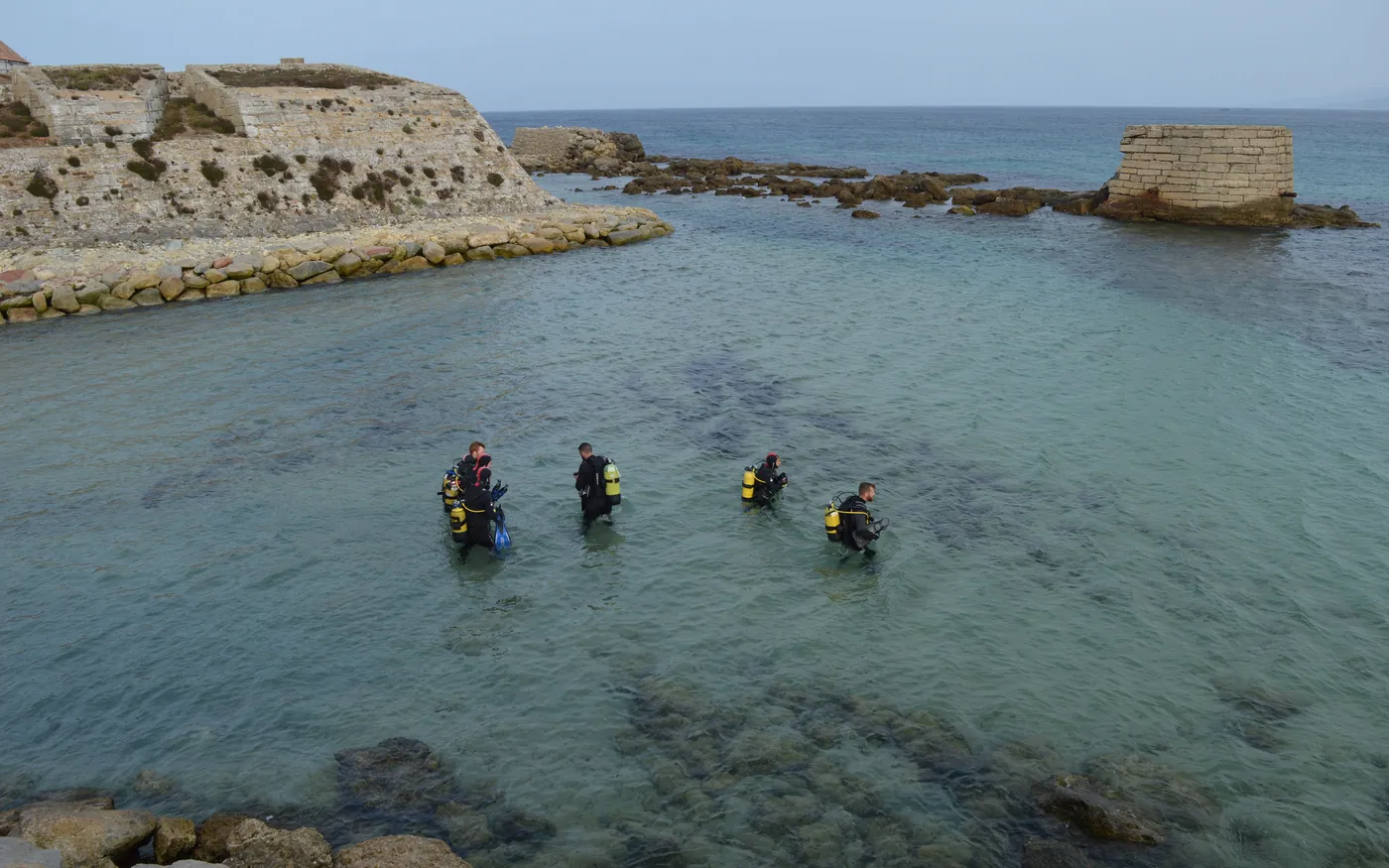
Aluminum is not the compromise option. It is the default for good reasons.
- It is what you will be handed. Rental fleets and fill stations everywhere run aluminum 80s, so your weighting for one is portable.
- It tolerates salt water well and is generally more forgiving of ordinary handling.
- It costs less. Both to buy and, over a lifetime, to look after.
- The positive swing can be useful at the end of a dive if you are diving a thick suit and want the help at the surface.
SDI covers the buying decision in more detail if you are choosing your first cylinder.
Sizes, and why 80 is not a weight
The number on a cylinder is a volume of gas at working pressure, not a size or a weight, and it causes a surprising amount of confusion.

An aluminum 80 holds roughly eighty cubic feet of air when full. A 63 holds less and is physically smaller, which suits smaller divers and shorter dives. A 100 or a 120 holds more and is longer, heavier and more awkward on a boat ladder. Our rental range runs the whole span, and the right one depends on your air consumption rather than on your ambition.
That is worth knowing before buying a big cylinder to solve a gas problem. A diver who improves their trim and breathing usually gains more dive time than they would from twenty extra cubic feet, and the improvements are free — the case made in how to use less air.
A larger cylinder is also more negative, which sends you back to the weighting question from the other direction. Nothing about this decision stays in its own box.
What it means for diving here
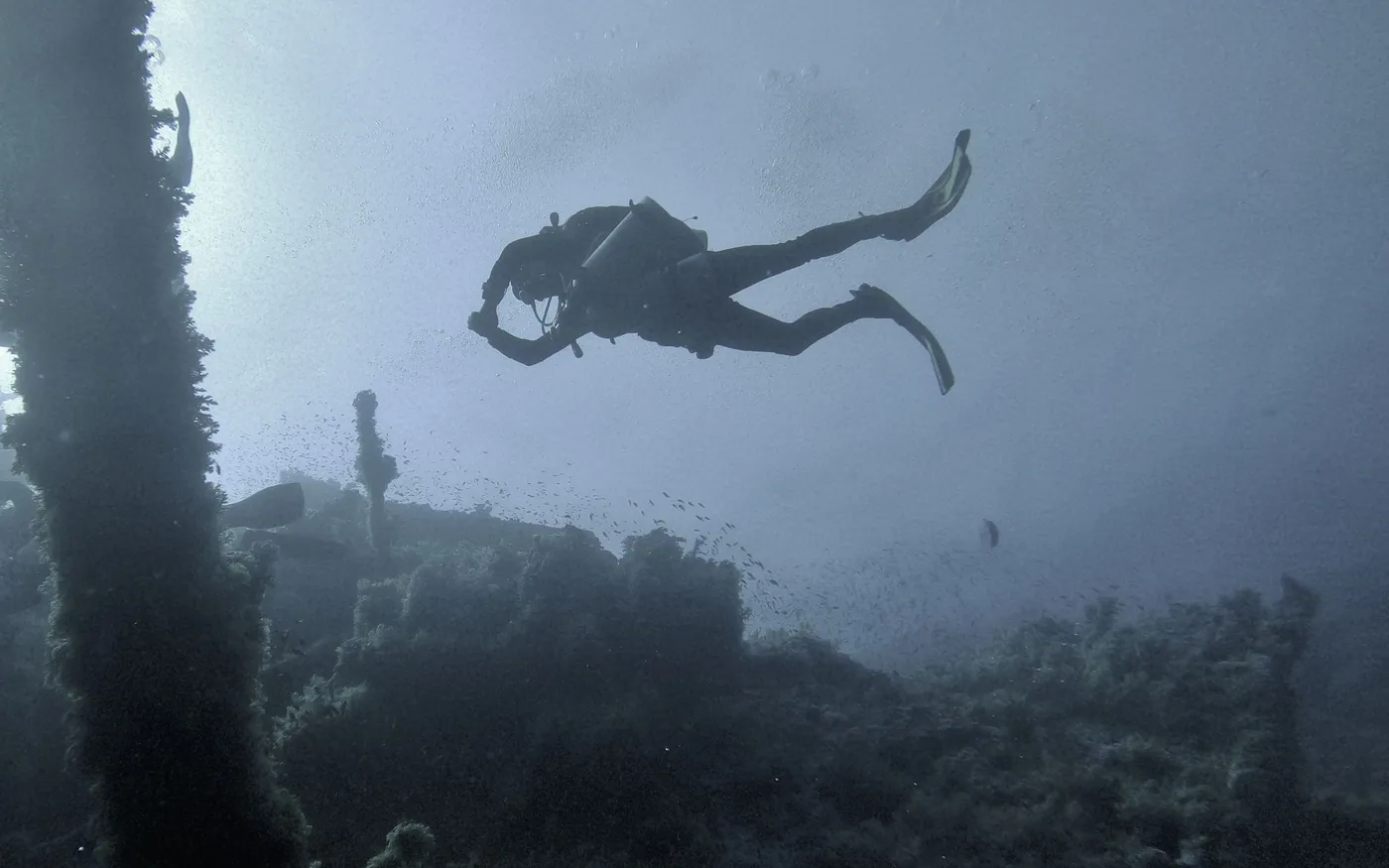
Cold water pushes this decision in one direction, and it is worth saying why.
A 7 mm suit with a hood is extremely buoyant, so local divers carry a lot of lead. Moving some of that ballast to a steel cylinder takes it off your waist, which is genuinely more comfortable over a long dive and better for your back on the walk in.
That is why steel is more common among divers who dive here regularly than among divers who mostly travel. It is not that aluminum does not work — it is that the more lead you were going to carry, the more there is to redistribute. The same logic runs through choosing exposure protection.
One more practical difference: steel needs more care. The inside of a steel cylinder rusts if water gets into it, which is the main thing an annual visual inspection is looking for, and it is why a steel cylinder that has been badly looked after is a worse buy than an aluminum one in the same condition.
Before you buy either
Rent both and do a weight check with each. It costs almost nothing and it is the only way to feel the difference rather than read about it.
And whichever you end up with, the cylinder is the piece of equipment with a legal maintenance schedule attached: an annual visual and a hydrostatic test every five years, regardless of material. That is a running cost rather than a one-off purchase, and it is covered in hydro testing and visual inspection. It is also the main reason cylinders sit last on the list in renting versus buying.
Frequently asked questions
Why do I float up at my safety stop with an aluminum tank?
Because by then the cylinder has gone positive. A standard aluminum 80 is roughly 1.6 pounds negative when full and about 2.8 pounds positive at 500 psi — a swing of over four pounds during the dive. Weighting for the start of the dive is what causes it.
Do steel tanks mean less lead?
Generally yes. A steel cylinder stays negative throughout, so some of the ballast you would otherwise carry as lead is already on your back. Going from aluminum to steel usually means taking weight off your belt.
Are steel tanks heavier to carry?
Often not. Steel is denser but the walls are thinner, so a steel cylinder frequently weighs about the same or less on land than a comparable aluminum one. The difference shows up underwater rather than in the parking lot.
Which should I rent?
Whatever the shop hands you, and then do a weight check with it. Our rental range runs from 63 to 120 cubic feet in both materials, and your weighting is not transferable between them.
Does the material change the testing?
The intervals are the same — annual visual, hydrostatic every five years. Some older aluminum cylinders call for an extra check during inspection; see hydro testing and visual inspection.
Try both before you commit
We rent aluminum and steel from 63 to 120 cubic feet. Take one of each out and do a weight check with both.