
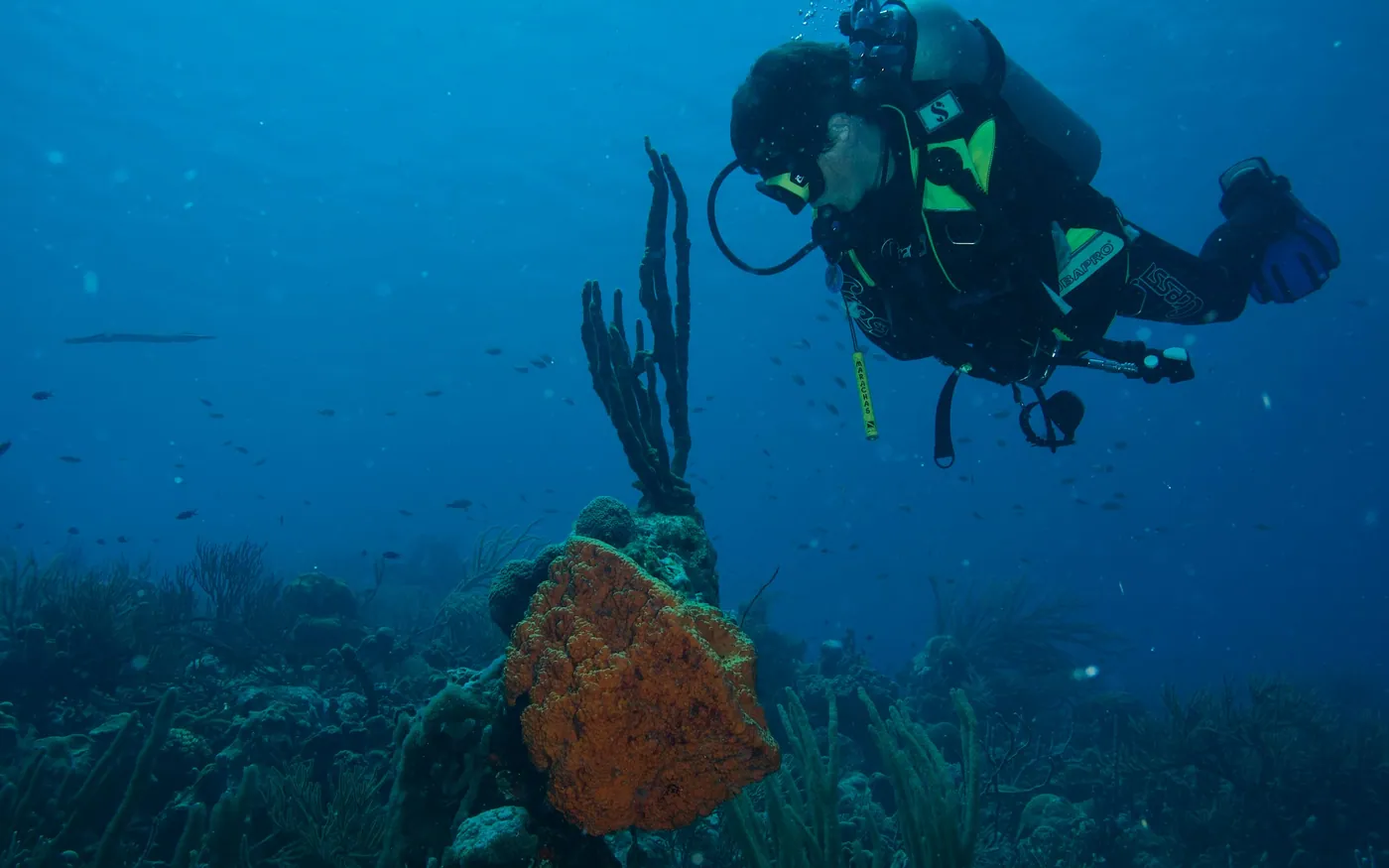
Most of the argument about jacket versus back-inflate is beside the point. A BCD that does not fit your body over the suit you actually dive in is the wrong BCD, whichever style it is.
What it is actually doing
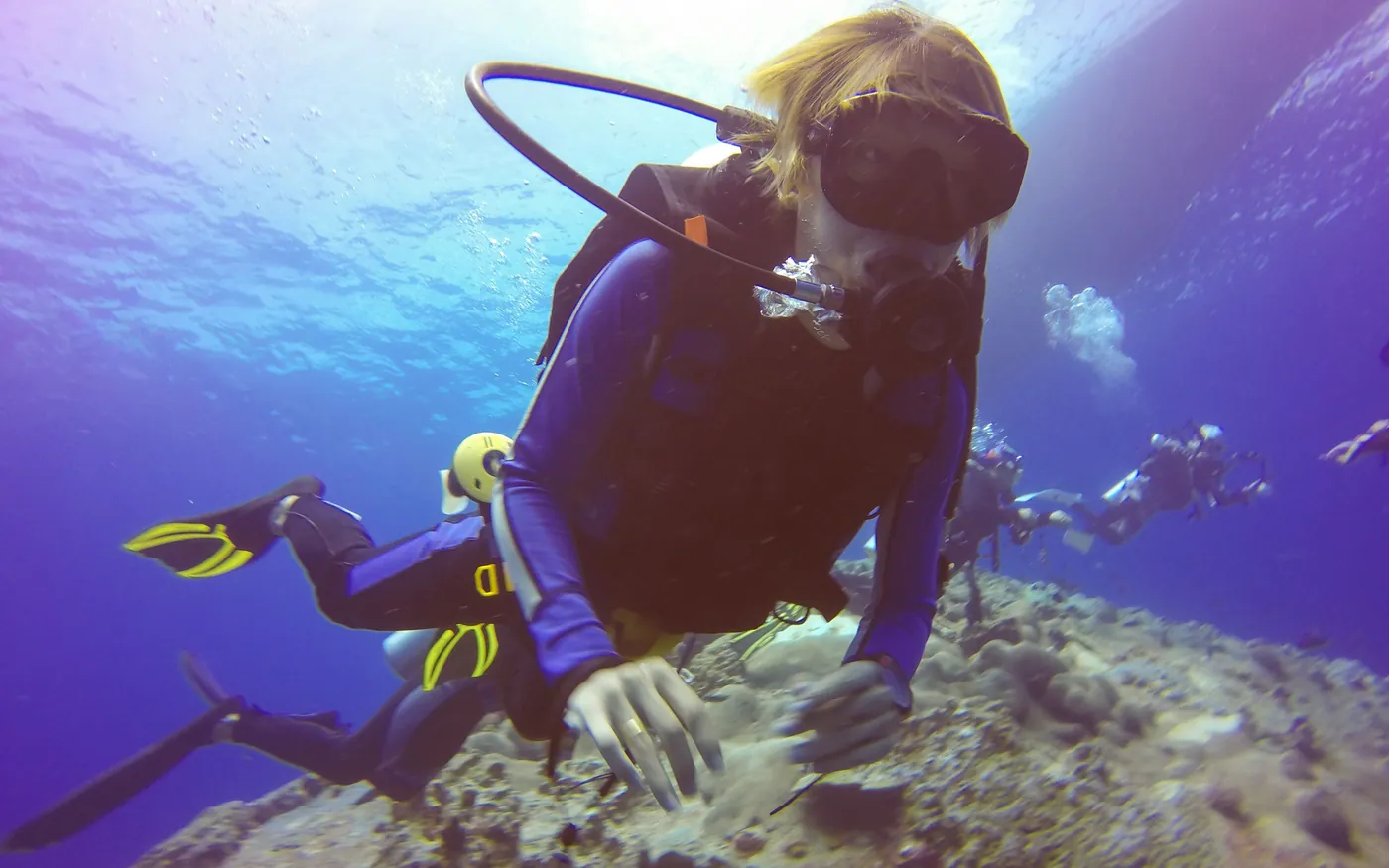
A buoyancy device does three things, and it is worth separating them because different designs favor different ones.
It holds the cylinder on your back. It lets you float comfortably at the surface before and after the dive. And it lets you fine-tune buoyancy at depth — though as buoyancy and trim sets out, most of that fine-tuning should be your lungs rather than the inflator.
The surface job and the underwater job pull in opposite directions. That is the whole design argument.
The three shapes

| Style | Where the air goes | Best at | Trade-off |
|---|---|---|---|
| Jacket | Front, sides and back | Sitting you upright and stable at the surface | Squeezes the chest when fully inflated; more bulk underwater |
| Back-inflate | Behind you only | Lying flat and streamlined underwater | Pushes you face-forward at the surface until you lean back |
| Wing and backplate | A bladder on a plate and harness | Configurability, durability and lift | Least padded, and more to set up |
For a diver who is still finding the surface a slightly busy place, a jacket is a kind thing to be wearing. For a diver who wants to hold a horizontal position without thinking, back-inflate does half the work for them. Both are ordinary recreational choices.
Lift, and why cold water needs more of it
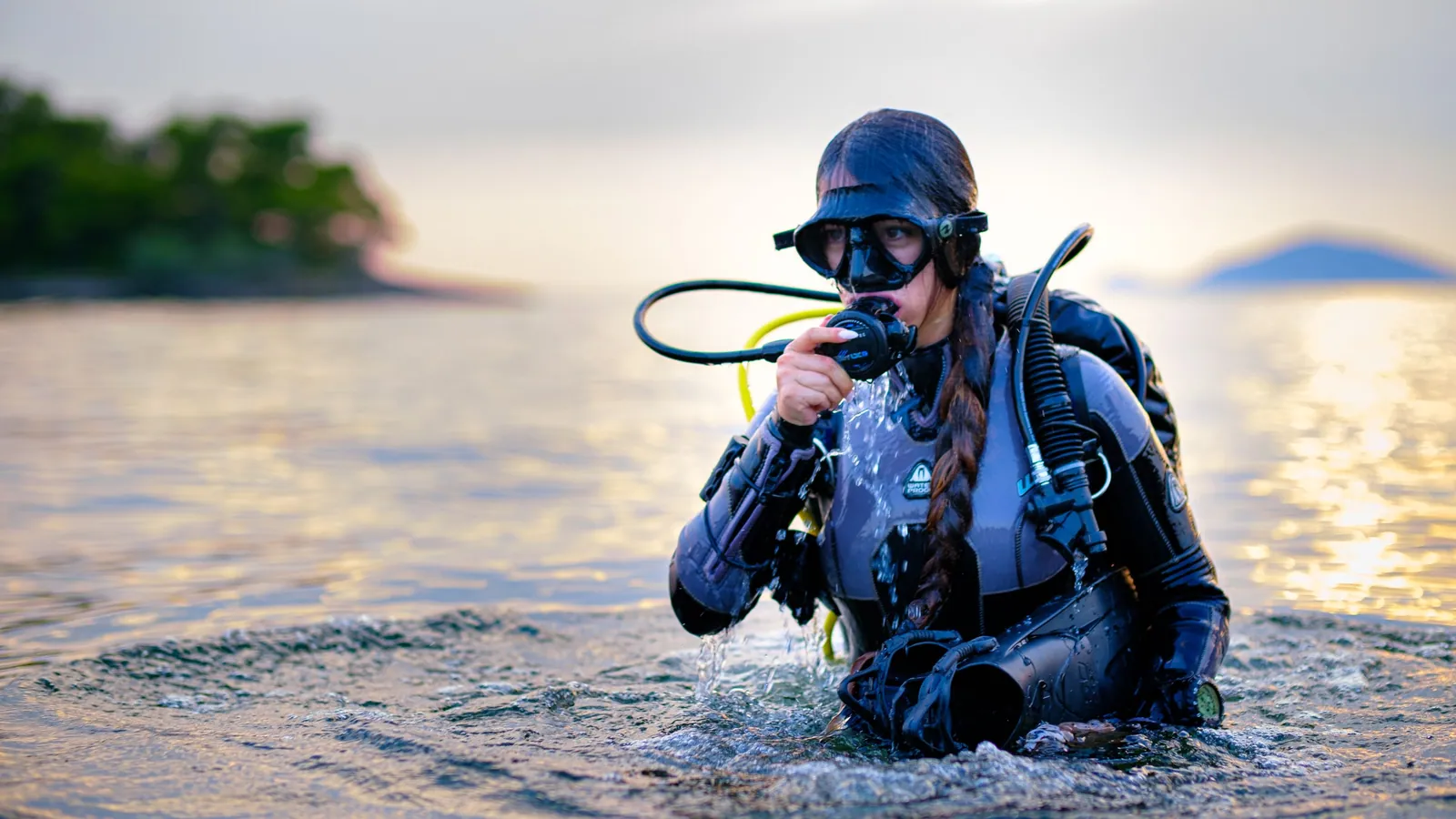
Lift is how much weight the device can float at the surface, and the published guidance is roughly 12 to 24 pounds for tropical diving and 20 to 40 for temperate water.
The reason our end of that range is higher is neoprene. A thick wetsuit is very buoyant at the surface, so you carry more lead to sink it — and at depth that same suit compresses and loses most of its buoyancy, while the lead stays exactly as heavy. The BC has to make up the difference.
That is also the reason a device bought for a warm-water vacation can feel inadequate on this coast. It is not badly made; it was specified for a diver wearing three millimeters of rubber and eight pounds of lead.
Fit is the part people skip
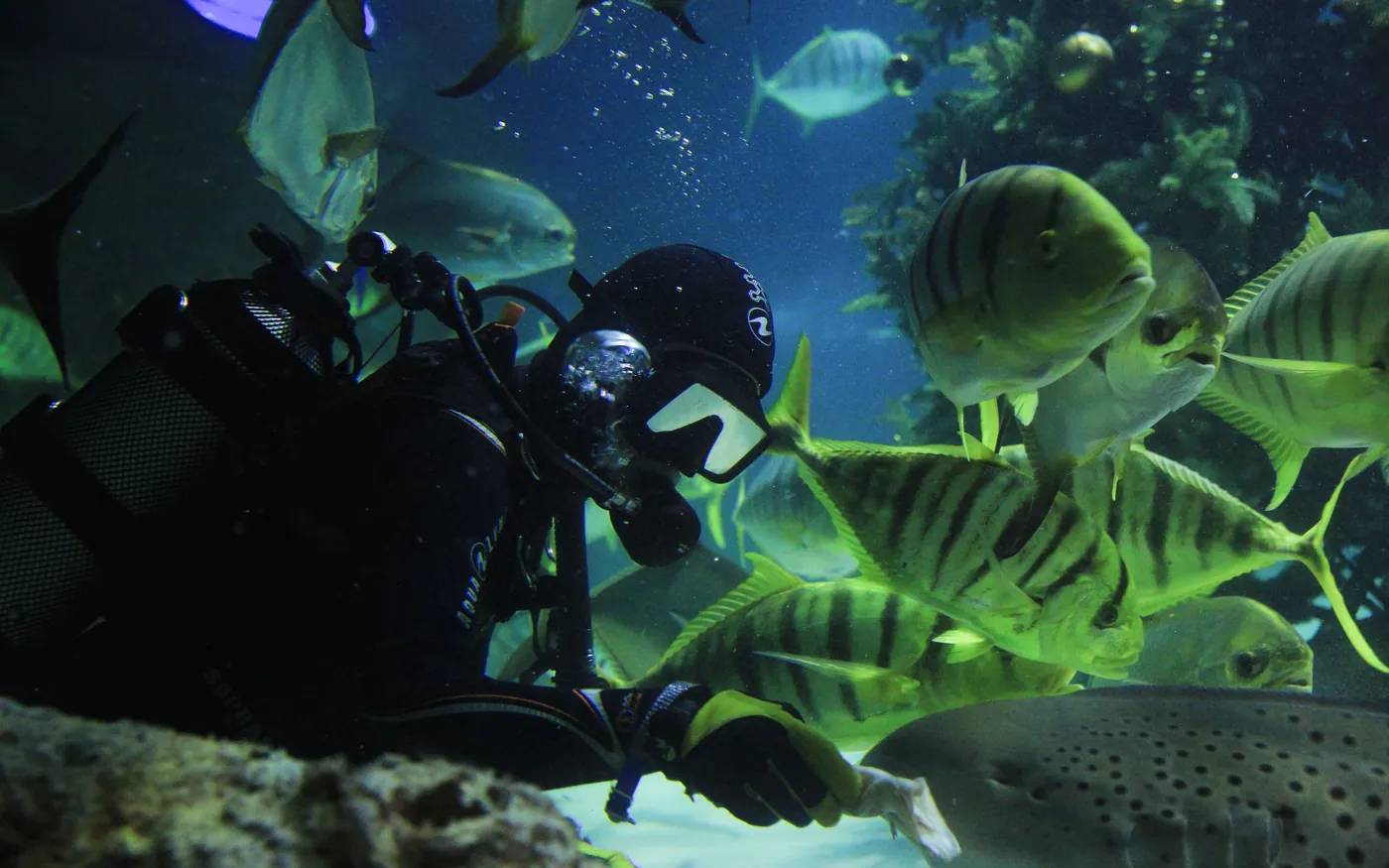
This is where most regret comes from, and it is entirely avoidable in a shop.
- Try it over your actual exposure suit. A device that fits over street clothes may not close over 7 mm of neoprene.
- Check the cummerbund and shoulder adjustment with the suit on. You need room to tighten it as the suit compresses at depth.
- Reach every release with gloves on. Thick gloves change what you can find and grip, and that is the condition you will actually dive in.
- Fully inflate it and see where it pushes. Some jackets squeeze the chest hard when full.
- Load the weight pockets with the lead you really carry, then pull them. A pocket that needs two hands is a pocket you cannot ditch.
None of that can be done online, which is a straightforward reason we sell in store rather than shipping. SSI has a clear rundown of the styles if you want to arrive already knowing the vocabulary.
Buying it at the right time
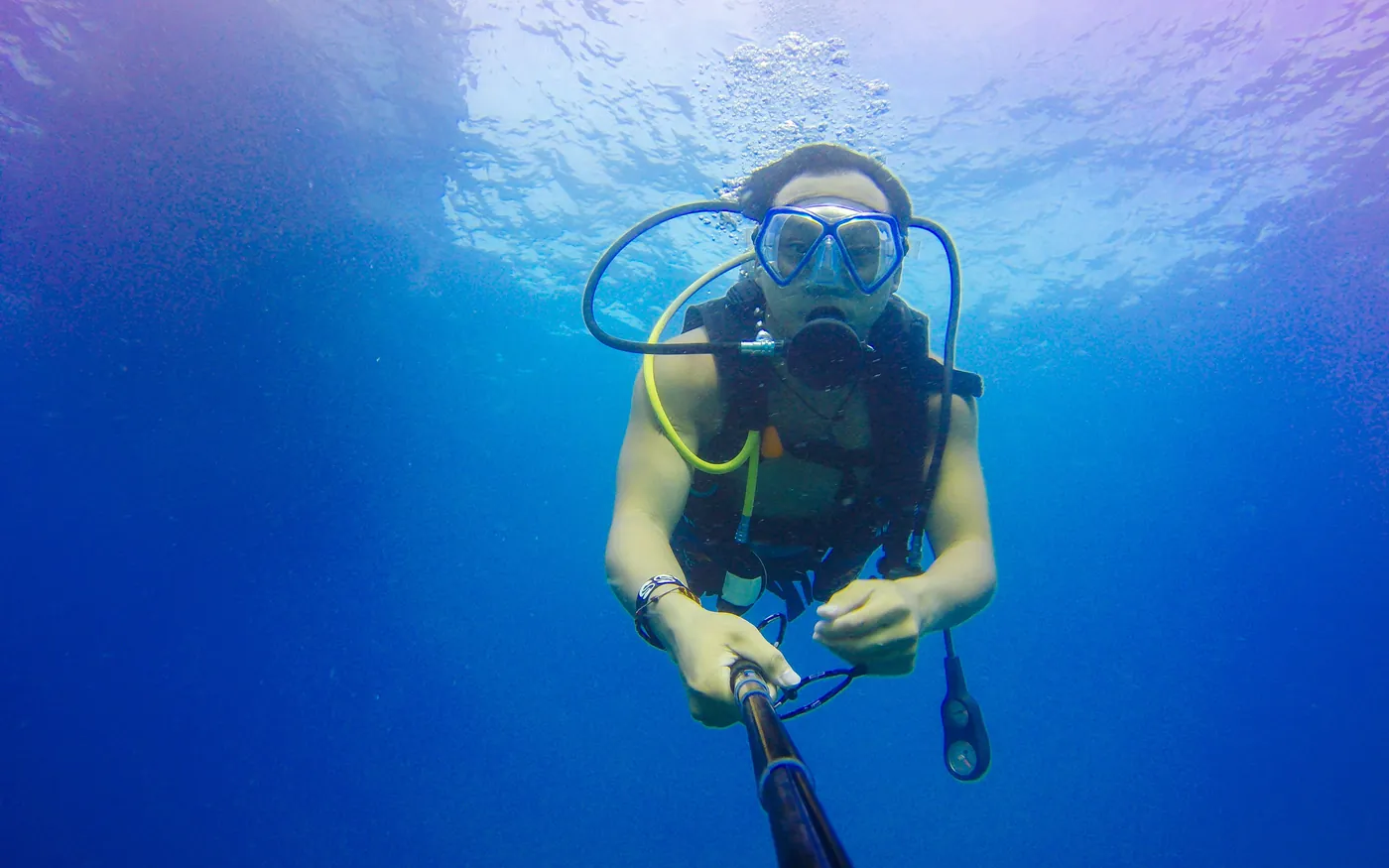
A BCD is usually the second or third thing a diver buys, and there is a good argument for not rushing it.
Mask and fins first, because fit is personal and rental masks leak. Then a season of renting, during which you will dive in two or three different devices and form actual opinions rather than theoretical ones. The full accounting of when ownership starts paying is in renting versus buying scuba gear.
One thing worth knowing before you buy: a BCD is serviceable equipment, not a sealed unit. Inflator mechanisms and dump valves wear, and ours start at $25 plus parts — the schedule sits alongside regulators in how often to service a regulator.
The features worth paying for, and the ones that are not
Manufacturers compete on feature lists, and a fair number of the features are solving problems most divers do not have.
Worth paying for: a dump valve you can reach without contorting, weight pockets that release cleanly with cold hands, solid D-rings placed where you would actually clip something, and a cummerbund with real adjustment range so the suit can compress without the whole thing going slack.
Less important than the marketing suggests: the exact number of pockets, integrated knife mounts, and weight saved on a device you will carry from a car to the water twice a day. Travel weight is a genuine consideration if you fly to your diving several times a year and close to irrelevant if you dive off this coast.
The one thing worth being fussy about is the inflator itself, because it is the control you use most and the part most likely to give trouble later.
What actually goes wrong with them
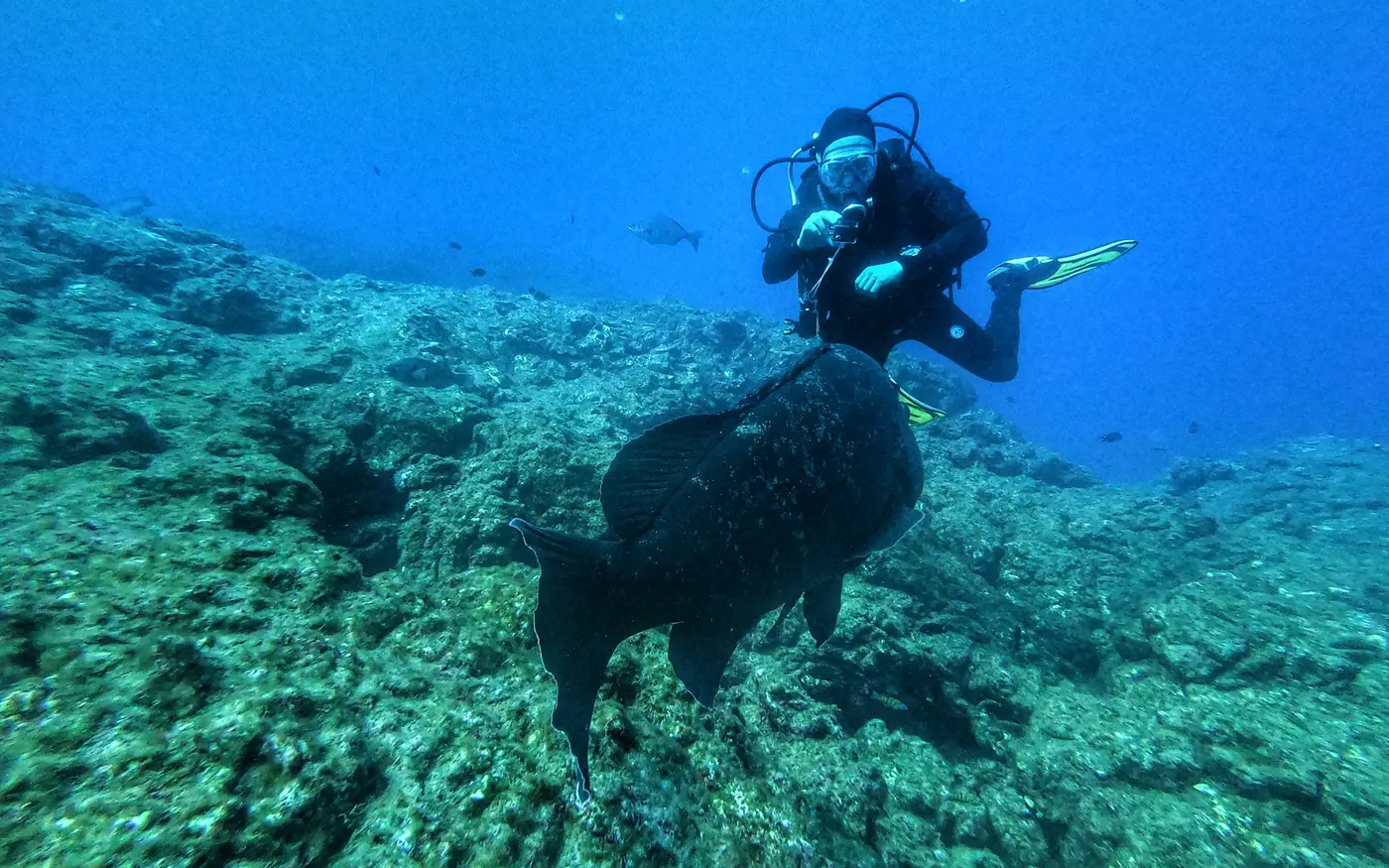
For completeness, the failures worth knowing about are unglamorous.
Inflators stick, usually because salt has dried inside them and nobody rinsed the inside of the bladder — a job covered in looking after scuba gear. Dump valves leak. Bladders develop pinholes at fold lines on devices stored crushed in a bag all winter.
All three are cheap to prevent and annoying to discover on a boat, which is a reasonable argument for an annual look-over even in a year when the regulator is not due.
Frequently asked questions
Jacket or back-inflate?
Jacket if you want to sit upright and comfortable at the surface and you are still building confidence. Back-inflate if you want to lie flat underwater and you already have your trim sorted. Neither is better; they are better at different moments of the same dive.
How much lift do I need?
Published guidance runs roughly 12–24 lb for tropical diving and 20–40 lb for temperate water. Diving here in a thick suit puts you in the upper half of that range, because a compressed wetsuit at depth has lost buoyancy you have to make up.
Are integrated weights worth it?
For most divers yes, because a weight belt digs in and slips. What matters is that the pouches hold the weight securely and release it in one pull with a gloved hand — test that in the shop, with gloves on.
Should I buy before or after a course?
After, usually. Rent for a season first so you have dived in more than one thing and know what you dislike — the reasoning is in renting versus buying.
Can I try one on over a wetsuit?
Yes, and you should. A BCD that fits over a t-shirt can be unwearable over a 7 mm suit, and that is the only fit that matters if you dive here.
Try one on over your own suit
Bring your exposure suit and your gloves. Fifteen minutes in the shop tells you more than any amount of reading.