
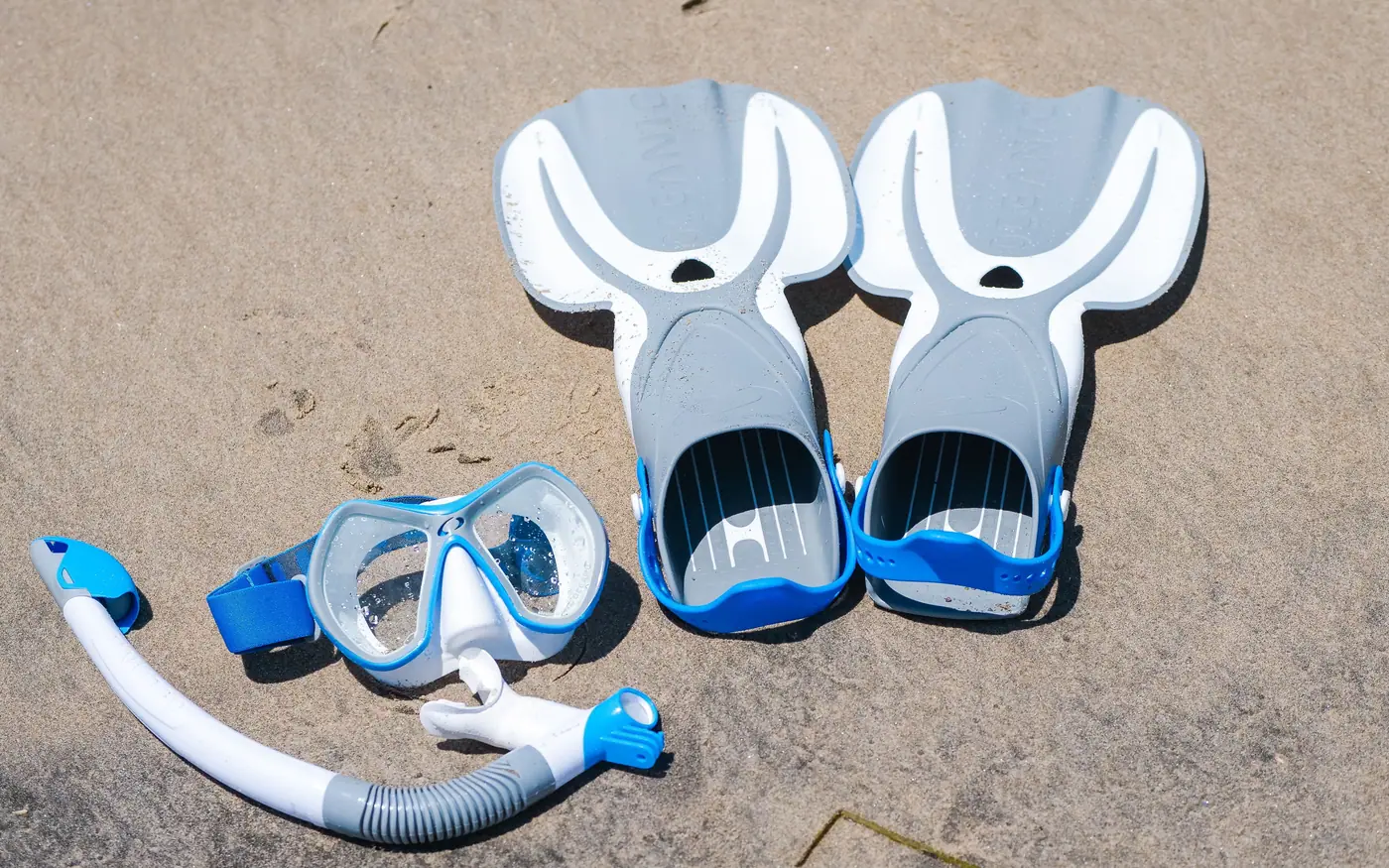
You do not need to buy anything to learn to dive. But there is a sensible order to buying, and the first three items are cheap, personal, and worth owning long before the expensive ones.
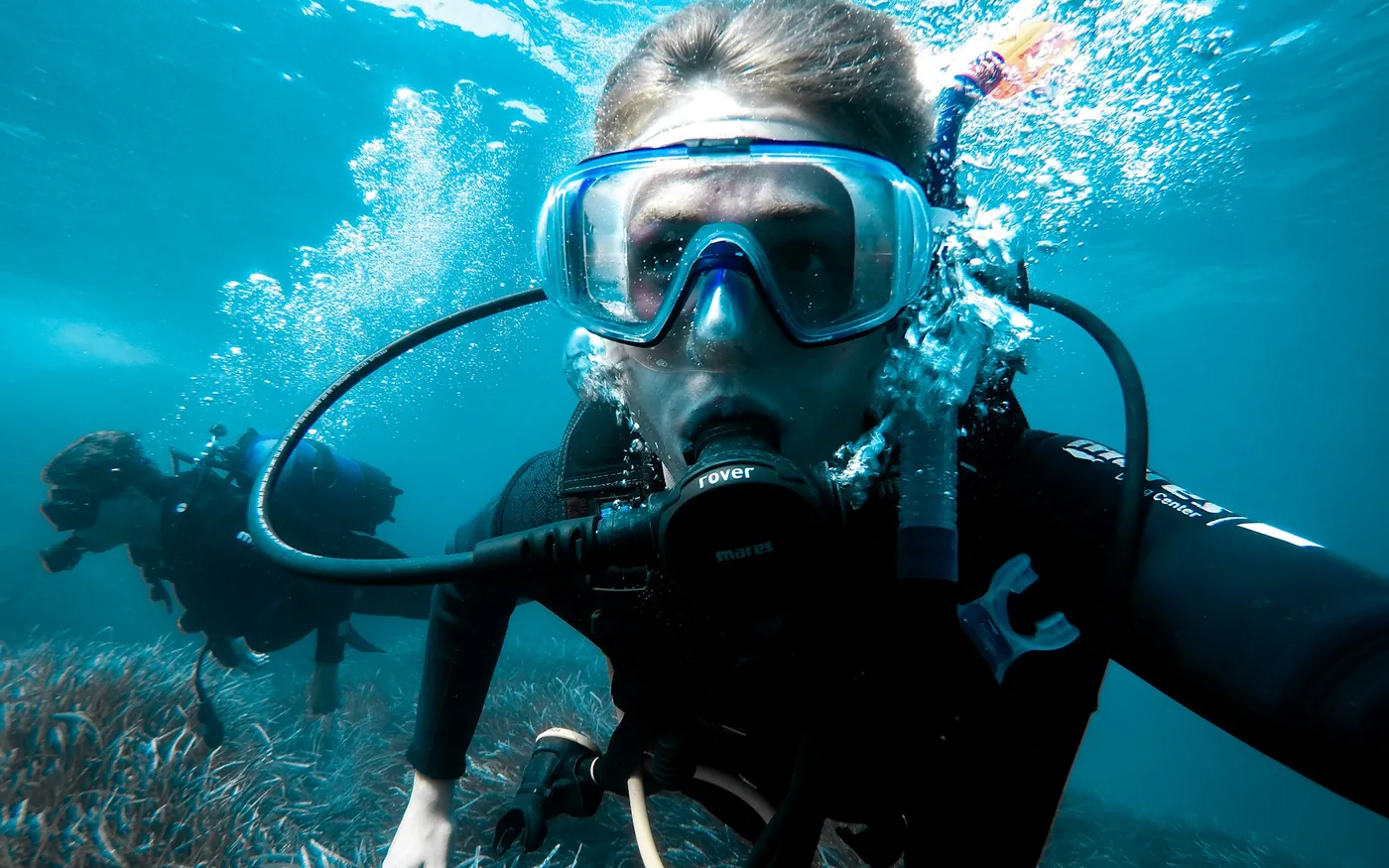
Two phases, not one list
Almost every gear guide gives you one long list, which makes diving look like a sport with a large entry fee. It is more useful to split it in two.
Phase one is personal equipment: mask, snorkel, boots and fins. These are inexpensive, they are all about fit, and rental versions are the ones most likely to annoy you. Phase two is life support and exposure: suit, regulator, buoyancy device, computer. These are a real investment and none of them is urgent.
Buy the cheap things first. They are the ones that ruin dives.
The mask, which is the one that matters
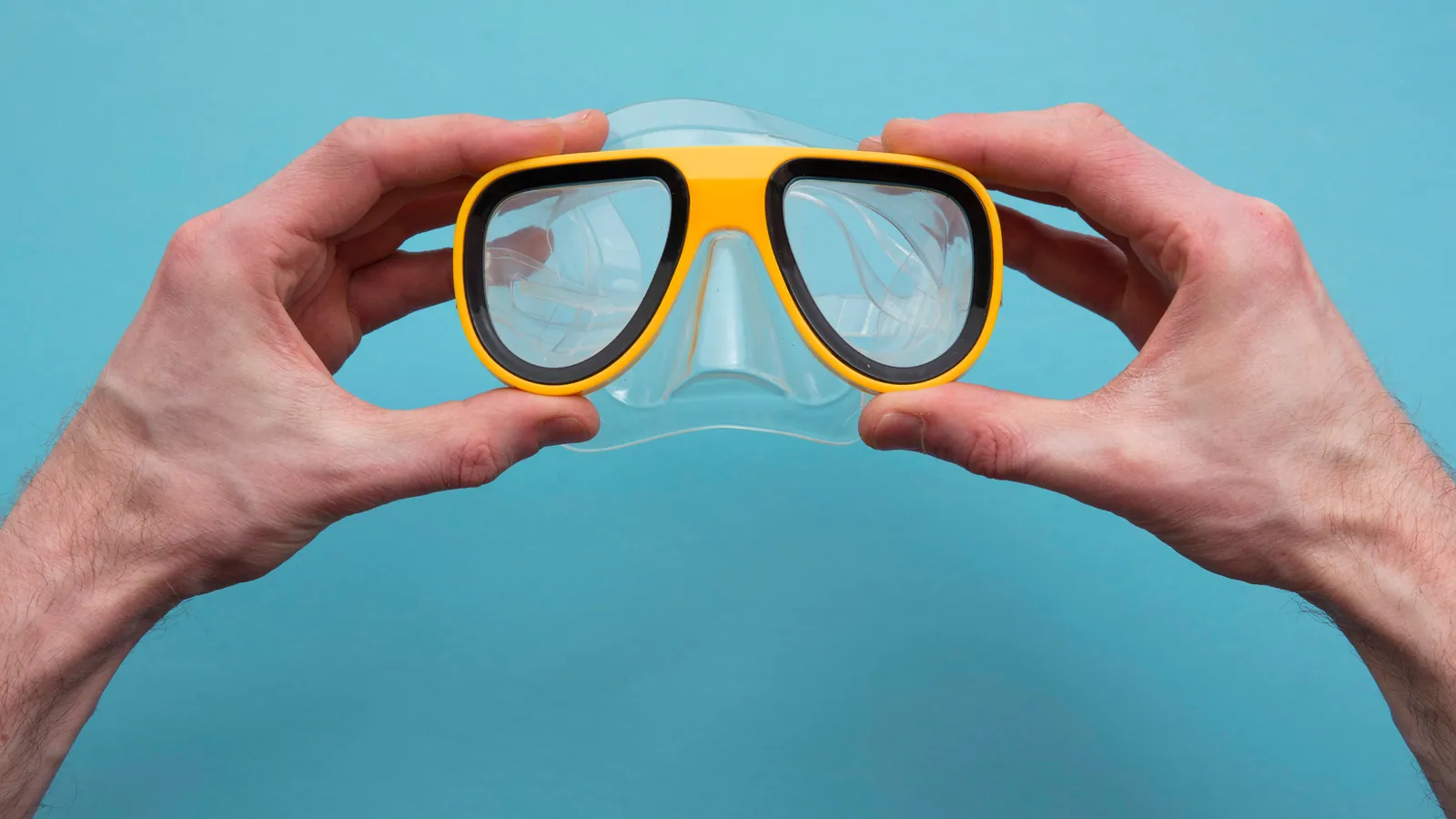
If you buy one thing, buy this, and buy it in person.
A mask that does not seal on your particular face leaks continuously, and a dive spent clearing your mask every ninety seconds is a dive you will not enjoy. Fit is about the shape of your face rather than the quality of the mask, which is why an expensive one can fit worse than a cheap one and why buying online is the commonest first mistake.
The test takes ten seconds in a shop and is described in how to choose a dive mask that fits. Bring a hood if you dive here, because a hood changes the seal at the forehead.
Boots and fins, bought together
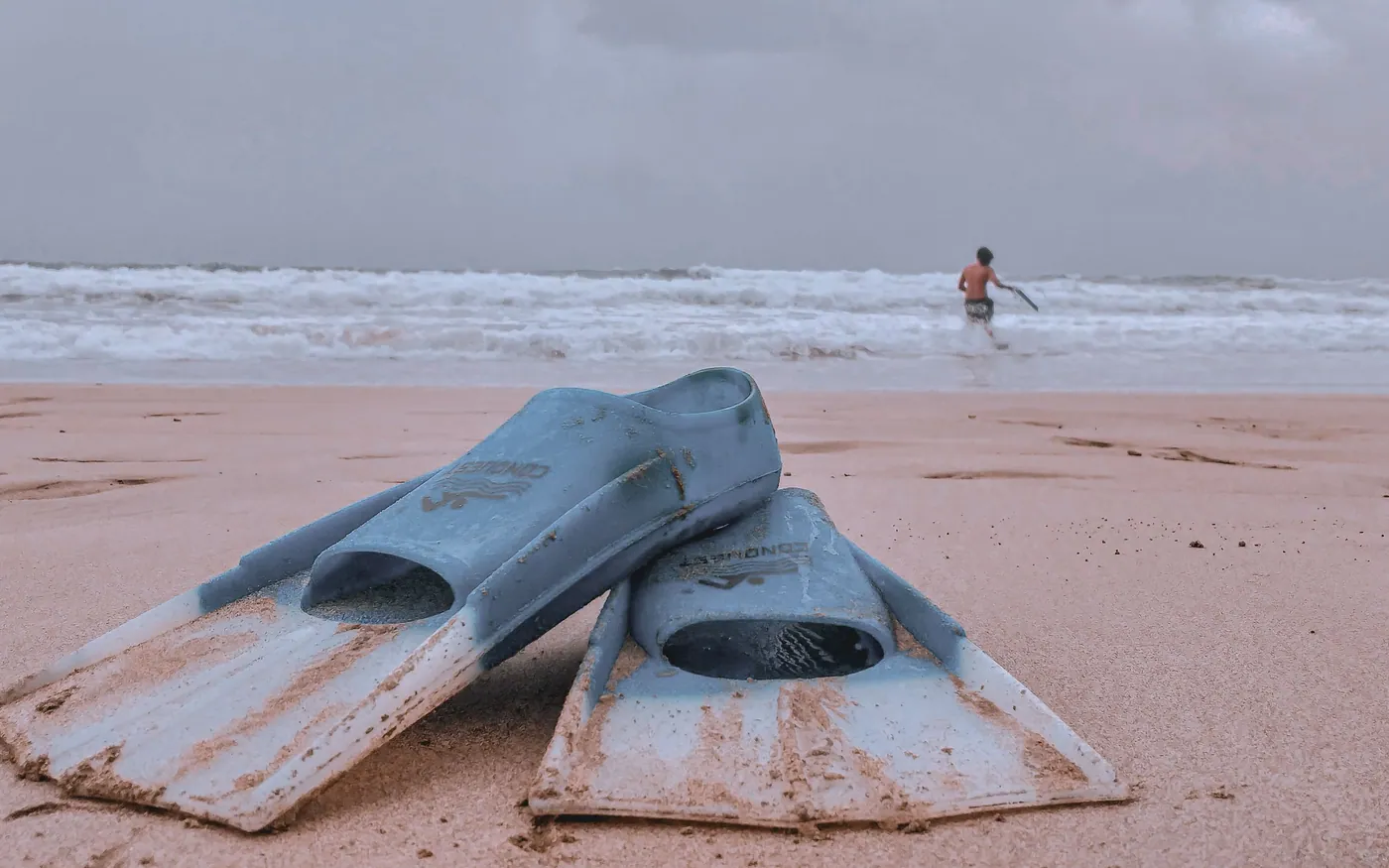
These are a pair of decisions rather than two, because the boot has to fit the fin.
Open-heel fins worn over boots are the usual recommendation for diving, as against full-foot fins, and on a rocky New England shore the boots stop being a preference and start being the difference between walking to the water and hobbling to it. A hard sole is worth having.
Beyond that, fin choice is less critical than it is made to sound. A stiffer blade suits the frog kick better than a very soft or split fin, which matters once you start working on finning technique, but almost any reasonable dive fin will do while you learn.
And the snorkel, briefly
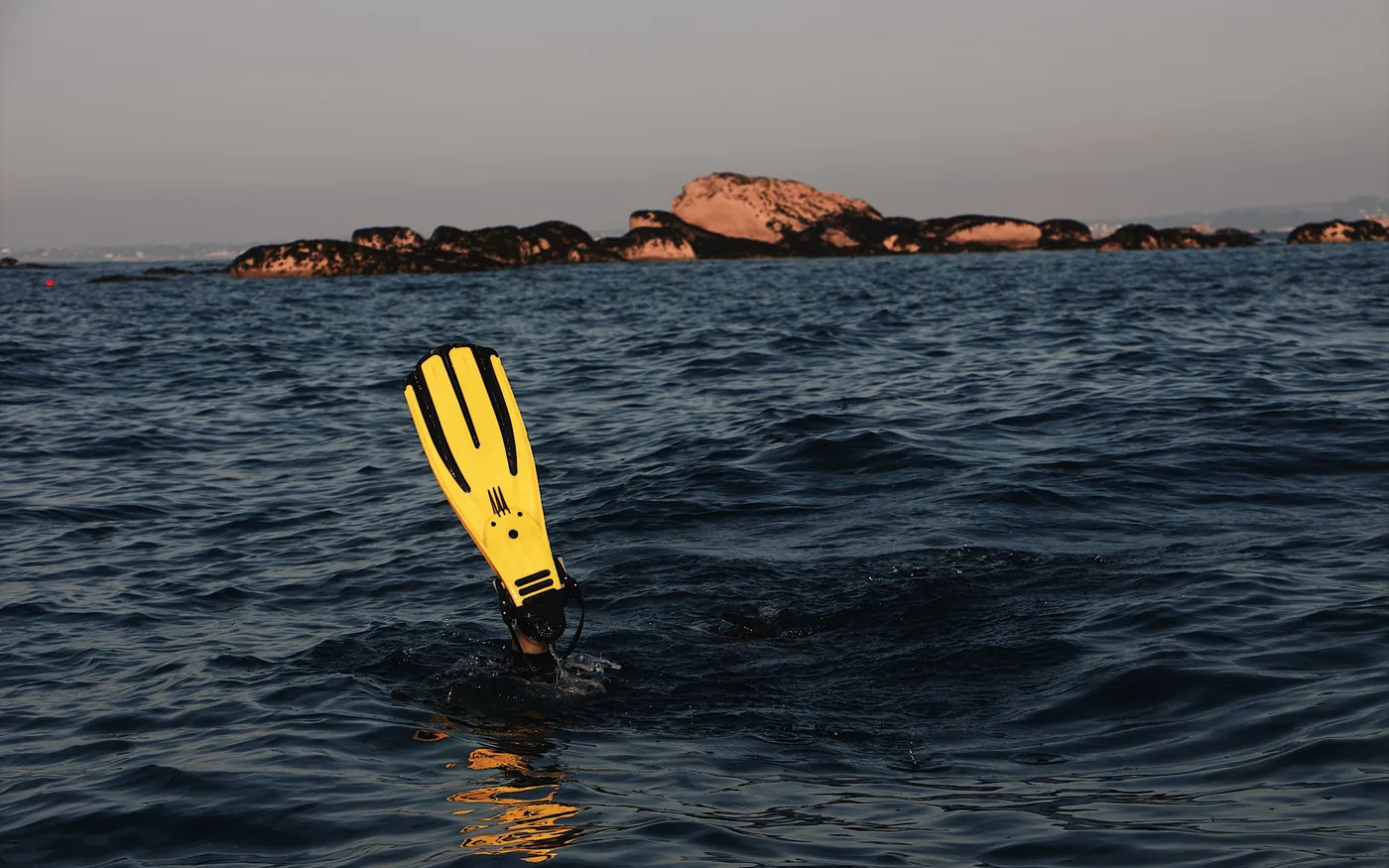
Divers argue about snorkels more than the subject deserves.
The case for one is simple: on a long surface swim out to a site, or waiting at the surface in chop, a snorkel lets you breathe with your face in the water without using cylinder gas. On a shore dive with a swim out, that is genuinely useful. The case against is that it is one more thing on your mask strap to snag and to catch water.
It is cheap either way, it is required on some courses, and it is not worth a long deliberation.
What to rent for a season
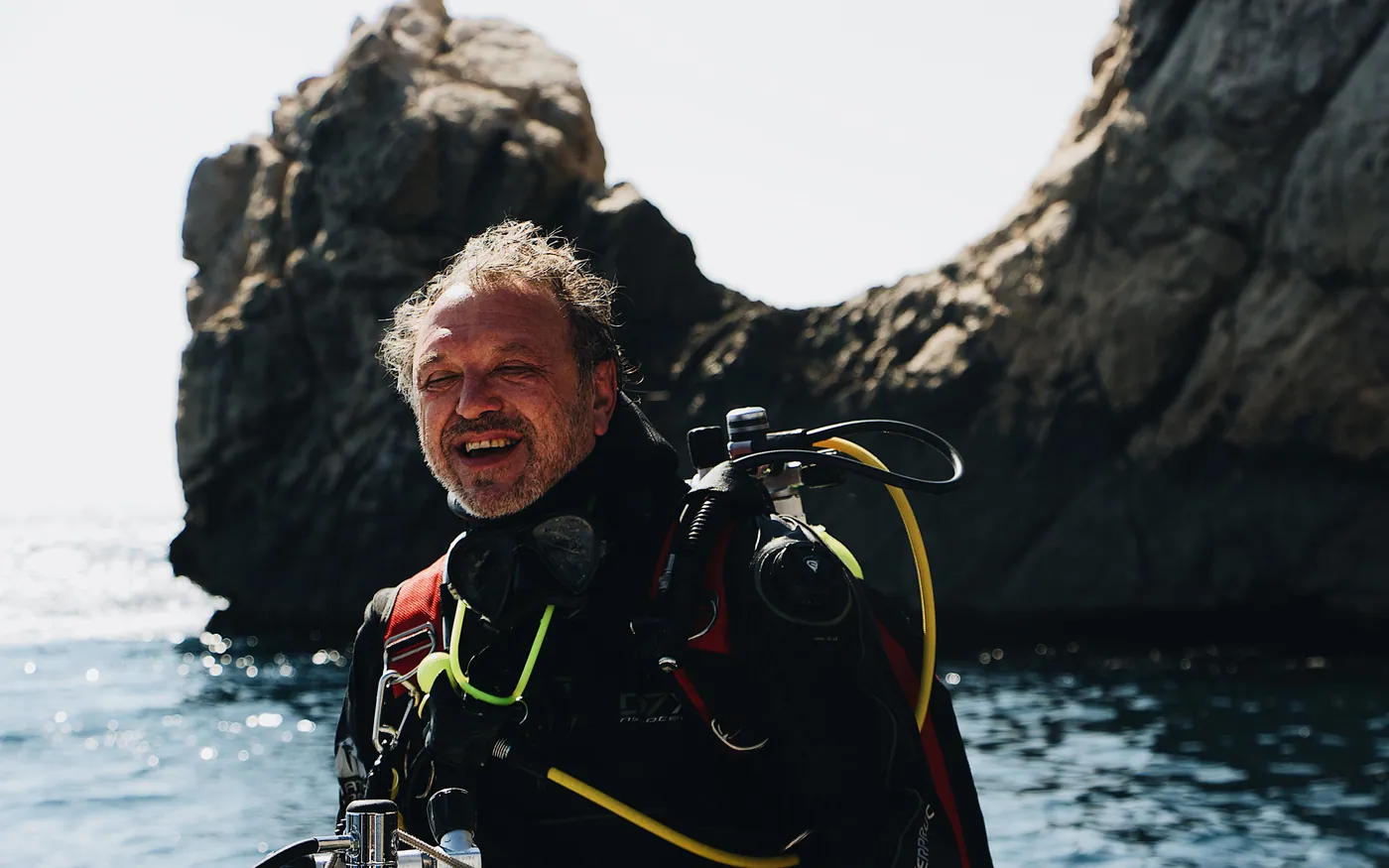
The second phase is where the money is, and where waiting pays.
| Item | Rent until |
|---|---|
| Exposure suit | You know whether you run cold and whether you want to dive through the winter |
| Buoyancy device | You have dived a jacket and a back-inflate and formed an opinion |
| Regulator | You are diving often enough that the annual service is worth it |
| Dive computer | You are planning repetitive or multi-day diving |
| Light | Never, really — buy one early, they are cheap and always useful |
| Cylinder and weights | You are diving locally often; both are heavy to travel with |
A season of renting teaches you what you dislike, which is far more useful than theorizing about what you might like. The full argument sits in renting versus buying scuba gear, and our fleet is at rental gear.
The purchases that are not equipment
Two things worth budgeting for that never appear on a gear list, and both do more for your diving than another piece of kit would.
The first is air fills and rentals for a season of actually diving. Twenty local dives will improve you more than any single purchase, and they cost less than a regulator. The second is the next course, when there is one you actually want — the honest ranking of those is in what comes after Advanced Open Water.
Divers who spend their first year buying equipment and their second year discovering they are still uncomfortable in the water have the order backwards. The kit is not what makes the diving good.
Buying it here rather than online
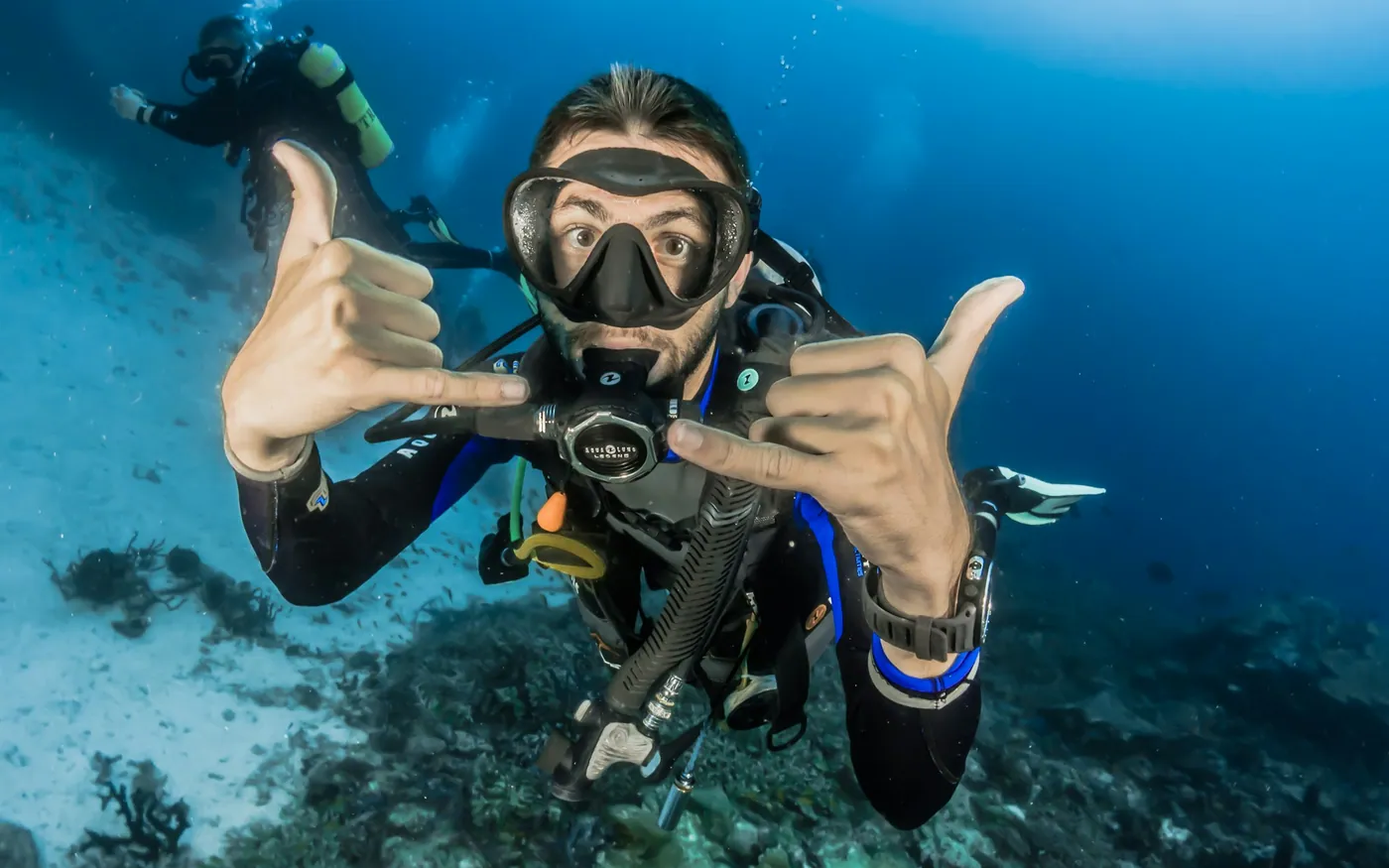
There is a reason we sell in store rather than shipping, and it is not sentiment.
Every item in phase one is a fit decision, and every item in phase two is a fit decision made harder by a 7 mm suit and thick gloves. A buoyancy device tried on over a t-shirt tells you nothing about the same device over neoprene. A mask tried on without a hood tells you nothing about how it will seal in February.
SSI has a good overview of the essentials if you want to arrive with the vocabulary. What it cannot do, and no website can, is tell you whether the thing fits you.
A reasonable first year
If you want the whole thing in four lines:
- During the course: buy a mask when the rental one annoys you. Nothing else.
- First few months: boots and fins, and a light.
- End of the first season: an exposure suit, once you know how cold you get and whether you are heading toward a dry suit.
- Second season: regulator and buoyancy device, if you are diving enough to justify servicing them.
- Whenever: a save-a-dive kit, which costs very little and prevents the most cancelled dives per dollar of anything on this list.
Frequently asked questions
What should I buy first?
A mask, then boots and fins. They are the items where fit is personal, they are the cheapest things on the list, and a rental mask that leaks will spoil more dives than any other single piece of equipment.
Do I have to buy anything for the course?
No. Everything can be rented, and plenty of people finish Open Water having bought nothing. Most divers buy a mask partway through the course because they have discovered what a badly fitting one is like.
Should I buy a regulator straight away?
Rarely. Rent for a season, dive several different sets, and you will know what you actually want. The reasoning is in renting versus buying.
Can I buy a mask online?
It is the one item where that goes wrong most often. A mask either seals on your face or it does not, and you cannot tell from a photograph — see how to choose a dive mask.
How much does a first set cost?
Published industry guidance puts a mask at roughly $50–200, fins at $65–200 and a snorkel at $25–90. Those are general ranges rather than our prices — we do not post equipment pricing online, so ask in the shop.
Come and try things on
Bring your hood and your gloves. Fit is the whole decision and it takes fifteen minutes in the shop.