
Divers are the only people who routinely see the problem. Everything on a beach cleanup washed up. What is on the bottom stays there, and the only people looking at it are wearing cylinders.
What is actually down there
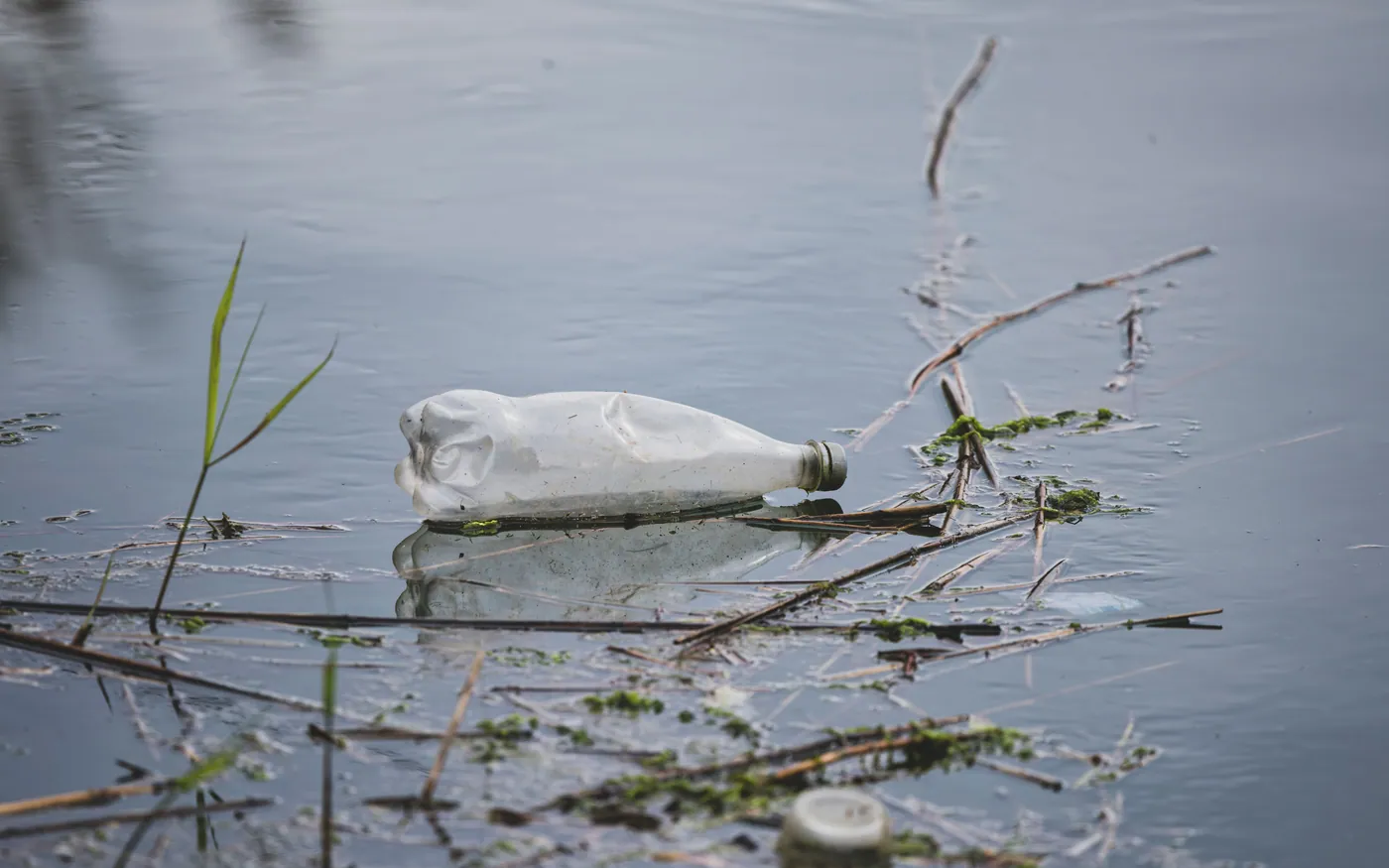
The debris divers find is not the debris the public pictures. Very little of it is floating plastic bags.
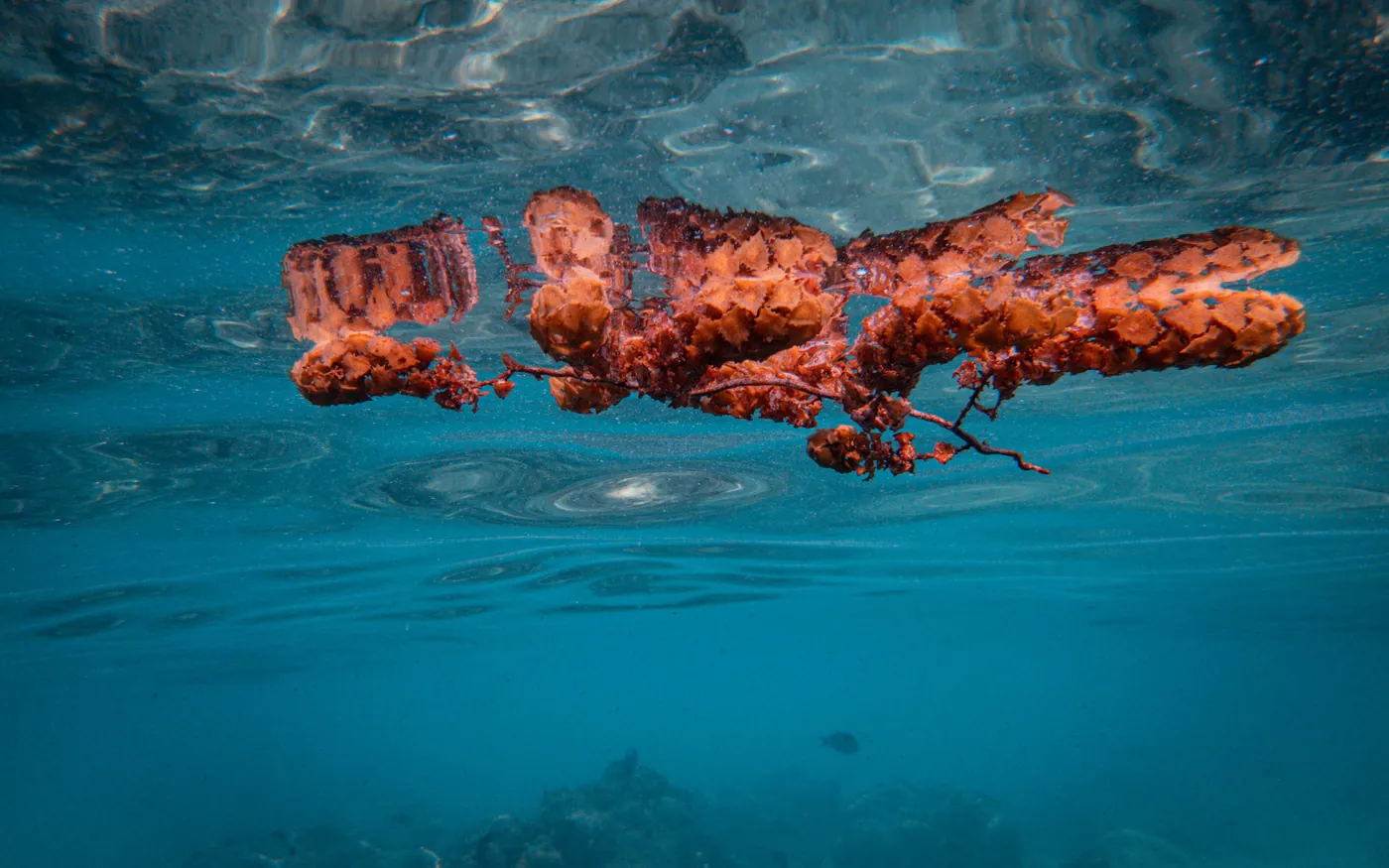
On rocky ground and on wrecks it is overwhelmingly fishing-related: monofilament, trap line, netting and lost gear, plus the heavier domestic items that sink and stay sunk. Tires, bottles and cans are common and comparatively harmless; derelict fishing gear is neither.
Ghost gear does not stop working when it is lost. That is the whole problem.
Nets and traps that nobody is tending keep catching animals indefinitely. In 2016 alone, divers reporting through PADI AWARE recorded 1,624 entangled marine animals, and that is only what was found and logged.
The rule that comes before everything

Every campaign page leads with the good you can do. The programs themselves lead with something else, and it is worth putting first here too.
Diver safety takes priority over removal. If getting something out would put you at risk, it stays. That covers anything entangling, anything in an overhead space, anything heavy enough to change your buoyancy if it comes free, and anything that would require you to exceed your training to reach.
- Do not cut into netting you are not sure about. Entanglement is the hazard, and it does not announce itself.
- Do not lift anything heavy without a lift bag and the training to use one. An object that becomes buoyant on the way up takes you with it.
- Do not go inside anything to retrieve debris — the same line drawn in wreck diving without going inside.
- Do not remove what has become habitat. If an object is encrusted with mussels, anemones or growth, taking it out often does more damage than leaving it.
The last one is the one people argue about
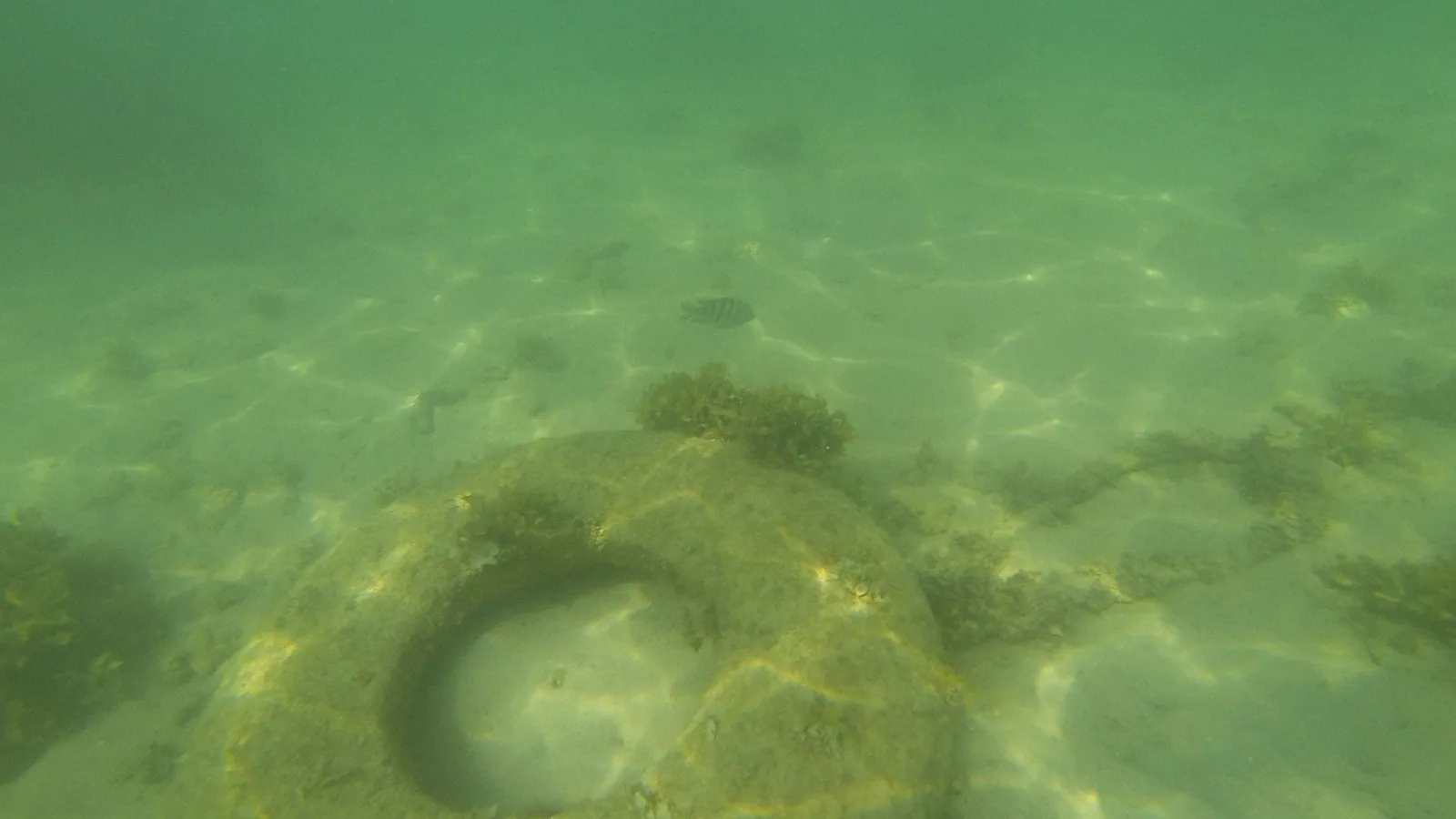
It feels wrong to swim past a tire. But a tire that has been down for a decade is covered in life, and pulling it out kills all of it and clouds the site for everyone.
The judgment is whether the object is still doing harm. Ghost gear is, always — it keeps catching things. A plastic bottle is, mildly. An encrusted lump of metal that has become part of the reef is not, and taking it is gardening rather than conservation.
That is the distinction worth carrying: remove what is actively causing damage, and leave what has been absorbed.
Why the paperwork is the point
Dive Against Debris is described as a citizen-science program rather than a cleanup, and the wording is deliberate.
Divers remove debris and then report what they found: the type, the quantity, the location. Since 2011 that has amounted to more than 2.5 million pieces of debris logged by over 90,000 divers, alongside help for more than 35,000 entangled animals. The data is what informs research and policy, and divers are the only people who can collect it.
PADI AWARE explains how the program works and how to report.
One further category is worth knowing about, because it looks like debris and is not. Lobster and crab traps in use are working gear, marked with a buoy and belonging to somebody, and cutting or moving one is both damaging and illegal. A trap that is clearly derelict — unmarked, broken open, encrusted, with no line to the surface — is a different matter, and if you are not certain which you are looking at, leave it and report it.
Doing it on an ordinary dive
You do not need an organized event. Most of this happens on ordinary dives by divers who brought a bag.
- Carry a mesh bag and a cutting tool. The cutting tool is for monofilament and it is worth having on a wreck regardless.
- Take what you can carry without affecting your trim. A bag that changes your buoyancy is a bag that is too full.
- Keep it off the bottom. Dragging a bag through silt undoes the visibility for everyone behind you.
- Log what you found, even informally. A note of what is accumulating at a site is genuinely useful over a season.
- Tell someone about gear you cannot remove. Ghost gear that needs a team is still worth reporting.
It is not only rubbish
There is a quieter version of this that costs nothing and does more good than a bag of bottles: not damaging the place while you are in it.
A diver dragging fins across the bottom, bracing on growth to steady themselves, or grabbing rock to fight a current does measurable damage every dive, and does it invisibly. The fix is buoyancy rather than good intentions — a diver who can hold position does not need to touch anything, which is one more reason weighting is worth getting right.
The same applies to what you photograph. Moving an animal to get a better frame, or settling on the bottom to steady a shot, is the most common way well-meaning divers cause harm — a point made from the camera side in underwater photography for beginners.
Where it fits with the diving here
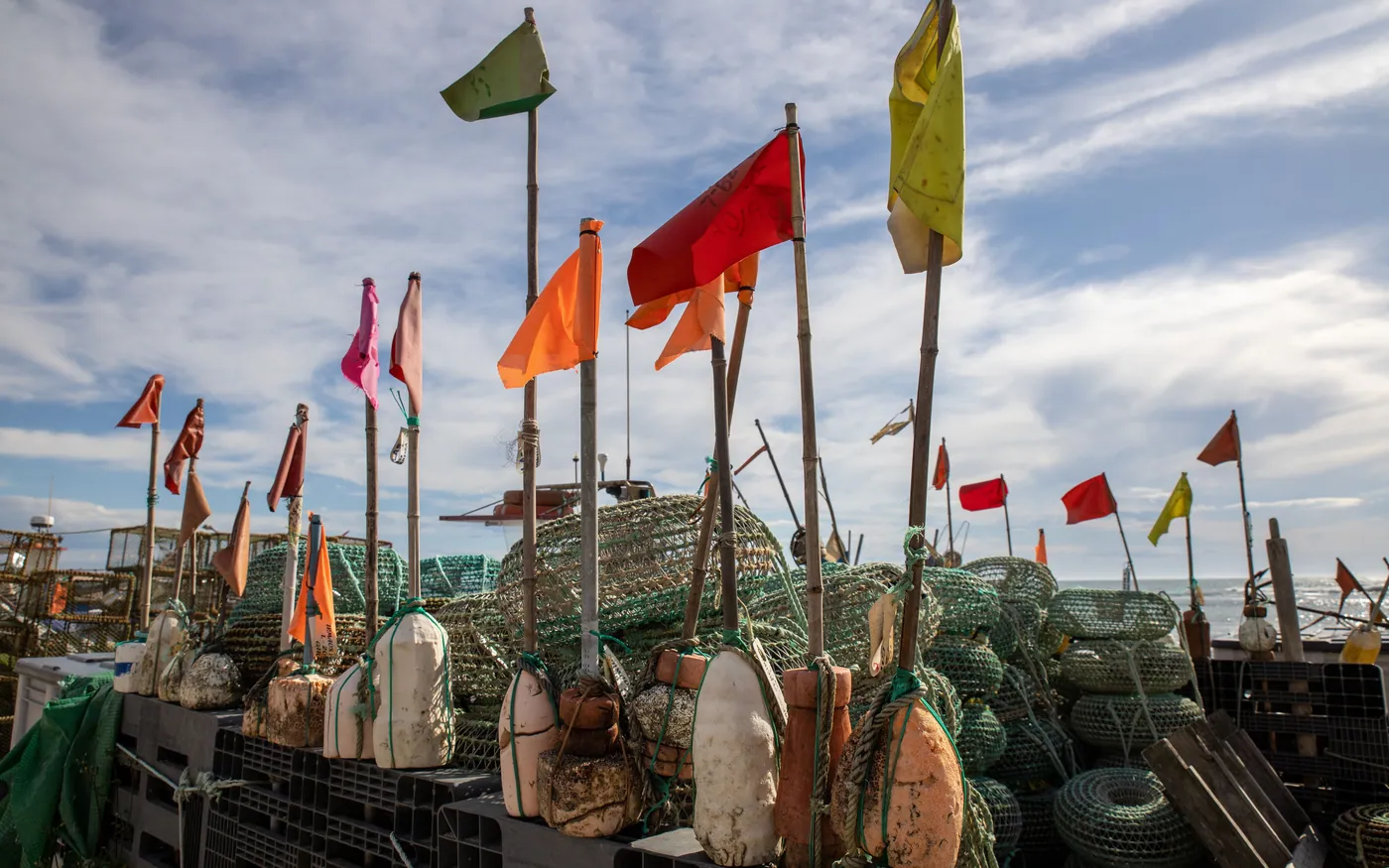
New England is a working coastline, and that shapes what divers find. The gear on the bottom is mostly the same gear you can see stacked on any dock.
That is not an argument with anyone. Traps are lost in storms and lines part; nobody sets out to leave them. It does mean local divers see more derelict fishing gear than divers in most places, and it makes a cutting tool standard equipment here rather than an optional extra.
If you want to do it properly, Dive Against Debris is a PADI specialty and one of the adventure dive options on the Advanced course. Ask us what is currently running, or just bring a bag on a local charter and start.
Frequently asked questions
Should I pick up everything I see?
No. Diver safety comes first, and some debris should be left. Anything you cannot remove safely, anything heavy enough to affect your buoyancy, and anything so encrusted with life that removing it would do more harm than good all stay where they are.
Why does reporting matter more than collecting?
Because one bag of rubbish is one bag. The reported data on what is down there, in what quantity and where, is what informs research and policy — and that is the part only divers can supply.
What is ghost gear?
Lost or discarded fishing gear — nets, traps, line — that keeps catching animals after nobody is tending it. It is the most damaging category of marine debris and the most hazardous to remove.
What should I carry?
A mesh bag and a cutting tool, at minimum. Gloves if local rules allow them. Do not attempt anything that needs a lift bag unless you have been trained to use one.
Is there a course?
Dive Against Debris is a PADI specialty and also one of the adventure dive options on the Advanced Open Water course. Ask us what is currently running.
Bring a bag
Ask about the Dive Against Debris adventure dive, or just mention it when you book a charter. It costs nothing to start.