
Category: Learn to Dive
Getting started in scuba and getting better at it: what certification involves, what it costs, and the skills that make diving feel comfortable rather than busy.
-
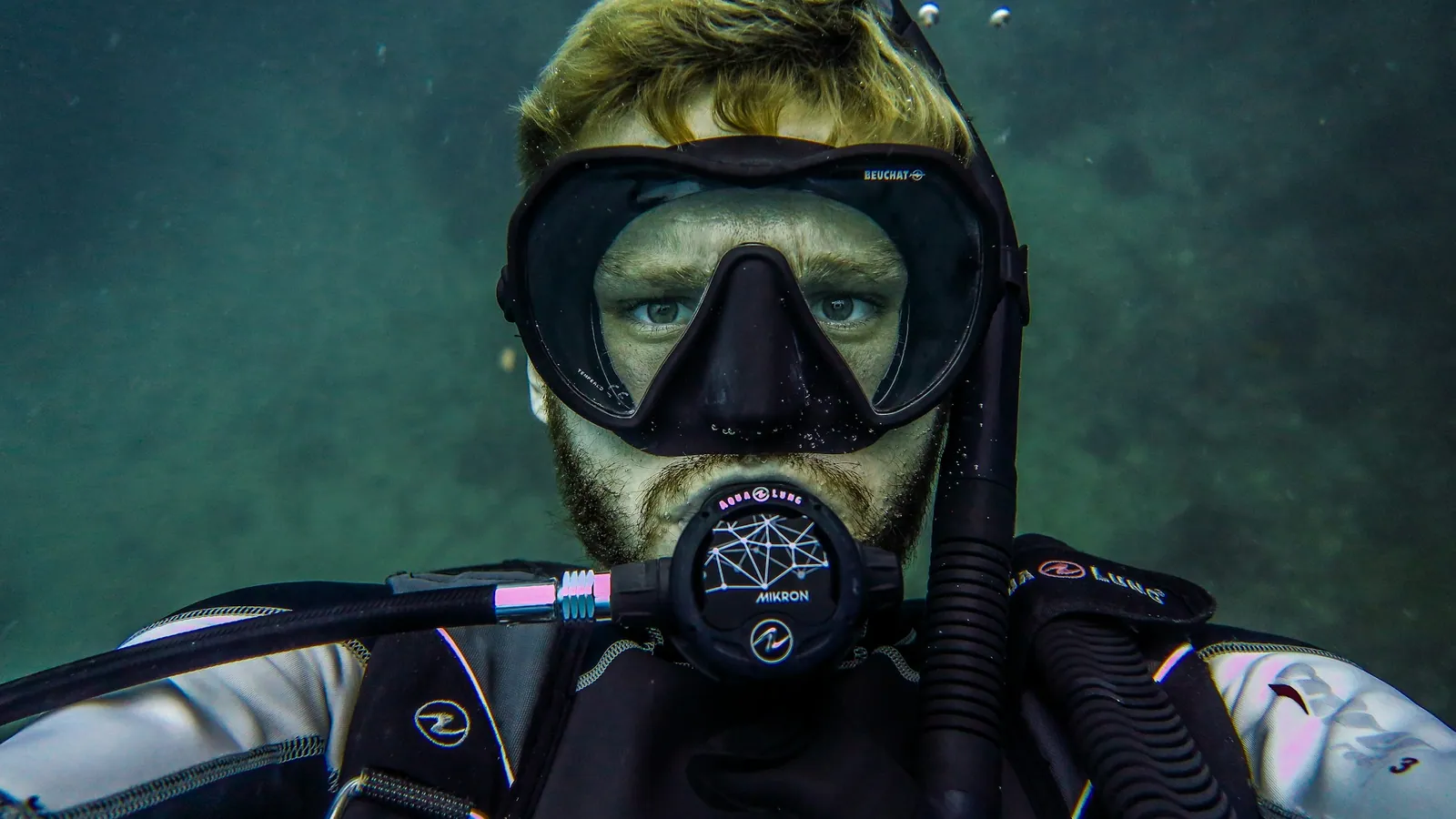
Diving Dry
A dry suit adds a second air space you have to manage. What changes underwater, and why this is the one specialty nobody should skip.
-
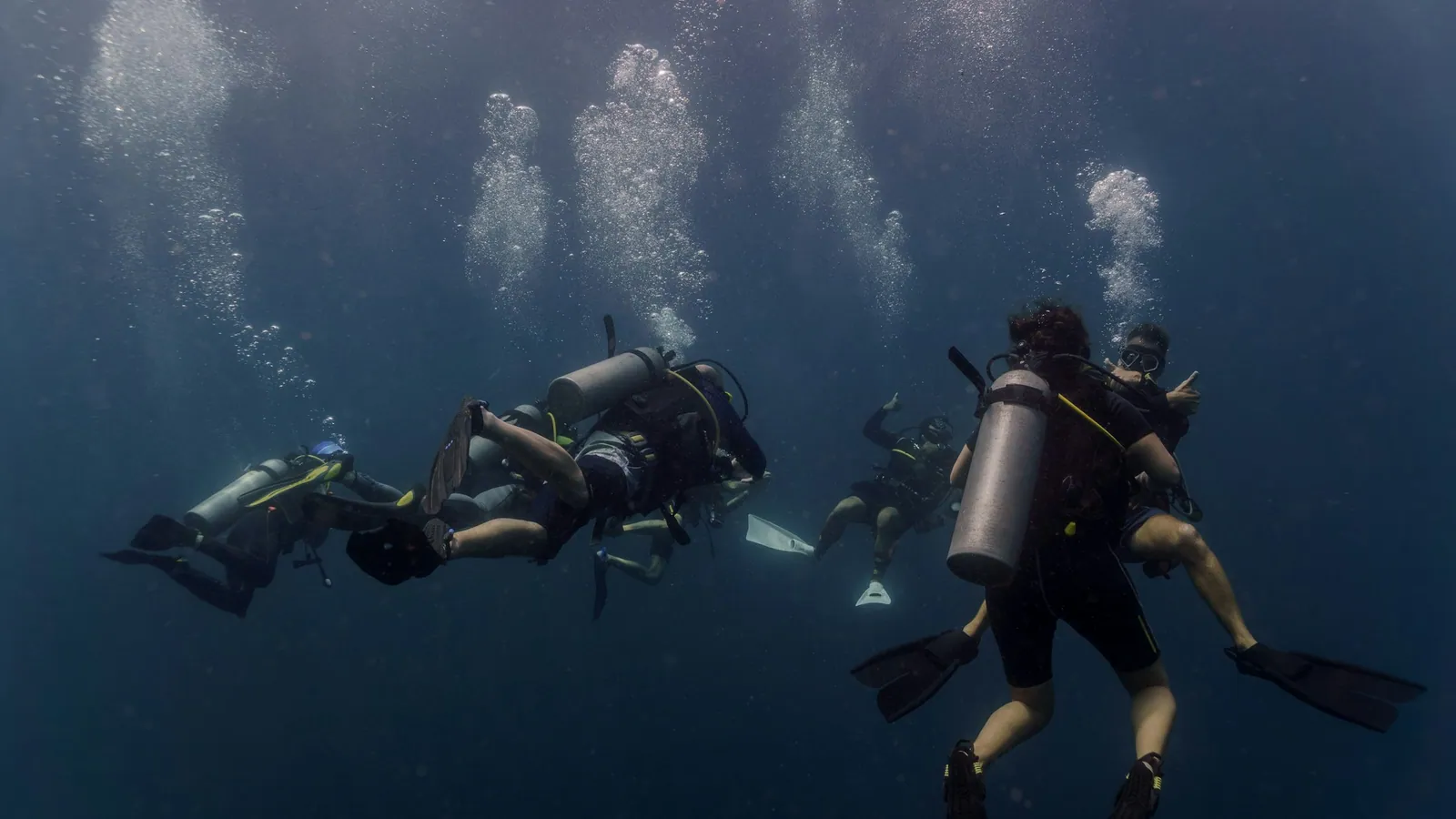
Emergency Oxygen and First Aid
If help is half an hour away, the oxygen on site is the treatment. Why a recreational diver spends a day learning to give it.
-
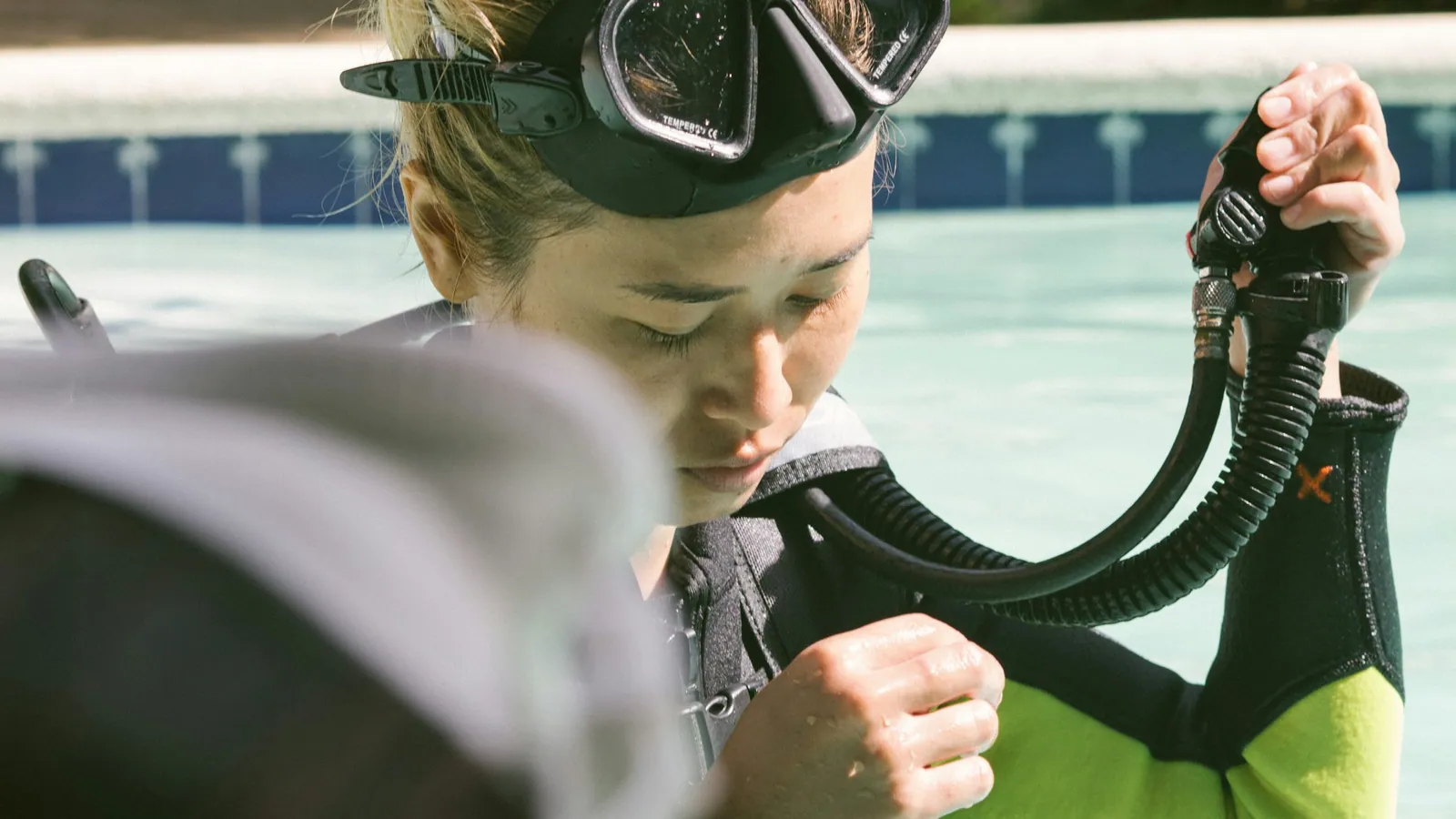
When Something Goes Wrong Underwater
A flooded mask, a free-flowing regulator, a cramp. The one response that covers all of them, and the specific fixes.
-
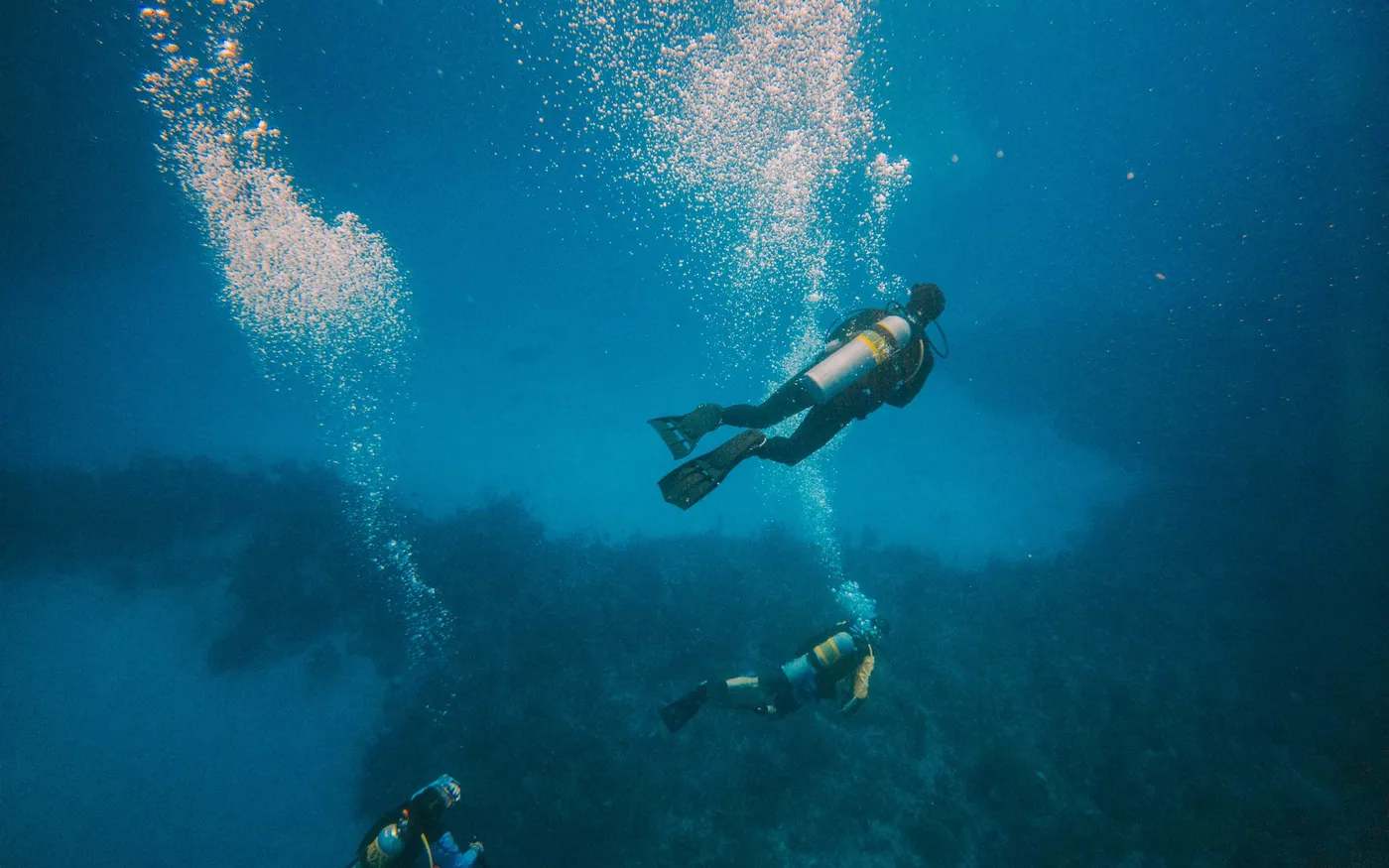
Which Certification Agency
PADI, SSI, NAUI, SDI. They recognize each other, they teach to comparable standards, and the choice matters less than who teaches you.
-
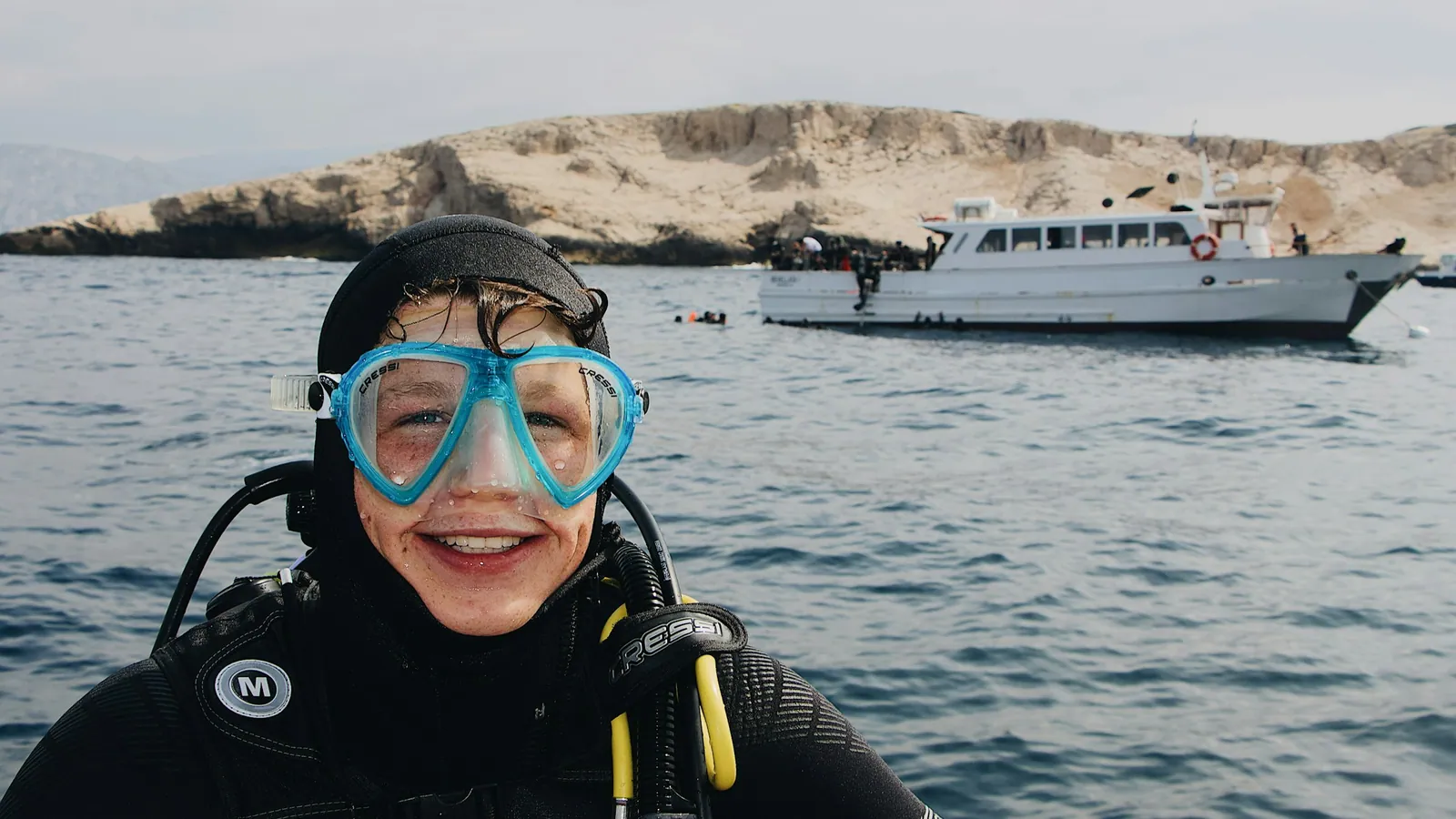
Are You Fit to Dive?
The medical form is a screening tool, not a gate. What a yes actually means, and why it is worth sorting out before the course starts.
-
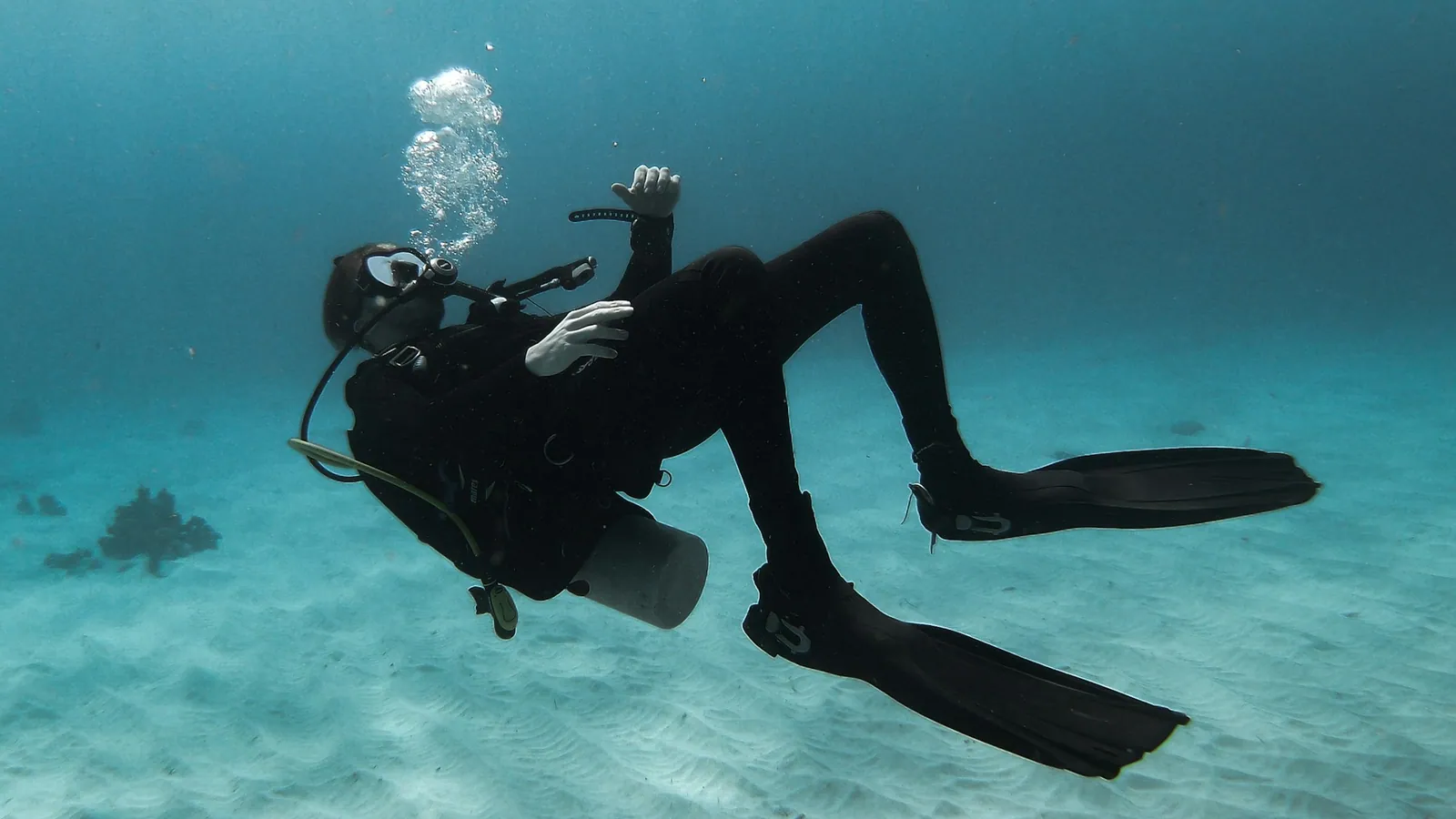
Finning Techniques
Most divers only ever learn one kick, and it is the one that wrecks the visibility. The four worth having, and when to use each.
-
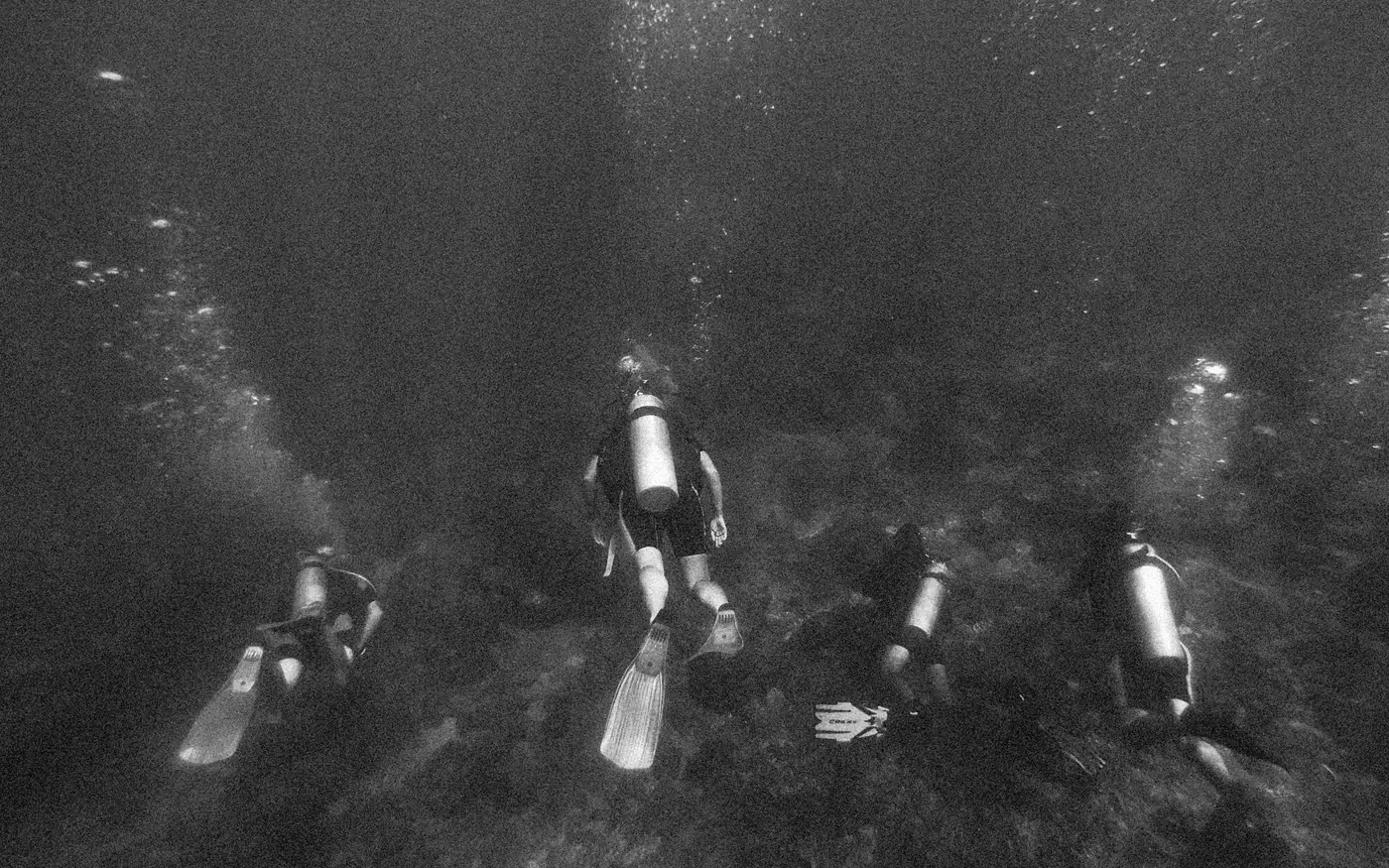
Decompression Sickness
What the bends actually is, how late symptoms can appear, and what to do in the first ten minutes. Written for divers, not clinicians.
-
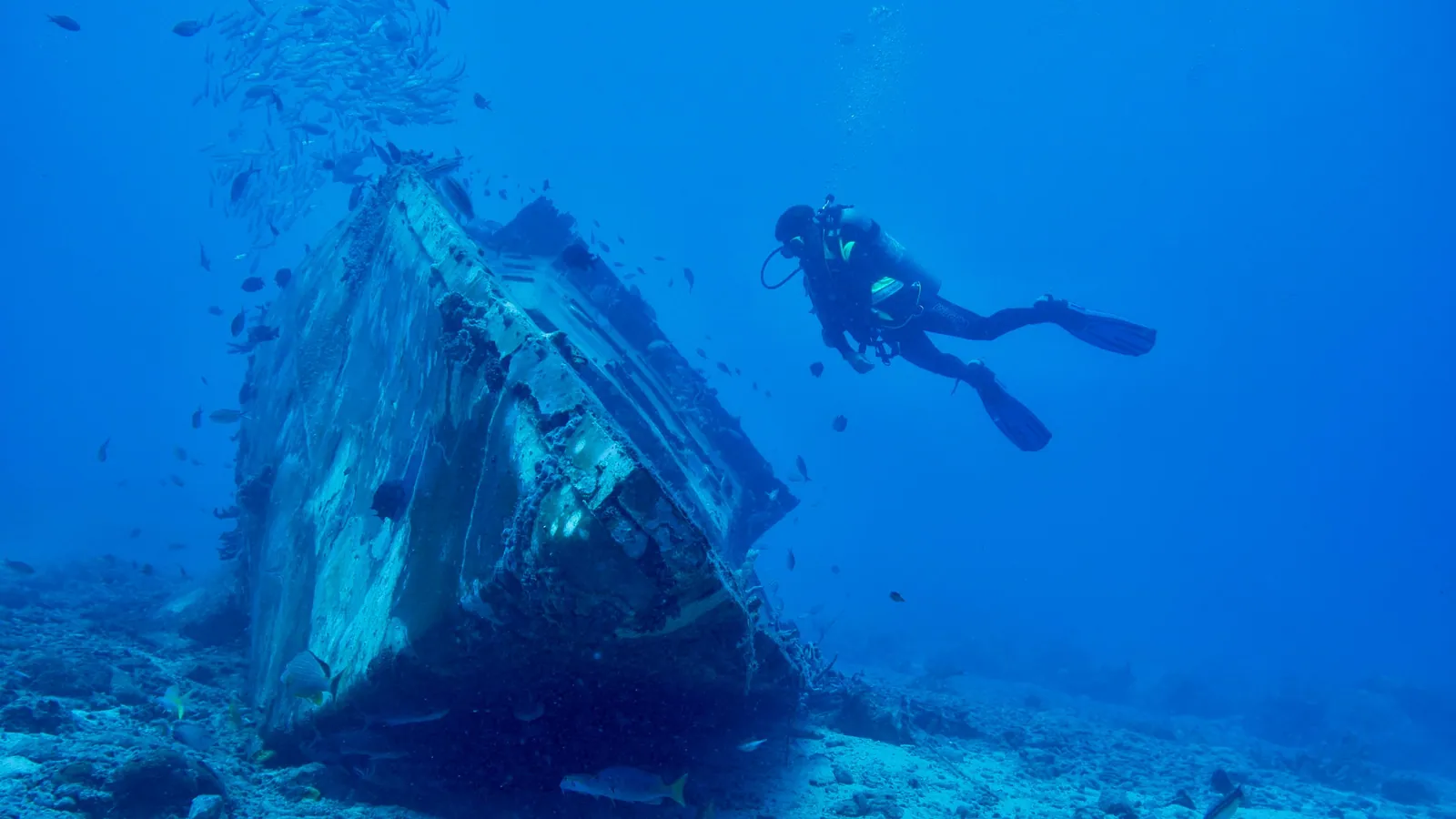
Nitrogen Narcosis
What it feels like, why the sensation is not the danger, and the one thing that fixes it. Narcosis for recreational divers.
-
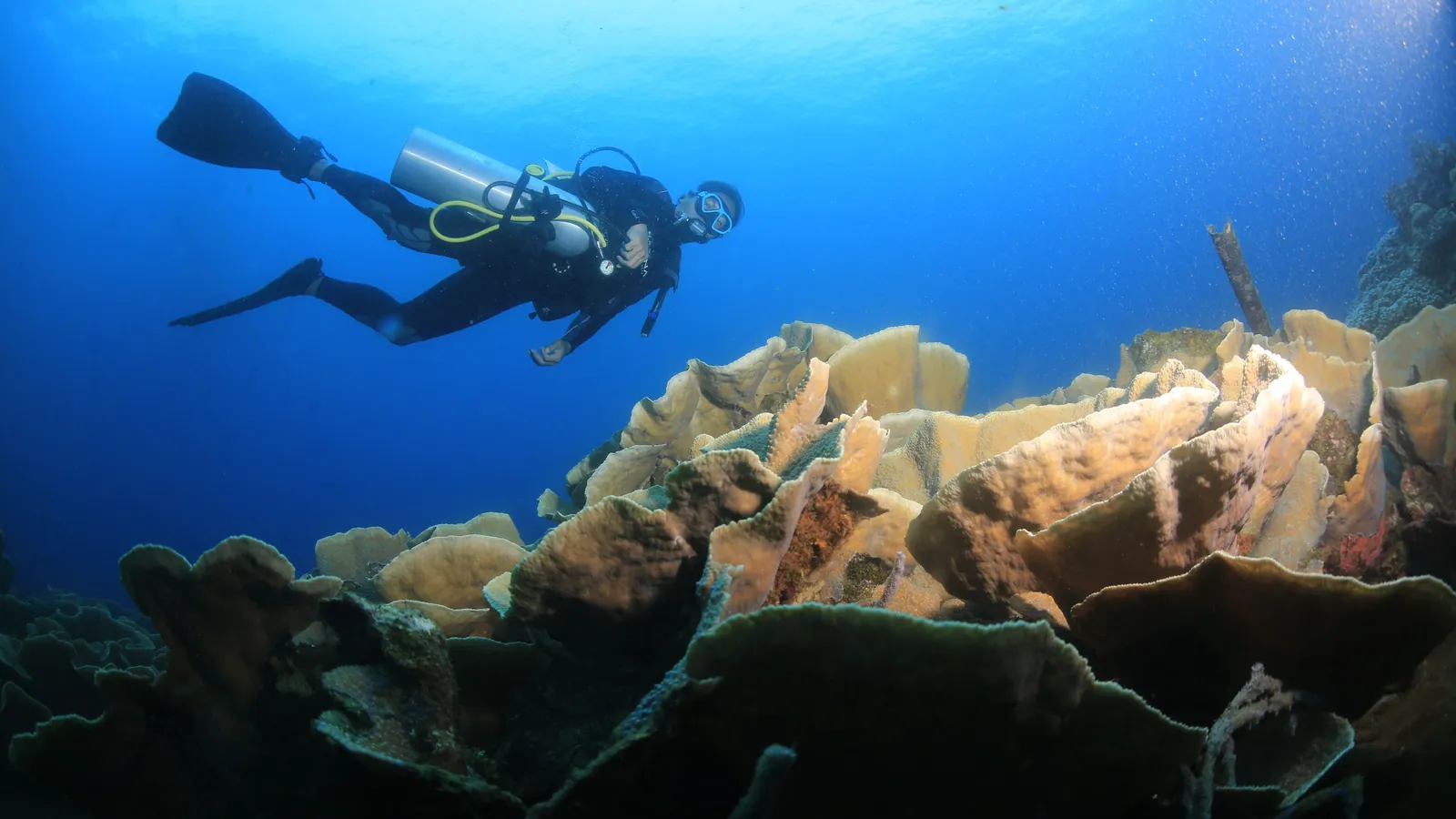
Buoyancy and Trim
Buoyancy is whether you sink. Trim is which way you point. Most divers work on the first and never hear about the second.
-
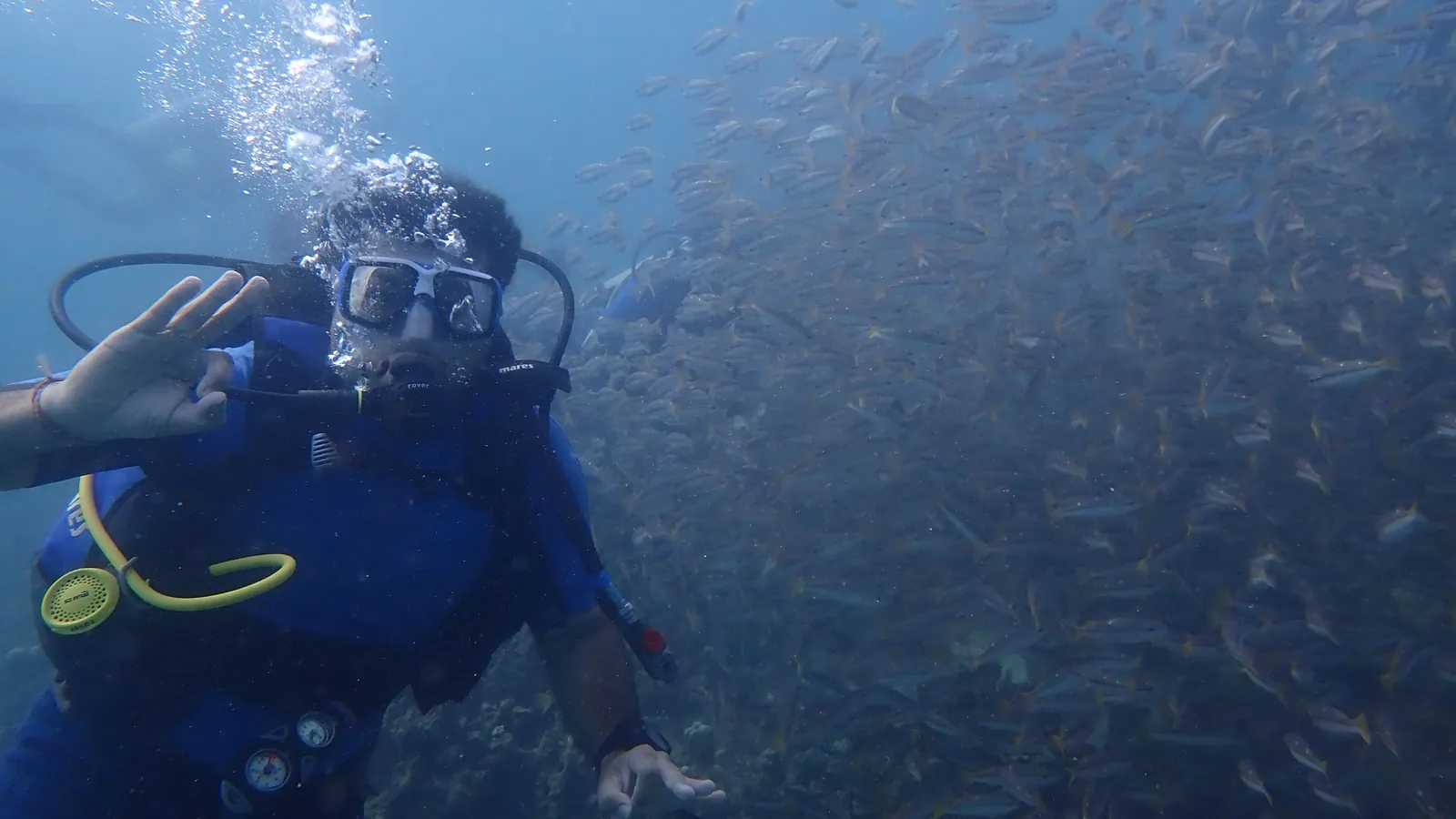
Hand Signals That Actually Get Used
The charts show sixty signals. Divers use about ten. Which ones matter, which ones vary, and what to do when one is missed.